


Linked to the biotechnology sector, we aim to develop algae and their derivatives into innovative green and clean technologies.
Algae holds great promise for tackling the global need for sustainability due to its ability to fix atmospheric or industrial carbon and result in biomass that can be utilised for alternative manufacturing feedstock including cosmetics, plastics, nutraceuticals, agricultural feed, and pharmaceuticals. Algae can be grown in various water sources (fresh, saline, brine, and waste), and can act as environmental bio-remediators, resulting in the treatment of wastewater.
C3 represents one of the world’s largest groups of integrated algae specialists, with a team of collective expertise in microfluidics, bio-optics, algal physiology, robotics, natural-product chemistry, polymer chemistry, phenomics, mutagenesis, and genetic and metabolic engineering. We aim to harness the power of algae together with robotics and artificial intelligence to decarbonise key manufacturing and utility sectors of the economy and hasten the global move away from fossil fuels as an energy and raw materials source.
Featured projects
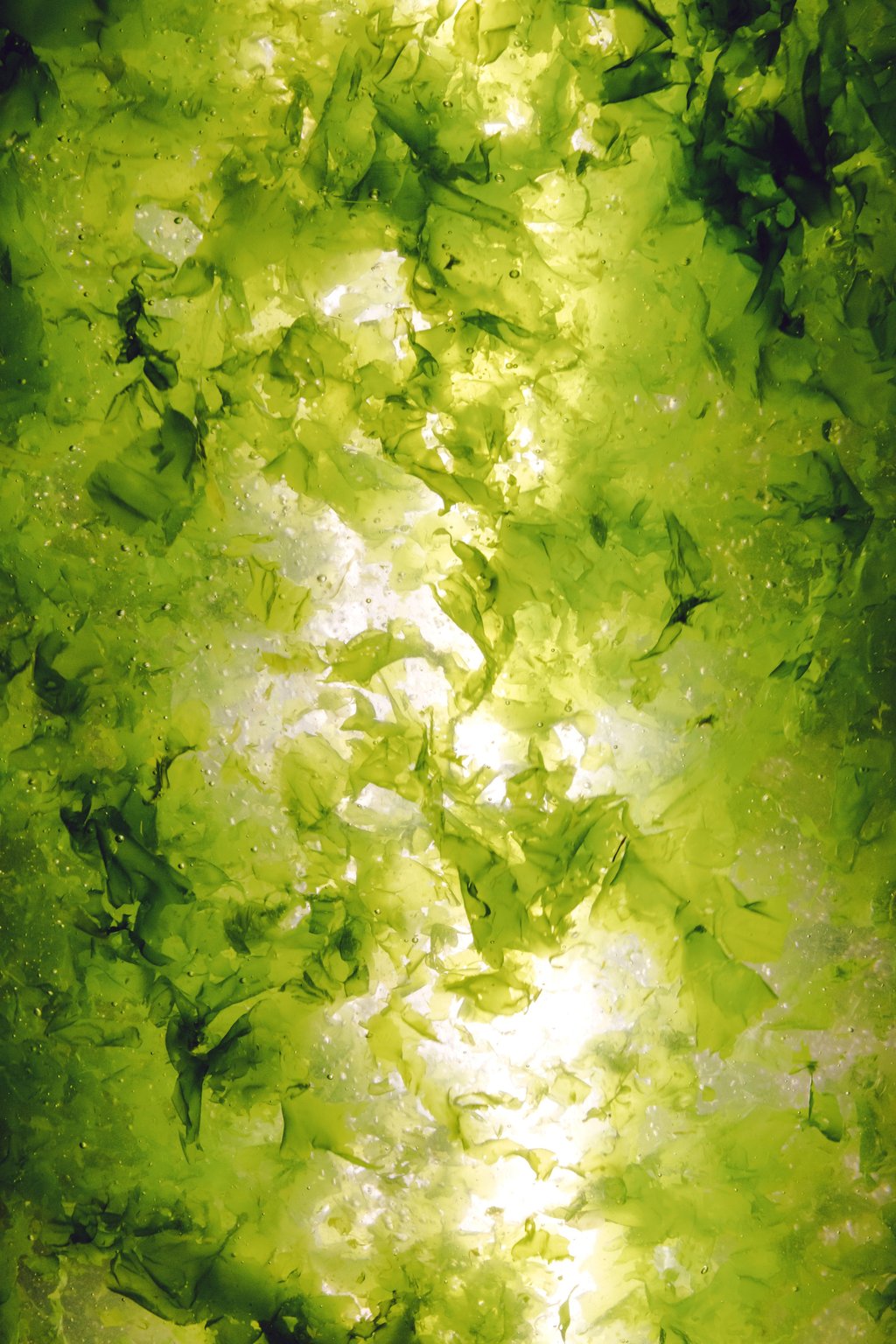
Deep Green Biotech Hub
Connecting NSW-based businesses and community members with cutting-edge algae biotechnologies and innovation support, so we can build a deep green future,...
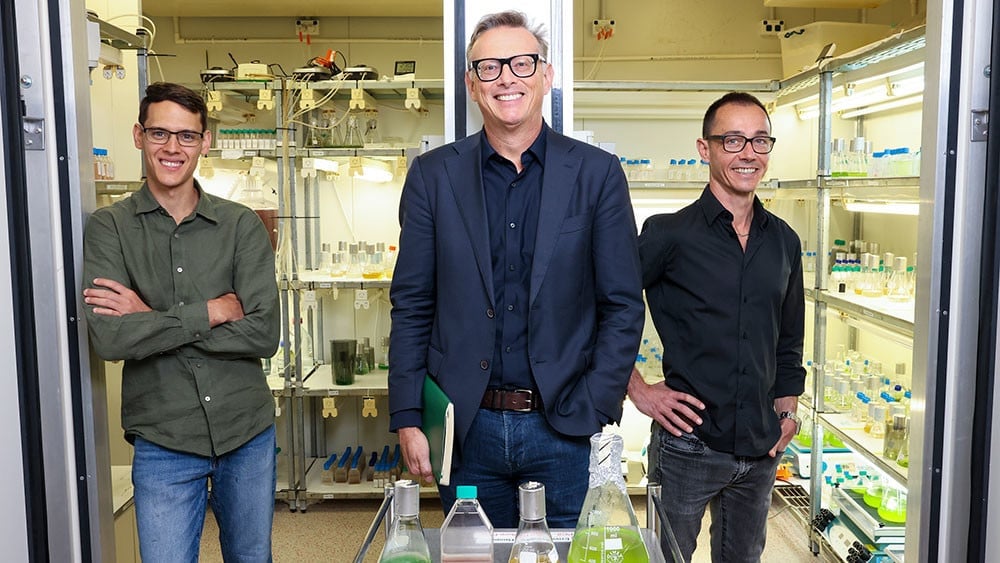
Algae biotech launches on a mission to tackle climate change
Newly founded biotech company Algenie will commercialise an innovative algae growth platform capable of producing the building blocks for sustainable plastics...
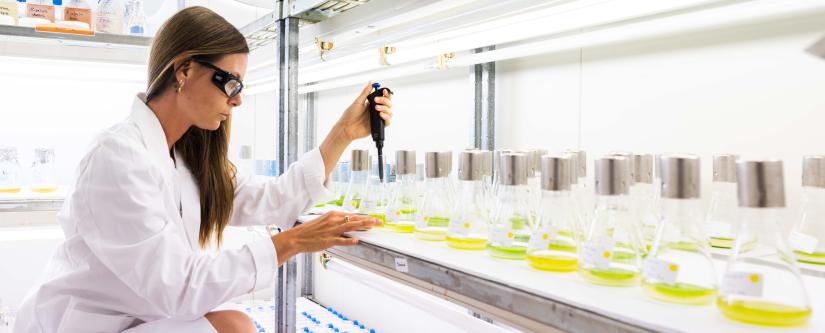
Taking a bite out of carbon emissions
Microalgae have long been known as carbon capturing superheroes – these photosynthetic organisms are 40 times more efficient than trees at removing carbon from...
Research themes
Featured publications
- Picknell KJ, Poddar N, Pernice M, McCauley J, McMahon O, Adamson R, Ralph PJ. Carbon capture in breweries using microalgae: Preliminary techno-economic insights for ruminant feed applications. Bioresour Technol. 2026;457:134944. doi:10.1016/j.biortech.2026.134944.
- Aschoff E, Ferris E, Ali A, Malik S, Ralph PJ. Algal phenomics to develop elite algae strains to meet industrial robustness. In: Mehmood MA, Malik S, Ralph PJ, Bose A, Betenbaugh MJ, editors. Algae Biotechnology. Amsterdam: Elsevier; 2026. p. 309-330. doi:10.1016/B978-0-443-34063-5.00009-X.
- Tierney J, Ralph PJ, Pirozzi I, Pernice M. Harnessing microalgae for finfish nutrition: Advances in biotechnology and aquafeed development. Front Mar Sci. 2025;12:1611271. doi:10.3389/fmars.2025.1611271.
- Macdonald Miller S, Abbriano RM, Herdean A, Banati R, Ralph PJ, Pernice M. Random mutagenesis of Phaeodactylum tricornutum using ultraviolet, chemical, and X-radiation demonstrates the need for temporal analysis of phenotype stability. Sci Rep. 2023;13(1):22385. doi:10.1038/s41598-023-45899-2.
- Ralph PJ, Pernice M. Save the planet with green industries using algae. PLoS Biol. 2023;21(3):e3002061. doi:10.1371/journal.pbio.3002061.
Research to Impact
Our research addresses some of the biggest environmental and societal issues facing Australia and other countries in a changing climate, including food and energy security, sustainability and ecological resilience; and global health.
Learn more about our research track record, and how you can help us make real research impact here:
Capabilities
C3 has capabilities across algae production, screening and production for a range of commercial applications.
In order to bring mass-scale algal cultivation closer to reality, it is crucial to understand how abiotic environmental parameters influence algal physiology.
We use a matrix of environmental photo-bioreactors (ePBRs) to address key commercialisation roadblocks. The ePBRs are used to simulate environmental conditions, such as irradiance, temperature and carbon availability, at prospective large-scale algal facilities within a controlled laboratory setting. Algal physiological response is measured in terms of chlorophyll fluorescence, oxygen evolution and biomass productivity. Using this approach it is possible to:
- Assess algal biomass productivity with non-invasive optical technology,
- Investigate the synthesis of various bio-products,
- Optimise algal growth conditions,
- Select the appropriate algal species for a specific environment, and
- Anticipate and overcome obstacles to algal growth, such as photo-inhibitive irradiance levels or carbon limitation.
We are actively looking to explore opportunities for engagement with industrial and academic partners and welcome enquiries. Email: climatechangecluster@uts.edu.au