


What we do
The International Development Research Network began in 2014, after UTS hosted the 2013 Research for Development Impact (RDI) conference Development Futures: Alternative pathways to end poverty.
We realised that there were many researchers across the university doing international development research, and we needed to seize the opportunity to share our experience and expertise to generate even stronger research outcomes and impact.
To make a difference in low- and middle-income countries we need multiple pathways. The complex issues are deeply embedded within social, political, economic, and environmental systems. So, bringing together multiple disciplines and perspectives is essential to inform effective and sustained change.
Our Network encourages collaboration across the university to address international development challenges; builds researcher capability by sharing expertise, experience and peer learning; and contributes to complex development challenges in the Indo-Pacific and throughout the world.
Our Network includes longstanding UTS institutes, such as:
- Institute for Sustainable Futures (ISF)
- Jumbunna Institute for Indigenous Education and Research
- Institute for Public Policy and Governance (IPPG).
UTS 2030
Our research results provide evidence that UTS is a university with global impact. We embody key parts of the UTS 2030 strategy:
- A creative and innovative university: Through transdisciplinary research, the Network is driving innovation and creativity.
- A connected and engaged university: Through a collaborative approach, more researchers can capitalise on existing networks, relationships and connections with governments, civil society and communities.
- A student-centred university: There is opportunity for students, especially postgraduate students, to engage in research collaborations and learn from Network events.
Our people
Representing diverse UTS faculties and schools, as well as researchers from multiple UTS institutes, our thriving Network consists of some 100 researchers across many disciplines. This diversity is essential to solve current development challenges.
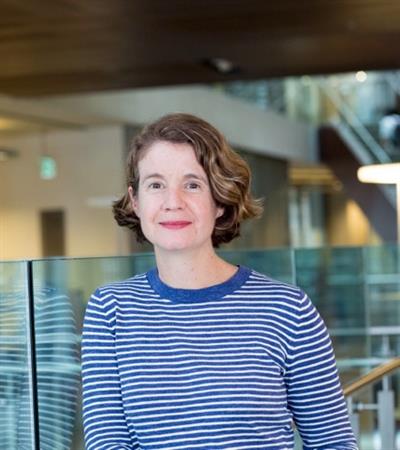
Keren Winterford
Program Lead - International Development
DVC (Research)
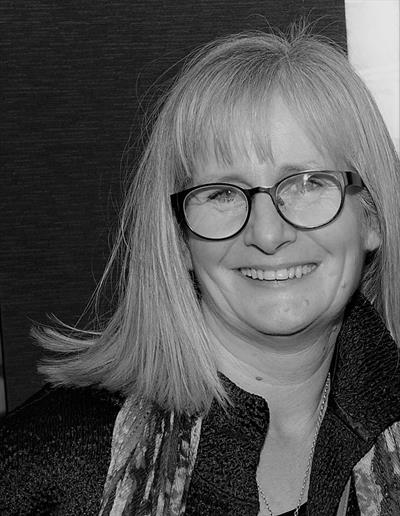
Michele Rumsey
Director, WHO Collaborating Centre
Faculty of Health
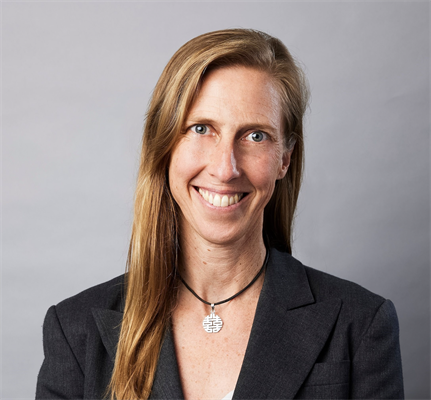
Juliet Willetts
Professor
DVC (Research)
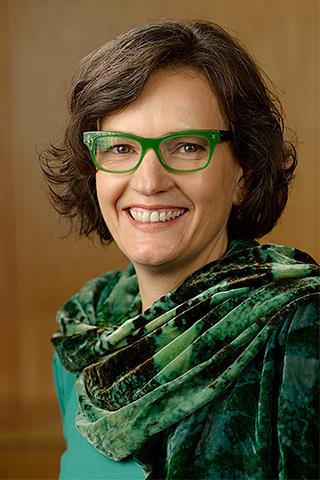
Kate Barclay
Professor
Faculty of Design and Society

Scott Daniel
Associate Professor
Faculty of Engineering & Information Technology

Anthony Fee
Senior Lecturer
Business School