


Country-centred design thinking in the real world
A first-of-its-kind institute redefining design education and practice through Country-centred methods, bridging education, industry and community to shape more sustainable and culturally responsive futures – a return to ancient ways of being.
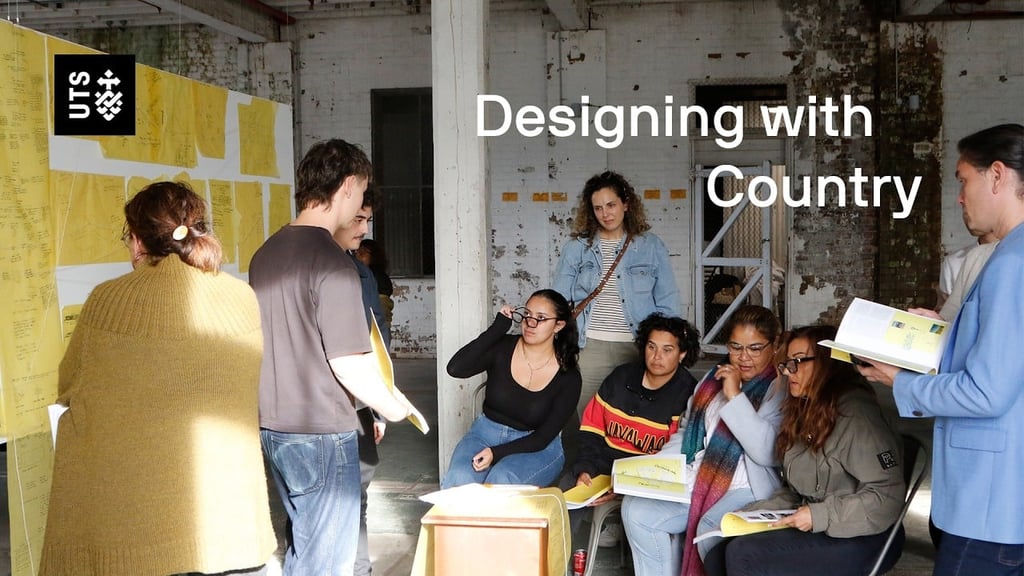
The Indigenous Institute for Designing with Country (IIDwC) aims to be a world-leading, cross-disciplinary design laboratory specialising in Blak design thinking and practices.
Led by First Nations designers, land management experts, community leaders, educators, researchers and practitioners, the Institute will continue to transform industry through Designing with Country methodologies that support new ways of learning, collaborating and practising across design education, research and practice.
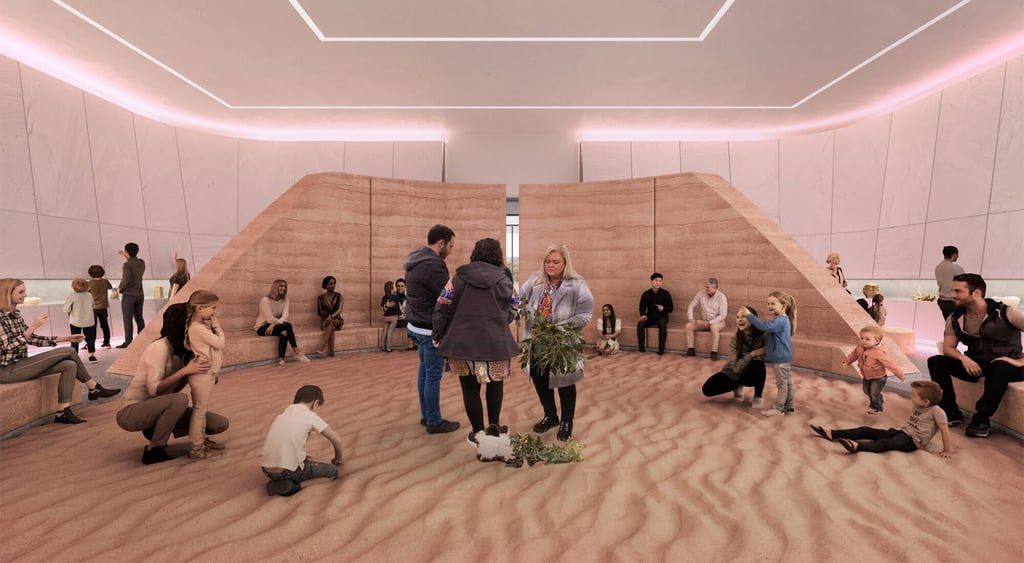
Extending beyond home ground, the Institute is a cultural space and incubator for First Nations designers here and abroad – a home for First Peoples from across the world to gather, learn and define new ways of practising.
Our projects
Tank Stream Valley 2050
What we now know as Sydney CBD lays within the Tank Stream Valley, where a once-flowing source of fresh water now runs beneath the city, hidden, silenced, carrying ancient and ongoing living story(s) of Country.
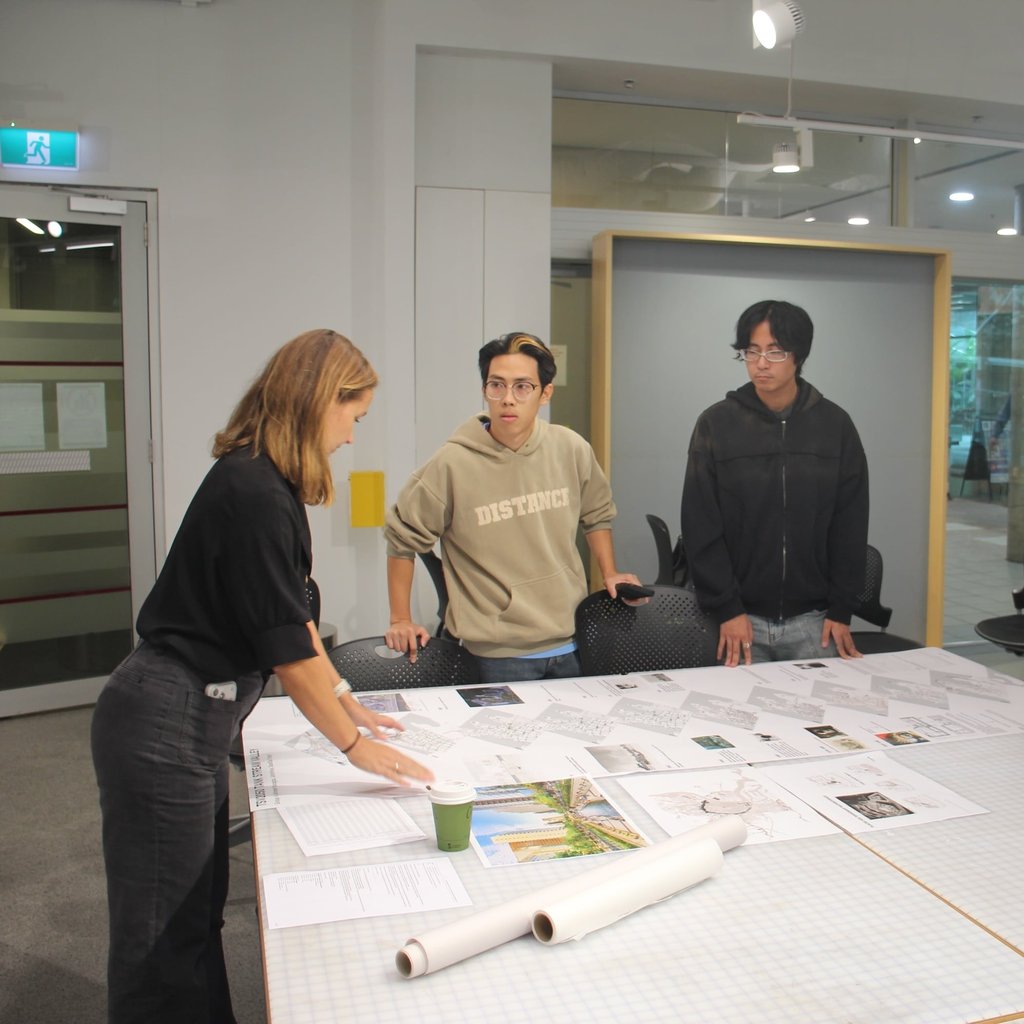
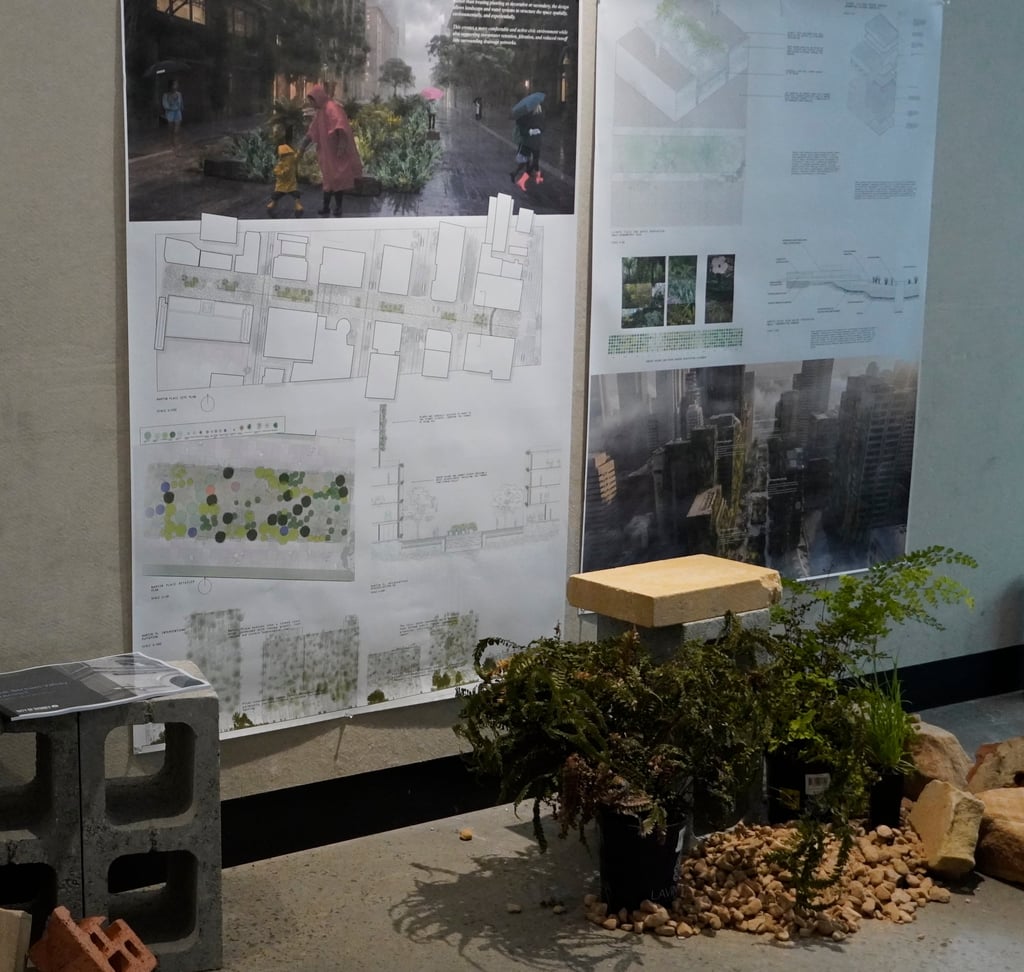
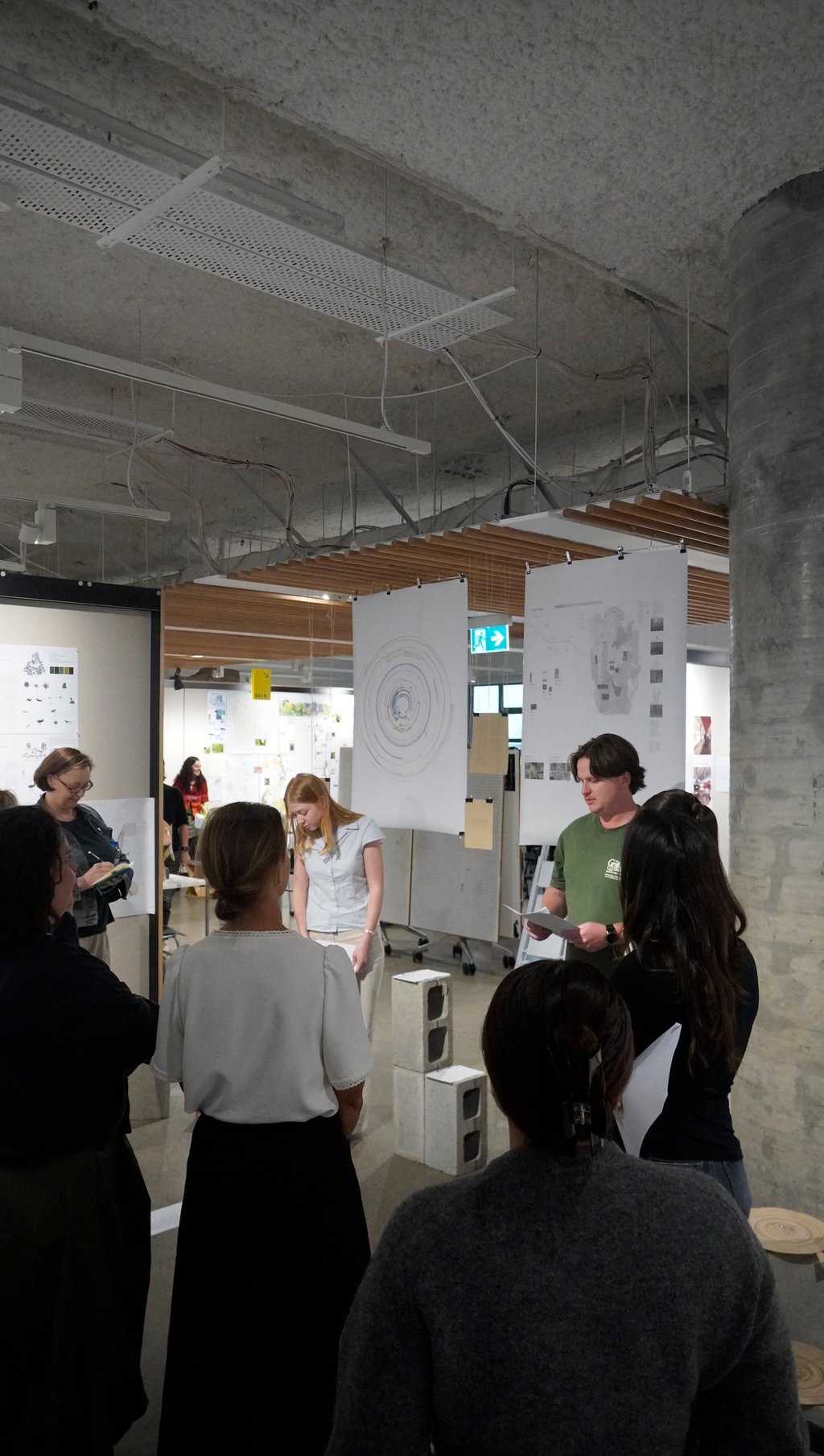
In partnership with Lendlease, the Indigenous Institute for Designing with Country asked architecture and landscape architecture students to listen before acting.
Working with a Traditional Owner, ASPECT Studios and Grimshaw, students used Designing with Country methodologies and spatial speculation to develop future-focused responses that care for Country, regenerate place, and offer a blueprint for Australian cities built on 65,000 years of knowledge.
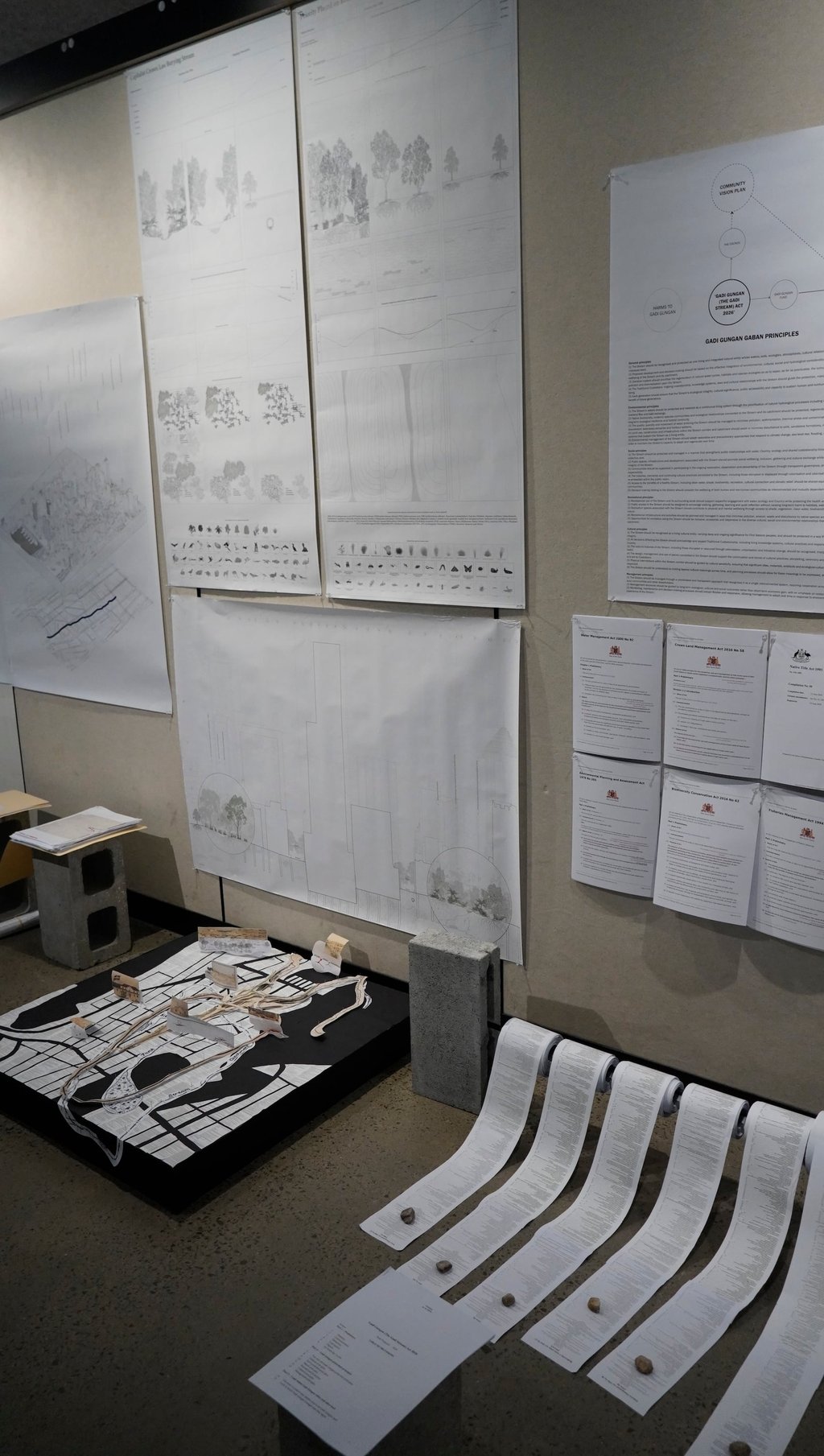
“Aboriginal people have been designing, managing and caring for Country for over 60,000 years, so it makes sense that our knowledge should be embedded into design, not treated as an add-on. Once you start studying you realise these knowledges are not just cultural or symbolic – they actually make places better.”
Our projects
NASCA workshop
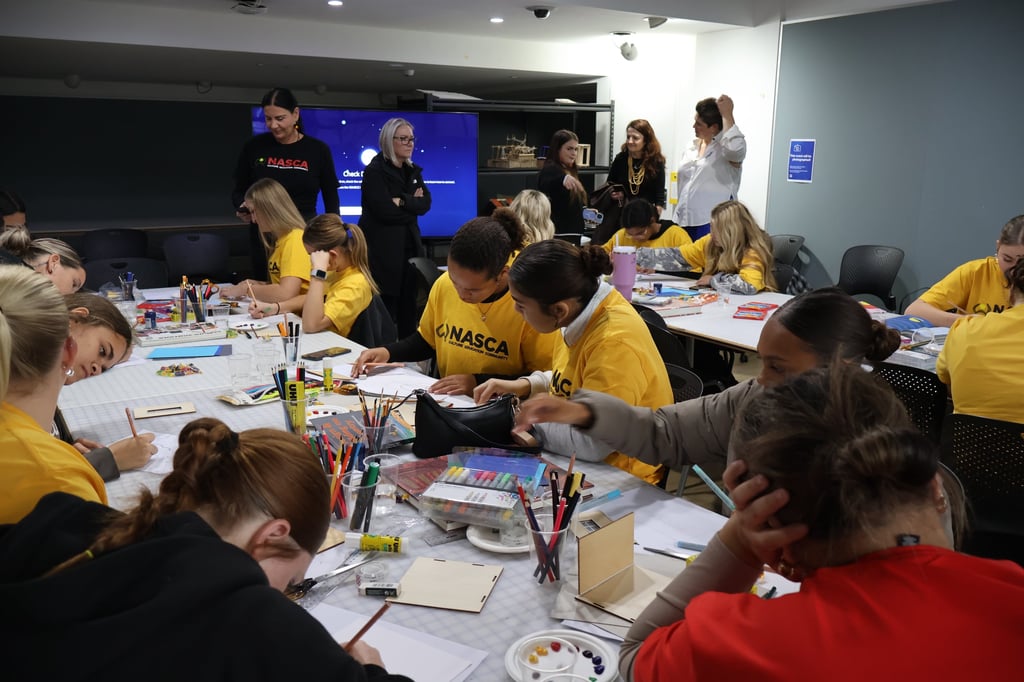
With support from Jumbunna and Lendlease, the Institute hosted Aboriginal high school students at UTS for a workshop showcasing the power of Blak Design and how cultural obligations to care for Country can be carried through design education and practice.
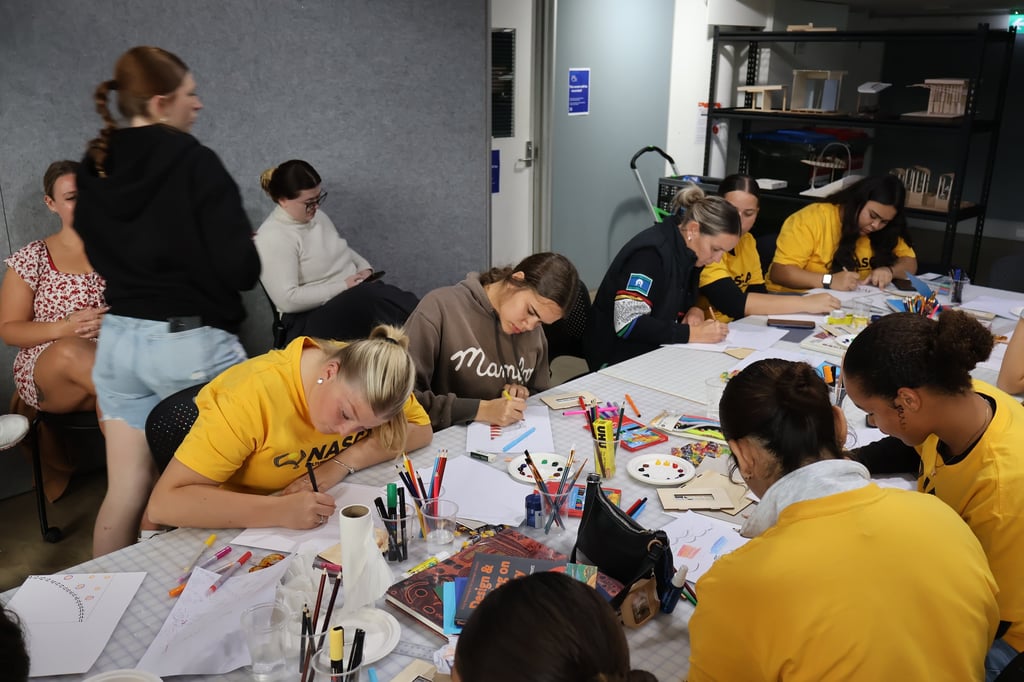
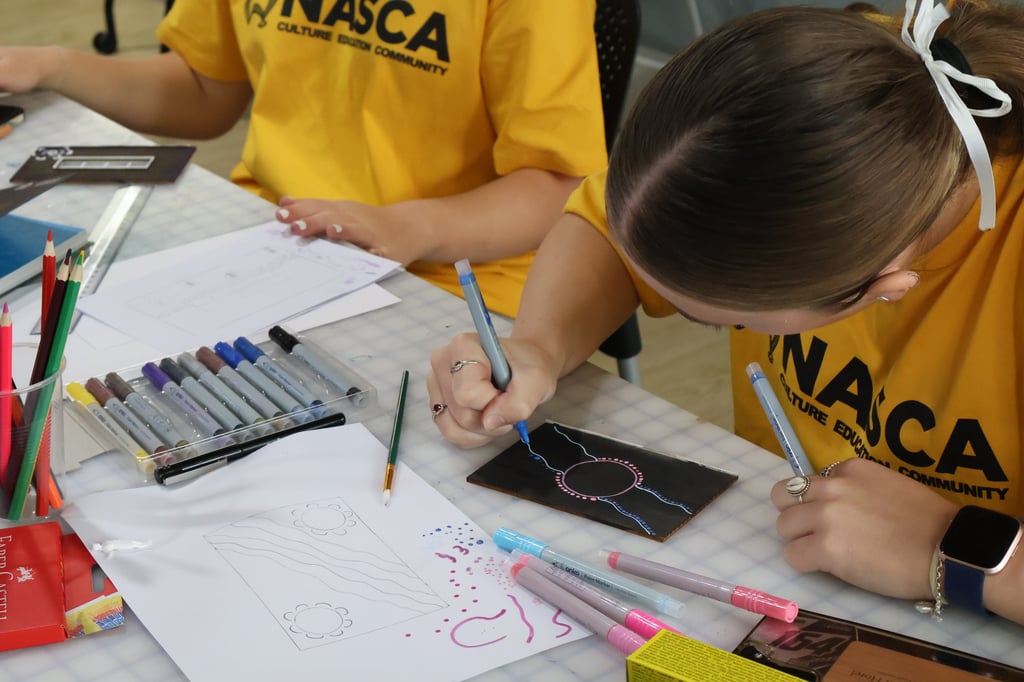
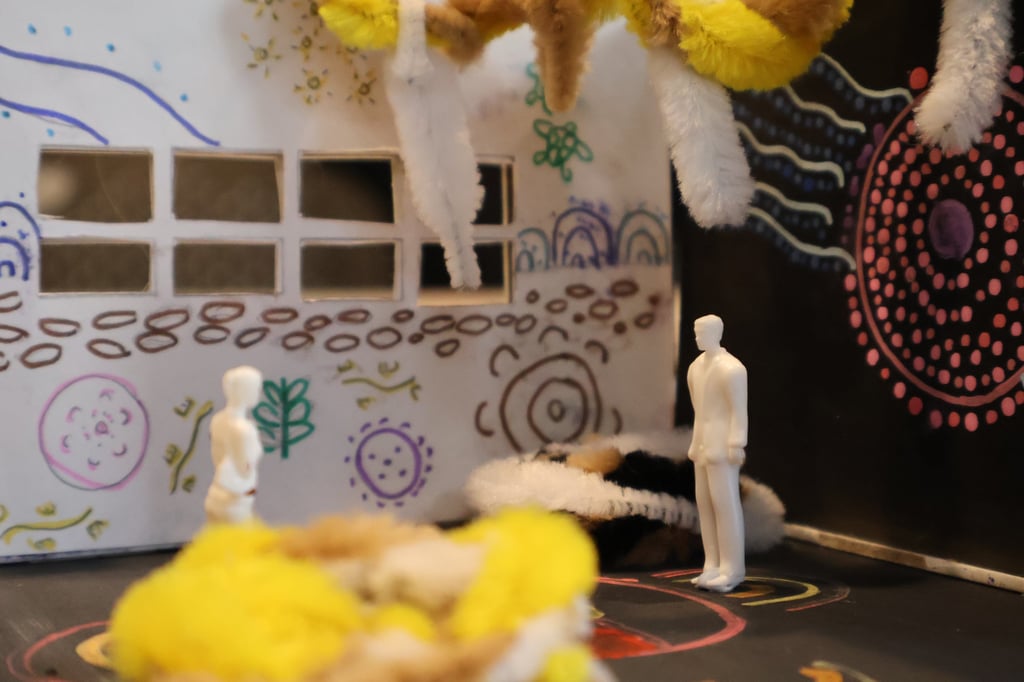

“The Institute will play an important role in inspiring and educating the industry, helping to guide meaningful change so that Country is respectfully centred in every aspect of how we design and shape our cities.”
Cath Brokenborough
Executive Lead, First Nations engagement and reconciliation
Our projects
Wareamah Studio
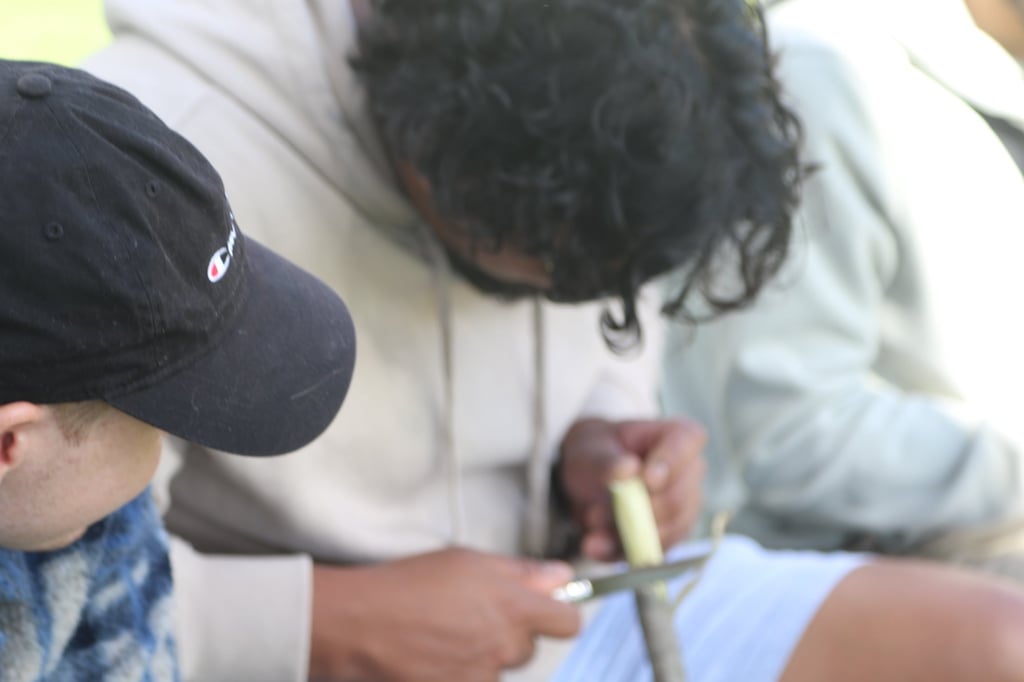
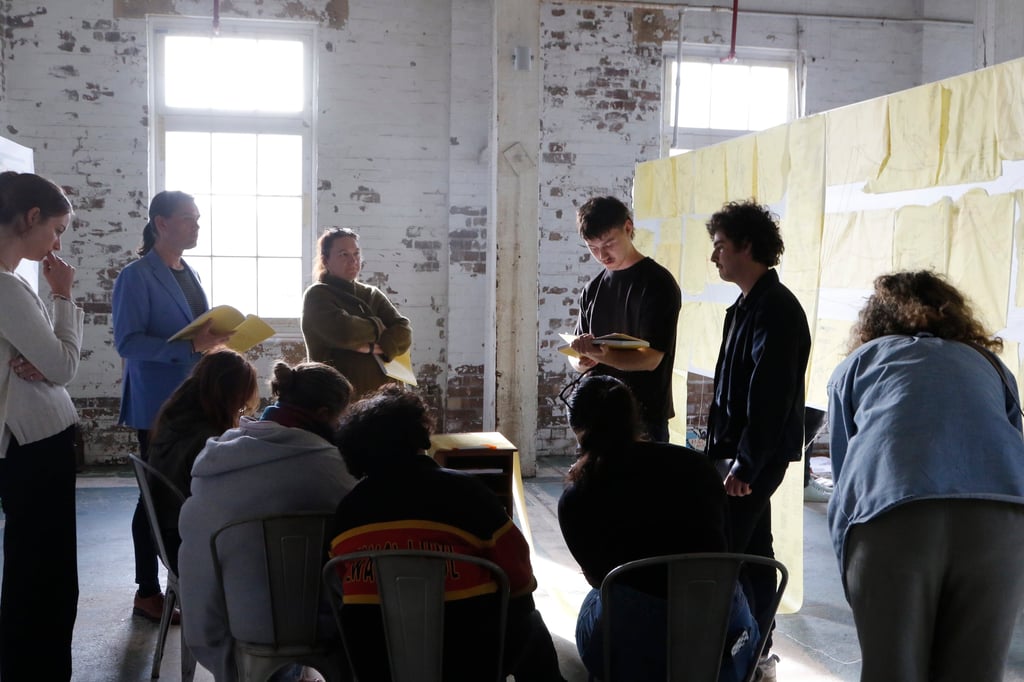
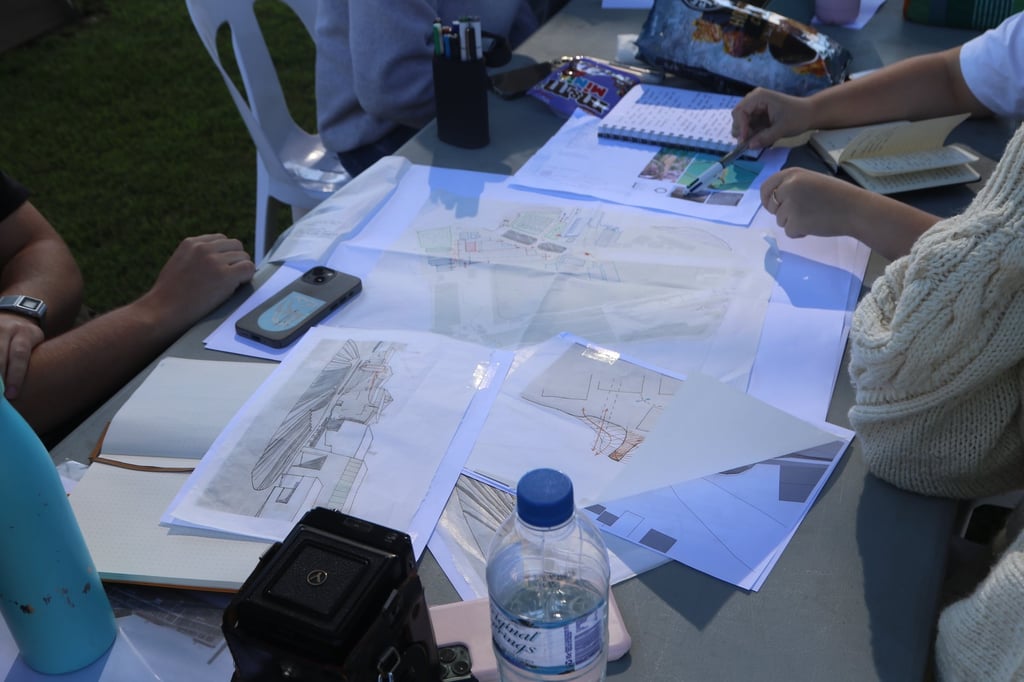
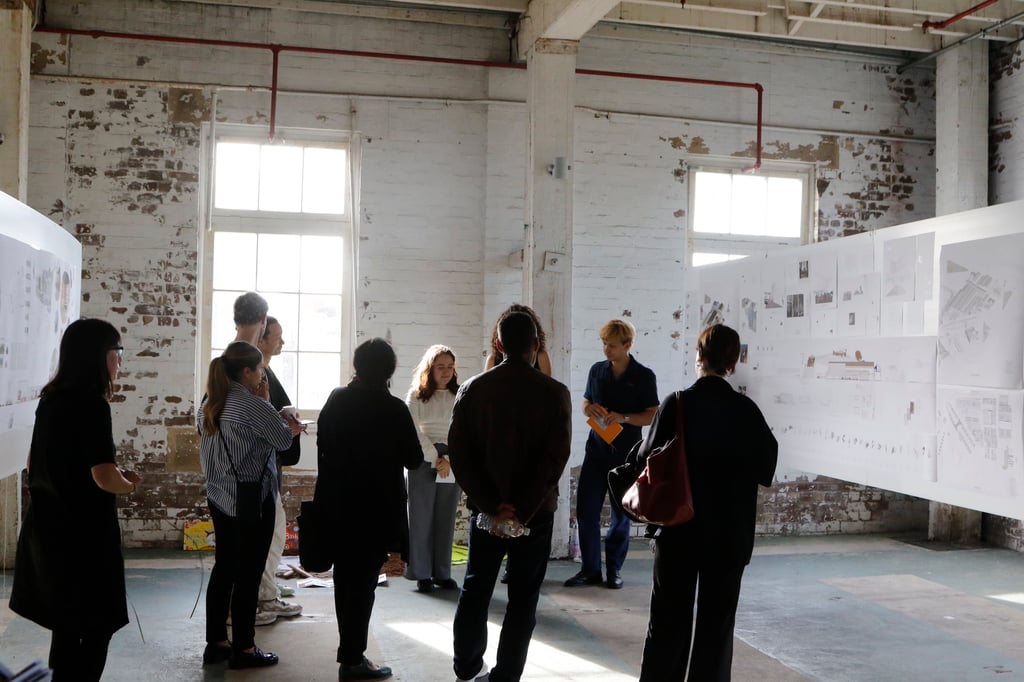
Wareamah, also known as Cockatoo Island, holds deep cultural significance for local Aboriginal Peoples, though its UNESCO World Heritage listing largely foregrounds colonial and industrial histories. The project asked students to interrogate dominant retellings of the island through truth-telling, co-design and Indigenous-led perspectives.
Working with Traditional Owners and industry experts, architecture, landscape architecture and construction management students developed site-specific responses that cared for Country, (re)centred Indigenous histories, and created spaces for dialogue and healing.
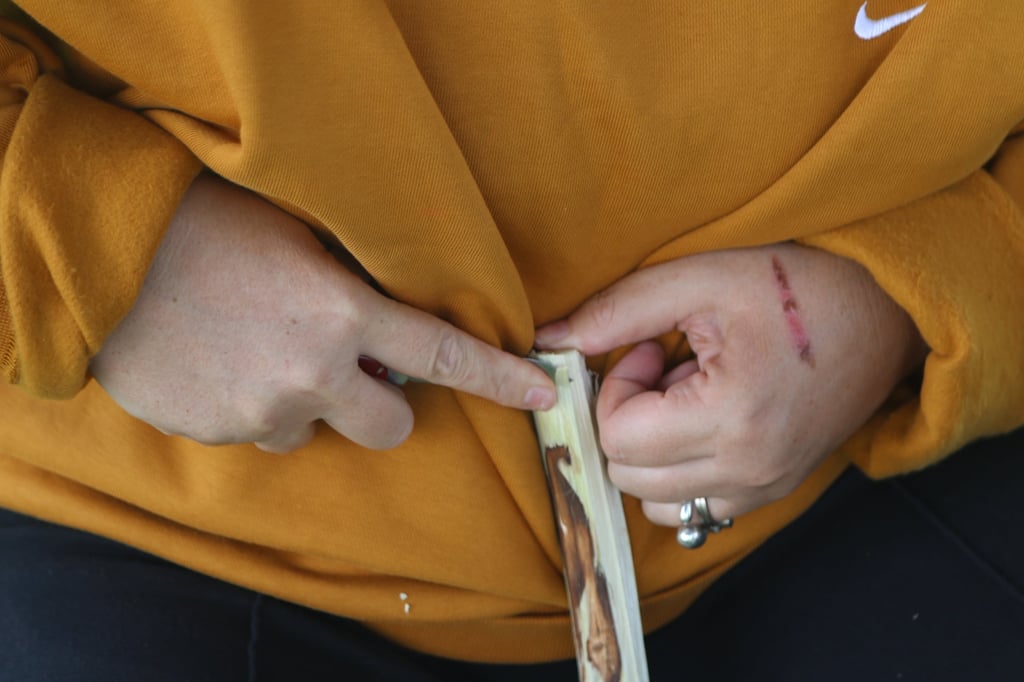
“Through my studies at UTS and the Indigenous Institute for Designing with Country I have been able to develop decolonial methodologies that prioritise Indigenous perspectives and voices within the built environment. Designing with Country is something that has driven my studies and will be vital in the continuation of my future practice, and the future of architecture in Australia.”
Our people


Matte Ager-McConnell
Wiradjuri Dabee
Lecturer (Architecture, Landscape Architecture), Faculty of Design and Society

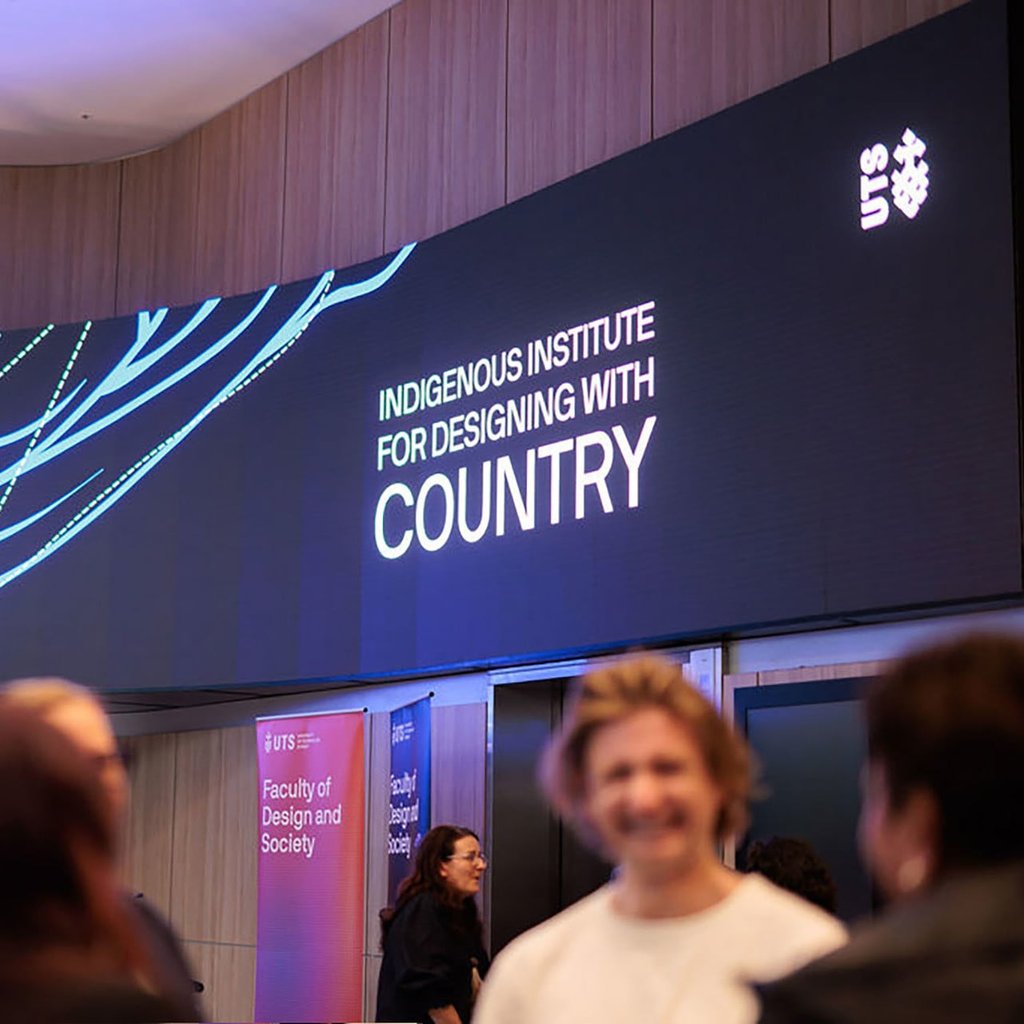
Placing First Nations connections to Country at the forefront of design
The new Indigenous Institute for Designing with Country will draw on First Nations knowledge systems, storytelling and connections to Country to shape design...
UTS Showcases Indigenous-Led Design Innovation on the World Stage at Venice Architecture Biennale 2025
This year, the Australia Pavilion at the 2025 Venice Architecture Biennale marks a historic moment: a powerful assertion that Country-centred design practices...
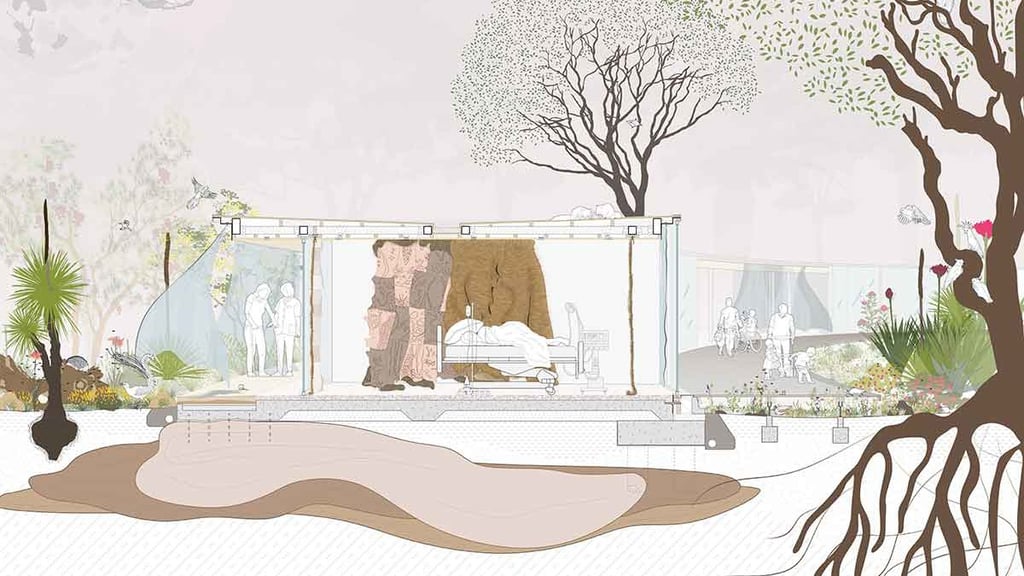
How study sparked a passion for designing with Country
Through her studies to attain a Master of Architecture, Rhiannon Brownbill discovered a passion for designing with Country to create equitable spaces that...

Bringing Indigenous stories to Breville
Learn about Professor Alison Page’s work with Breville to blend Indigenous culture and modern design.
Placing First Nations connections to Country at the forefront of design
The new Indigenous Institute for Designing with Country will draw on First Nations knowledge systems, storytelling and connections to Country to shape design...
UTS Showcases Indigenous-Led Design Innovation on the World Stage at Venice Architecture Biennale 2025
This year, the Australia Pavilion at the 2025 Venice Architecture Biennale marks a historic moment: a powerful assertion that Country-centred design practices...
How study sparked a passion for designing with Country
Through her studies to attain a Master of Architecture, Rhiannon Brownbill discovered a passion for designing with Country to create equitable spaces that...
Bringing Indigenous stories to Breville
Learn about Professor Alison Page’s work with Breville to blend Indigenous culture and modern design.