


- Posted on 28 Jul 2026
- 4-minute read
The new Indigenous Institute for Designing with Country will draw on First Nations knowledge systems, storytelling and connections to Country to shape design thinking.
The University of Technology Sydney (UTS) officially launched a new Indigenous Institute for Designing with Country (IIDwC) on 27 July 2026, a world-leading, cross-disciplinary design laboratory specialising in Country-centred design thinking.
Institute Director, Professor of Practice from the UTS Faculty of Design and Society, Alison Page said it will address contemporary challenges drawing on tens of thousands of years of cultural knowledge, technology and innovation. It will also create opportunities for Aboriginal and Torres Strait Islander students, researchers and communities to shape the future of design while fostering collaboration across sectors and disciplines.
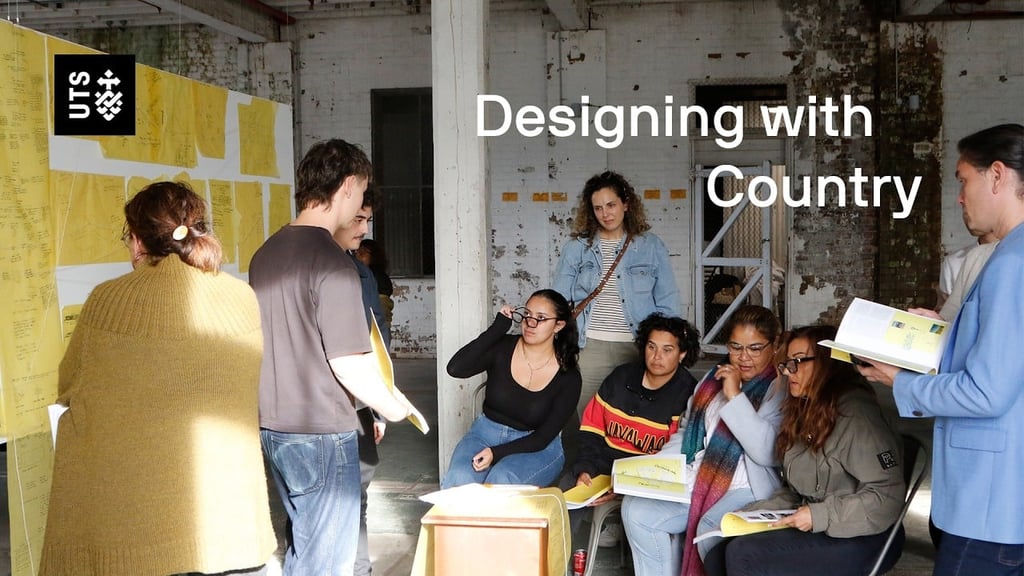
“Designing with Country is a blueprint for the design of society,” said Professor Page.
“It’s an approach that recognises Country as a living system of knowledge, relationships and responsibility. It asks us to reconsider some fundamental questions about design, how it responds to place and what kinds of knowledge we value as we face the complex challenges of climate change, urban growth and the health and wellbeing of society.
“We will provide educational programs across undergraduate and postgraduate studies, professional courses and micro-credentials, while also undertaking research and creating meaningful connections between students, communities and industry,” said Professor Page.
“We’re opening doors for Aboriginal and Torres Strait Islander students to move into design-related professions, which they have not typically been a part of but can bring a vital cultural and ecological perspective.”
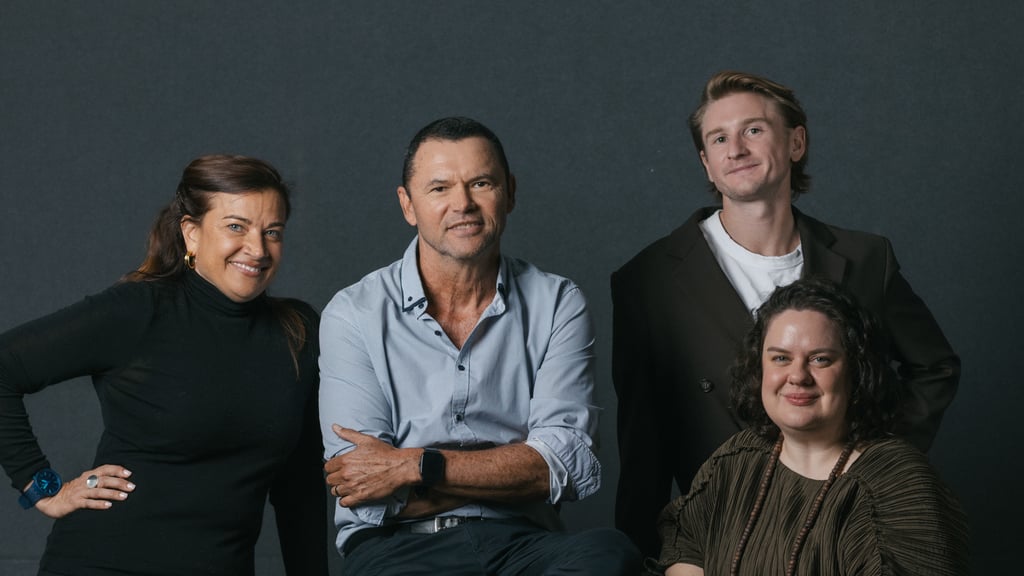
Dr Dillon Kombumerri, a Yugambeh man, will join the Institute as Professor of Practice following his previous appointment as Principal Architect for the Government Architect NSW.
Dr Kombumerri is a highly respected architect and designer with over 30 years of experience who has consistently advocated for Indigenous knowledges to shape the built environment. He has played a pivotal role in the sector through his co-authorship of the Connecting with Country Framework as part of his work for the office of the NSW Government Architect.
Reflecting on his new appointment at UTS, Dr Kombumerri said: “Great Initiatives like the IIDwC will help us make the vital course correction needed to repair our planet and ensure a healthier, more sustainable future for generations to come.”
Launching the Institute, NSW Minister for Skills, TAFE and Tertiary Education, Steve Whan MP said: “The IIDwC shows what is possible when we bring together the world's oldest continuing culture with contemporary education, research and industry partnerships.
"This is about skills that work – creating real pathways for Aboriginal and Torres Strait Islander students, strengthening Australia's design industries and ensuring First Nations knowledge helps shape the places and communities of the future.
"UTS is helping build a new generation of designers and leaders who understand that caring for Country and creating thriving communities go hand in hand."
We’re opening doors for Aboriginal and Torres Strait Islander students to move into design-related professions, which they can bring a vital cultural and ecological perspective to.
Professor Robynne Quiggin AO, UTS Pro-Vice-Chancellor for Indigenous Leadership and Engagement, said the launch marked a milestone in UTS’s ongoing commitment to Indigenous self-determination, leadership, knowledge and innovation.
“This initiative reflects the university’s ambition to create new partnerships that generate positive cultural and social impact that respects Country and our relationship to it,” said Professor Quiggin.
“It will serve as a hub for education, research, industry and community engagement. It will bring together designers, land management experts, community leaders, educators and thinkers to explore how Country-centered approaches can inform the design of places, systems and experiences. It will also create unique opportunities for students to learn and explore ways of seeing and understanding their world and their discipline.”
UTS Vice-Chancellor Professor Andrew Parfitt said that UTS has long been focused on innovation in design, collaboration and impact.
“This interdisciplinarity reflects our belief that the most significant challenges of our time require new ways of working together,” said Professor Parfitt.
“The IIDwC will provide a platform for Indigenous-led research, teaching and industry engagement.”
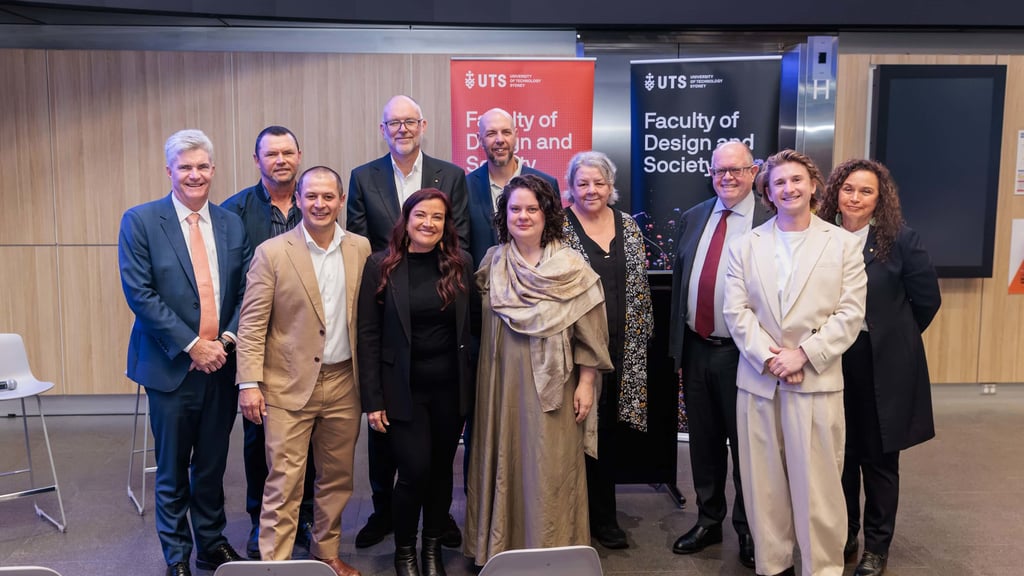
Official launch
The launch featured leading voices in design, Indigenous knowledge and public policy, including representatives from government, the inaugural partner Lendlease, and UTS.
It included a panel discussion where Professor Page, Dr Kombumerri, First Nations Design Lead at Lendlease Jordan Eaton, and UTS Chancellor Michael Rose AM discussed Designing with Country in practice; how we can shape the best cities in the world with ancient stories and deep cultural values. The launch also celebrated success stories of students who have just enrolled through to graduates who are leading large scale projects in the industry.
News by topic

News
Research puts resilient infrastructure on solid ground
Groundbreaking $24 million research centre will develop sustainable technologies that stabilise the foundations underpinning major infrastructure.

News
UTS researchers develop new AI tool to better predict stroke risk
New AI model analyses DNA to identify genetic risk factors for stroke, paving the way for more personalised prevention and treatment.
News
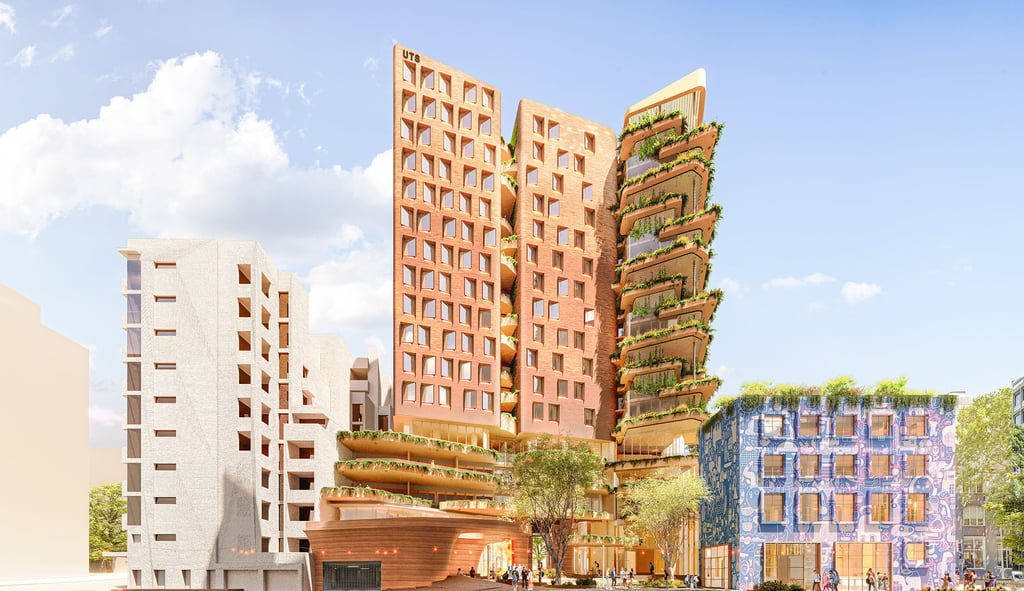
National First Nations College update
UTS has been working towards building a National First Nations College, an Indigenous-designed, culturally responsive residential community where students can...
News
After neoliberalism – what comes next?
A Trump-led post-neoliberal world order, dominated by four or five powerful nations, could dismantle decades of international cooperation in favour of...
News
Research puts resilient infrastructure on solid ground
Groundbreaking $24 million research centre will develop sustainable technologies that stabilise the foundations underpinning major infrastructure.
News
UTS researchers develop new AI tool to better predict stroke risk
New AI model analyses DNA to identify genetic risk factors for stroke, paving the way for more personalised prevention and treatment.
News
National First Nations College update
UTS has been working towards building a National First Nations College, an Indigenous-designed, culturally responsive residential community where students can...
News
After neoliberalism – what comes next?
A Trump-led post-neoliberal world order, dominated by four or five powerful nations, could dismantle decades of international cooperation in favour of...