


- Posted on 19 Feb 2025
About SDG 2: Zero hunger
Around eight per cent of the global population, or 673 million people, suffer from insecure food supplies, with the COVID-19 pandemic exacerbating the problem. Improving agricultural output is part of the solution, along with removing trade and food distribution systems that distort fair and equitable access to food for everyone.
The UTS Business School works on ways to make global trade and markets operate more fairly. On campus, we are especially proud of our Bluebird Brekkie and Night-owl Noodle Bar, an award-winning initiative providing free food. Run by students for students, this large pop-up bar serves more than 4000 meals to students per week – healthy, nutritious food for free.
Here are some examples of our work at UTS contributing towards SDG 2.

Blue food systems as nature-based solutions for climate resilience
Taking a systems approach to understand the role of blue foods as nature-based solutions in the Pacific region.
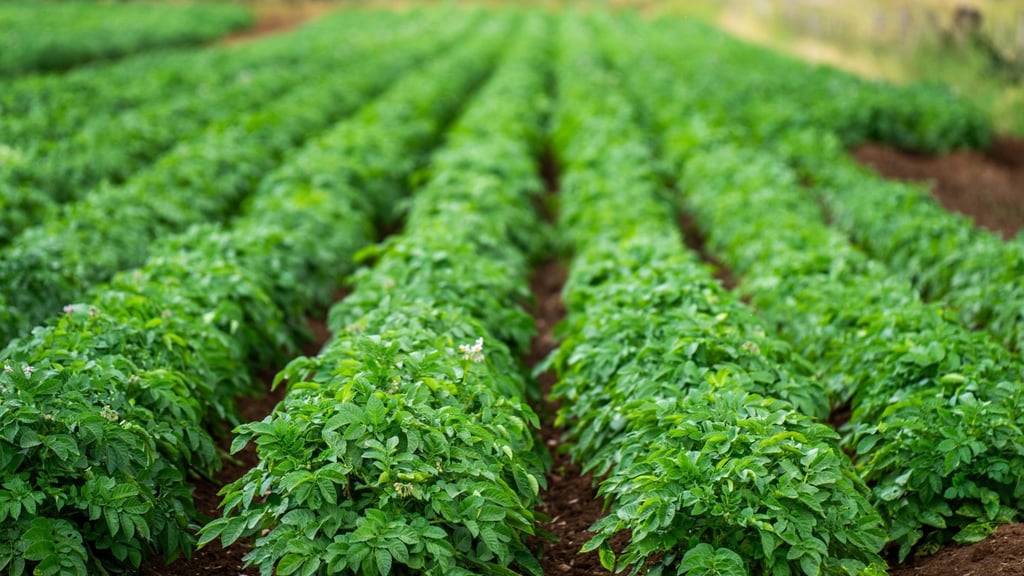
Tackling climate and phosphorus resilience: twin challenges for national food security
PACSAN models a future for Australia and China to simultaneously address the climate crisis and phosphorous scarcity in agriculture.
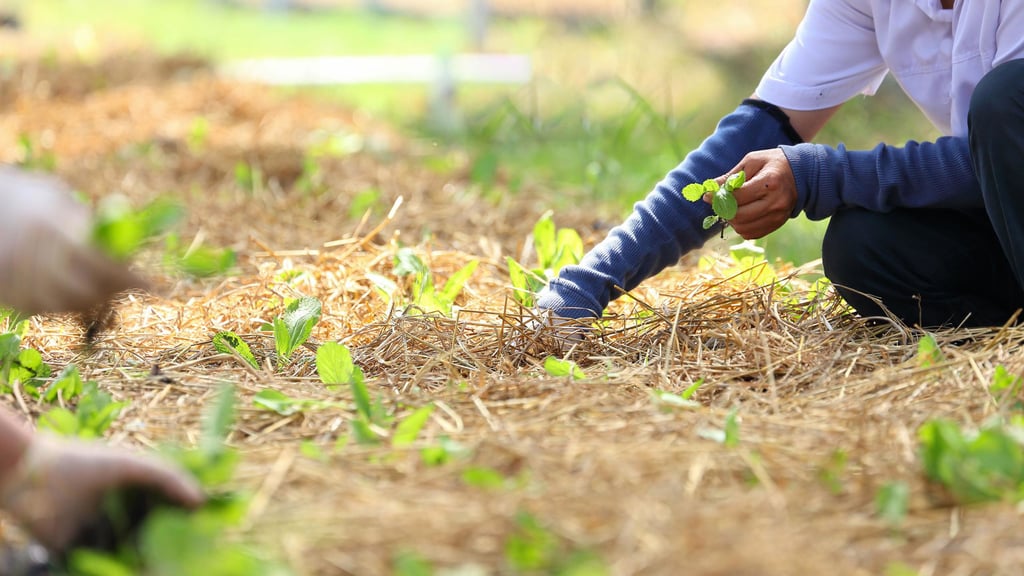
Improving food security and regional community resilience
Building food system security and resilience in the Northern Rivers NSW.
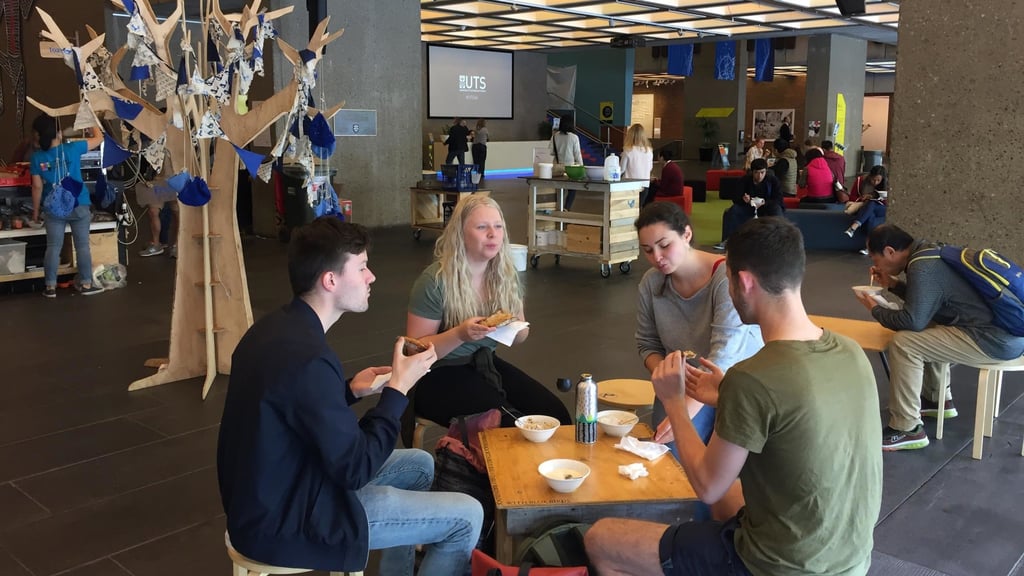
UTS Bluebird Brekkie and Noodle Bar
An initiative run by students for students, the pop-up Bluebird Brekkie and Night-owl Noodle Bar provides free healthy sustainable food for students four times per week.
Our impact
Find out how UTS staff and students are contributing to the UN’s Sustainable Development Goals.
Trailblazers for the Goals
UTS has experts working towards the SDGs all over campus. The Trailblazers for the Goals are a campus-wide network of researchers and experts advancing the UN Sustainable Development Goals.
You can contact a trailblazer to discuss their work for the SDGs, or they can connect you with other experts in the space.

Associate Prof. Dana Cordell
Institute for Sustainable Futures
Dana is a Research Director and circular bioeconomy expert leading the ISF’s Food Systems research group. Dana has contributed to SDG 2 through her work leading the Phosphorus and Climate Smart Agriculture Network, the P-FUTURES project, the development of Australia’s first Agriculture Circular Economy Framework, and advises the UNEP.
Learn more
Phosphorus & Climate Smart Agriculture Network (PACSAN)
A unique knowledge-sharing project enabling Australia and China to strengthen both countries' food security in the face of climate change and phosphorus vulnerability.
P-FUTURES
Transforming the way cities secure food and water through innovative phosphorous governance.
Why it’s time to put food security on the national agenda
A recent expert panel warns that Australia must broaden its food security conversation – and fast.