


- Posted on 9 Nov 2026
UTS staff, students, alumni and community members gathered to celebrate the launch of Refugees at University: Access, Belonging, and What Comes After, a new book exploring the experiences of refugee-background students beyond graduation.
The event sparked a lively discussion about what genuine inclusion looks like, and the collective role universities, employers, governments and communities can play in supporting refugee students to thrive.
Authored by Dr Olga Oleinikova and Dr Janet Ge, the book is the first Australian publication to examine the post-graduation experiences of refugee scholarship recipients. Drawing on surveys and interviews with graduates from the UTS Humanitarian Scholarship Program, it explores how students navigate university, employment and life after graduation, while highlighting the systems and support networks that make success possible.
At the heart of the conversation was a powerful message: access to higher education is only the beginning. While scholarships and university pathways open doors, graduates from refugee backgrounds continue to face barriers to employment, professional networks and long-term belonging, highlighting the need for support that extends well beyond graduation.
Sonal Singh, Head of Equity Pathways at UTS, emphasised that universities must think beyond enrolments and graduation rates.
"Access is not just the answer, right? We can get them to the doors to come to the university, but what matters most is students going through the university and getting the support. What also matters is that once they graduate, that support, that network, doesn’t go away. And then, what role can universities, communities, and workplaces can do so that we fully realise the potential the students are bringing?"
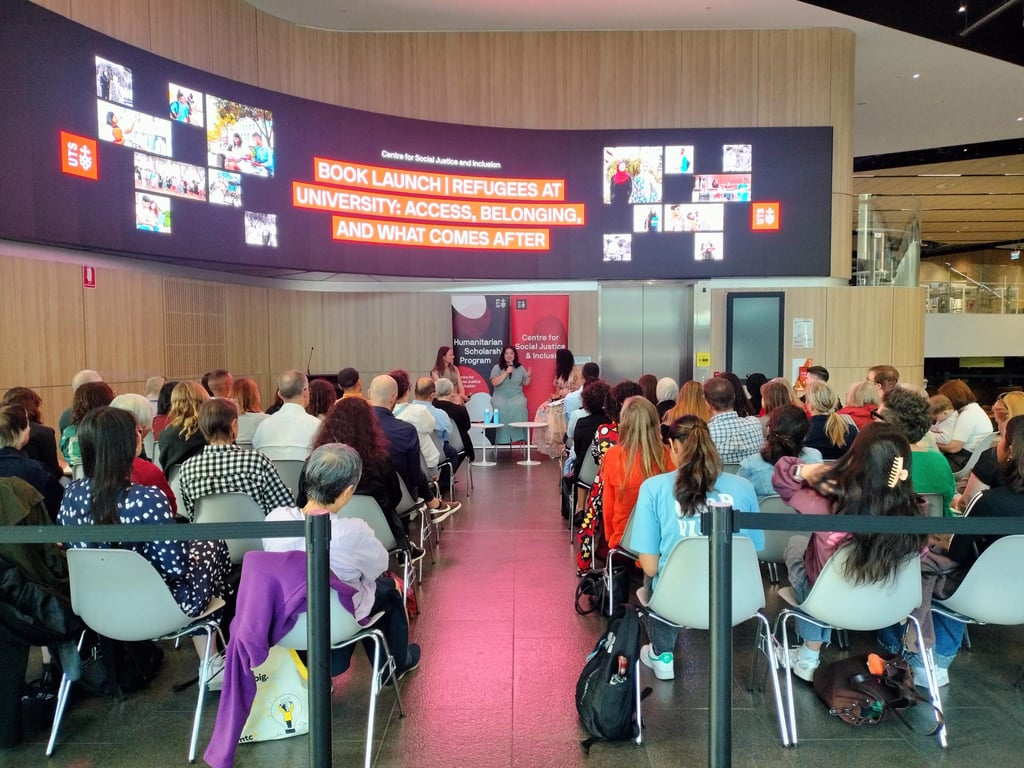
For Neda Dowling, a graduate of the UTS Humanitarian Scholarship Program and one of the evening's panellists, the scholarship was life changing. Arriving in Australia as an asylum seeker, she faced significant barriers to accessing higher education before receiving support through UTS.
"Without it, I honestly wouldn't be here today."
Reflecting on her own journey, Neda challenged institutions and communities to move beyond stereotypes and recognise the diversity of experiences and strengths within refugee communities.
See us as humans. There are so many layers to us.
The book also highlights the importance of social and professional networks in creating pathways to employment and long-term success. Reflecting on the practical actions that can make a difference, Dr Olga Oleinikova encouraged audiences to think about the role they can play in opening doors for others.
"Do one warm introduction today. For whoever you think needs it, just drop an email and introduce them. You never know what can happen. It's such a powerful tool."
Supported through a UTS Centre for Social Justice and Inclusion Social Impact Grant, the project contributes important evidence to national conversations about equity in higher education. The findings highlight the need for stronger pathways into employment and professional networks, and a more holistic approach to student success that extends beyond graduation.
As the book argues, true inclusion is not measured only by who enters university, but by who has the opportunity to build a life, career and sense of belonging afterwards.
Refugees at University: Access, Belonging, and What Comes After
by Dr Olga Oleinikova and Dr Janet Ge.

I just remember getting a phone call from someone at UTS and they said, 'Neda, we're awarding you a scholarship. Congratulations.' I was able to study while maintaining, paying rent and electricity, and doing all of these things. Without it, I honestly wouldn't be here today.
Neda Dowling
Humanitarian Scholarship Program Alumna

Access is great to university, but it's just a starting point, and graduation is a starting point as well. Equity should continue through enrolment to workplace integration and social inclusion. It's a much more complex process, and there are many barriers that graduates encounter along the way.
Dr Olga Oleinikova
Associate Professor Discipline of Social and Political Science

Refugees and asylum seekers are very much welcome here at UTS. We are very proud that UTS has the largest number of asylum seekers studying at any Australian university through our scholarship program.
Sonal Singh
Head of Equity Pathways, CSJI
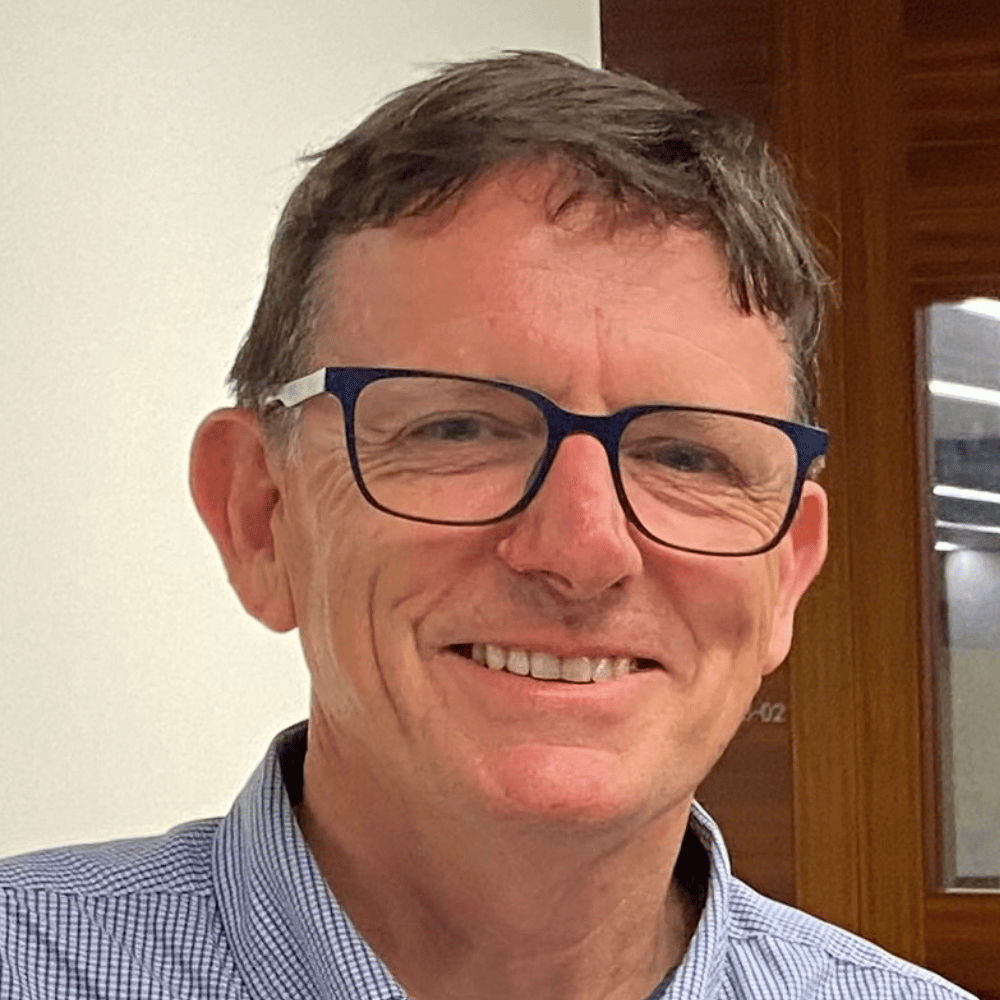
All of us want to see more scholarship opportunities for refugees, both those currently in Australia and those in protracted situations overseas. We want to see the students who receive these scholarships thrive and make the most positive contribution they can once they graduate.
Paul Power
Co-CEO Refugee Council of Australia

News
Why Jared Diamond’s leadership book on prophets, coaches and kings is flawed but fun
Like Guns, Germs and Steel, this book is ambitious, provocative and imperfect. It’s also difficult to put down.

News
World-first successful wild release of endangered broad-headed snake
A world-first reintroduction program is giving one of Australia’s most endangered snakes hope for survival.
News
UTS graduates outperform nationally in landing – and keeping – full-time work
Employment rates have climbed for three years running, with law and nursing graduates reaching 100 per cent for employment outcomes.

News
New lab opens a door to the future of intelligent wireless technology
Wireless technology is moving beyond simple connectivity and a new research facility at the University of Technology Sydney is a platform to explore the...
News
Why Jared Diamond’s leadership book on prophets, coaches and kings is flawed but fun
Like Guns, Germs and Steel, this book is ambitious, provocative and imperfect. It’s also difficult to put down.
News
World-first successful wild release of endangered broad-headed snake
A world-first reintroduction program is giving one of Australia’s most endangered snakes hope for survival.
News
UTS graduates outperform nationally in landing – and keeping – full-time work
Employment rates have climbed for three years running, with law and nursing graduates reaching 100 per cent for employment outcomes.
News
New lab opens a door to the future of intelligent wireless technology
Wireless technology is moving beyond simple connectivity and a new research facility at the University of Technology Sydney is a platform to explore the...