


- Posted on 6 Nov 2026
A world-first reintroduction program is giving one of Australia’s most endangered snakes hope for survival.
Key takeaways
- At least four of six captive-bred juvenile broad-headed snakes have survived their critical first few months in the wild.
- Habitat destruction, bushfires and drought have driven population declines, with researchers working to restore habitat using artificial rocks.
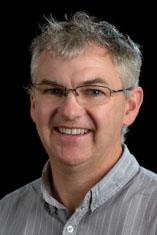
- UTS wildlife ecologist Professor Jonathan Webb’s 34 years of research on the broad-headed snake is guiding recovery efforts.
The broad-headed snake (Hoplocephalus bungaroides), one of Australia’s most endangered snakes, has been given a lifeline, with at least four of six captive-bred juveniles surviving the critical first few months after their release into the wild.
Professor Jonathan Webb, a wildlife ecologist at the University of Technology Sydney (UTS), is leading the rewilding program in partnership with conservation organisation Aussie Ark and the Traditional Owners of the Shoalhaven region.
“The reintroduction of the broad-headed snake is a world-first, and so far, the results are really encouraging. This pilot study will yield important information, which will help guide future reintroductions of this iconic species,” Professor Webb said.
“Reintroducing any threatened species is challenging, especially when they're captive bred. When the juvenile snakes are released, they risk getting eaten by either native predators, like kookaburras and brown snakes, or invasive predators such as cats or foxes.”
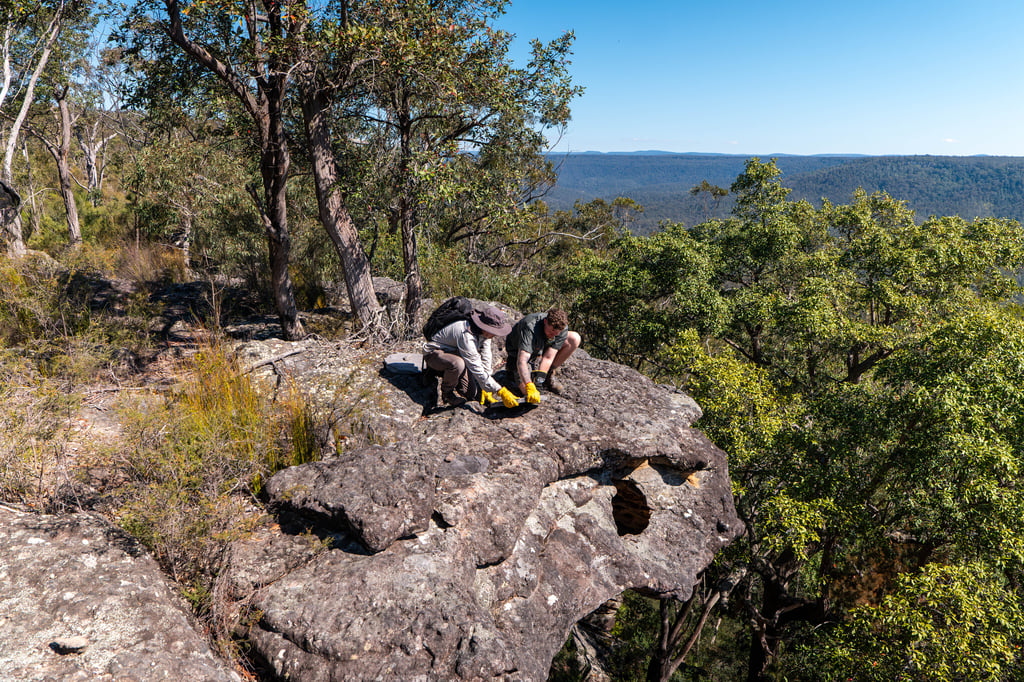
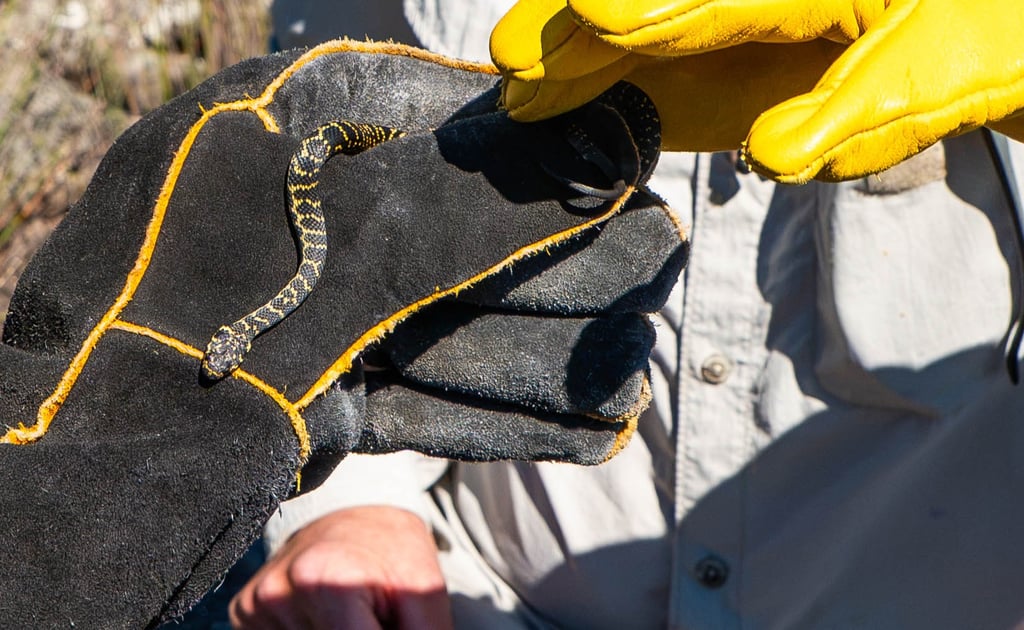
Professor Webb has been studying a population of broad-headed snakes in Morton National Park, south of Sydney, for more than three decades. The distinctive reptile has a flattened head, a black body with mosaic-like yellow bands, and grows to around 60 to 90 cm in length.
“I've always been fascinated by snakes, since I was quite small. One of my first childhood memories was being on my dad's shoulder, and the kid next door had a green tree snake and he let me touch it,” said Professor Webb.
“For my PhD, I wanted to work on snake conservation and the broad-headed snake fascinated me because it used to be very common in the Sydney region, but even in the 1990’s it was quite rare. Why was this species in trouble when other snake species were doing okay?”
Professor Webb continued monitoring the population after completing his PhD at the University of Sydney. Since joining UTS in 2012, his research has focused on developing practical solutions to help protect endangered reptiles and mammals.
“It wasn’t my intention to study this broad-headed snake population for 34 years. It turned into a long-term study purely by accident, but it’s been really rewarding and also great for teaching.
“I take internship students every year to help with broad-headed snake surveys. They say it's one of their best experiences at university because they get to see what it's like to do real-world research, while also contributing to the management of a threatened species.”
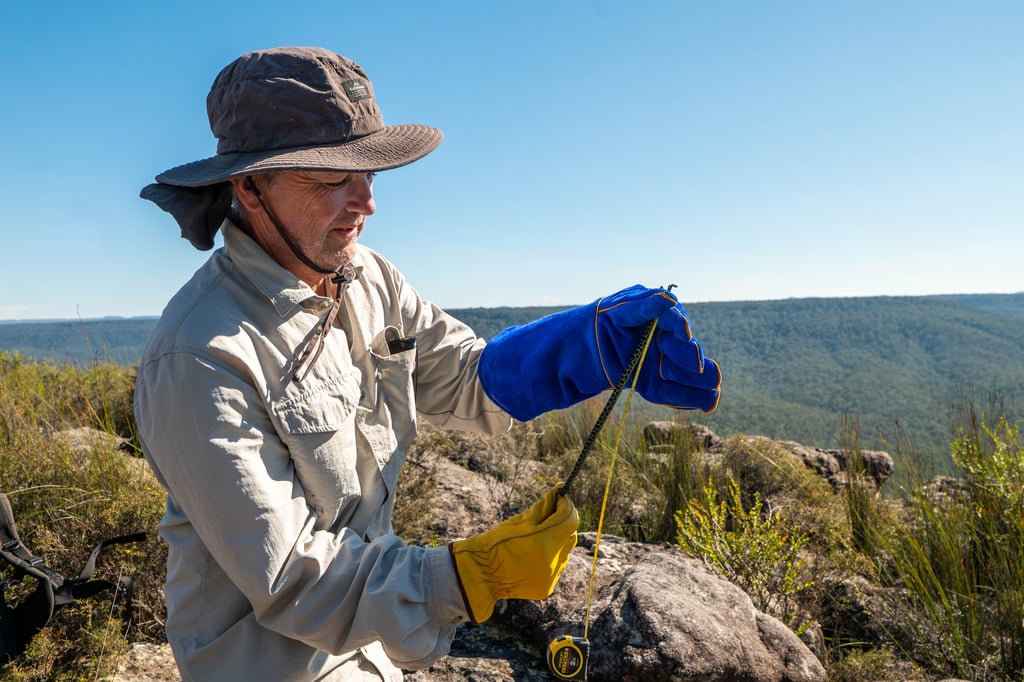
Studying the broad-headed snake over such a long period has allowed Professor Webb to not only better understand the reclusive reptile’s life cycle, but also to tease apart the effects of fluctuations in rainfall, and droughts and fires, on population numbers.
The species has a slow life cycle compared to other snakes, such as the fast-growing brown snake or red-bellied black snake. It can take five years for broad-headed snakes to reach adulthood, and females only reproduce every two or three years. In the wild, adults can live for up to 23 years.
This slow life cycle means even small population losses can take decades to recover. Natural disasters such as bushfires and drought, as well as habitat destruction due to the removal of bush-rocks for landscaping, has led to a dramatic decline in numbers.
We need a permit system that requires people selling bush-rocks to prove they haven’t taken rocks from areas where threatened species live.
“The removal of bush rocks from rock outcrops means juvenile broad-headed snakes don't have shelter or food, because they only eat other small, rock dwelling lizards such as geckos and skinks,” said Professor Webb.
“In 1999, the NSW government officially recognised bush-rock removal as a Key Threatening Process because it harmed native reptiles, plants and mammals, but the rules need to be enforced. We need a permit system that requires the people selling bush-rocks to prove that they haven’t taken rocks from areas where threatened species live.
“You can still buy rocks and boulders taken from the bush at your local landscape supplier, which is something I find really frustrating. Feature boulders can sell for $450 each. That’s a pretty strong incentive for people to remove rocks from the bush.”
Professor Webb’s monitoring revealed that the broad-headed snake population declined during the 2017–19 drought. The 2020 bushfires dealt another blow, with little breeding recorded for the following three years, contributing to a decline of around 64 per cent by 2023.
So far, eight broad-headed snakes have been bred in captivity through the Aussie Ark program, which started in October 2024. Two were retained because of their valuable genetics, with six released into habitat restoration sites in mid-May 2026.
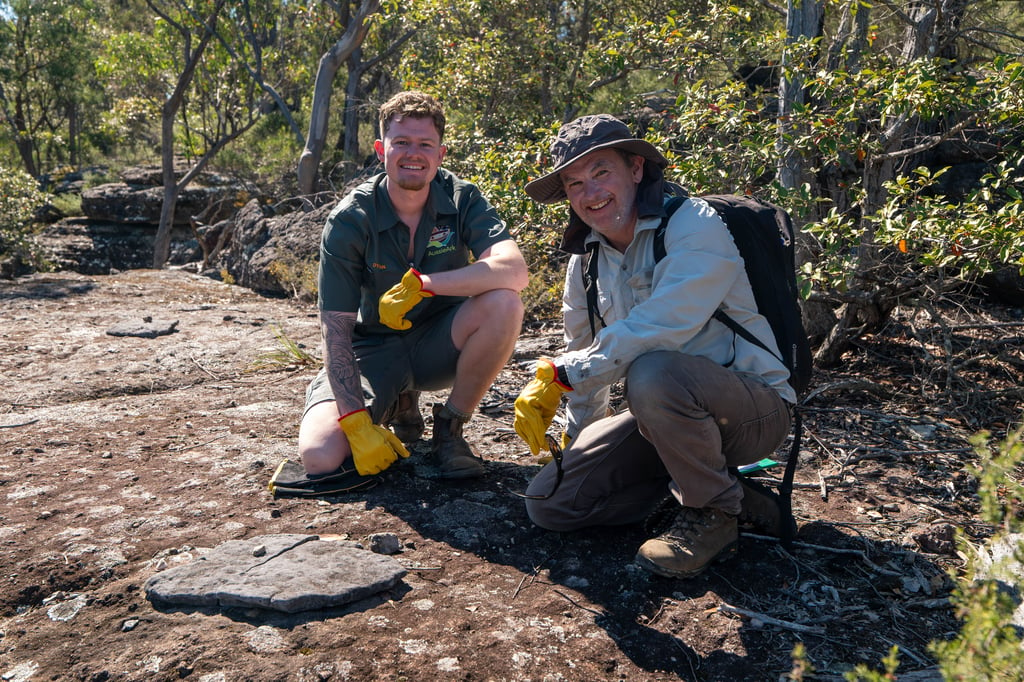
The juveniles were released beneath specially designed artificial rocks, developed by Dr Benjamin Croak, who completed his PhD at UTS under Professor Webb’s supervision. The rocks have the right crevice size and mimic the thermal properties of natural rocks.
“The artificial rocks have been critical to the survival of the juvenile snakes. Broad-headed snakes are nocturnal so they shelter under these rocks during the day and rely on them for warmth, protection and to attract prey,” said Professor Webb.
The reintroduction program also includes training and support for Indigenous rangers to help monitor and protect the species On Country. Professor Webb and the team have conducted fortnightly surveys to monitor survivorship.
When the snakes were first released, Indigenous Ranger Ashley Thomas said the project meant far more than conservation alone.
“I love it, it’s not a job for me, it’s a passion of mine. It’s about all of us coming together to do what’s best for Country. Healing Country,” Mr Thomas said.
Traditional Owner Frank Connolly Jr. said the program is helping connect younger generations with culture and Country.
“The broad-headed snake is important to our culture. It’s great for our young people growing up to learn all of this, to keep it going for the next generation coming through,” Uncle Frank said.
Aussie Ark Founder Tim Faulkner said the release of the juvenile snakes into the wild was a proud and emotional moment for everyone involved.
“We have worked for many years, navigating so much red tape, to get to this moment. We now have a unique, multi-faceted, holistic program that’s a model for threatened species conservation Australia-wide, and I couldn’t be prouder of our team and our partners,” Mr Faulkner said.
Professor Webb said the focus over the next few years would be on restoring habitat and releasing more captive-bred snakes at selected sites, building on the success of the initial trial.
“It’s exciting to go out there and see how the snakes are doing. I feel like a kid again. Hopefully, we’ll see these populations stop declining and start increasing again.”
If you would like to support Aussie Ark’s work to protect the broad-headed snake you can donate via their website.
UTS Academic
Professor, Faculty of Science
News by topic
News
UTS graduates outperform nationally in landing – and keeping – full-time work
Employment rates have climbed for three years running, with law and nursing graduates reaching 100 per cent for employment outcomes.

News
New lab opens a door to the future of intelligent wireless technology
Wireless technology is moving beyond simple connectivity and a new research facility at the University of Technology Sydney is a platform to explore the...

News
Kurt Cheng appointed to UTS Council
NSW Minister for Skills, TAFE and Tertiary Education, Steve Whan has appointed UTS alumnus Kurt Cheng to the university’s Council.
News
Climate change is killing the plants of Uluṟu‑Kata Tjuṯa. Aṉangu traditional owners are concerned
Extreme temperatures combined with withering drought mean plants and animals on Aṉangu land are struggling to bounce back.
News
UTS graduates outperform nationally in landing – and keeping – full-time work
Employment rates have climbed for three years running, with law and nursing graduates reaching 100 per cent for employment outcomes.
News
New lab opens a door to the future of intelligent wireless technology
Wireless technology is moving beyond simple connectivity and a new research facility at the University of Technology Sydney is a platform to explore the...
News
Kurt Cheng appointed to UTS Council
NSW Minister for Skills, TAFE and Tertiary Education, Steve Whan has appointed UTS alumnus Kurt Cheng to the university’s Council.
News
Climate change is killing the plants of Uluṟu‑Kata Tjuṯa. Aṉangu traditional owners are concerned
Extreme temperatures combined with withering drought mean plants and animals on Aṉangu land are struggling to bounce back.