


- Posted on 15 Oct 2026
A Trump-led post-neoliberal world order, dominated by four or five powerful nations, could dismantle decades of international cooperation in favour of nationalism, military dominance and conservative values, a leading historian has warned.
Paul Mellon Professor of American History Emeritus at the University of Cambridge, Gary Gerstle, examined the economic and political implications of the end of the neoliberal order at the UTS Democracy Forum, presented by the Ultimo Institute.
“Trump is seeking to organise a world dominated by four or five regional hegemons, each supreme in its own sphere of influence,” said Professor Gerstle, a leading scholar of modern American political history and author of the acclaimed book ‘The Rise and Fall of the Neoliberal Order: America and the World in the Free Market Era’.
“The first duty of those who wish to oppose this world making is to understand what we are up against. Once we understand what we are up against, resistance can take flight,” he said.
Professor Gerstle argued that Trump’s vision represents a fundamental break with the neoliberal world order that emerged in the 1970s and 1980s, built on free trade, international institutions and the movement of people and capital across borders.
“Neoliberals wanted to reduce or abolish government restrictions, not simply on the free flow of capital, but also on the free movement of goods as well,” he said.
According to Professor Gerstle the global financial crisis exposed the neoliberal system’s shortcomings, including widening inequality, the loss of manufacturing jobs in wealthy countries and economic recovery measures that favoured the rich.
“The global economy by 2008 had come to rest on a veritable credit house of cards. It came crashing down in 2008 and 2009, in the process exposing some unpleasant truths that enthusiasm for the neoliberal order had long pushed to the margins.”
The resulting public anger fuelled populist movements on both the left and right, creating an opening for Trump and other nationalist leaders, he said.
Trump’s emerging world order rests on three pillars, Professor Gerstle argued: US dominance over the Western Hemisphere, a global system divided among regional powers, and a drive to promote what his administration regards as traditional Western values.
The first duty of those who wish to oppose this world making is to understand what we are up against.
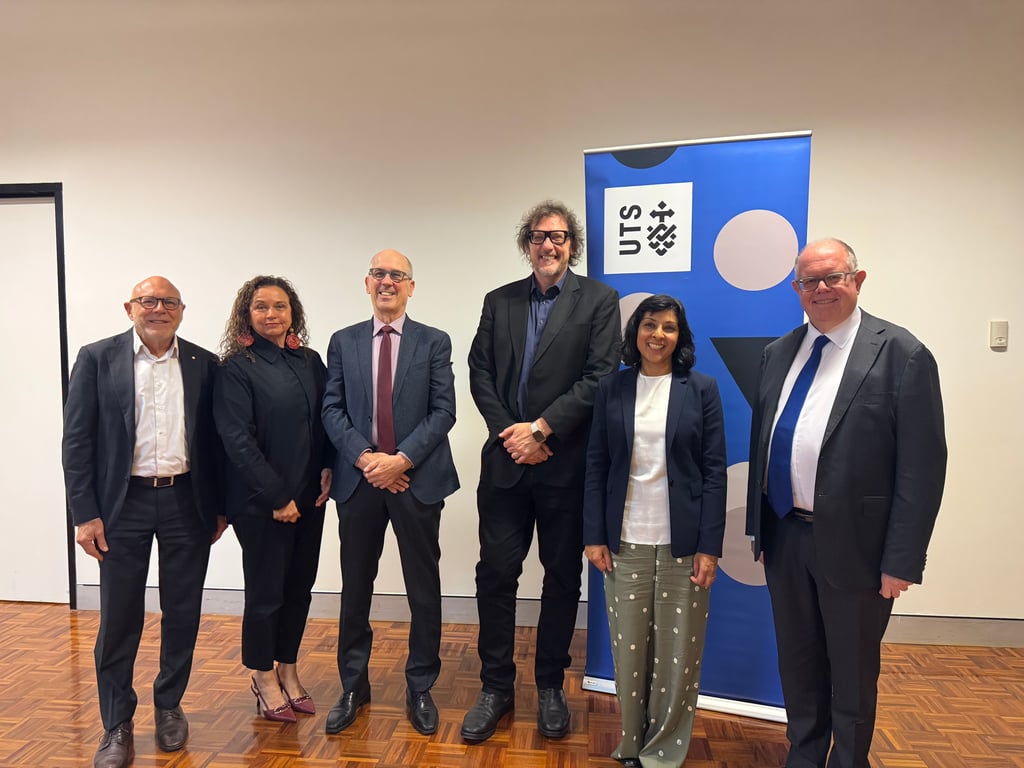
The lecture was followed by a panel discussion with UTS Pro-Vice-Chancellor (Indigenous Leadership and Engagement) Professor Robynne Quiggin, Dr Aruna Sathanapally, CEO of the Grattan Institute and UTS Professor of Business and Society Carl Rhodes.
The panel, moderated by UTS Emeritus Professor Roy Green, explored how neoliberalism and global economic shifts have affected Australia, noting that while Australia has escaped some negative impacts, stagnant wages, housing costs and populist politics remain concerns.
Professor Quiggin emphasised how colonisation, ongoing economic exclusion, and denial of Indigenous history leave Australia vulnerable. She highlighted how the Indigenous people of the Arctic circle, the Inuit and the Sami, also face displacement and danger from resource-driven “world making”.
Professor Green highlighted the precarious nature of Australia’s resource-dependent economy. He warned that if demand for iron ore and coal falls, exports and the dollar could decline, undermining living standards and increasing populist pressures.
“The burning platform is if China decided to source its iron ore from West Africa, which it is now doing, with the help of a company called Rio… If that happens, we've lost 25% of our export mix,” he said.
The panel urged stronger democratic institutions and a fairer, more inclusive economy, while considering whether Australia and other middle powers such as Canada can help advance a democratic alternative amid global instability and climate change.
UTS academics:
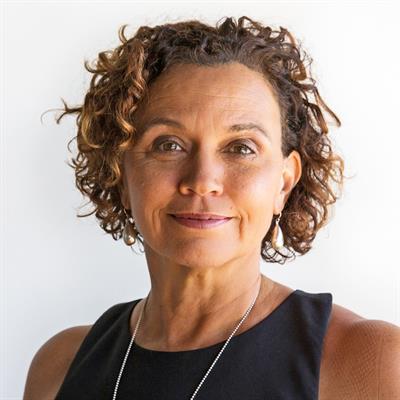
Pro-Vice-Chancellor (Indigenous Leadership And Engagement), Deputy Vice-Chancellor (Education and Students)
Special Innovation Adviser, Vice Chancellor & President
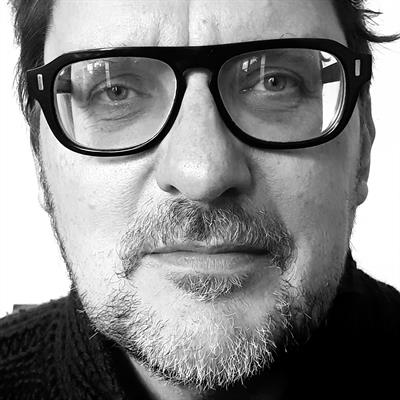
Professor, Business School
News
Australia-China Weekly Brief: October 2026 issues
The Australia-China Weekly Brief by the Australia-China Relations Institute at the University of Technology Sydney (UTS:ACRI) tracks key developments in...

News
National First Nations College update
UTS has been working towards building a National First Nations College, an Indigenous-designed, culturally responsive residential community where students can...

News
Beyond Hormuz: US-China energy competition and what it means for Australia
The disruption to global energy markets caused by the conflict around the Strait of Hormuz has highlighted vulnerabilities that extend well beyond the...
News
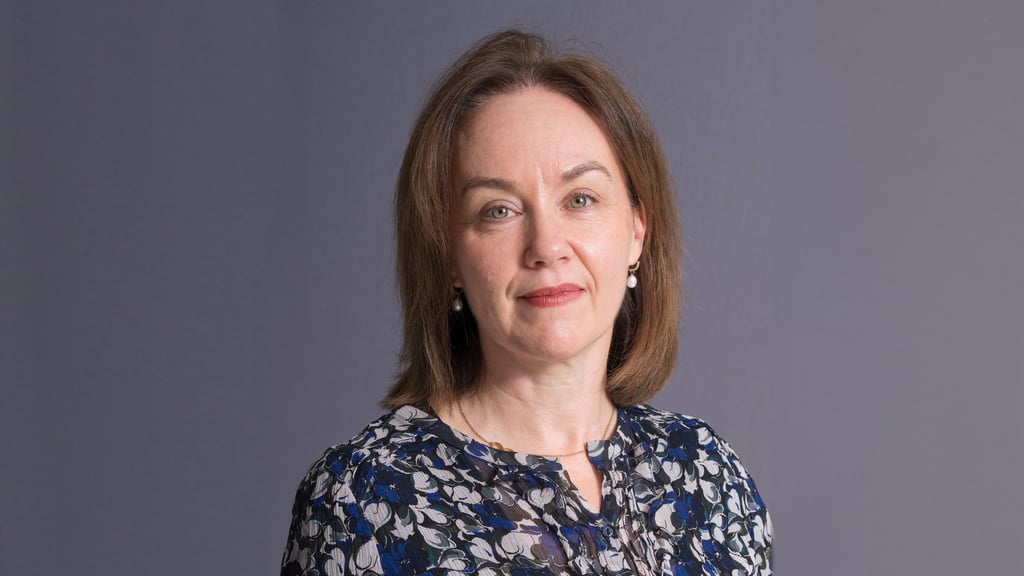
Professor Catherine Kelly appointed Dean of Law
UTS is delighted to welcome Professor Catherine Kelly as our new Dean of the Faculty of Law.
News
Australia-China Weekly Brief: October 2026 issues
The Australia-China Weekly Brief by the Australia-China Relations Institute at the University of Technology Sydney (UTS:ACRI) tracks key developments in...
News
National First Nations College update
UTS has been working towards building a National First Nations College, an Indigenous-designed, culturally responsive residential community where students can...
News
Beyond Hormuz: US-China energy competition and what it means for Australia
The disruption to global energy markets caused by the conflict around the Strait of Hormuz has highlighted vulnerabilities that extend well beyond the...
News
Professor Catherine Kelly appointed Dean of Law
UTS is delighted to welcome Professor Catherine Kelly as our new Dean of the Faculty of Law.