


- Posted on 28 Oct 2026
- 3-minute read
UTS marine biochemist Dr Jen Matthews recognised in global program for her research exploring how nutrition can help coral reefs survive a changing ocean.
Dr Matthews from the UTS Climate Change Cluster awarded a L’Oreal-UNESCO For Women in Science Fellowship.
Beneath the beautiful colours and diversity of a coral reef lies a network of chemical exchanges that helps sustain the entire ecosystem.
Understanding those exchanges, and what happens when they break down, is at the heart of Dr Jen Matthews’ research.
A marine biochemist and Deputy Lead of the Future Reefs Program in the UTS Climate Change Cluster, Dr Matthews studies how corals, microalgae and microbes exchange nutrients, and how these relationships change under environmental stress.
Her work connects fundamental discoveries about coral biology with practical ways to predict stress, protect surviving reefs and improve restoration.
“Chemistry helps us understand what corals need, how they respond to their environment and why some survive conditions that others cannot,” Dr Matthews said.
“By understanding those processes, we can identify opportunities to support coral health and recovery.”
Dr Matthews is one of five scientists recognised across Australia and New Zealand in the 20th year of the L’Oréal-UNESCO For Women in Science Fellowship program.
Championing women in STEMM, the program recognises a new generation of women whose groundbreaking research is helping address the most pressing challenges of our time.
I hope young people, including my daughters, can see that science is somewhere they belong - and that their ideas can help shape the future.
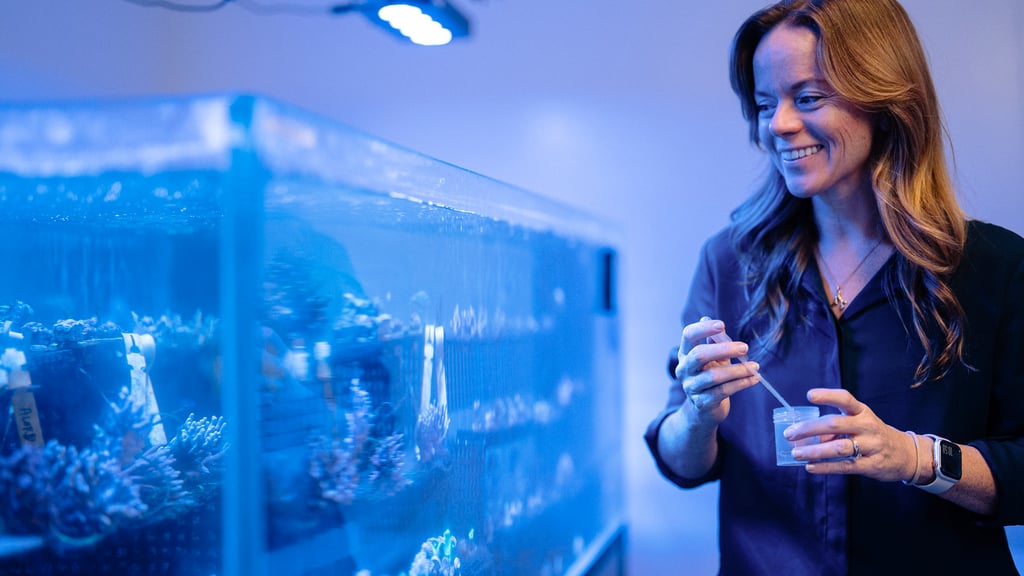
Dr Matthews' research has helped reveal how disruption to coral metabolism and nutrient exchange contributes to bleaching, advancing understanding of the biological processes connecting environmental stress with coral decline.
It has also delivered practical innovations, including a nutrient-rich “baby food” for young corals.
While pregnant with her first daughter, Cora, Dr Matthews began considering whether coral babies, like human babies, could benefit from better nutrition during their most vulnerable stages.
That perspective helped inspire a new application of her established research into coral nutrition.
The resulting supplement has been shown to double survival through early life stages, including under heat stress, and is being developed with partners for use in reef restoration.
“As any parent knows, producing babies is just the beginning – then comes the challenge of keeping them fed and helping them thrive,” Dr Matthews said.
“It’s much the same for baby corals. Giving them the right nutrients could help more survive those vulnerable early stages and give reef restoration a stronger start.”
Dr Matthews also leads the collaborative Sydney Coral Project, investigating the distribution, health and environmental tolerances of corals living in Sydney’s temperate waters.
The program is examining how local conditions influence their persistence as marine ecosystems change.
For Dr Matthews, a mother of two young daughters, the work carries a strong personal motivation.
“I want my daughters to grow up in a world where thriving coral reefs are something they can experience for themselves,” she said.
“Decisive action on climate change is essential to the future of coral reefs.
"Alongside that, we urgently need to deepen our understanding of coral biology and turn those discoveries into practical ways to protect and restore reefs,” Dr Matthews said.
The fellowship also offers an opportunity to make women’s contributions to science more visible.
“I hope young people, including my daughters, can see that science is somewhere they belong - and that their ideas can help shape the future.”
Dr Matthews’ previous recognition includes a number of major awards including a NSW Premier’s Prize for Science and Engineering and a Young Tall Poppy Science Award.
She has also been a finalist in the Australian Museum Eureka Prizes and the NSW Australian of the Year awards.
Researcher

Postdoctoral Research Associate, Faculty of Science
News
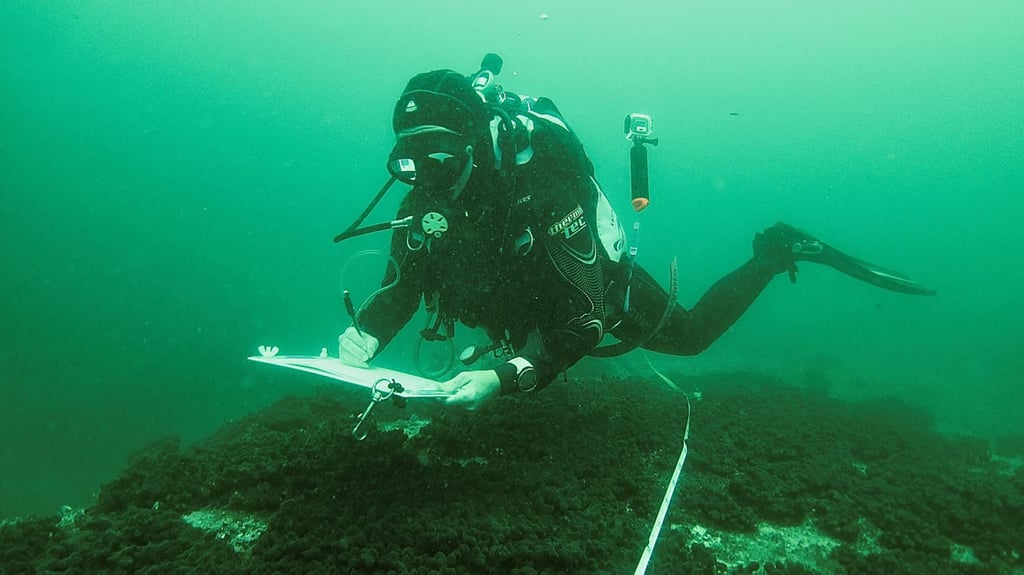
Coral’s harbourside move spawns premier award win
Research tracing the unexpected spread of subtropical coral species in the temperate waters around Sydney is celebrated with a NSW Premier's Prize.

News
UTS scientists at the double for national prizes
A marine biochemist and team of forensic scientists have been named finalists from UTS in the 2026 Australian Museum Eureka Prizes, the nation’s highest...
News
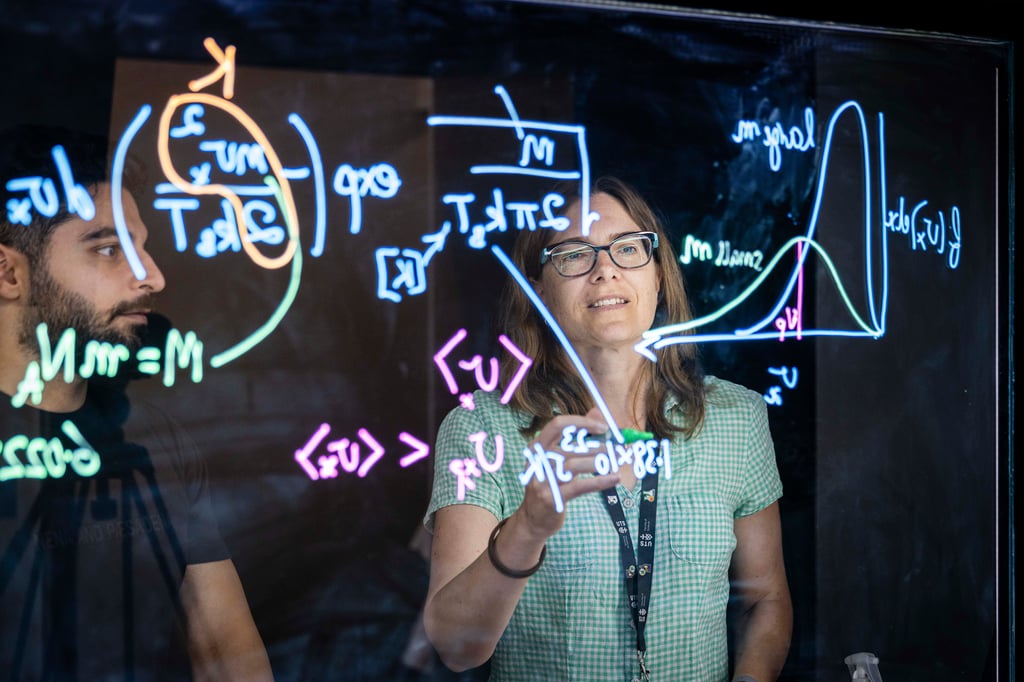
From Emu Plains to UTS: Greg Curry’s legacy opens doors for future students
A gift and new memorial scholarship program will help Western Sydney public school students study maths and physics at UTS.
News
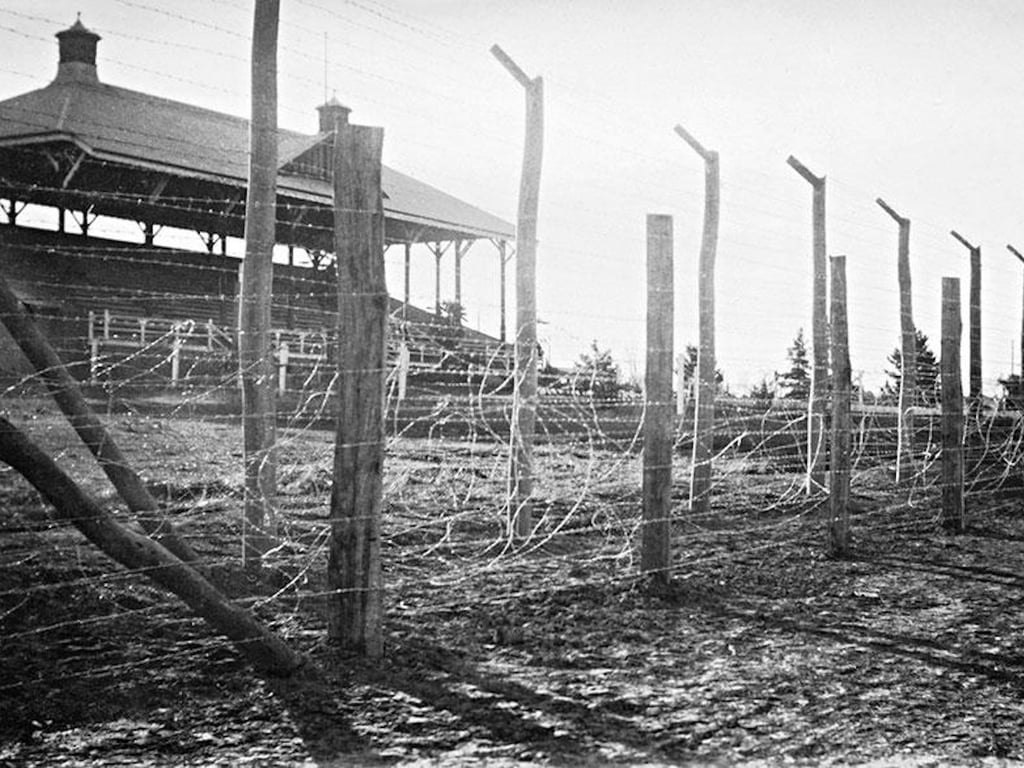
Interned as ‘enemy aliens’ in Australia, these WWII refugees built their own universities
A longer history of refugee-run schools and universities reveals the importance of scholarly camaraderie.
News
Coral’s harbourside move spawns premier award win
Research tracing the unexpected spread of subtropical coral species in the temperate waters around Sydney is celebrated with a NSW Premier's Prize.
News
UTS scientists at the double for national prizes
A marine biochemist and team of forensic scientists have been named finalists from UTS in the 2026 Australian Museum Eureka Prizes, the nation’s highest...
News
From Emu Plains to UTS: Greg Curry’s legacy opens doors for future students
A gift and new memorial scholarship program will help Western Sydney public school students study maths and physics at UTS.
News
Interned as ‘enemy aliens’ in Australia, these WWII refugees built their own universities
A longer history of refugee-run schools and universities reveals the importance of scholarly camaraderie.