


- Posted on 3 Sep 2026
- 3-minute read
New $3 million health research centres will advance how new medical therapies and technologies are evaluated in a rapidly changing world, and how holistic approaches can improve the lives of people living with cancer.
UTS health experts will play key roles in bringing two new research centres to life, with both winning $3 million over five years in NHMRC Centres of Research Excellence funding.
Evaluating the benefits and costs of new health technologies
The Australian Network of Health Technologies Assessment Methods (ANTHEM) will explore how governments can better evaluate pharmaceuticals, medical devices, biotechnologies and digital health technologies for their effectiveness, benefits and value for money in the age of AI and personalised medicine.
“With this new research network, we're looking at what's changed in the world of health technologies assessment, and how can we improve our methods to adapt,” said Professor Stephen Goodall, ANTHEM Director and Deputy Director of the UTS Centre for Health Economics, Research and Evaluation.
“Australia was one of the first countries to introduce a robust process of health technology assessment in the 1990s, especially through the Pharmaceutical Benefits Scheme.”
“Their assessments worked well when we had cheap drugs that could treat huge populations, drawing on clinical trial data from thousands of people.”
“But we’re now in the era of personalised medicine, where treatments and increasingly targeted to individual patients. The populations and data are much smaller, but the costs of treatments are often very high.”
ANTHEM will focus on four research streams:
- Faster access – examining ways to make the process for assessing new technologies and therapies faster and more efficiently
- Fairer access – exploring issues around equity and ensuring all Australians including First Nations people have access to the treatments they need
- Transparency and patient involvement – ensuring patients, their families and carers are placed at the centre of decision making
- Innovation and future-ready processes – exploring new ways to assess treatments including the use of AI and innovative commercial agreements
“With new technologies coming through all the time, it’s hard to predict what healthcare will look like in 10 years,” Professor Goodall said.
We need to stay on the front foot and keep adapting to change so Australia remains a world leader in delivering innovation in evidence-based healthcare.
Supporting cancer survivors with holistic care
The Maximising the System’s Potential to Optimise Living Well with Cancer (MAXIMISE) initiative will improve the lives of cancer survivors by exploring ways to bring together the fragmented medical, health, and community care network.
“More than 1.6 million Australians have survived or are living with cancer. While advances in detection and treatment mean it can now be considered a chronic disease, our approaches to care have not caught up,” said Professor Nicolas Hart from the UTS Human Performance Research Centre.
“Too often, systems of cancer care are focussed primarily on oncology and treatment, neglecting to ask the important questions about what a cancer survivor needs to live healthier, better, and more fulfilling lives.”
“We’re looking to drive system change in Australia to improve outcomes for cancer survivors by maximising whole-of-system support and address gaps in providing care that is works for the individual and their needs.”
“Cancer survivors are falling through the cracks of a fragmented health system. Our inter-disciplinary team will develop whole-of-system approaches to improve people’s lives,” he said.
Cancer survivors are falling through the cracks of a fragmented health system. Our inter-disciplinary team will develop whole-of-system approaches to improve people’s lives.
More information
UTS researchers
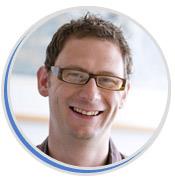
Professor, Faculty of Health
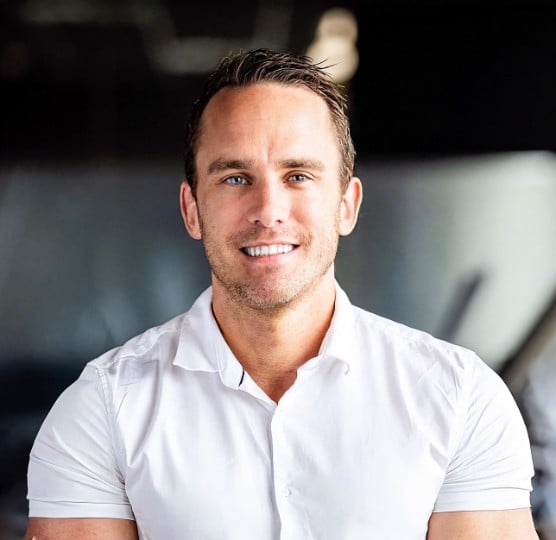
Professor, Faculty of Health
Professor, Faculty of Health
News by topic
News
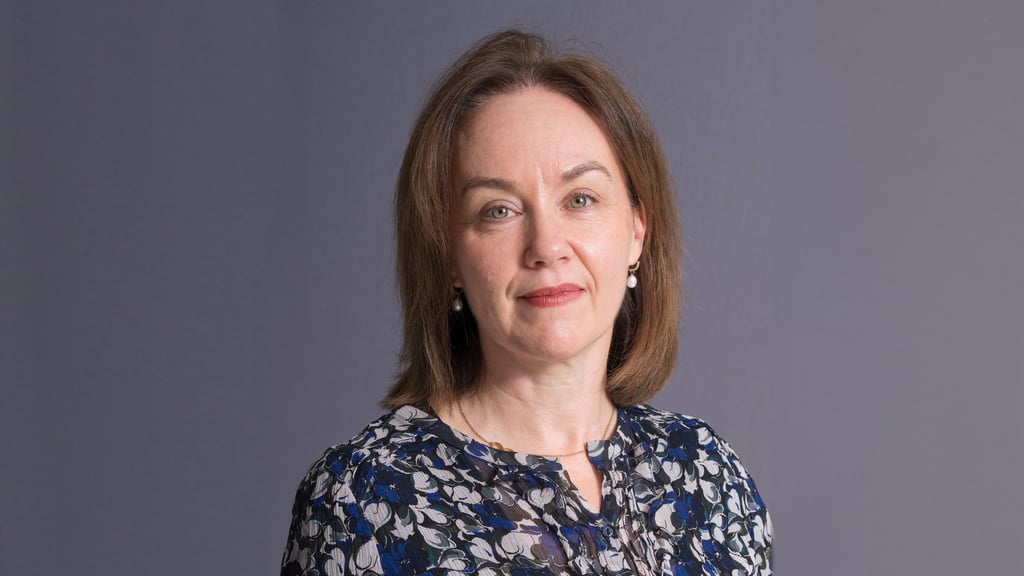
Professor Catherine Kelly appointed Dean of Law
UTS is delighted to welcome Professor Catherine Kelly as our new Dean of the Faculty of Law.
News
AI improves long-term flood forecasting
Through the power of advanced artificial intelligence, UTS research could help communities get warnings weeks ahead of floods.

News
What can free‑living Indian street dogs teach us about how to care for pet dogs?
A study of how Indian street dogs live raises questions about what it means to care for pet dogs.

News
La Bola Negra is about the Spanish Civil War – but is unmistakably about our present moment
Set across 1932, 1937 and 2017, new Spanish film La Bola Negra follows three gay men whose lives become connected across generations.
News
Professor Catherine Kelly appointed Dean of Law
UTS is delighted to welcome Professor Catherine Kelly as our new Dean of the Faculty of Law.
News
AI improves long-term flood forecasting
Through the power of advanced artificial intelligence, UTS research could help communities get warnings weeks ahead of floods.
News
What can free‑living Indian street dogs teach us about how to care for pet dogs?
A study of how Indian street dogs live raises questions about what it means to care for pet dogs.
News
La Bola Negra is about the Spanish Civil War – but is unmistakably about our present moment
Set across 1932, 1937 and 2017, new Spanish film La Bola Negra follows three gay men whose lives become connected across generations.