


- Posted on 17 Sep 2026
- 3-minute read
UTS joins TGA Academic Outreach Program, strengthening connections between academic expertise and therapeutic goods regulatory practice.
The University of Technology Sydney (UTS) has signed a Memorandum of Understanding (MoU) with Australia's Therapeutic Goods Administration (TGA), establishing a strategic partnership focused on regulatory science, health innovation, education and research. The agreement brings UTS into the TGA’s Academic Outreach Program, an initiative that strengthens engagement between the regulator and Australian universities and builds greater awareness and understanding of regulatory science.
The program provides a framework for engagement between UTS's multidisciplinary expertise across health, science, engineering and technology and the TGA's regulatory leadership in medicines, medical devices and biological products.
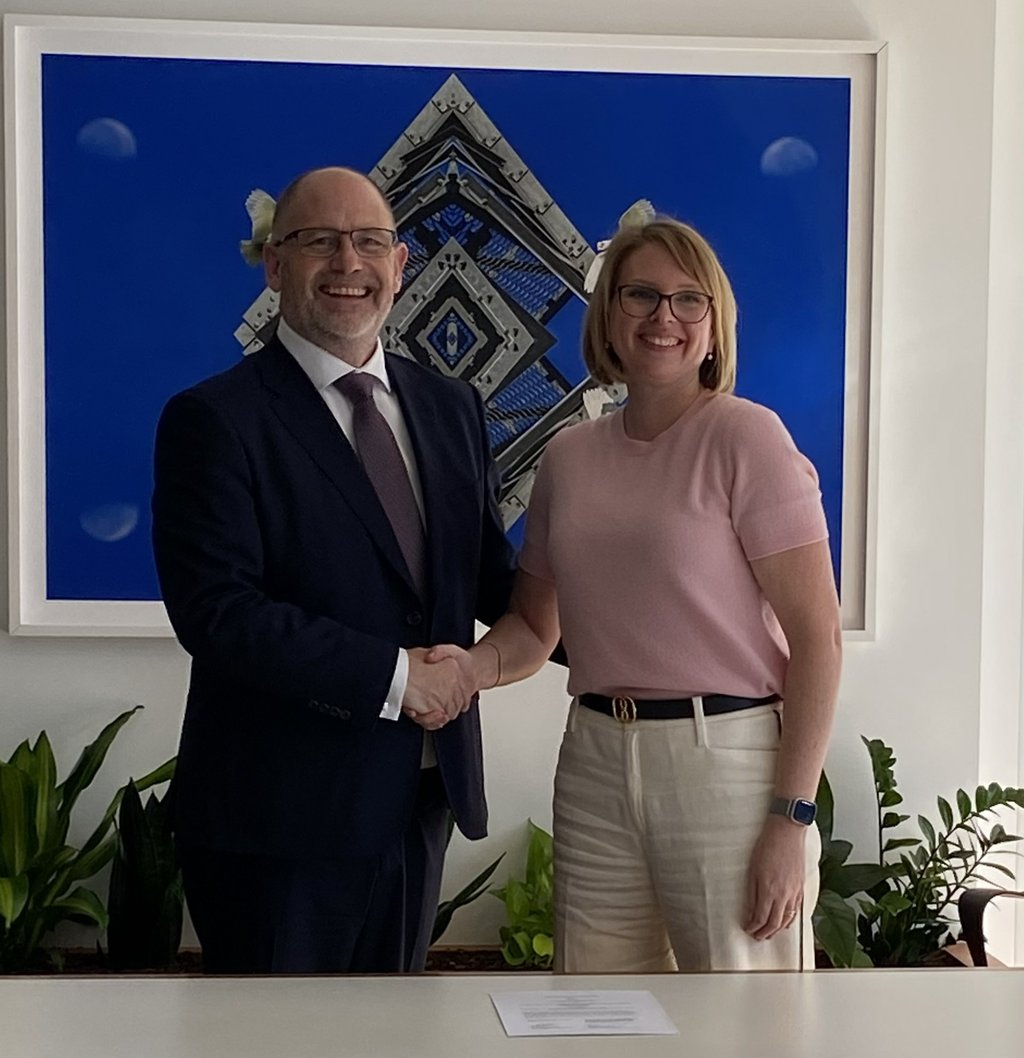
This agreement opens the door to greater dialogue and knowledge exchange on the emerging technologies and regulatory science challenges shaping the future of healthcare.
UTS's participation in the Academic Outreach Program reflects a shared goal of strengthening regulatory science capability and connecting research, education and public policy. The Academic Outreach Program is structured around three pillars: education and knowledge exchange, student development and workforce pathways, and research and strategic collaboration.
Education and knowledge exchange
Dr Alana Piper, Deputy Vice-Chancellor (External Engagement and Partnerships) at UTS, said the agreement recognised the value of bringing academic and regulatory perspectives together.
“UTS brings expertise across health, science, engineering and technology, while the TGA brings a deep understanding of Australia’s therapeutic goods regulatory environment,” Dr Piper said.
“This agreement opens the door to greater dialogue and knowledge exchange on the emerging technologies and regulatory science challenges shaping the future of healthcare.”
The partnership will support educational engagement between UTS and the TGA, including guest lectures, webinars and other activities that raise awareness of regulatory science and therapeutic goods regulation.
These activities will help students, researchers and educators better understand the regulatory frameworks that underpin the safety, quality, efficacy and performance of therapeutic goods.
Student development and workforce pathways
Through the Academic Outreach Program, the partnership will provide opportunities to increase student awareness of regulatory science and the diverse career pathways available across the regulatory sector.
Educational engagement will also help connect students with real-world regulatory perspectives and build understanding of how regulatory science contributes to public health.
Research and strategic collaboration
For researchers, the collaboration provides a basis for UTS and the TGA to identify potential areas of shared interest in research and strategic collaboration.
Professor Anthony Lawler, Deputy Secretary of the Health Products Regulation Group and Head of the TGA said the Academic Outreach Program deepens engagement between regulators and universities at a time when regulatory science is becoming increasingly important to innovation, safety and public confidence.
"We are delighted to welcome UTS to the Academic Outreach Program. The program provides valuable opportunities to strengthen engagement, raise awareness and understanding, and encourage collaboration between the TGA and the academic sector," said Professor Lawler. "Regulatory science plays a critical role in supporting informed decision-making and helping regulators respond to an increasingly complex and rapidly evolving environment."
Dr Piper said the partnership aligns with UTS's commitment to delivering real-world impact through collaboration with industry, government and community partners.
“By combining UTS's research strengths, translational facilities and educational capability with the TGA's regulatory leadership, the two organisations aim to strengthen engagement between academic expertise and regulatory practice in ways that support innovation, workforce capability and contribute to improved health outcomes for Australians,” she said.
News by topic

News
What the Australian government’s apology to LGBTQ+ Defence personnel and veterans means
Current or former Defence personnel can now “apply to have historical homosexual convictions extinguished from their service records”.

News
AI gives rural doctors tools to tackle antibiotic resistance
Evaluation shows new decision support tool helps rural and remote doctors make better antibiotic prescribing decisions.

News
A new study finds that to counter misinformation online, we need to copy its style
Online wording matters, even when the information stays the same, new research finds.

News
The electric car myths Australians can’t shake
Electric cars are dangerous, bad for the environment and impossible to use in the outback. These are just some of the claims circulating among Australians...
News
What the Australian government’s apology to LGBTQ+ Defence personnel and veterans means
Current or former Defence personnel can now “apply to have historical homosexual convictions extinguished from their service records”.
News
AI gives rural doctors tools to tackle antibiotic resistance
Evaluation shows new decision support tool helps rural and remote doctors make better antibiotic prescribing decisions.
News
A new study finds that to counter misinformation online, we need to copy its style
Online wording matters, even when the information stays the same, new research finds.
News
The electric car myths Australians can’t shake
Electric cars are dangerous, bad for the environment and impossible to use in the outback. These are just some of the claims circulating among Australians...