


- Posted on 17 Nov 2026
- 5-minute read
The new UTS Telecom Research Institute will rebuild domestic expertise to research, test, protect and strengthen the networks Australians rely on every day, and prepare the next generation of engineers.
Key takeaways
- TRI has secured more than $24 million in external research funding;
- It brings together critical government and industry partners to collaborate on major research programs and facilities;
- 85 student interns and six PhD candidates engaged in national priority telecommunications research, around 55% of the interns are women;
- 15 UTS academics and around 15 PhD candidates to be engaged in its first three years;
- Home of the National Telecom Resilience Centre and its Controlled Test Facility, the only facility in Australia where Telstra, Optus and TPG Telecom test their networks together.
Minister for Communications and Minister for Sport the Hon Anika Wells MP, and Acting Vice-Chancellor Professor Kylie Readman launched the Telecom Research Institute (TRI) at the University of Technology Sydney (UTS) on Tuesday 17 November. TRI is home to the only facility in Australia where Telstra, Optus and TPG Telecom test their networks together, including Triple Zero, and combines research, testing and training to make sure Australia is prepared to understand, test and protect its networks.
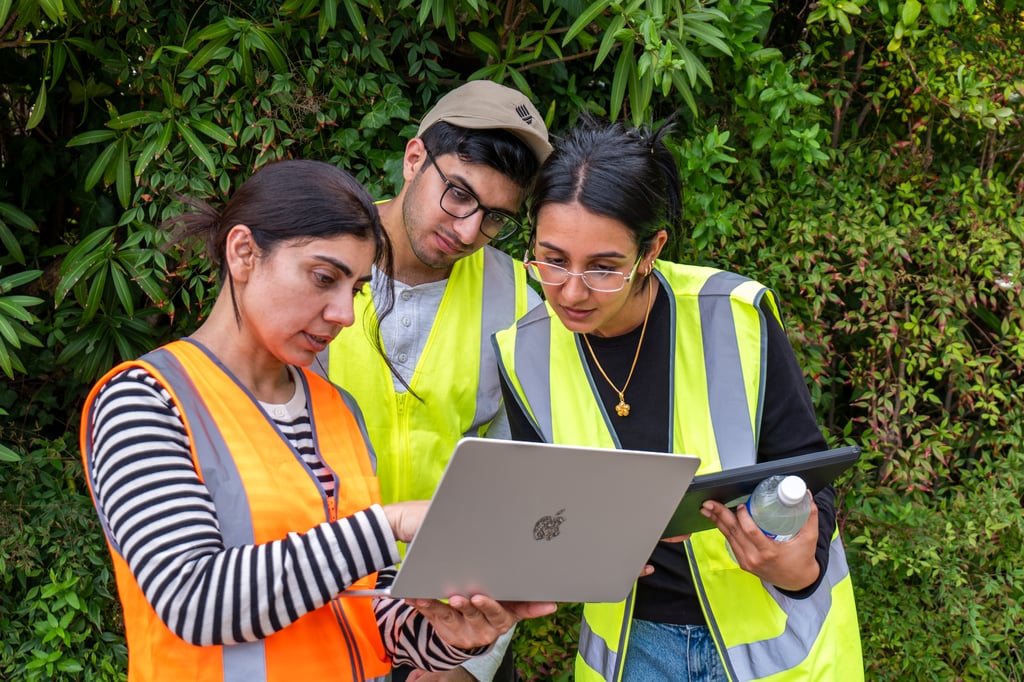
The institute builds on UTS’s Telecom Research Unit, which since 2023 has secured more than $24 million in external research funding through partnerships with Australia’s major network carriers and government. It has engaged 85 student interns and six PhD candidates in national priority telecommunications research. Around 55% of its interns have been women.
Minister Wells said: “Australians deserve access to reliable, high quality and affordable telecommunications services, supported by a strong regulatory and consumer safeguards framework.
“Research facilities like this are important in addressing the challenges the telco sector faces as well as developing the skills people need to make the sector better, which means customers get a better service.”
Telecommunications is critical national infrastructure, underpinning emergency services, healthcare, energy, transport, defence, finance and the digital economy. As networks become more complex and more essential, recent major outages have shown how much Australians depend on them working, especially in an emergency.
Government reviews, including the independent Bean Review into the November 2023 Optus outage, have recommended a comprehensive testing regime across networks and devices to ensure callers can reach Triple Zero.
Director of the Telecom Research Institute Professor Ray Owen said: “Keeping our networks reliable comes down to people: skilled engineers who understand these systems inside out. Telstra, Optus and TPG compete hard for customers, but when it comes to Triple Zero, they test side by side in our lab. At the Telecom Research Institute, we’re tackling real network challenges and giving the next generation of domestic Australian engineers the chance to work on them. Building that talent here is how we secure a stronger telecommunications future for Australia.”
Australians deserve access to reliable, high quality and affordable telecommunications services, supported by a strong regulatory and consumer safeguards framework.
At the heart of TRI are nationally significant research programs delivered in partnership with industry and government, tackling challenges including telecommunications resilience, emergency communications, regional connectivity and infrastructure security. A flagship capability within TRI is the National Telecom Resilience Centre and its Controlled Test Facility.
Developed by UTS and the Department of Infrastructure, Telstra, Optus and TPG, it enables research into network resilience and emergency calling across operators, helping safeguard access to Triple Zero by improving understanding of how networks, devices and fallback pathways perform during outages and other disruptions.
Deputy Vice-Chancellor and Vice-President (Academic) Professor Kylie Readman said: “TRI is exactly the kind of research UTS wants to be known for: industry-connected, focused on impact and addressing national priorities. No single organisation can solve these challenges alone, and TRI’s strength is the way it brings partners together.”