


- Posted on 18 Aug 2026
- 3-minute read
A survey of weedy seadragon populations using underwater drones takes the plunge at national marine conservation awards.
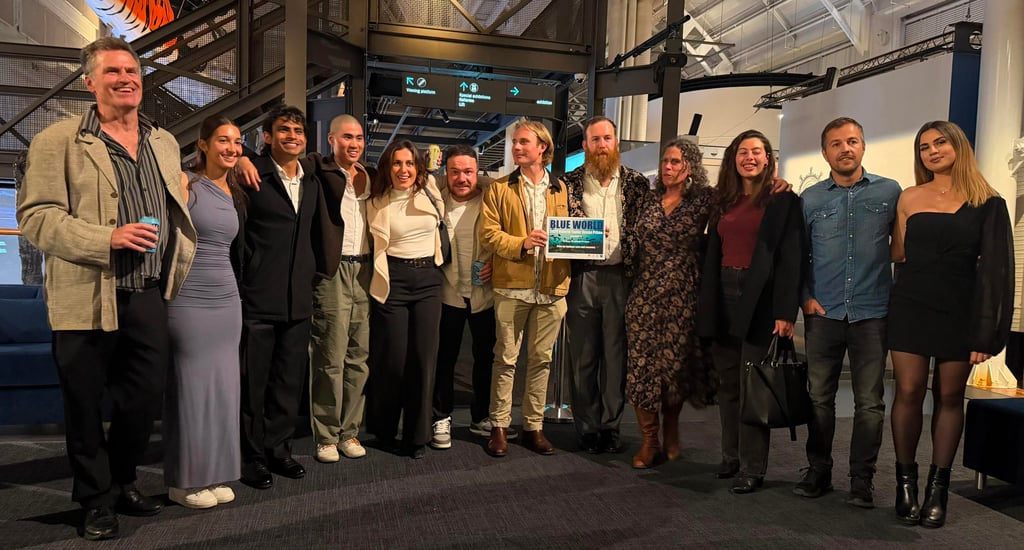
Three research projects from the UTS Fish Ecology Lab recognised with 2026 Valerie Taylor Ocean Prizes.
Named for the renowned Australian diver, filmmaker and conservationist, the Valerie Taylor Ocean Prizes support projects that make a direct impact on ocean health, protection and restoration, or activate communities for care of the ocean.
Three research projects from the UTS Fish Ecology Lab were recognised at a ceremony in Sydney for National Science Week:
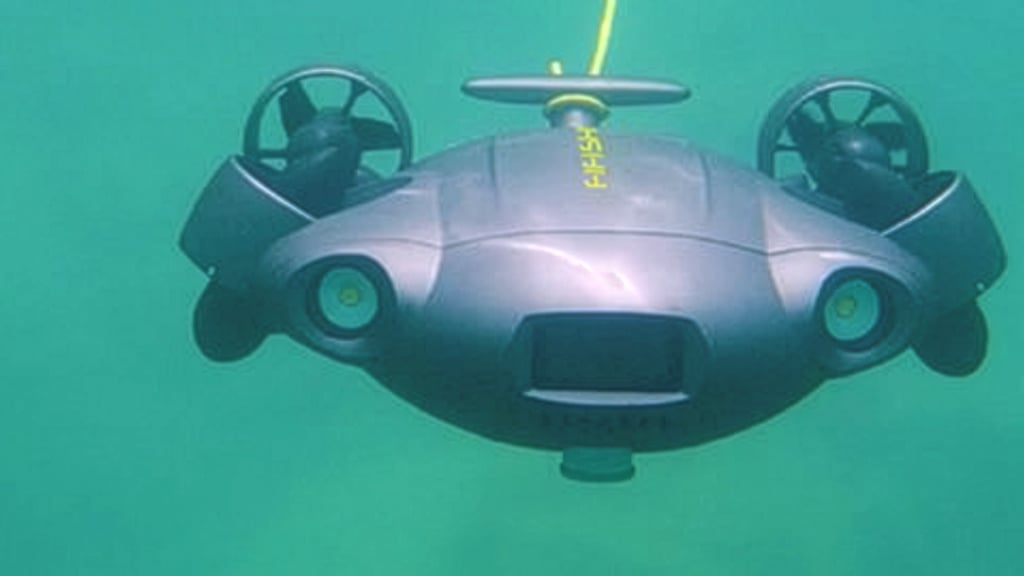
- Sydney seadragon census – a pilot study using underwater drones to survey populations of this iconic species at depths lower than 25 metres that are unsafe for divers.
- Seahorse recovery project – a restoration project for cauliflower soft coral in Sydney Harbour, a crucial habitat for the endangered white’s seahorse.
- Fishers for sanctuaries – a fisher-led education project building understanding of responsible fishing and habitat conservation.
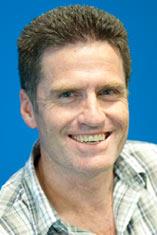
“These wins highlight the breadth and depth of our research that is helping the conversation efforts around iconic fish species and their habitats,” said Professor David Booth, Director of the UTS Fish Ecology Lab.
“They will help the team further efforts to explore whether deeper reefs are a refuge for the weedy seadragon against climate change, expand endangered soft coral planting and use digital tools to inform recreational fishers of best practices in marine conservation.”
Sydney seahorse census
Professor David Booth, Giglia Beretta, Kieran Chau and Belle Mullins
A survey of weedy seadragon populations in deeper waters around Sydney to explore how useful underwater drones are in locating, counting and documenting this iconic species in deeper waters. Underwater drones could be a safer and more effective way of tracking these populations in deeper reefs lower than 25 metres. A pilot study will compare drone detections to parallel diver counts in shallower waters off southern Sydney and if successful, will enable wider deployment. These surveys will directly link to more accurate population estimates for weedy seadragons and feed into conservation efforts.
Seahorse recovery project
Mitchell Brennan and Jillian Chambers
A project to reintroduce cauliflower soft coral at Middle Head and Camp Cove in Sydney Harbour, where historically recorded populations have been lost. This distinctive habitat-forming coral provides important structural complexity for marine life, including the endangered white’s seahorse. The team will undertake six SCUBA monitoring surveys between August 2026 and April 2027 to monitor coral survival, growth and condition. The findings will help assess the feasibility of expanding cauliflower soft coral restoration across Sydney Harbour.
Fishers for sanctuaries
Dr Alex Rigg and Will Knoke
A fisher-led education project that translates marine science into practical resources showing how responsible fishing, healthy habitats and well-designed sanctuary areas can support resilient fisheries.
Research lead
Professor, Faculty of Science
News by topic
News
Australia leads the world in stuttering research, now digital innovation is reshaping stuttering care
The Australian Stuttering Research Centre at UTS marks 30 years of world-leading research.
News
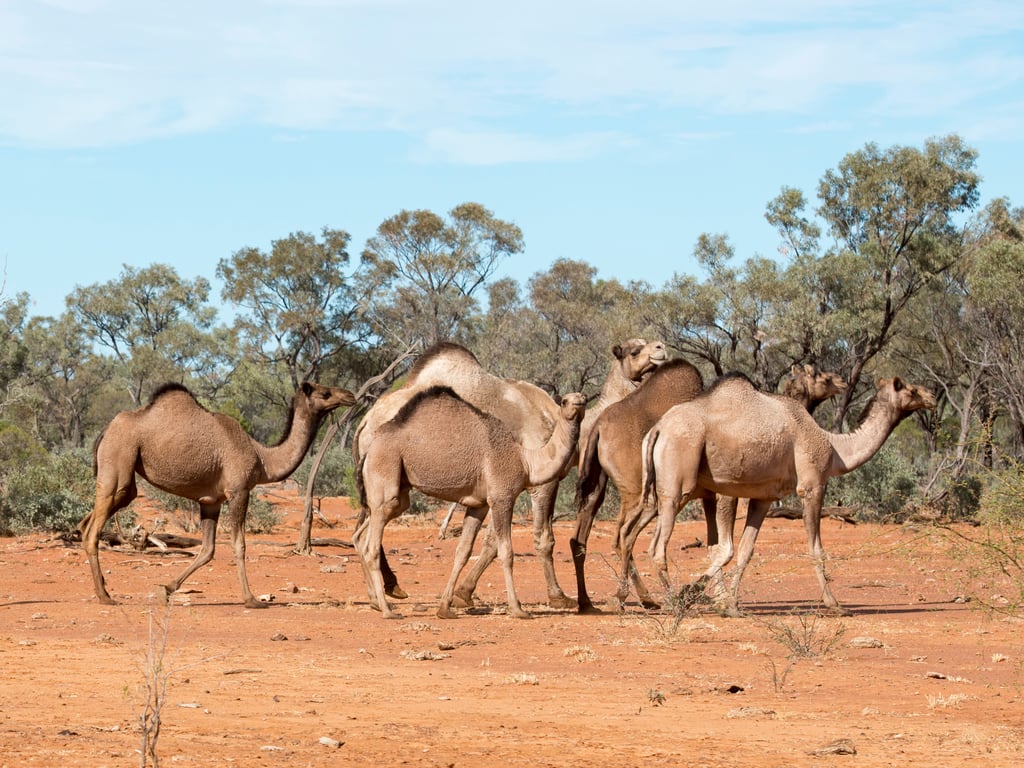
Feral – and threatened? Endangered camels, banteng and hog deer have found an unexpected refuge in Australia
Wild dromedary herds no longer roam the Sahara, while wild banteng are vanishingly rare in Southeast Asia. Should we protect their feral populations in...

News
New report calls for federal reform to address harmful worker surveillance
The Australian Government must urgently address the threat to workers from new forms of AI-powered surveillance, according to a report released today by the...
News
UTS response to NSO report
A statement from The University of Technology Sydney in response to findings of the National Student Ombudsman.
News
Australia leads the world in stuttering research, now digital innovation is reshaping stuttering care
The Australian Stuttering Research Centre at UTS marks 30 years of world-leading research.
News
Feral – and threatened? Endangered camels, banteng and hog deer have found an unexpected refuge in Australia
Wild dromedary herds no longer roam the Sahara, while wild banteng are vanishingly rare in Southeast Asia. Should we protect their feral populations in...
News
New report calls for federal reform to address harmful worker surveillance
The Australian Government must urgently address the threat to workers from new forms of AI-powered surveillance, according to a report released today by the...
News
UTS response to NSO report
A statement from The University of Technology Sydney in response to findings of the National Student Ombudsman.