


- Posted on 18 Aug 2026
The UNICEF-ISF partnership leverages the latest thinking on water, sanitation and hygiene (WASH) services to expand clean water and sanitation services .
Since 2022, the UTS Institute for Sustainable Futures (ISF) and UNICEF have worked closely together to advance sustainable WASH services in Asia and the Pacific.
This collaboration spans a wide range of projects: mapping groundwater in Solomon Islands and Vanuatu to identify viable drinking water sources, analysing WASH financial flows in East Asia to check alignment of investments with needs, and designing climate-resilient sanitation technologies in Afghanistan are just a few examples.
Partnering for impact
The UNICEF-ISF partnership works on multiple levels. ISF brings research from diverse fields to address systemic issues of inequalities in access and sustainability of services. UNICEF mobilises political will and material resources to support countries form appropriate policies and deliver WASH services for children and their families in homes and institutions, including schools and health care facilities.
Together, UNICEF and ISF join their respective strengths to create purposeful, evidence-based change towards safely managed, climate resilient service delivery.
Together, UNICEF and ISF bridge research and practice to improve WASH services for every child.
How it works
The partnership leverages UNICEF’s close government relationships and engagement with communities throughout the Asia-Pacific region and beyond. First, ISF research staff and UNICEF country staff team up to identify pressing systemic WASH issues in each country. Then, they consider how applied research, knowledge exchange and wider partnerships can inform the necessary change.
Real-world progress
The partnership has resulted in many meaningful outcomes, including:
- The launch of guidance on monitoring the contributions of WASH to community resilience at COP 30, connecting WASH to broader global adaptation goals
- The development of Climate Rationales for Kiribati and Solomon Islands – key documents guiding national policymakers on how to integrate climate resilience into WASH services
- Delivery of a nationally costed strategy to achieve universal basic WASH, health-care waste management and environmental cleaning services in Fiji’s health-care facilities
- Dissemination of emerging evidence and practices to control greenhouse gas emissions from sanitation systems in low- and middle-income country contexts.
UNICEF and ISF renewed their partnership agreement in 2026 and continue to create impact together.
Learn more about UNICEF's work: https://www.unicef.org/water-sanitation-and-hygiene-wash
And find further information on UNICEF-ISF partnership here: https://www.uts.edu.au/research/centres/isf/our-research/projects/unicef-uts-water-sanitation-and-hygiene-partnership
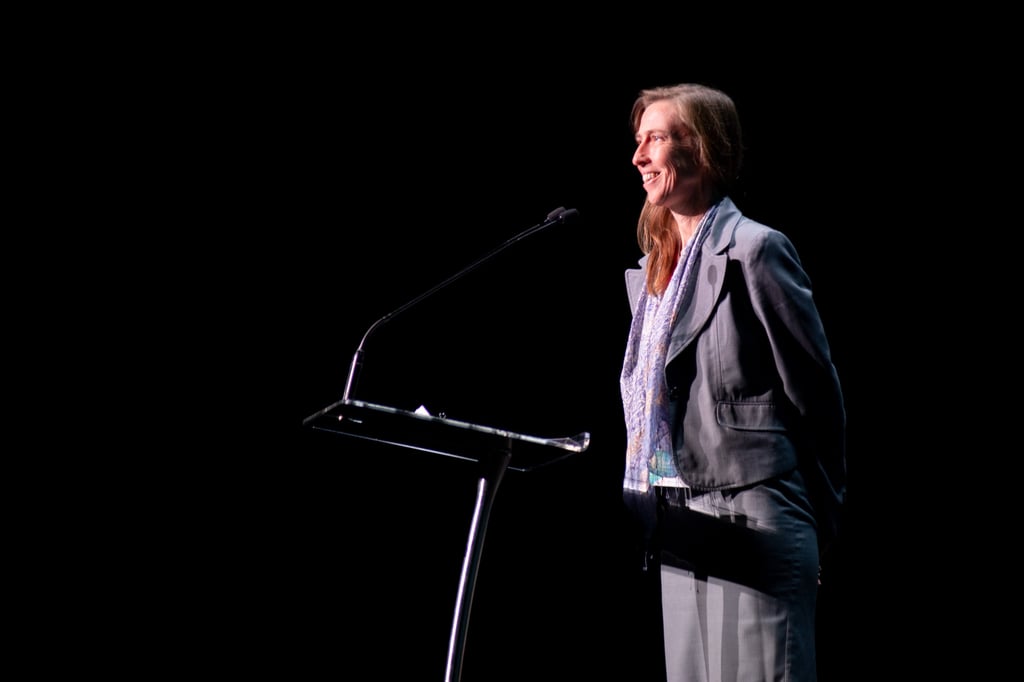
News
Professor Juliet Willetts appointed UN Special Rapporteur on human rights to water and sanitation
Professor Juliet Willetts will bring more than two decades of water and sanitation research and practice to her new role as a United Nations Special Rapporteur.
News
Liquid gold: could we turn our pee into fertiliser?
For thousands of years, human urine has had real value.
News
Australia’s EV sales are skyrocketing. Our charging infrastructure may soon struggle to keep up
Tighter regulation and careful planning will ensure our public chargers actually work.
News
Australia's first roadmap helps investors tackle the hidden carbon in buildings and infrastructure
For years, investors have focused on the emissions generated when buildings are operating.
News
Professor Juliet Willetts appointed UN Special Rapporteur on human rights to water and sanitation
Professor Juliet Willetts will bring more than two decades of water and sanitation research and practice to her new role as a United Nations Special Rapporteur.
News
Liquid gold: could we turn our pee into fertiliser?
For thousands of years, human urine has had real value.
News
Australia’s EV sales are skyrocketing. Our charging infrastructure may soon struggle to keep up
Tighter regulation and careful planning will ensure our public chargers actually work.
News
Australia's first roadmap helps investors tackle the hidden carbon in buildings and infrastructure
For years, investors have focused on the emissions generated when buildings are operating.