


- Posted on 16 Jun 2026
- 3-minute read
As Australia marks Refugee Week, public conversations often focus on displacement, resettlement and the challenges of rebuilding life in a new country. These experiences matter and deserve recognition. Yet they are only part of the story.
Less visible are the ways people from refugee backgrounds contribute to Australian communities as educators, leaders, mentors and community builders.
Looking beyond settlement narratives
A recent study led by a team from the UTS Business School and the UNSW Centre for Social Impact, Refugee Camp in My Neighbourhood: Stories, Connections & Legacy highlights these contributions.
Established in 2014, Refugee Camp in My Neighbourhood (RCIMN) is an interactive, refugee-led simulated tour of a refugee journey, designed to improve understanding, connection and empowerment.
Between 2014 and 2025, initiative engaged:
- 17,687 visitors
- 113 schools
- 207 refugee and asylum seeker guides
- 43 organisations.
Designed and delivered by people with lived experience of forced displacement, RCIMN sought to move beyond statistics and headlines by creating opportunities for direct engagement.
Rather than learning about refugees through media reports or political debate, visitors were invited to hear stories first-hand, ask questions and engage in meaningful conversations with those who had experienced displacement themselves.
Impact through story, dialogue and experiential learning
Visitors consistently described leaving with a deeper understanding of refugee experiences. Hearing directly from refugee and asylum seeker guides transformed what was often perceived as a distant social issue into something personal, human and relatable.
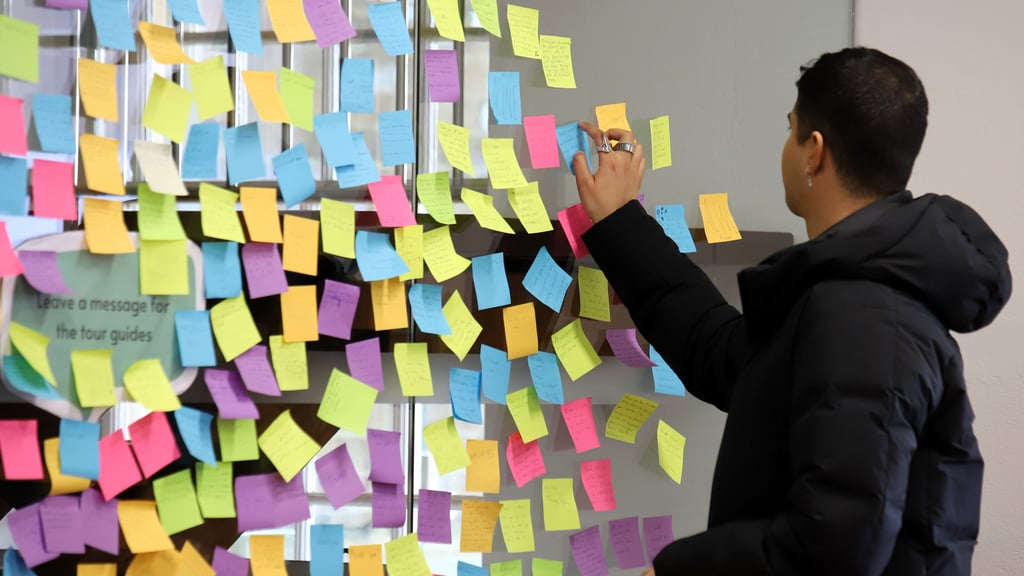
Participants spoke of increased empathy and a willingness to reflect on assumptions and stereotypes they had previously held.
The impact was not limited to visitors. Guides described how participating in the program strengthened their confidence, expanded their professional skills and created new friendships and networks. For some, it provided opportunities for leadership, public speaking and community engagement. For others, it fostered a stronger sense of belonging within Australian society.
Challenging deficit narratives
These findings challenge a common tendency to view people from refugee backgrounds primarily through a lens of vulnerability or need. While many refugees face significant challenges as they rebuild their lives, our research highlights another equally important reality: refugees are also educators, leaders, mentors, professionals and community builders.
One of the most important lessons from RCIMN is that meaningful engagement rarely happens by accident. The initiative relied on guides drawing on their lived experience, cultural knowledge, communication skills and personal stories to create learning opportunities for others.
At a time when public debate is increasingly shaped by social division and polarisation, this lesson feels particularly relevant. Building understanding requires more than awareness campaigns or information sharing. It requires opportunities for people to engage with one another as individuals, listen to different experiences and reflect on assumptions they may hold.
A shared social fabric
As we celebrate Refugee Week, it is worth reflecting not only on the journeys that bring people to Australia, but also on the ongoing contributions they make once they are here. More than one million refugees have made Australia home since the end of the Second World War. They have helped shape our schools, workplaces, neighbourhoods, businesses, cultural institutions and community organisations. Their contributions extend beyond economics or employment. They enrich communities through their experiences, perspectives, knowledge and leadership.
The legacy of RCIMN reminds us that refugees are not simply rebuilding their lives, they are helping build stronger, more connected communities. In doing so, they contribute not only to their own communities, but to the social fabric of Australia.
Acknowledgements
We would like to acknowledge the refugee and asylum seeker guides, visitors, committee members, volunteers and partner organisations who contributed to Refugee Camp in My Neighbourhood over more than a decade, particularly those who shared their experiences and reflections as part of this study.
We also acknowledge the financial and institutional support provided by the UTS Centre for Social Justice and Inclusion and UTS Business School, which made the legacy study possible.
Authored by
Senior Lecturer, Business School
Pavlina Jasovska
Senior Lecturer, UNSW Centre for Social Impact
News by topic
News
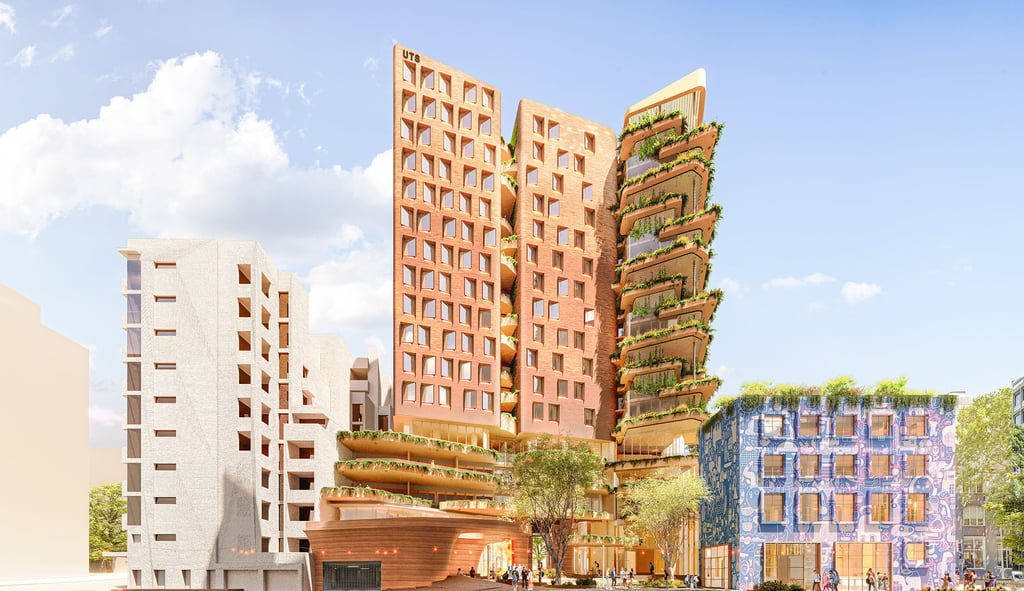
National First Nations College update
UTS has been working towards building a National First Nations College, an Indigenous-designed, culturally responsive residential community where students can...
News
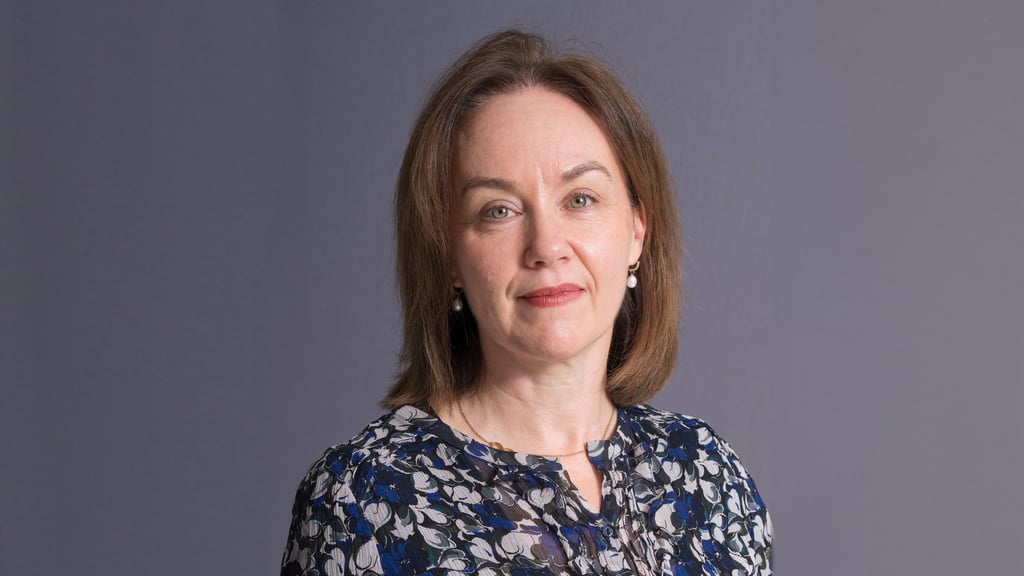
Professor Catherine Kelly appointed Dean of Law
UTS is delighted to welcome Professor Catherine Kelly as our new Dean of the Faculty of Law.
News
AI improves long-term flood forecasting
Through the power of advanced artificial intelligence, UTS research could help communities get warnings weeks ahead of floods.

News
What can free‑living Indian street dogs teach us about how to care for pet dogs?
A study of how Indian street dogs live raises questions about what it means to care for pet dogs.
News
National First Nations College update
UTS has been working towards building a National First Nations College, an Indigenous-designed, culturally responsive residential community where students can...
News
Professor Catherine Kelly appointed Dean of Law
UTS is delighted to welcome Professor Catherine Kelly as our new Dean of the Faculty of Law.
News
AI improves long-term flood forecasting
Through the power of advanced artificial intelligence, UTS research could help communities get warnings weeks ahead of floods.
News
What can free‑living Indian street dogs teach us about how to care for pet dogs?
A study of how Indian street dogs live raises questions about what it means to care for pet dogs.