


- Posted on 25 Jun 2026
- 3-min read
ISF researchers contributed to global conversations on gender equality, climate justice and inclusive development at Women Deliver 2026.
In late April, 6000 delegates from 189 countries converged on Naarm (Melbourne) for Women Deliver 2026, which was the first time the conference has been hosted in the Oceanic Pacific.
For the UTS Institute for Sustainable Futures (ISF) International Development team, it was a great opportunity to bring our applied, gender and socially-inclusive research directly into a room with the people shaping global policy and programming on women’s rights and development.
The week opened with a pre-conference session on feminist and inclusive data, where Georgina Robinson and Juliet Willetts led a breakout exploring individual-level measurement as a tool for inclusive data futures, drawing on ISF and IWDA’s Revealing Resilience research. In another pre-conference event, Tamara Megaw participated in the Queers Deliver session.
At the DFAT Climate Resilient Communities side event, Georgina joined practitioners from across the Asia Pacific to make the case for feminist, intersectional, community-led data in climate decision-making.
Tazrina Chowdhury presented findings from ISF’s research with Plan International Australia on the implications of climate change for early marriage at the Climate Justice Pavilion, while Melissa Bungcaras attended the Women Leading Climate Action session caucusing women’s priorities towards COP31.
And to close out the week, Diana Gonzalez Botero joined WaterAid and a coalition of Pacific women’s organisations, including the Fiji Women's Rights Movement and DIVA for Equality, to share Pasifika stories and present new evidence on the intersection of gender equality, climate change, and water insecurity in the Pacific. The session ended with a co-developed call to action to shape regional advocacy.
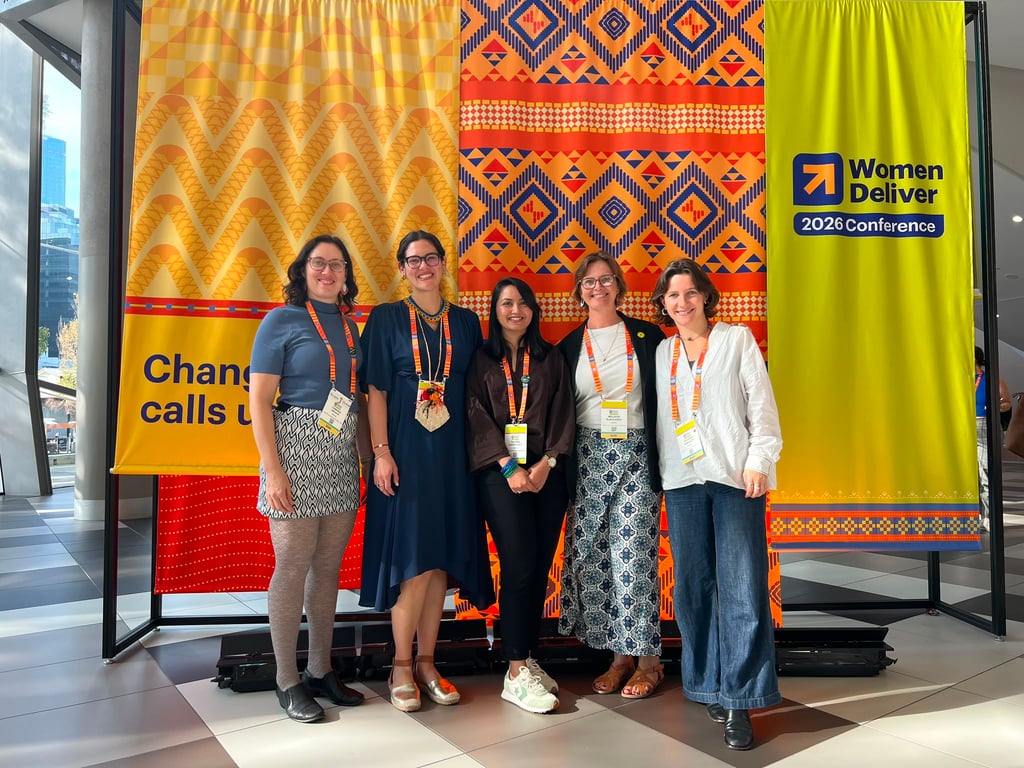
Experiences at Women Deliver reinforced our commitment to strengthening the pathways between research, advocacy and communication, so evidence about gender equality and climate-just futures doesn’t just circulate, but helps shape decisions where it counts.
Women Deliver and partners around the world used the gathering to co-create the Melbourne Declaration for Gender Equality, a collective call to rebalance the ecosystem for accountability, rights and a future of gender equality.
More info
News
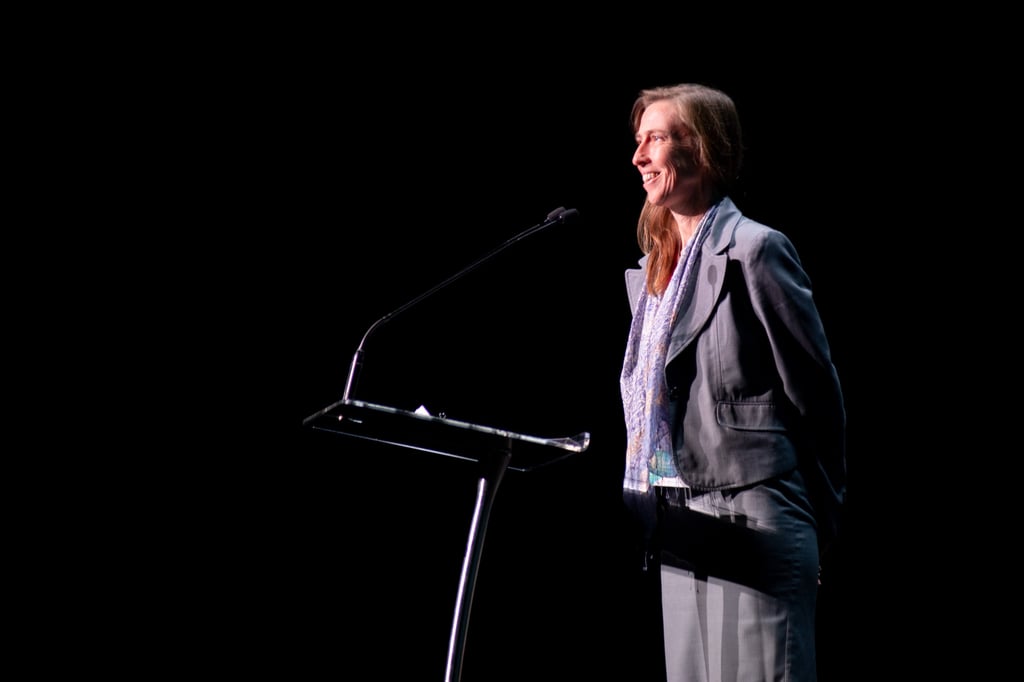
Professor Juliet Willetts appointed UN Special Rapporteur on human rights to water and sanitation
Professor Juliet Willetts will bring more than two decades of water and sanitation research and practice to her new role as a United Nations Special Rapporteur.
News
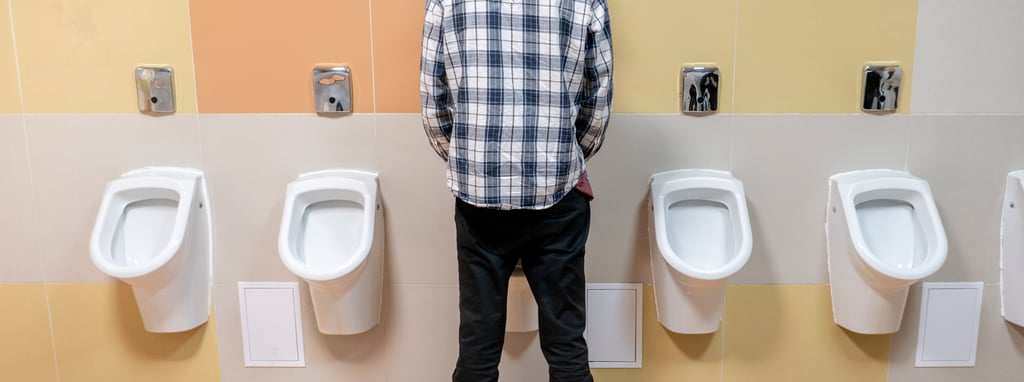
Liquid gold: could we turn our pee into fertiliser?
For thousands of years, human urine has had real value.
News
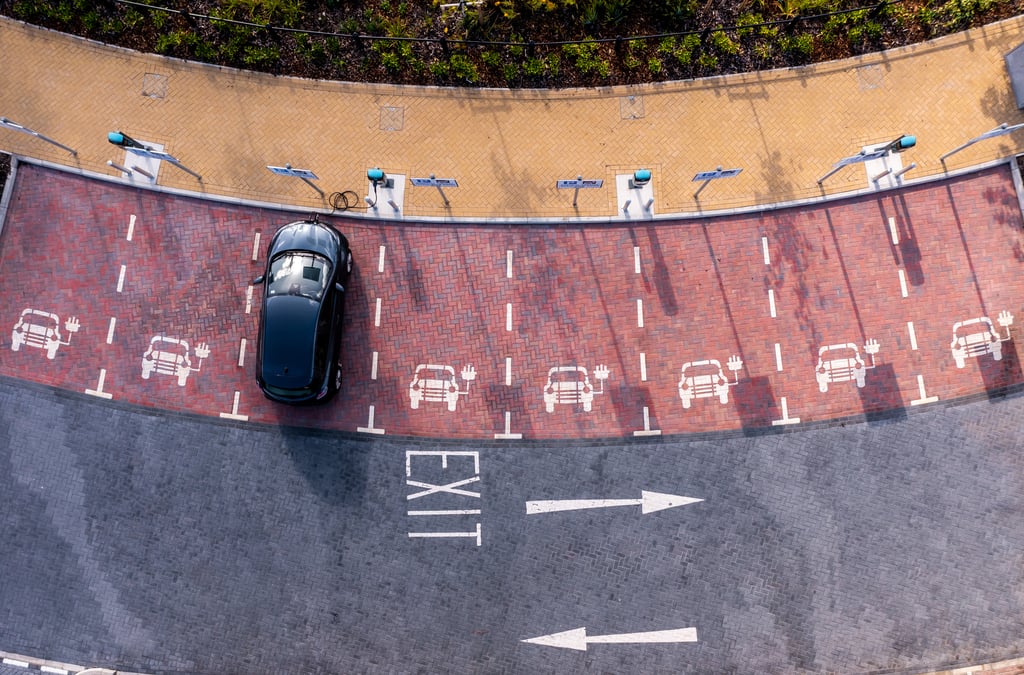
Australia’s EV sales are skyrocketing. Our charging infrastructure may soon struggle to keep up
Tighter regulation and careful planning will ensure our public chargers actually work.

News
Australia's first roadmap helps investors tackle the hidden carbon in buildings and infrastructure
For years, investors have focused on the emissions generated when buildings are operating.
News
Professor Juliet Willetts appointed UN Special Rapporteur on human rights to water and sanitation
Professor Juliet Willetts will bring more than two decades of water and sanitation research and practice to her new role as a United Nations Special Rapporteur.
News
Liquid gold: could we turn our pee into fertiliser?
For thousands of years, human urine has had real value.
News
Australia’s EV sales are skyrocketing. Our charging infrastructure may soon struggle to keep up
Tighter regulation and careful planning will ensure our public chargers actually work.
News
Australia's first roadmap helps investors tackle the hidden carbon in buildings and infrastructure
For years, investors have focused on the emissions generated when buildings are operating.