


- Posted on 12 May 2026
By Wanning Sun
This article appeared in China in the World, vol. 8, no. 1. https://doi.org/10.1142/S3082866X26500028
ABSTRACT
Existing data point to a dramatic increase in the proportion of Australians who believed China was likely to become a threat in the period of 2022–2025. Media have long been found to be pivotal in shaping public perceptions of foreign countries. It is therefore important to ask how the media decide which stories about China to highlight and how those stories are told. This article adopts a tripartite framework — securitization, speech act, and agenda-setting — to explore how media shapes the Australian public’s perception of China as a high-level threat. It does so by conducting a critical analysis of major news and current affairs reports, documentaries, and analyses published in Australia’s most influential media outlets from 2021 to the present on the theme of China as a military threat. The analysis identifies a number of ways in which Australian media create and sustain the salience of the China threat by amplifying the voices of political and security elites, and normalizing a pre-war emergency discourse. The analysis points to a return of the Cold War–style journalistic tradition in which the framing of China tells us as much about Australia’s anxieties, alliances, and strategic positioning as it does about China’s intentions.
share_windows Read the article online here. (Access may require purchase or subscription).
Author

Deputy Director, Australian-China Relations Institute, DVC (International & Development)
News
Australia-China Weekly Brief: October 2026 issues
The Australia-China Weekly Brief by the Australia-China Relations Institute at the University of Technology Sydney (UTS:ACRI) tracks key developments in...
News
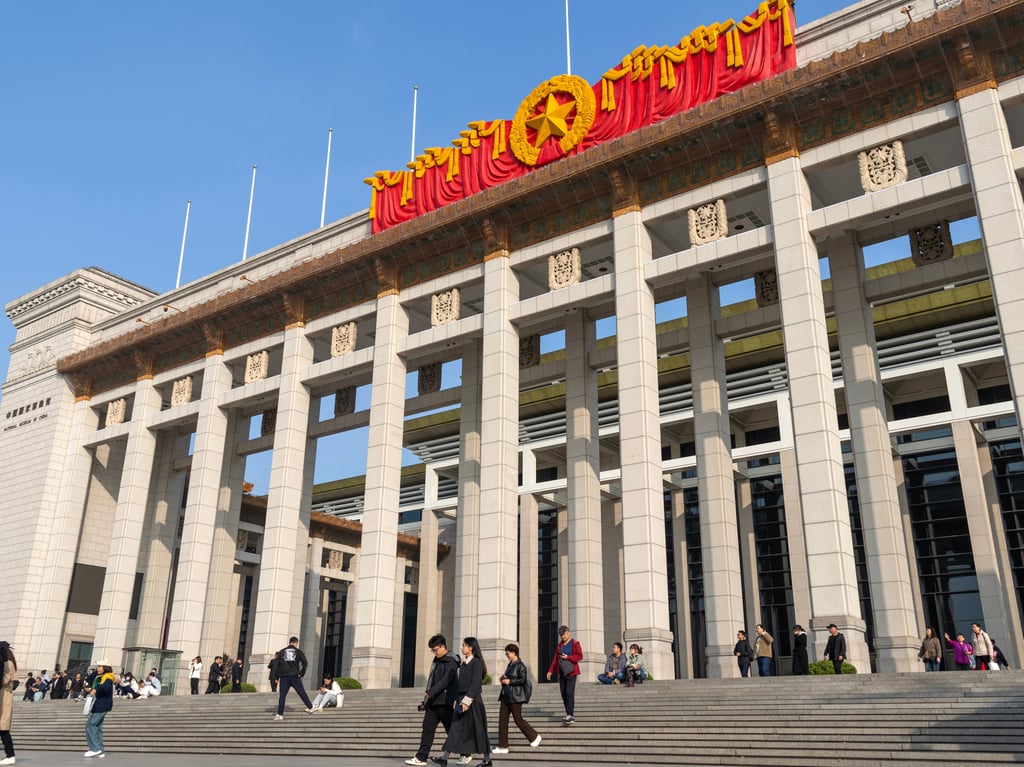
The struggle over what China wants
China expertise is itself a field of epistemic struggle, shaped by competing convictions, dispositions and geopolitical perspectives. Doshi’s critique of Kang,...
News
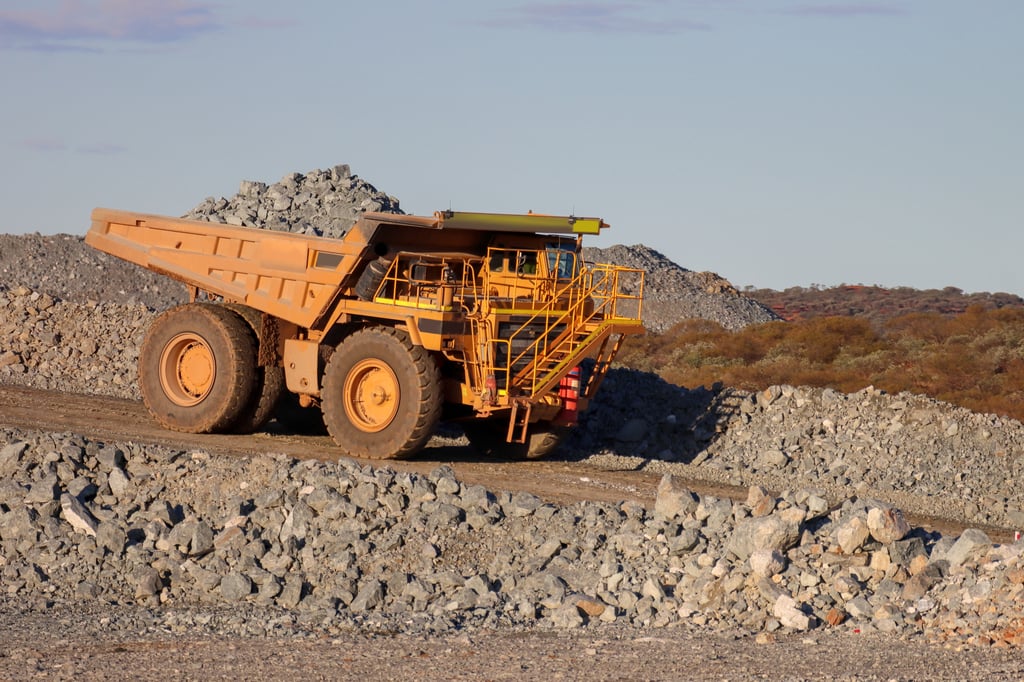
Australia should turn critical minerals leverage into industrial capability
Australia’s Syerston Scandium Project is a test of whether critical minerals cooperation can make Australia not merely a supplier, but a critical capability...
News
PERSPECTIVES | Can Australia and China talk sensibly about AI Safety?
Australia will attend the APEC Economic Leaders’ Meeting in Shenzhen on November 18-19 2026 amid questions about the extent to which the two countries can, or...
News
Australia-China Weekly Brief: October 2026 issues
The Australia-China Weekly Brief by the Australia-China Relations Institute at the University of Technology Sydney (UTS:ACRI) tracks key developments in...
News
The struggle over what China wants
China expertise is itself a field of epistemic struggle, shaped by competing convictions, dispositions and geopolitical perspectives. Doshi’s critique of Kang,...
News
Australia should turn critical minerals leverage into industrial capability
Australia’s Syerston Scandium Project is a test of whether critical minerals cooperation can make Australia not merely a supplier, but a critical capability...
News
PERSPECTIVES | Can Australia and China talk sensibly about AI Safety?
Australia will attend the APEC Economic Leaders’ Meeting in Shenzhen on November 18-19 2026 amid questions about the extent to which the two countries can, or...