


- Posted on 17 Sep 2025
There’s a mathematical formula for finishing school well. The Thrive initiative is deciphering it.
With the support of the Paul Ramsay Foundation, a world-first research program that spans social and data science is charting a path to better education outcomes.
Of all the variables that determine how well young people finish school, there’s one that may be more powerful than the rest. It’s not academic achievement, socioeconomic status or supportive parenting (although these are important too).
It’s a sense of belonging.
This is the latest finding from the Thrive initiative, a multi-institutional research collaboration that includes the UTS Human Technology Institute, which is leading Thrive’s AI and data science efforts. Thrive’s goal is to support young people to finish school well, not just to complete Year 12, but to emerge with skills and knowledge, a sense of wellbeing and the capacity to be an active member of the community.
The Thrive program’s ambitions are being realised through the application of world-first mathematical, computer science and statistical machine learning approaches. Drawing on a wealth of government, school and lived experience data, Thrive’s social and data scientists are working together with schools and families to untangle the complex causal relationships that impact on education outcomes.
To date, the UTS team has graphed the array of factors that contribute to finishing school well. It’s here that “sense of belonging” first emerged as a central influence in the student journey.
“Attainment of Year 12 is critical. It’s a key driver of a young person’s future opportunities,” says Professor Sally Cripps, a leader in Bayesian machine learning and AI, who heads the UTS Thrive team.
“What’s exciting is that the maths has enabled us to uncover the importance of a sense of belonging as a driver of Year 12 attainment. Thrive is showing us how the system can better support students to reach Year 12 and succeed beyond it.”
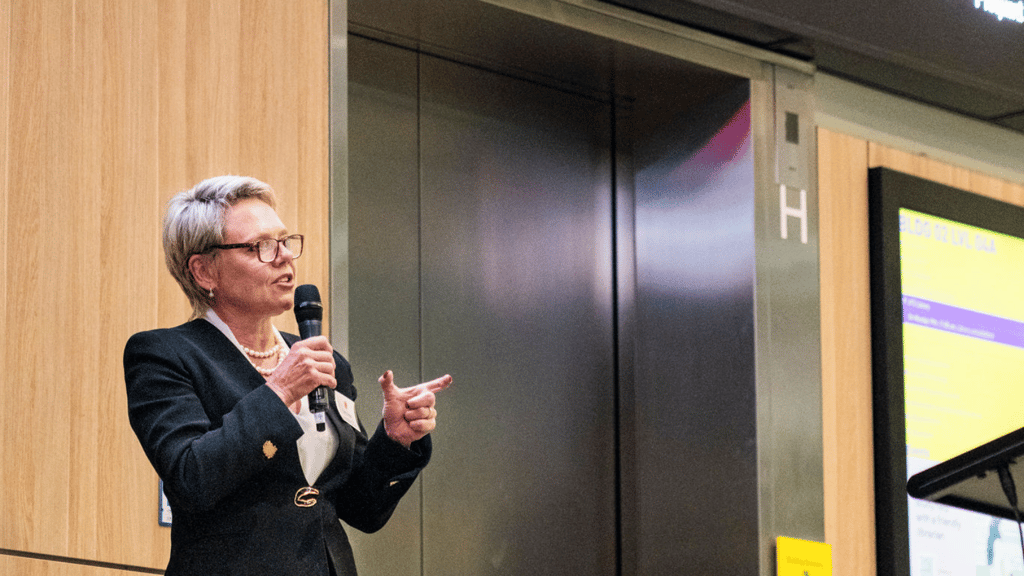
The Thrive program is very much of its time. Only a few short years ago, the computing power, algorithmic development and mathematical modelling that underpin it, were little more than a pipe dream, Professor Cripps says. By harnessing these technologies, the Thrive team hope to share their research with schools across Australia, enabling them to provide more targeted and meaningful support to their students.
Thrive is a powerful example of research in action that offers real potential to transform young lives. Supported by the Paul Ramsay Foundation (PRF), Thrive also embodies the remarkable power of philanthropy to support innovation and help young people walk the path to a brighter future.
According to Professor Cripps, more traditional funding bodies are often hesitant to take a chance on such pioneering projects. Without PRF’s support, Thrive may never have seen the light of day.
“At PRF, we believe strongly that all children should have what they need to do well, and the Thrive program has shown that a critical component of that is a sense of belonging,” says Alex Martin, Chief of Staff at the Paul Ramsay Foundation.
“We know that the factors influencing a young person’s educational journey are complex and varied, and often sit outside the school gate. Thrive has shown that with the right support, every young person can achieve their potential.”
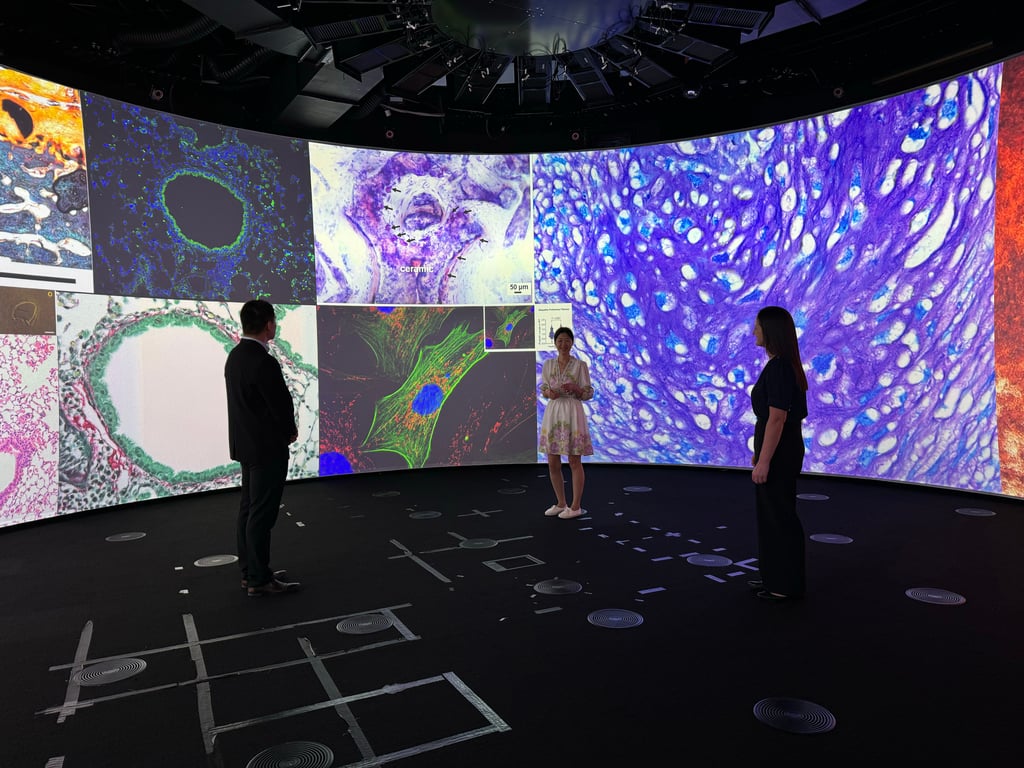
Bold ideas shaping innovation in health
Across UTS, exceptional researchers are pursuing bold scientific shifts in how we diagnose, treat and even cure some of the world’s most debilitating diseases.
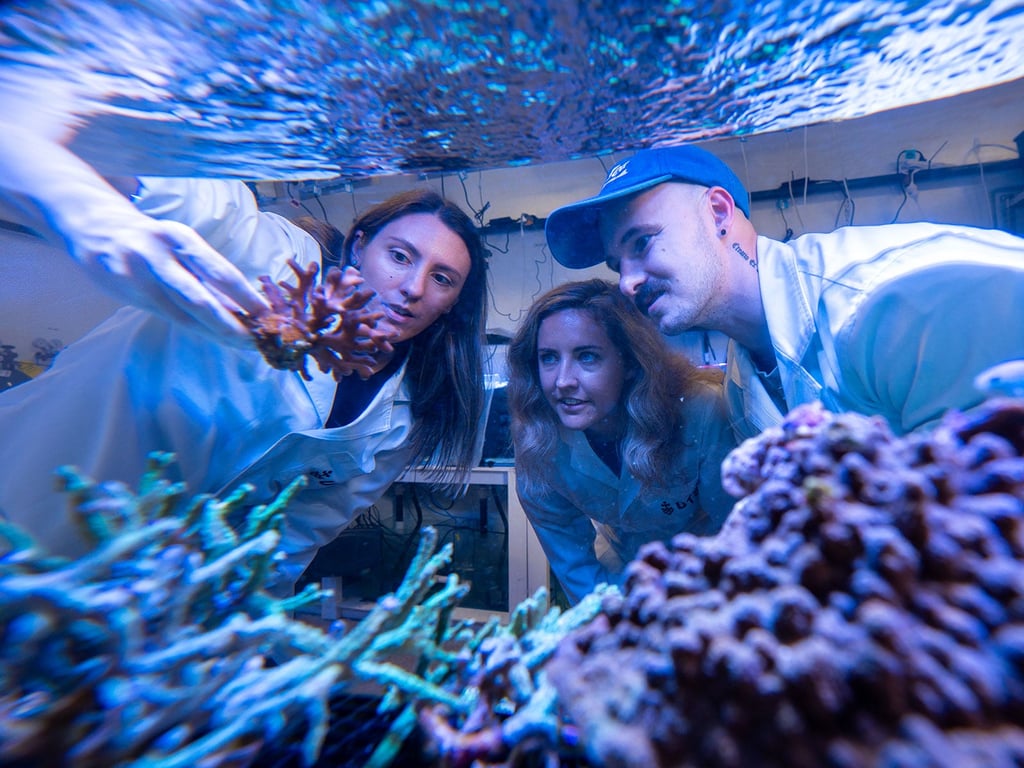
Safeguarding the future of coral reefs
With support from the Rolex Perpetual Planet initiative, Associate Professor Emma Camp is pioneering science-led approaches to reef restoration and resilience...
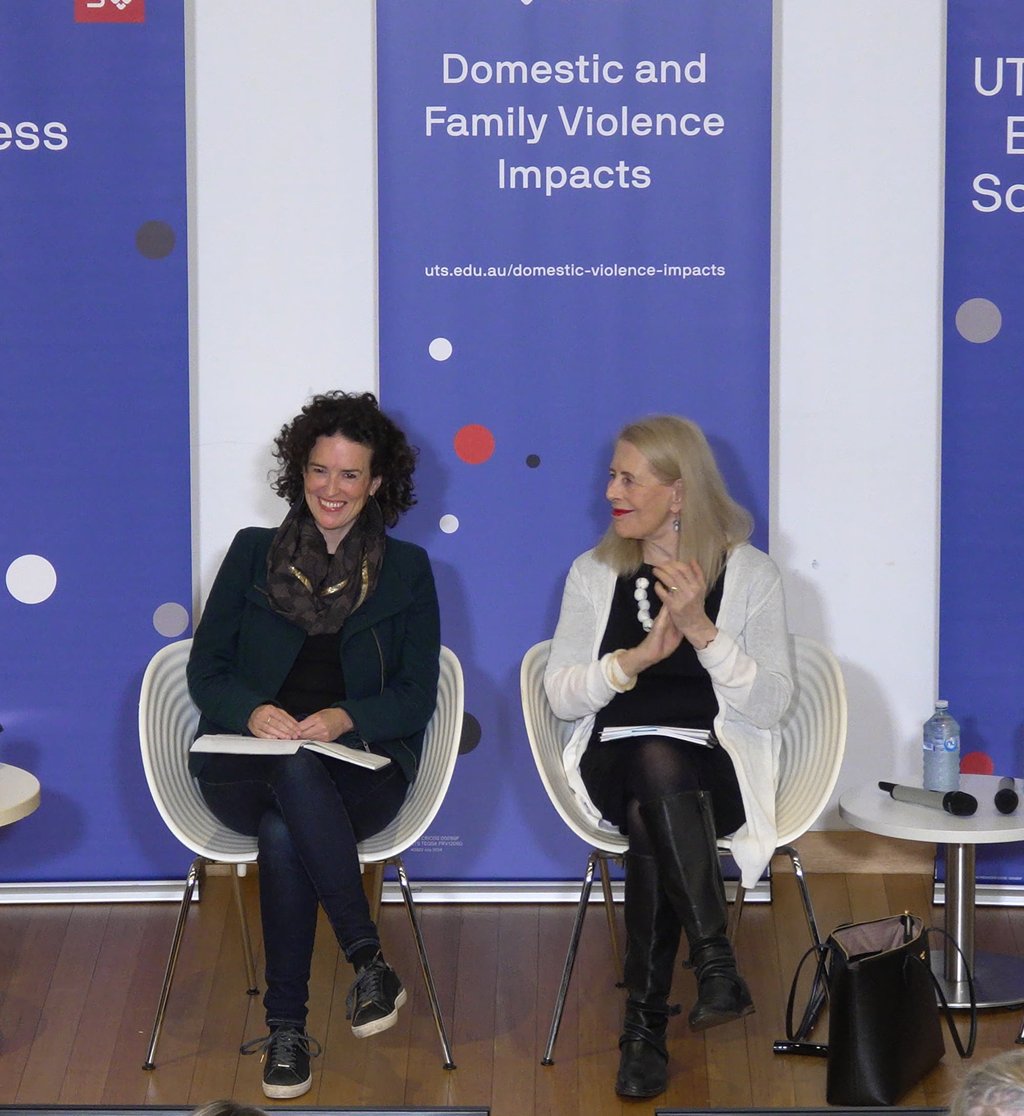
Breaking the cycle together
At UTS, two of Australia’s leading advocates in domestic and gender-based violence prevention are transforming outcomes for victim-survivors, enabled by...

Speaking up for culture and community
As the recipient of the Ern MacDonald On-Country Fellowship, Anaiwan researcher Dr Callum Clayton-Dixon is reclaiming his ancestral language from the archives...
Bold ideas shaping innovation in health
Across UTS, exceptional researchers are pursuing bold scientific shifts in how we diagnose, treat and even cure some of the world’s most debilitating diseases.
Safeguarding the future of coral reefs
With support from the Rolex Perpetual Planet initiative, Associate Professor Emma Camp is pioneering science-led approaches to reef restoration and resilience...
Breaking the cycle together
At UTS, two of Australia’s leading advocates in domestic and gender-based violence prevention are transforming outcomes for victim-survivors, enabled by...
Speaking up for culture and community
As the recipient of the Ern MacDonald On-Country Fellowship, Anaiwan researcher Dr Callum Clayton-Dixon is reclaiming his ancestral language from the archives...