


- Posted on 4 Feb 2026
Coral reefs are among the world’s most extraordinary ecosystems, and there are none more iconic than the Great Barrier Reef. But as oceans warm, the Reef’s future is being tested like never before.
In 2025, the Great Barrier Reef experienced its sixth mass coral bleaching event in just nine years, and the second consecutive year. In this new reality, protecting reefs is not only about conservation. It’s about fast, practical adaptation to climate change – and the partnerships that make it possible.
Rolex powering world-leading climate solutions
With support from the Rolex Perpetual Planet initiative, Associate Professor Emma Camp is pioneering science-led approaches to reef restoration and resilience through the Coral Nurture Program. She and her team are delivering measurable improvements in reef health, biodiversity; and the tools needed to safeguard coral ecosystems into the future.
The Program was established in 2018 as a groundbreaking partnership between tourism operators, Traditional Owners and scientists. It empowers local operators to accelerate coral propagation, while enabling research teams to generate the evidence needed to innovate reef management.
Partnerships built for impact
The Coral Nurture Program is built for impact, grounded in a simple but powerful idea that reef restoration is most effective when it’s done in partnership with the people who know the reef best and rely on it daily.
The program engages with Traditional Owners, including the Yirrganydji Sea Rangers (Dawul Wuru Corporation) and Jabalbina Yalanji Aboriginal Corporation, and nine tourism operators in reef management education and activities.
In less than eight years, the program has aided coral cover and diversity at 30 high-value reef sites across the Whitsundays, Cairns and Port Douglas. It has also led to the development of effective, low-cost tools that are now being used for proactive reef management worldwide.
The Coral Nurture Program has received global recognition from the United Nations Environment Programme and the International Union for Conservation of Nature and has been named an Official Actor for the UN Decade on Ecosystem Restoration, alongside a Society for Ecological Restoration Regional Award in 2023.
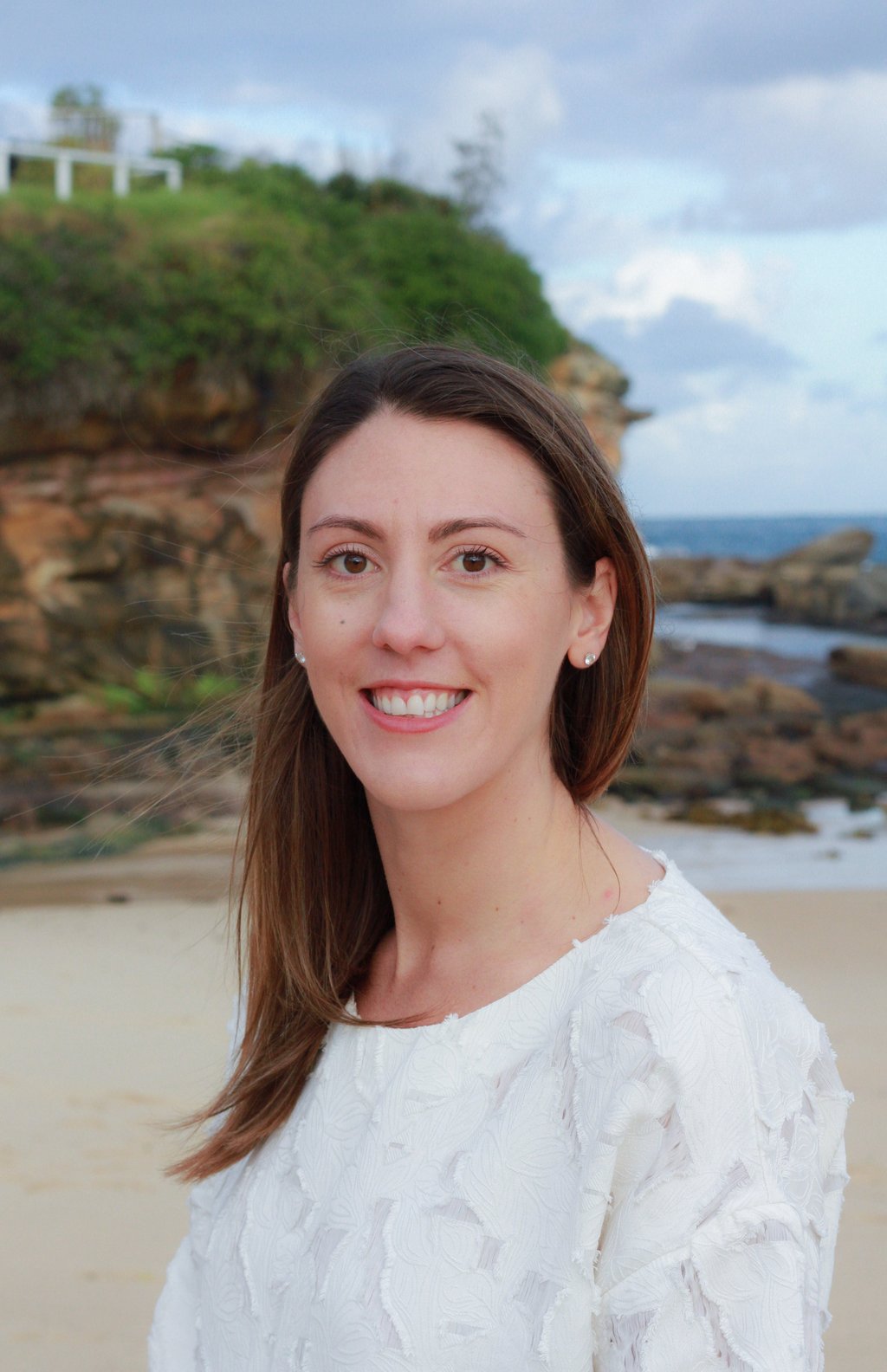
“I’m deeply grateful for both the practical support and the global platform helping to garner heightened attention and accelerate impact. Together, we’re delivering real hope for the future of coral reef management. Partnerships like Rolex are critical to creating evidence and innovations that we can bring to the world.”
Associate Professor Emma Camp
Team Leader, Future Reefs Program, Faculty of Science
A legacy for future generations
A program with this impact is rarely possible without long-term, catalytic support. Rolex’s support is fuelling innovation that is reshaping our understanding of what reef restoration can achieve.
Reef resilience is about more than restoring what has been lost. It’s about building the science, partnerships and practical tools that give coral reefs their best chance to remain vibrant, vital and thriving in a changing climate.
Associate Professor Emma Camp and the Coral Nurture Program are poised to continue advancing restoration science and resilience-building efforts across the Great Barrier Reef and abroad.
The program aims to establish new community–research partnerships, strengthening global capacity to protect coral ecosystems and the livelihoods they support.
The Coral Nurture Program achievements
- More than 133,000 coral planted spanning 119 coral species
- Survival rates over 80% (after 3-6 months) and 75% (after 9 months)
- Over 150 coral species out planted or grown in nurseries
- 17+ academic papers published in 5 years
- 11 diverse partnerships with Traditional Owner groups and tourism operators
- Contributing 2,000 hours planting activity over 339 weeks
- Reef ecosystems sustain the wellbeing of an estimated 1 billion people worldwide, including some of the most vulnerable communities.
To learn more about Dr Camp’s research, watch this video on the secrets of ‘super corals’ and how their traits can be harnessed to create more resilient reefs.
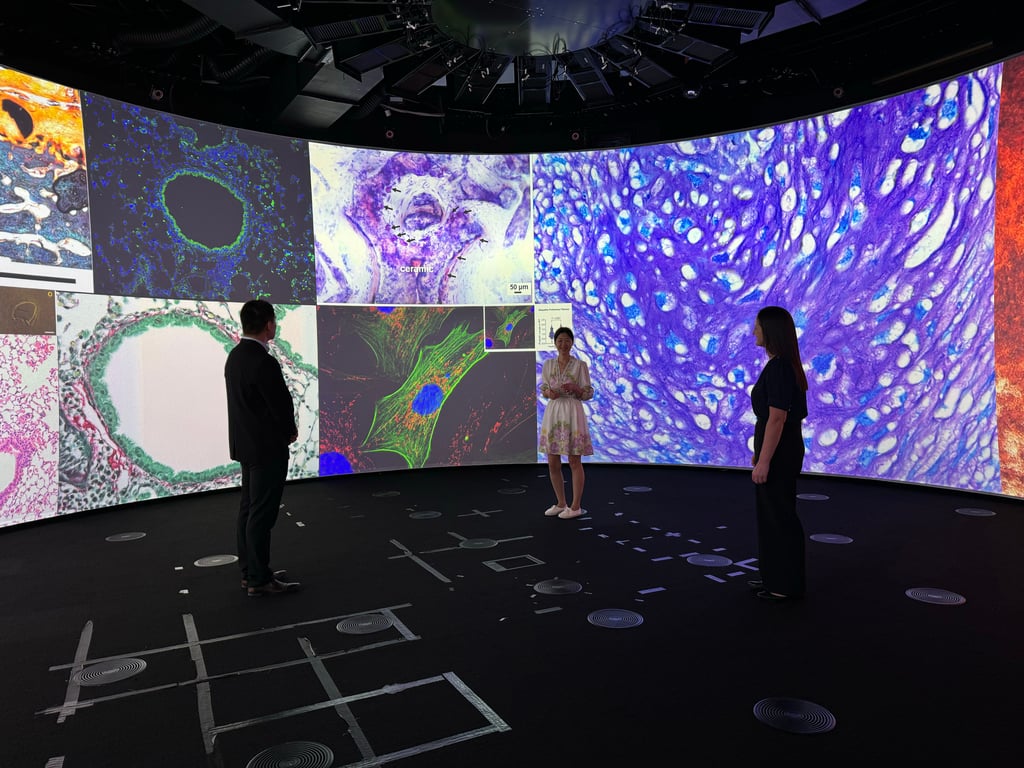
Bold ideas shaping innovation in health
Across UTS, exceptional researchers are pursuing bold scientific shifts in how we diagnose, treat and even cure some of the world’s most debilitating diseases.
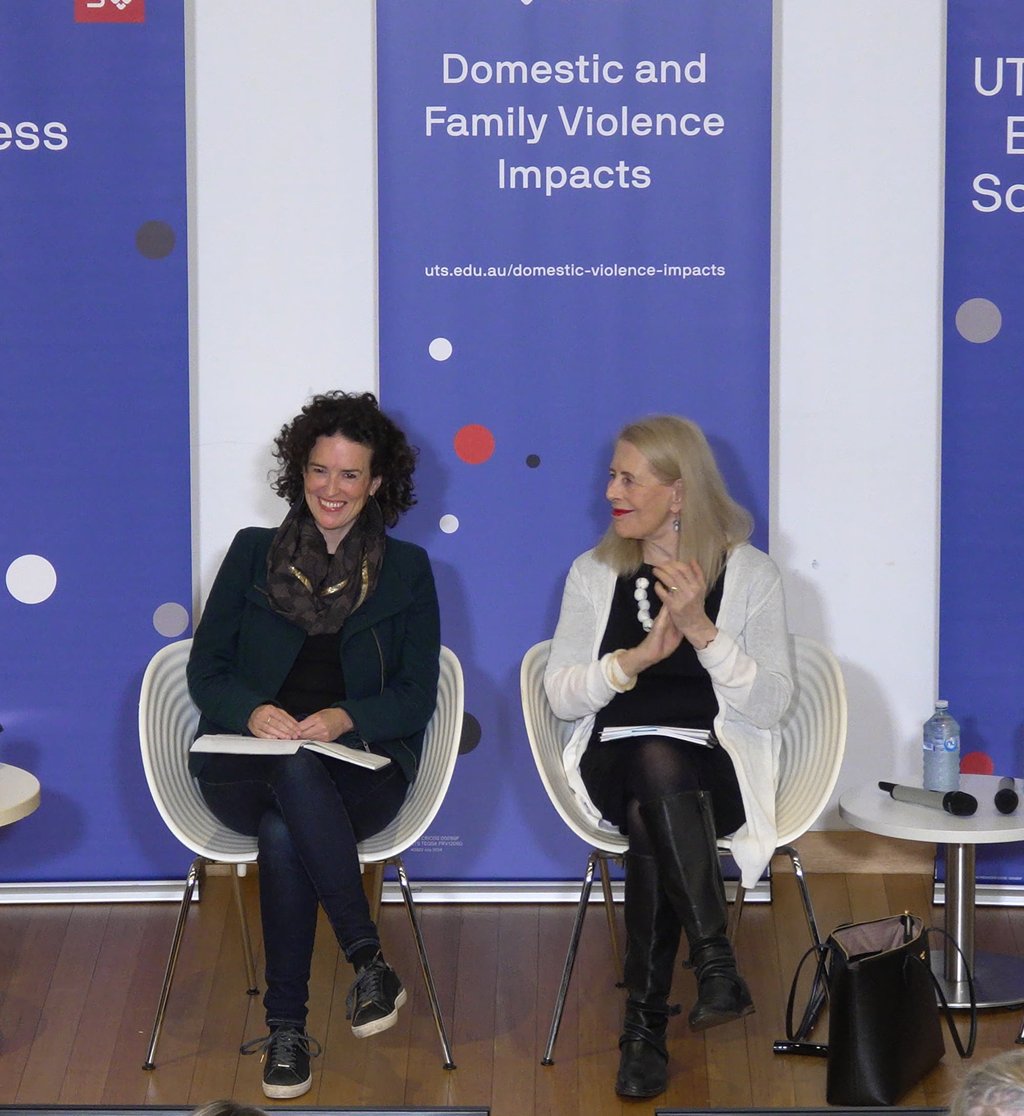
Breaking the cycle together
At UTS, two of Australia’s leading advocates in domestic and gender-based violence prevention are transforming outcomes for victim-survivors, enabled by...
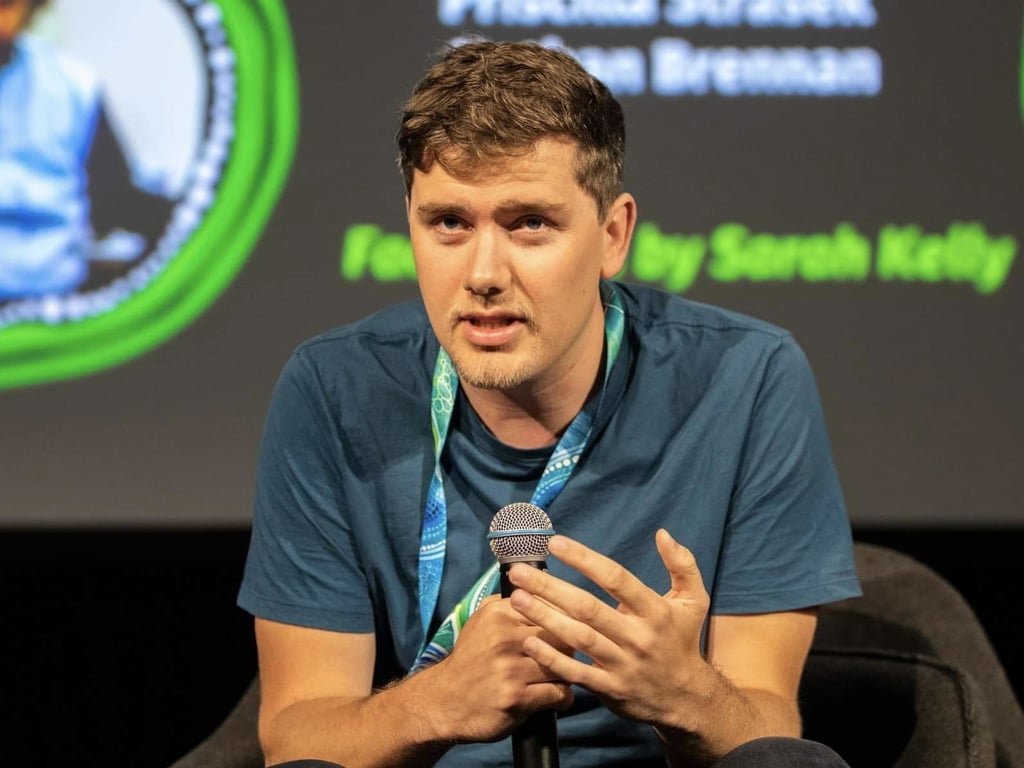
Speaking up for culture and community
As the recipient of the Ern MacDonald On-Country Fellowship, Anaiwan researcher Dr Callum Clayton-Dixon is reclaiming his ancestral language from the archives...
A sense of belonging helps students Thrive at school
With the support of the Paul Ramsay Foundation, a world-first research program that spans social and data science is charting a path to better education...
Bold ideas shaping innovation in health
Across UTS, exceptional researchers are pursuing bold scientific shifts in how we diagnose, treat and even cure some of the world’s most debilitating diseases.
Breaking the cycle together
At UTS, two of Australia’s leading advocates in domestic and gender-based violence prevention are transforming outcomes for victim-survivors, enabled by...
Speaking up for culture and community
As the recipient of the Ern MacDonald On-Country Fellowship, Anaiwan researcher Dr Callum Clayton-Dixon is reclaiming his ancestral language from the archives...
A sense of belonging helps students Thrive at school
With the support of the Paul Ramsay Foundation, a world-first research program that spans social and data science is charting a path to better education...