


- Posted on 3 Feb 2026
The most significant medical breakthroughs often begin with years of quiet dedication and a belief there must be a better way.
Across UTS, exceptional researchers are pursuing bold scientific shifts in how we diagnose, treat and even cure some of the world’s most debilitating diseases.
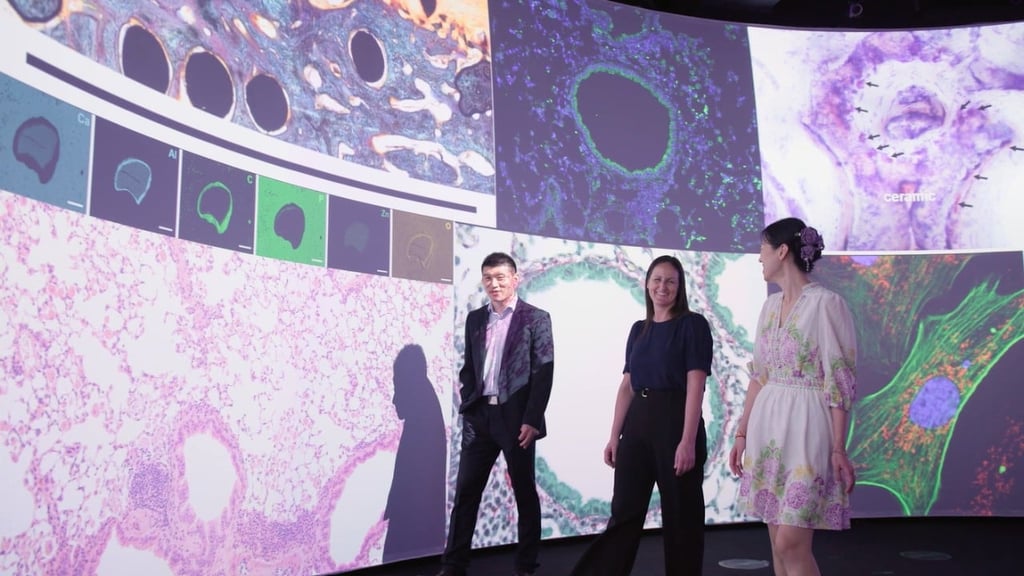
Three UTS researchers have received the Al & Val Rosenstrauss Fellowship, joining a prestigious cohort of recipients, each awarded the $1 million fellowship.
These fellowships, generously supported by the Rebecca L. Cooper Medical Research Foundation, support rising stars of Australian medical research. But their work is more than research. It is a symbol of hope for hundreds of millions of people worldwide.
Rethinking asthma from the inside out
2026 Al & Val Rosenstrauss Fellow Dr Chantal Donovan is a respiratory pharmacologist investigating asthma through a completely new pathway: the gut.
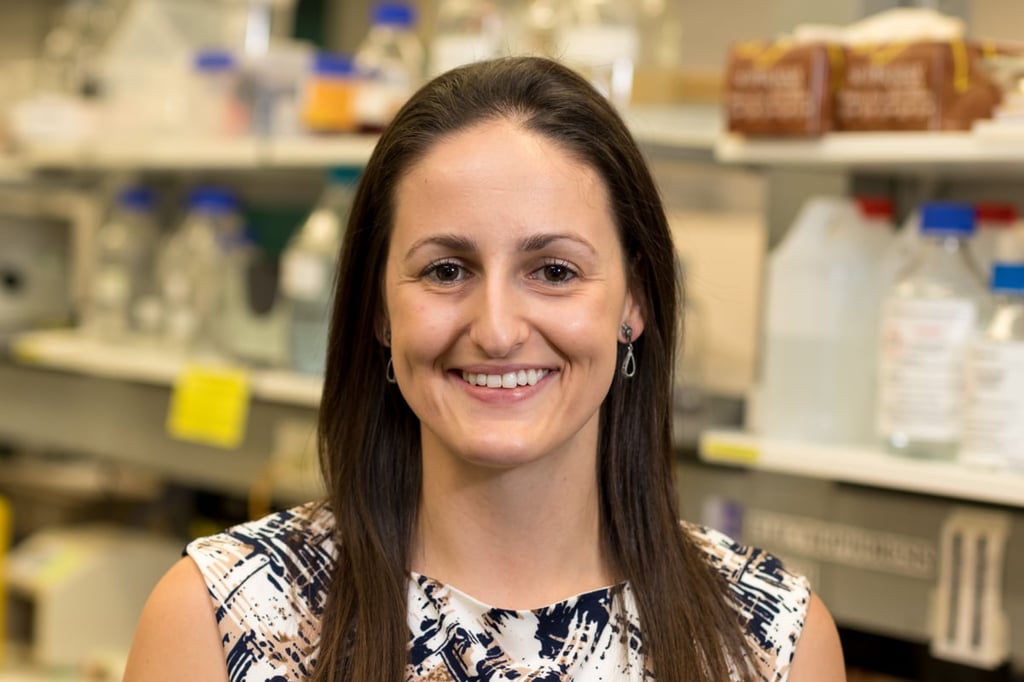
“Everyone knows someone with asthma. It affects 1 in 9 Australians and 260 million people worldwide. People think it’s a minor illness but people with asthma live in fear every day.”
Dr Chantal Donovan
2026 Al & Val Rosenstrauss Fellow
“My work has revealed key communication networks between the gut and the lungs, but whether we can harness this knowledge to treat, reverse or even prevent asthma is still being explored.”
Dr Donovan is using innovative molecular techniques to study specialised fatty-acid receptors found in the gut, lungs and immune cells.
“If we can understand this gut–lung pathway, it may help us develop new treatments for severe asthma, protect babies born with small lungs and reduce lifelong, daily dependence on medication,” she says.
“Support from the Foundation gives me time and space to think outside the box to bring us closer to a future where people with asthma can live without fear of a life-threatening attack. It also allows me to mentor the next generation of passionate lung researchers in this field.
“I’m incredibly grateful for the Foundation’s support.”
Giving people back the freedom to move
Another UTS researcher working to transform patient outcomes for a common disease is 2025 Al & Val Rosenstrauss Fellow, Dr Jiao Jiao Li. As a biomedical engineer, Dr Li has a goal that is simple but ambitious: help people stay mobile, healthy, and pain-free as they age by turning to the body’s own stem cells, to produce natural healing molecules that reduce inflammation and stimulate repair.
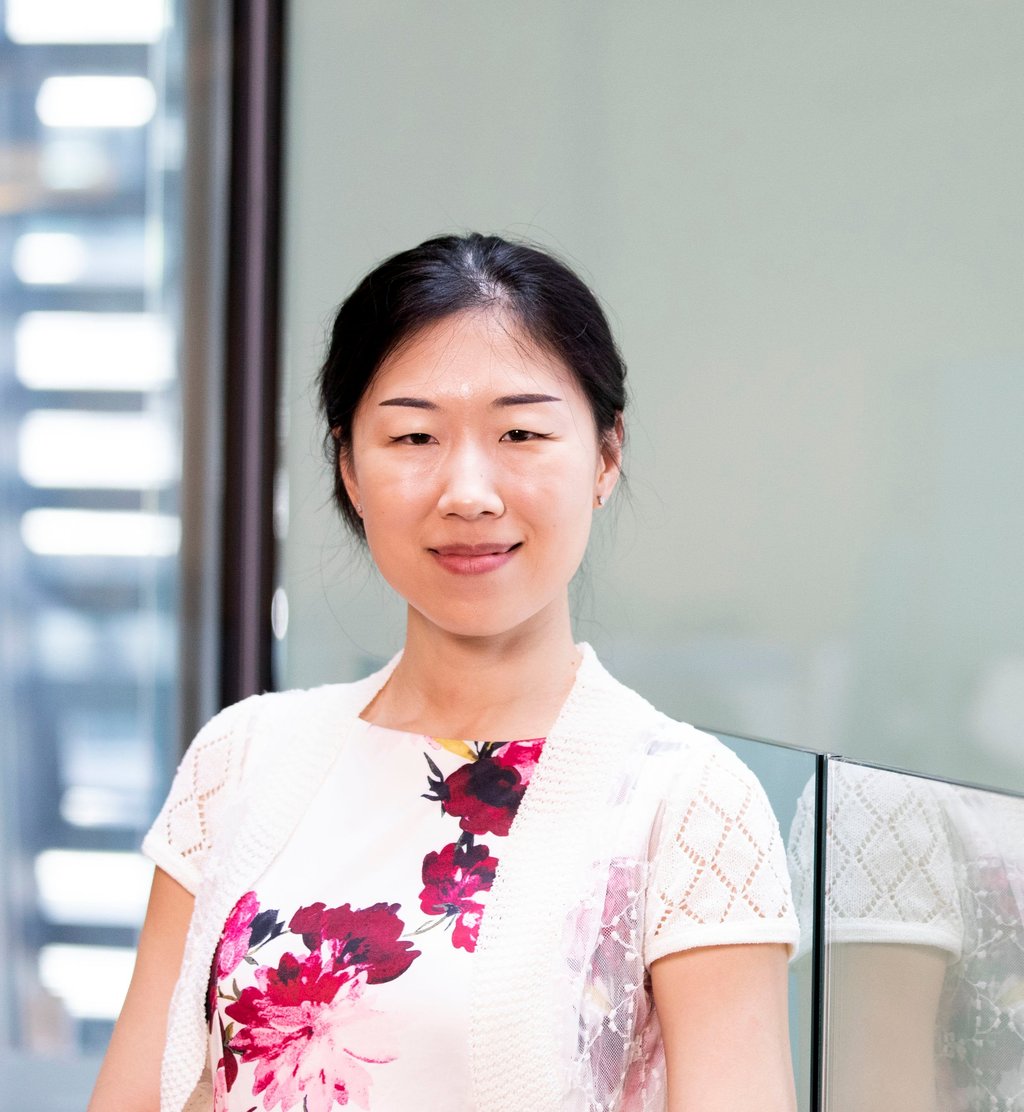
“Around 600 million people globally have painful joints due to osteoarthritis, preventing them from simple activities like walking or even getting out of bed. Current treatments mainly focus on managing symptoms rather than fixing the underlying problem.”
Dr Jiao Jiao Li
2025 Al & Val Rosenstrauss Fellow
“My research is turning stem cells into ‘bio-factories’ that produce powerful healing signals, acting like molecular text messages that encourage cells to repair diseased and damaged tissues. I am also working on biomaterial solutions to precisely deliver treatments into damaged joints.”
With support from her fellowship, Dr Li is pioneering new approaches in stem cell biology, materials science, nanotechnology, biofabrication and AI, working towards her vision of an integrated treatment pathway.
“The Al & Val Rosenstrauss Fellowship came at a crucial time in my career. It gives me stability, freedom, and the ability to lead a team to carry this work forward, giving patients hope that better treatments are on their way to slow, stop, or even reverse joint damage.”
Restoring hope for people with idiopathic pulmonary fibrosis
Dr Gang Liu was also awarded an Al & Val Rosenstrauss Fellowship in 2025. He uses advanced molecular tools and AI to understand more about one of the world’s most devastating lung conditions.
Idiopathic pulmonary fibrosis (IPF) causes progressive, irreversible scarring of the lungs that leaves patients struggling to breathe. Current treatments do not cure the disease; once diagnosed, most people survive only 2–5 years.
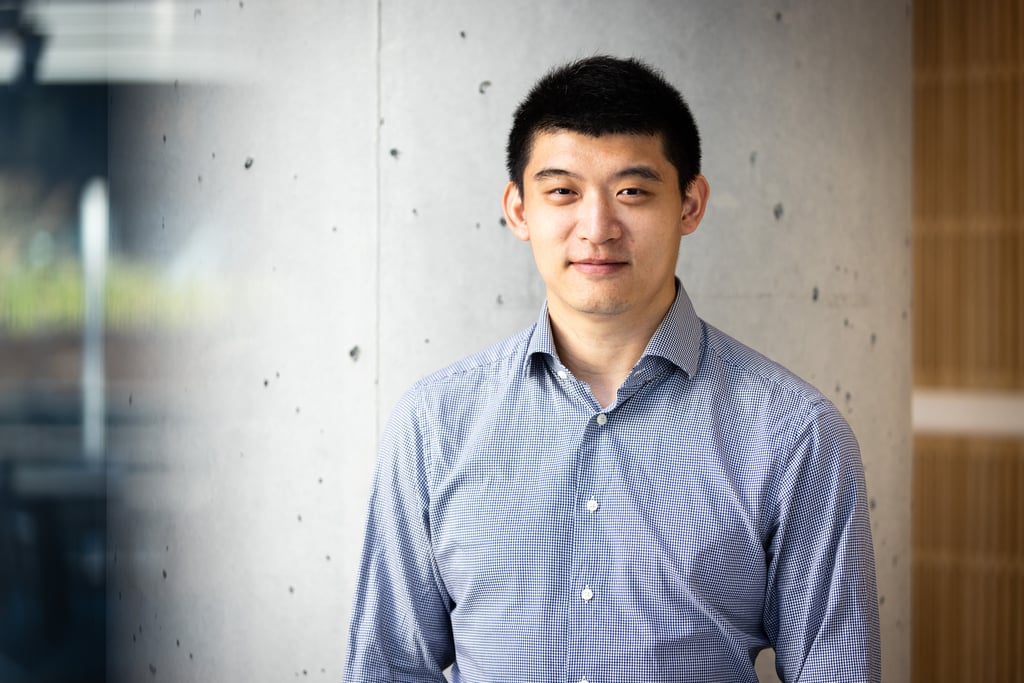
“I lost a close relative to IPF during my PhD and through my research I meet many people suffering from this disease. It makes me realise that behind every statistic is a person who deserves better options.”
Dr Gang Liu
2025 Al & Val Rosenstrauss Fellow
Dr Liu has already discovered certain proteins and enzymes may play a major role in how fibrosis develops, opening the door to completely new kinds of therapies.
“Support for research accelerates discovery. It gives me time to build collaborations and develop better ways to investigate and treat this disease. Thanks to the Foundation’s support, I hope to pave the way for more effective, life-extending treatments for IPF and offer hope to people and families who urgently need it,” he says.
The gift of time
For patients with IPF, time is everything. And for researchers, time and support is what’s needed for bold ideas to develop. The Rebecca L. Cooper Medical Research Foundation believes that long-term impact comes from investing in people with vision. Foundation Director, Professor Graeme Polglase says backing talent at critical career moments has the organisation's defining focus.
“The Foundation realised that within the field of research grants, there is a significant lack of support for people, so that’s where we focus our attention. We’re hoping to nurture the next generation of early and mid-career researchers and help them connect and establish collaborations.”
Pairing the Foundation’s visionary philanthropic support with UTS’s collaborative research environment is delivering results. The Al & Val Rosenstrauss fellows and their cross-disciplinary teams are advancing the next generation of prevention, treatment and patient care to redefine what’s possible in health.
Thank you to the Rebecca L. Cooper Medical Research Foundation for investing in the future of medical research.
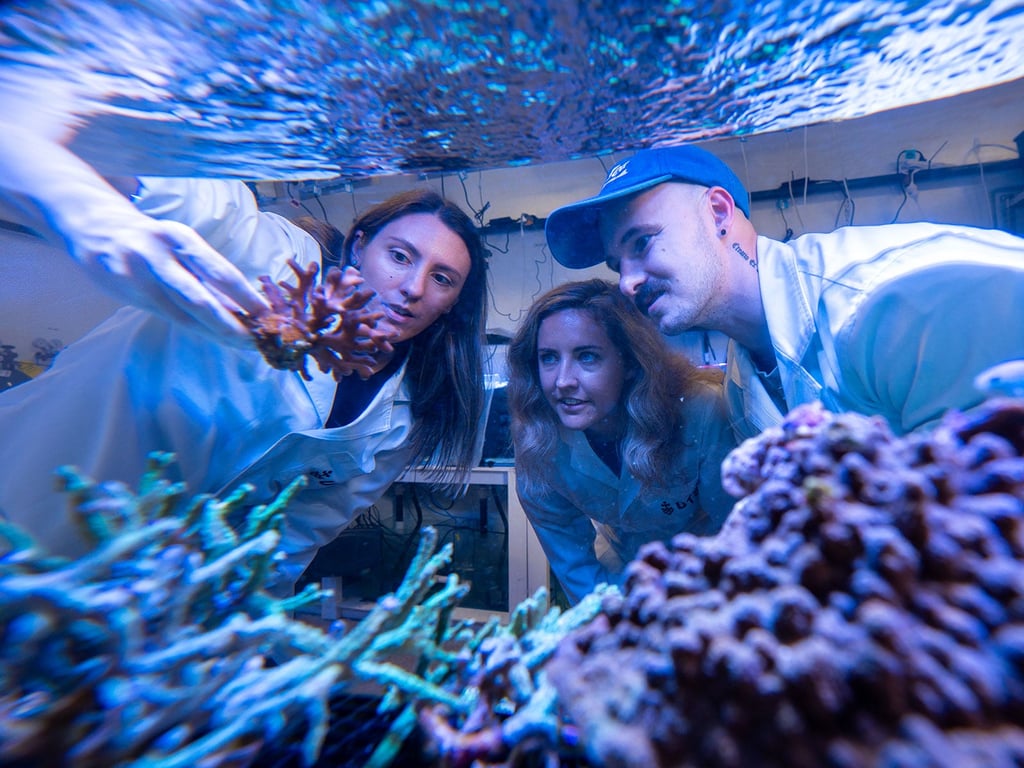
Safeguarding the future of coral reefs
With support from the Rolex Perpetual Planet initiative, Associate Professor Emma Camp is pioneering science-led approaches to reef restoration and resilience...
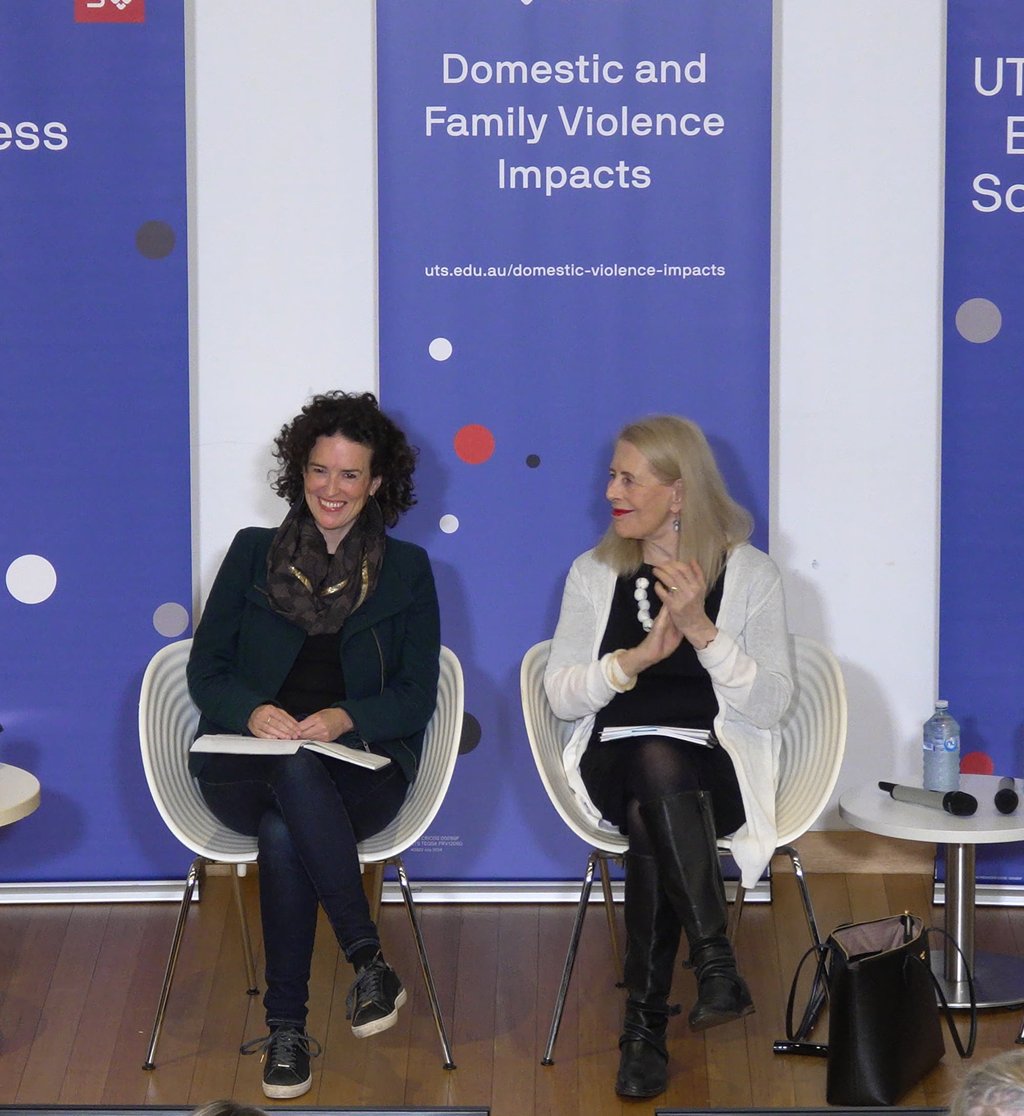
Breaking the cycle together
At UTS, two of Australia’s leading advocates in domestic and gender-based violence prevention are transforming outcomes for victim-survivors, enabled by...
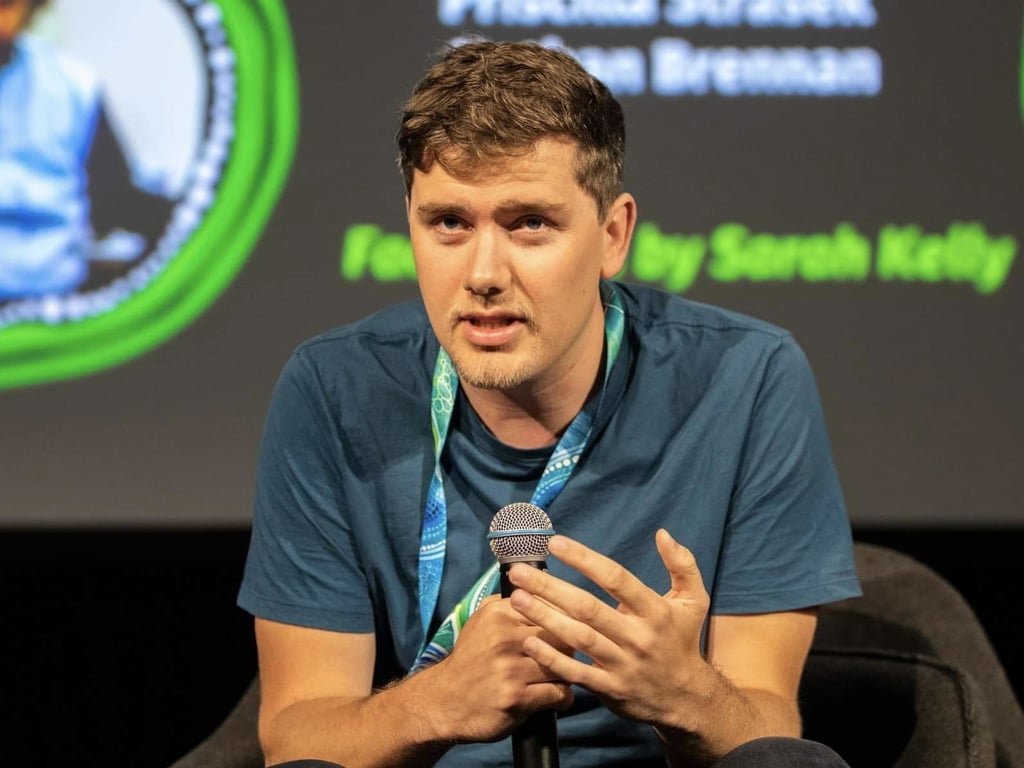
Speaking up for culture and community
As the recipient of the Ern MacDonald On-Country Fellowship, Anaiwan researcher Dr Callum Clayton-Dixon is reclaiming his ancestral language from the archives...
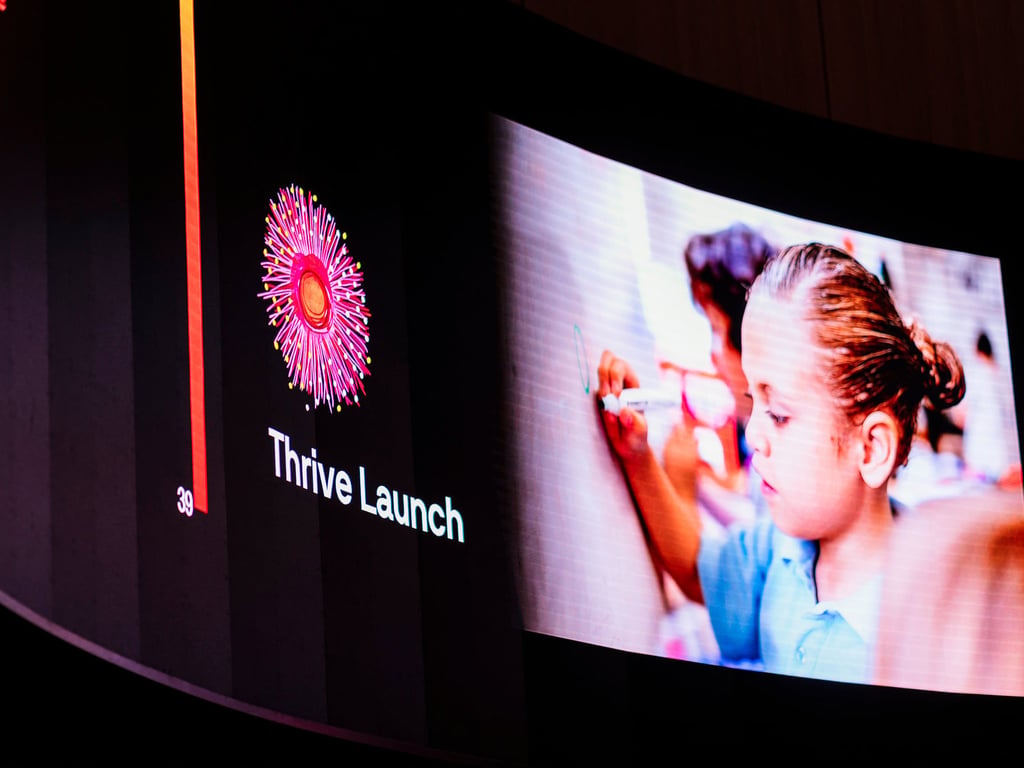
A sense of belonging helps students Thrive at school
With the support of the Paul Ramsay Foundation, a world-first research program that spans social and data science is charting a path to better education...
Safeguarding the future of coral reefs
With support from the Rolex Perpetual Planet initiative, Associate Professor Emma Camp is pioneering science-led approaches to reef restoration and resilience...
Breaking the cycle together
At UTS, two of Australia’s leading advocates in domestic and gender-based violence prevention are transforming outcomes for victim-survivors, enabled by...
Speaking up for culture and community
As the recipient of the Ern MacDonald On-Country Fellowship, Anaiwan researcher Dr Callum Clayton-Dixon is reclaiming his ancestral language from the archives...
A sense of belonging helps students Thrive at school
With the support of the Paul Ramsay Foundation, a world-first research program that spans social and data science is charting a path to better education...