


- Posted on 16 Apr 2025
The gap between Narika Johnson’s cultural and classroom experiences inspired her education journey.
The inaugural recipient of the Robyn Kemmis Indigenous Student Scholarship, Narikah is embracing the powerful role that education plays in promoting equity, understanding and community.
Narikah Johnson’s own experience at school was the catalyst for her teaching career.
"I come from an era where, in schools, we're taught that Captain Cook found Australia," says Narikah, a recent UTS Education graduate.
"Learning that and understanding my cultural background and my identity displaced my understanding of who I am as an Aboriginal person. That’s what pushed me to go to uni and become a teacher.”
At UTS, Narikah became the first-ever recipient of the Robyn Kemmis Indigenous Scholarship, which supports Indigenous women to pursue a tertiary qualification. Now, she’s ensuring that other Indigenous kids hear the true stories of their culture and feel a sense of belonging at school.
“One Koori kid came up to me and she said, ‘You’re Aboriginal, hey?’ She was so happy — she had the biggest smile on her face, and she started pointing out all the Koori kids to me.” Narikah says.
To see that impact for kids I didn’t know, I just felt it in my spirit and my soul and thought yeah, this career is for me.
Creating pathways for the next generation of Indigenous excellence is the golden thread that connects Narikah with the Robyn Kemmis Indigenous Scholarship and more than 100 women activists, educators and community members who banded together to make the scholarship a reality.
The scholarship was created through an outpouring of community support honouring the life and work of Robyn Kemmis, former UTS Deputy Vice-Chancellor, Administration, after her untimely passing in 2016. Funded primarily by women, for Indigenous women, with minimal restrictions and an annual living stipend included, it was thoughtfully crafted to maximise flexibility and impact.
“When I got the phone call from UTS tell me that I received the scholarship, I was over the moon,” Narikah says.
“A lot of scholarships aren’t catered to women, or there’s an age cap, or it’s for a specialty [study area]. There aren’t a lot of scholarships like this.”
The impact of these sorts of awards can be felt across the university, says Pro Vice-Chancellor for Indigenous Leadership and Engagement, Robynne Quiggin, AO.
“We are continually building UTS’s ability to attract, celebrate and support Indigenous students like Narikah and their multiple contributions to education, research and culture on campus. Donations and community engagement amplify this work and provide an additional layer of support to students.”
Explore

Unravelling the mysteries of inherited health risk
A partnership with NSW Health is poised to expand the Indigenous genetic counselling workforce and increase community access to culturally safe care.
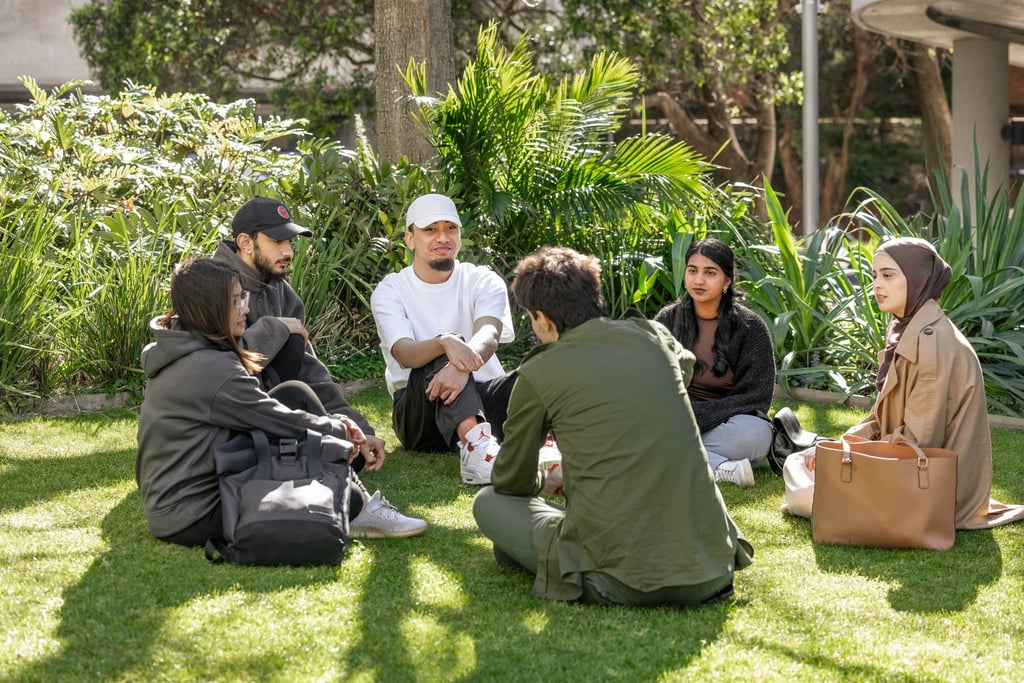
Levelling the playing field - broadening access to education
Philanthropic generosity can remove barriers to success for students from low SES backgrounds.
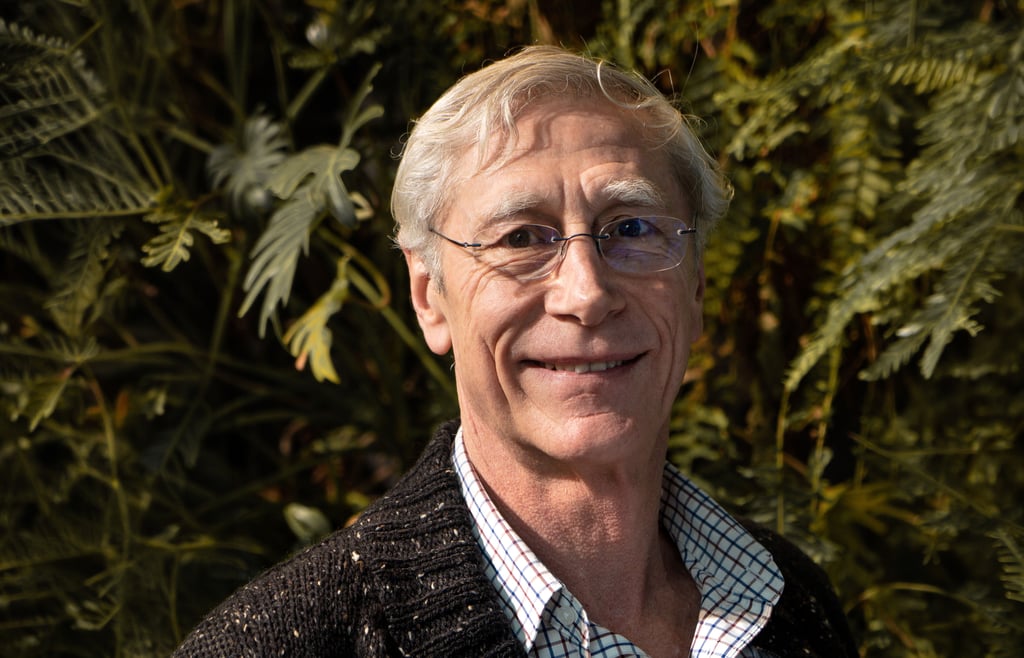
Paying forward, giving back
Distinguished engineer Professor David Eager has had a remarkable career. Now, with a singular gift, he’s paving the way forward for the future generation.
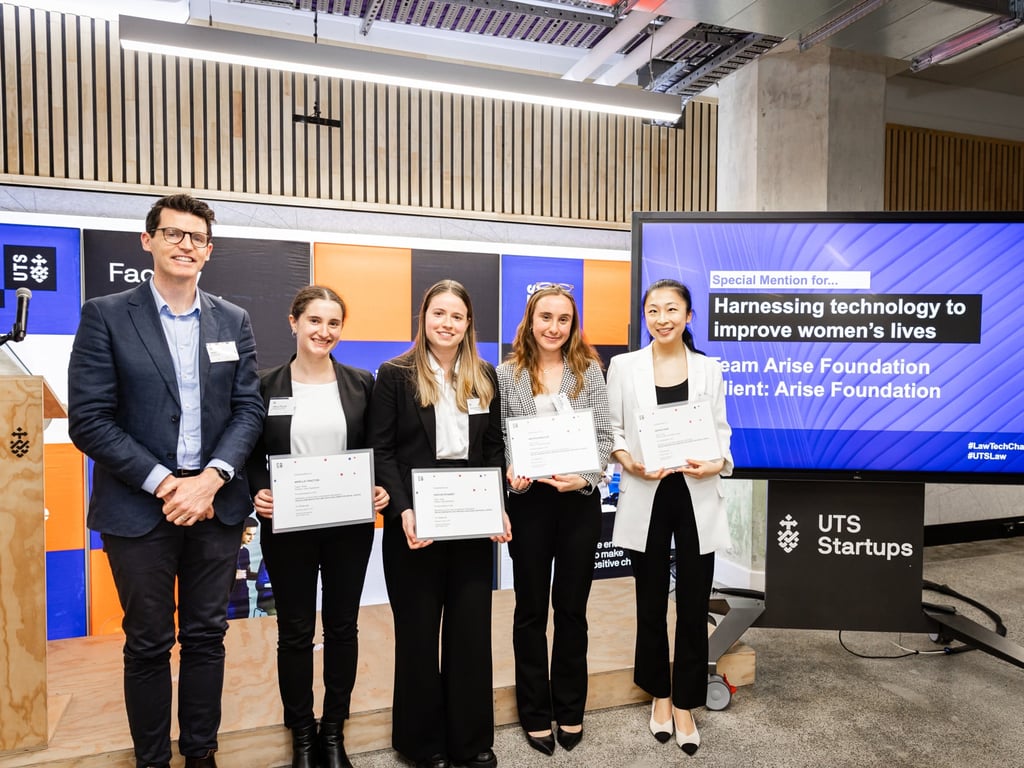
Justice for all? It might just be a download away
A collaboration between UTS Law, tech company Neota Logic, and supported by law firm Wotton Kearney, is opening the door to justice for people and communities...
Unravelling the mysteries of inherited health risk
A partnership with NSW Health is poised to expand the Indigenous genetic counselling workforce and increase community access to culturally safe care.
Levelling the playing field - broadening access to education
Philanthropic generosity can remove barriers to success for students from low SES backgrounds.
Paying forward, giving back
Distinguished engineer Professor David Eager has had a remarkable career. Now, with a singular gift, he’s paving the way forward for the future generation.
Justice for all? It might just be a download away
A collaboration between UTS Law, tech company Neota Logic, and supported by law firm Wotton Kearney, is opening the door to justice for people and communities...