


- Posted on 27 Feb 2026
Philanthropic generosity can remove barriers to success for students from low SES backgrounds.
For students from low socioeconomic status (SES) backgrounds, financial pressures can be the difference between staying enrolled at university or dropping out. Donor support can help students go beyond the limits of circumstance.
The current cost-of-living crisis is more than just a newspaper headline. In Australia, an increasing number of students, particularly those from low SES backgrounds, are facing impossible choices around university study.
Some are priced out of higher education entirely, while others are being forced to choose between essentials like food, rent and tuition. For many, reducing course loads, deferring study or dropping out are the only opportunities for relief.
“We know that one in two university students report financial stress affecting their studies, and low SES students are twice as likely to consider deferring or dropping out due to financial pressure,” says UTS Pro-Vice Chancellor (Social Justice and Inclusion) Amy Persson.
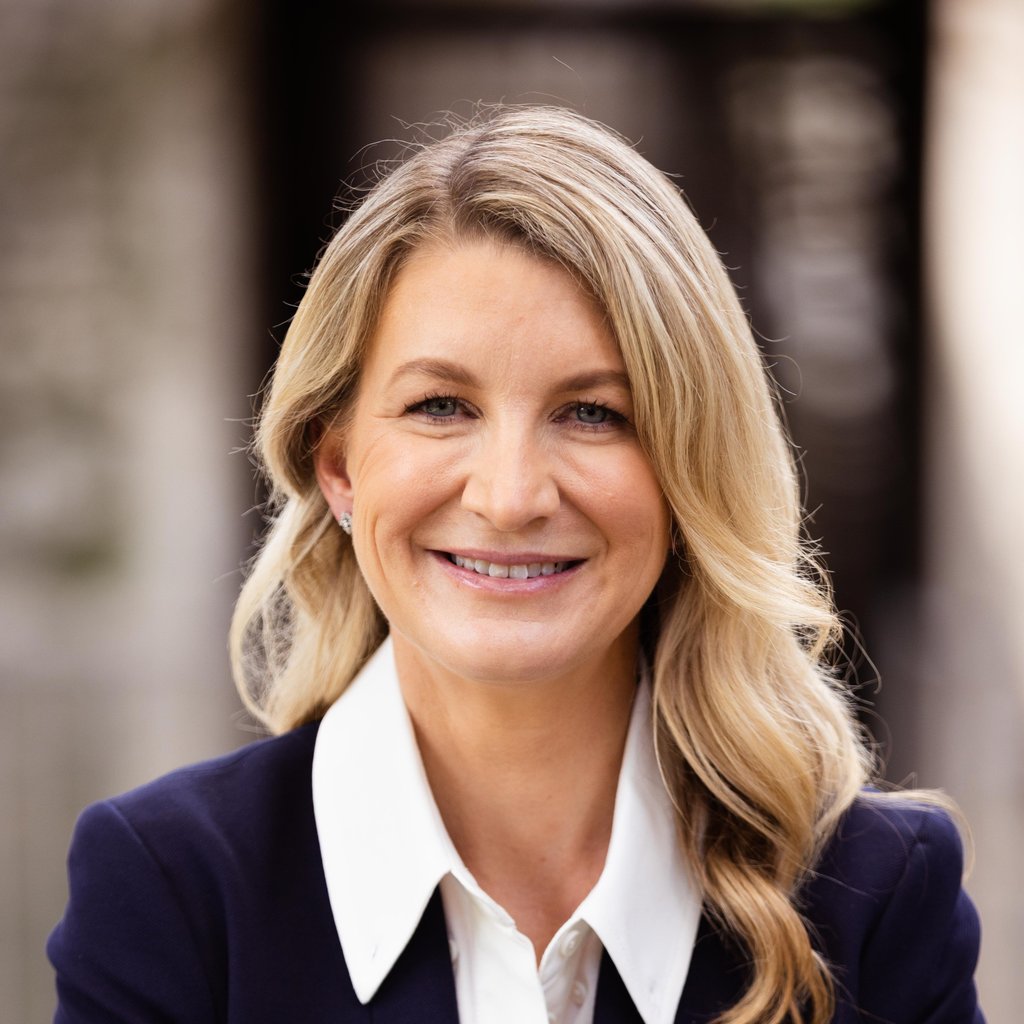
“Financial stress, not academic ability, is now one of the leading drivers of attrition.”
Amy Persson
Pro-Vice Chancellor (Social Justice and Inclusion)
Philanthropy has a critical role to play in helping students to overcome these challenges, including by providing tuition and living expenses support that can help them manage the demands of work and study. By filling gaps that government and university funding programs can’t always reach, philanthropy can be a key enabler of student success.
At UTS, one example is the Curtis Foundation Humanitarian Scholarship, which supports undergraduate students from refugee and asylum seeker backgrounds during their degree. These students are often at increased risk of financial stress but tend to be ineligible for government support.
“Students from refugee and asylum seeker backgrounds have immense potential. The scholarship is about meeting their potential with opportunity,” says the Curtis Foundation’s Anna Curtis, who supports the scholarship alongside her husband John.
At the Centre for Social Justice and Inclusion, the recently released UTS Pathways Plan also maps out a series of opportunities to support students from low SES backgrounds. Chief among these is the U@Uni Academy, which connects students in years 11 and 12 from low SES postcodes to university preparedness programs and alternative pathways to entry.
In 2025, UTS announced the first-ever U@Uni Equity Scholarships, funded by the Crookes Family Foundation, which will provide tuition and living expenses for two Academy graduates to complete an undergraduate degree at UTS.
“A lot of people don’t get the opportunity to go to university. How do you find a way to break that cycle? That’s what we wanted to do,” says Annabel Crookes, who leads the family-run foundation along with her parents Lynne and Richard Crookes.
Programs like Curtis Foundation Humanitarian Scholarship and U@Uni Equity Scholarships are linked to higher rates of retention and completion. Data from UTS shows that the success rate for low SES students is now 12% higher than the national average.
But these philanthropic initiatives do more than keep students on track to graduate. They also support them to reduce their paid work hours and engage more deeply with their studies, as well as with extracurricular activities like internships, leadership opportunities and mentoring programs. In turn, this can improve students’ employment prospects after university.
“Higher education remains one of the strongest levers for social mobility, economic security, and health and wellbeing, but without intervention, inequality reproduces itself,” Amy says.
By levelling the playing field, philanthropic giving broadens access to education in ways that benefit everyone. At UTS, diversity, including of socioeconomic perspectives, enriches the learning experience and teaches all students to consider and learn from different world views.
But these benefits can only be realised by laying the foundations for a more equitable higher education system. In the face of the current cost-of-living crisis, continued donor support is more important than ever to ensure that no student is left behind.

Unravelling the mysteries of inherited health risk
A partnership with NSW Health is poised to expand the Indigenous genetic counselling workforce and increase community access to culturally safe care.
Paying forward, giving back
Distinguished engineer Professor David Eager has had a remarkable career. Now, with a singular gift, he’s paving the way forward for the future generation.
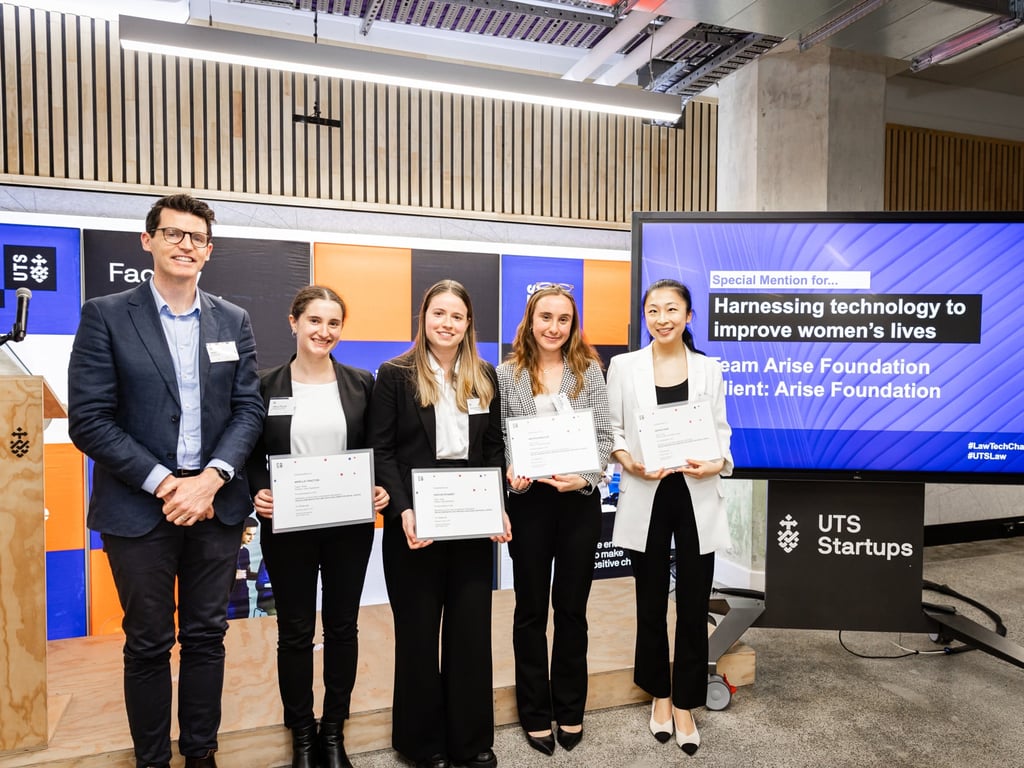
Justice for all? It might just be a download away
A collaboration between UTS Law, tech company Neota Logic, and supported by law firm Wotton Kearney, is opening the door to justice for people and communities...

“It gave me hope in life.”
For Mohammad Sakhvidi, a civil engineering UTS graduate, the UTS Humanitarian Scholarship became both a launchpad to success and an opportunity to give back.
Unravelling the mysteries of inherited health risk
A partnership with NSW Health is poised to expand the Indigenous genetic counselling workforce and increase community access to culturally safe care.
Paying forward, giving back
Distinguished engineer Professor David Eager has had a remarkable career. Now, with a singular gift, he’s paving the way forward for the future generation.
Justice for all? It might just be a download away
A collaboration between UTS Law, tech company Neota Logic, and supported by law firm Wotton Kearney, is opening the door to justice for people and communities...
“It gave me hope in life.”
For Mohammad Sakhvidi, a civil engineering UTS graduate, the UTS Humanitarian Scholarship became both a launchpad to success and an opportunity to give back.