


- Posted on 27 Feb 2026
A new scholarship is strengthening pathways into genetic counselling for Indigenous students.
A partnership with NSW Health is poised to expand the Indigenous genetic counselling workforce and increase community access to culturally safe care.
Genetic counselling is a small but growing branch of allied health that helps people unravel their inherited health risks. It’s a critical piece of the personalised medicine puzzle, but for Indigenous communities, it’s often out of reach.
A shortage of Indigenous genetic counsellors means that entire communities risk missing out on the genetic protections that could transform their health, as well as an opportunity to enrich the stories of their families and ancestors that genetic counselling can reveal.
In the UTS Graduate School of Health (GSH), change is afoot. Supported by NSW Health, GSH launched the inaugural NSW Health Indigenous Genetic Counselling Scholarship this year. Valued at $102,350 over two years, the scholarship will support an Indigenous health professional to pursue the UTS Master of Genetic Counselling.
The scholarship has been designed as a critical enabler of Indigenous postgraduate education. The funds will help recipients meet the often-prohibitive cost of postgraduate university education, while the degree’s largely online curriculum makes it more accessible to students from regional and remote areas.
“Indigenous genetic counsellors make up less than 1% of the profession,” says Dr Lucinda Freeman, Head of Discipline, Genetic Counselling at UTS.
“Through this scholarship, we hope to increase Indigenous participation in genetic counselling and broaden access to culturally safe care for Indigenous people and communities.”
This initiative is the latest in a long line of UTS philanthropic partnerships designed to support Indigenous excellence and close the gap on educational and health outcomes.
“It’s really important to attract people from Indigenous backgrounds into the workforce. This is essential to support cultural safety in healthcare.” Reflects Tim Croft, a proud Gurindji, Malgnin and Mudpurra man and a Professor of Practice at GSH who helped establish this scholarship alongside Lucinda.
“We’re grateful for NSW Health’s support in bringing this important initiative to life.”
The first scholarship recipient, Elizabeth Brown, began her studies this year. She will join a cohort of UTS graduates who are raising the profile of genetic counselling among Indigenous communities, thereby enabling greater numbers of Indigenous people to explore the genetic histories that shape their wellbeing.
“The scholarship itself will be a catalyst for changing community at different levels,” Tim says.
“The impact of one graduate is never just on a small number of people. I think the outcomes will be profound.”
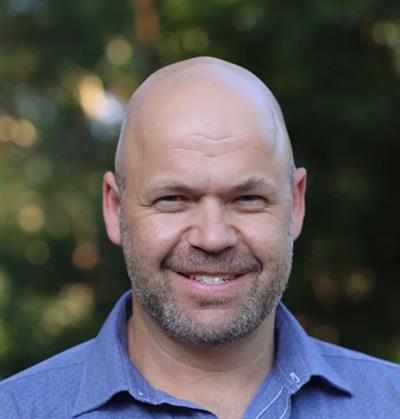
The impact of one graduate is never just on a small number of people. I think the outcomes will be profound.
Tim Croft
Professor of Practice
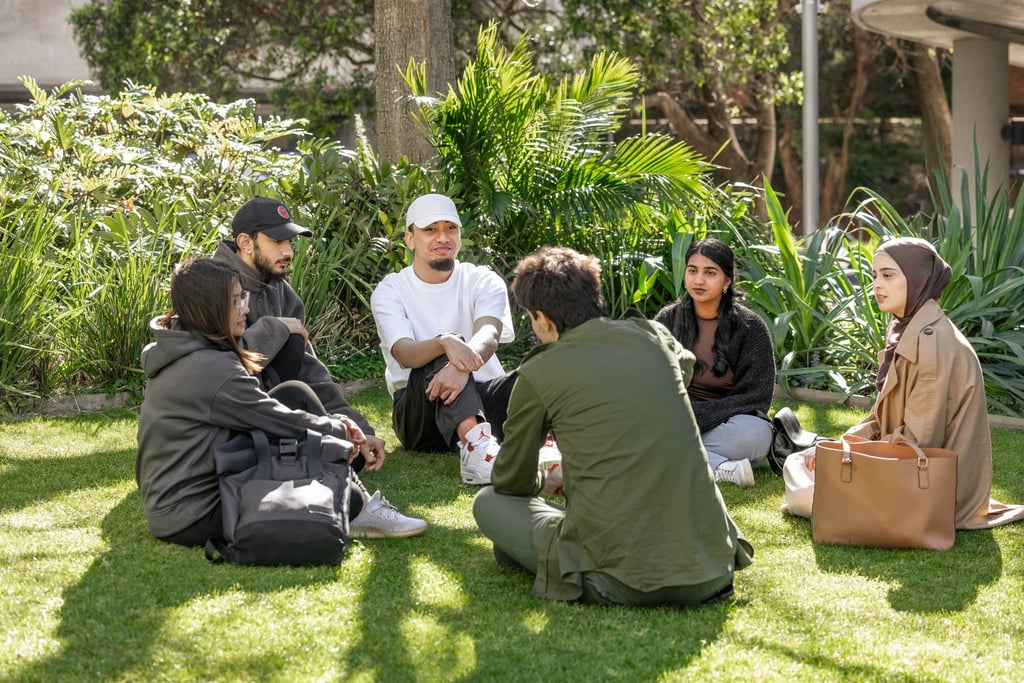
Levelling the playing field - broadening access to education
Philanthropic generosity can remove barriers to success for students from low SES backgrounds.
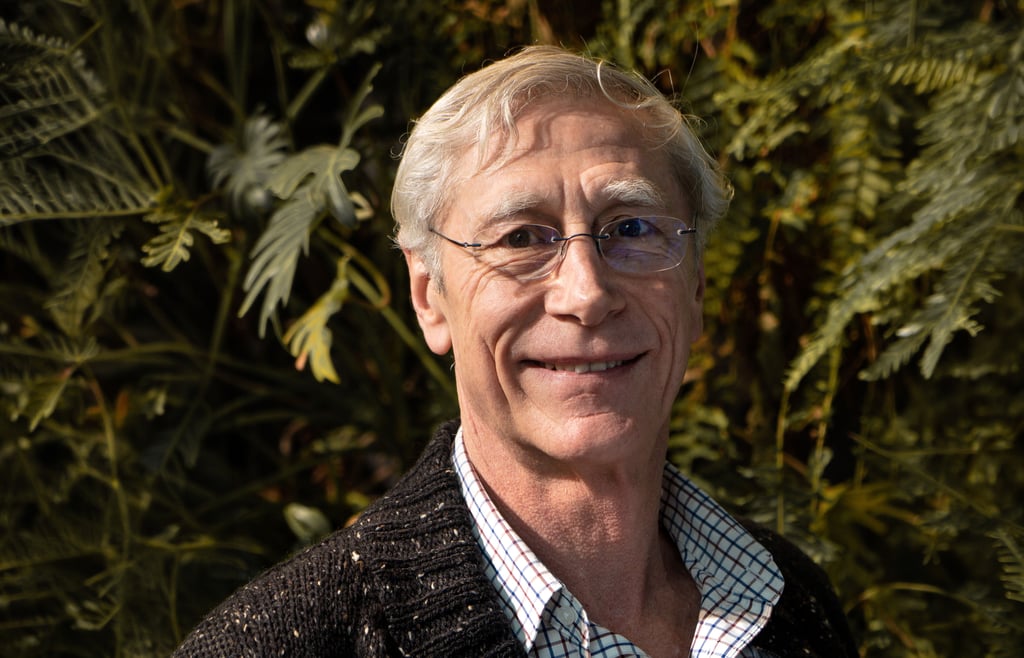
Paying forward, giving back
Distinguished engineer Professor David Eager has had a remarkable career. Now, with a singular gift, he’s paving the way forward for the future generation.
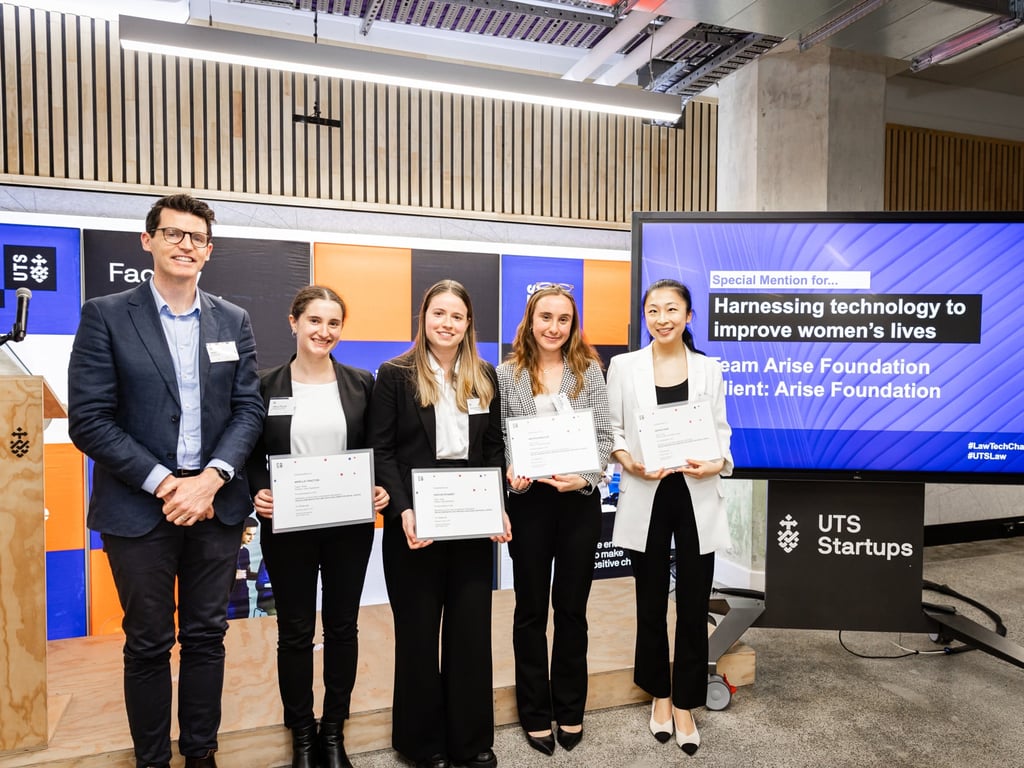
Justice for all? It might just be a download away
A collaboration between UTS Law, tech company Neota Logic, and supported by law firm Wotton Kearney, is opening the door to justice for people and communities...

“It gave me hope in life.”
For Mohammad Sakhvidi, a civil engineering UTS graduate, the UTS Humanitarian Scholarship became both a launchpad to success and an opportunity to give back.
Levelling the playing field - broadening access to education
Philanthropic generosity can remove barriers to success for students from low SES backgrounds.
Paying forward, giving back
Distinguished engineer Professor David Eager has had a remarkable career. Now, with a singular gift, he’s paving the way forward for the future generation.
Justice for all? It might just be a download away
A collaboration between UTS Law, tech company Neota Logic, and supported by law firm Wotton Kearney, is opening the door to justice for people and communities...
“It gave me hope in life.”
For Mohammad Sakhvidi, a civil engineering UTS graduate, the UTS Humanitarian Scholarship became both a launchpad to success and an opportunity to give back.