


- Posted on 2 Dec 2025
- 3 min 36 sec read
A call for nursing integration
Returning to the Pacific after a decade, the WHO Western Pacific 76th Regional Committee Meeting (RCM76) was hosted in Nadi, Fiji between 20 to 24 October 2025.
The week-long meeting saw regional and global health leaders from 38 countries and territories come together, with a commitment to act on four key priority areas affecting over 2 billion people in the region: climate change and associated health risks, health security, alcohol use, and oral health.
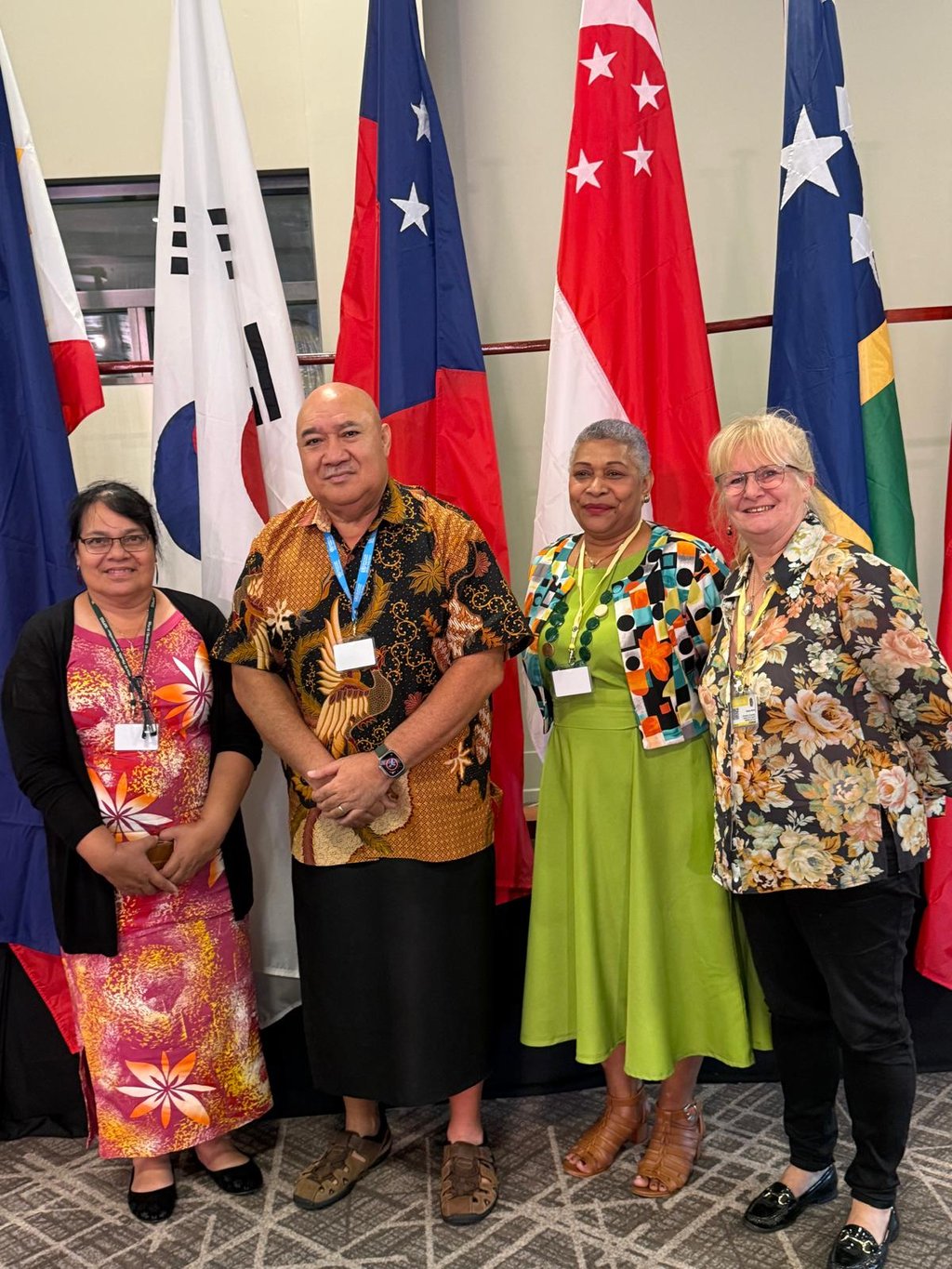
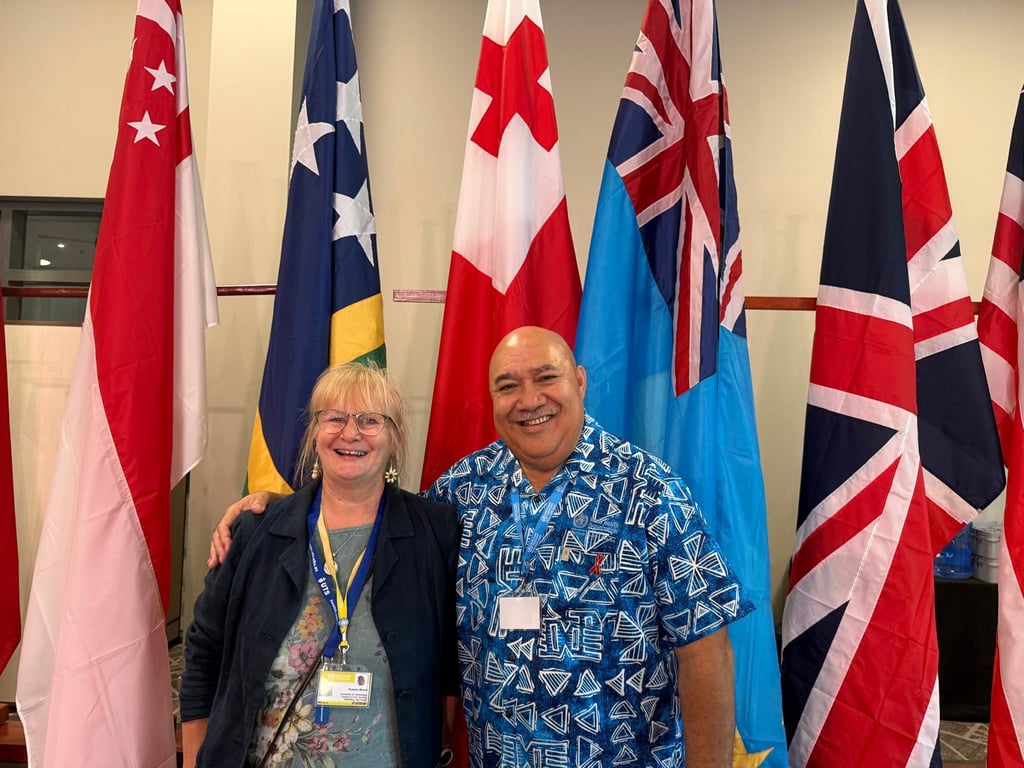
This year, the WHO Collaborating Centre for Nursing, Midwifery and Health Development at UTS (WHO CCNMH UTS) was honoured to attend. As Professor Michele Rumsey noted, “We were the only nursing and midwifery university in attendance… it is extremely important that the nursing and midwifery workforce is represented at the highest levels of regional decision‑making as they play a pivotal role in regional health policy and implementation”.
The momentous endorsement of the Implementation of the Global Action Plan on Climate Change and Health in the Western Pacific Region was a definite highlight, as WPRO Regional Director Dr. Saia Ma'u Piukala emphasized how “Rising temperatures…have tested the resilience of our cities, islands, and communities.”
Amongst the many milestones at this significant RCM was the endorsement of an implementation plan for the 2024 amendments to the International Health Regulations (2005) (IHR), alongside the WHO Pandemic agreement, aimed at strengthening health security.
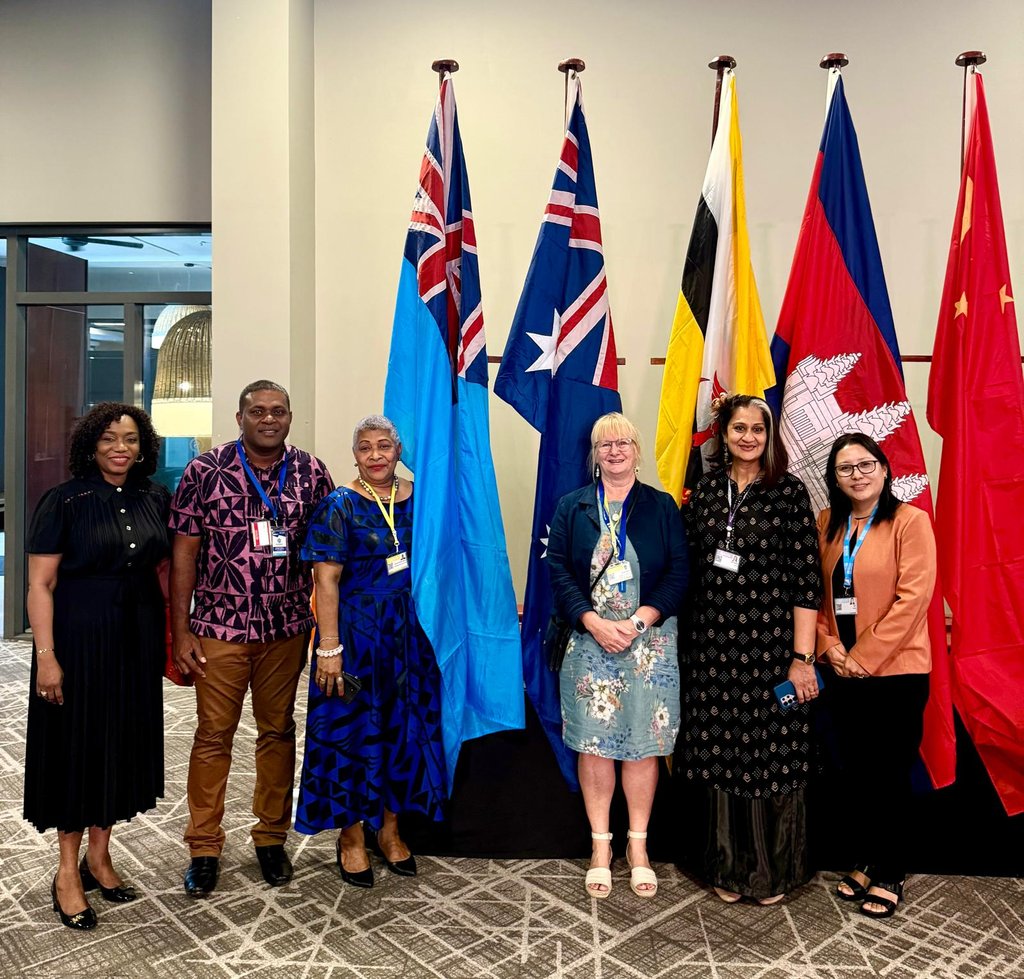
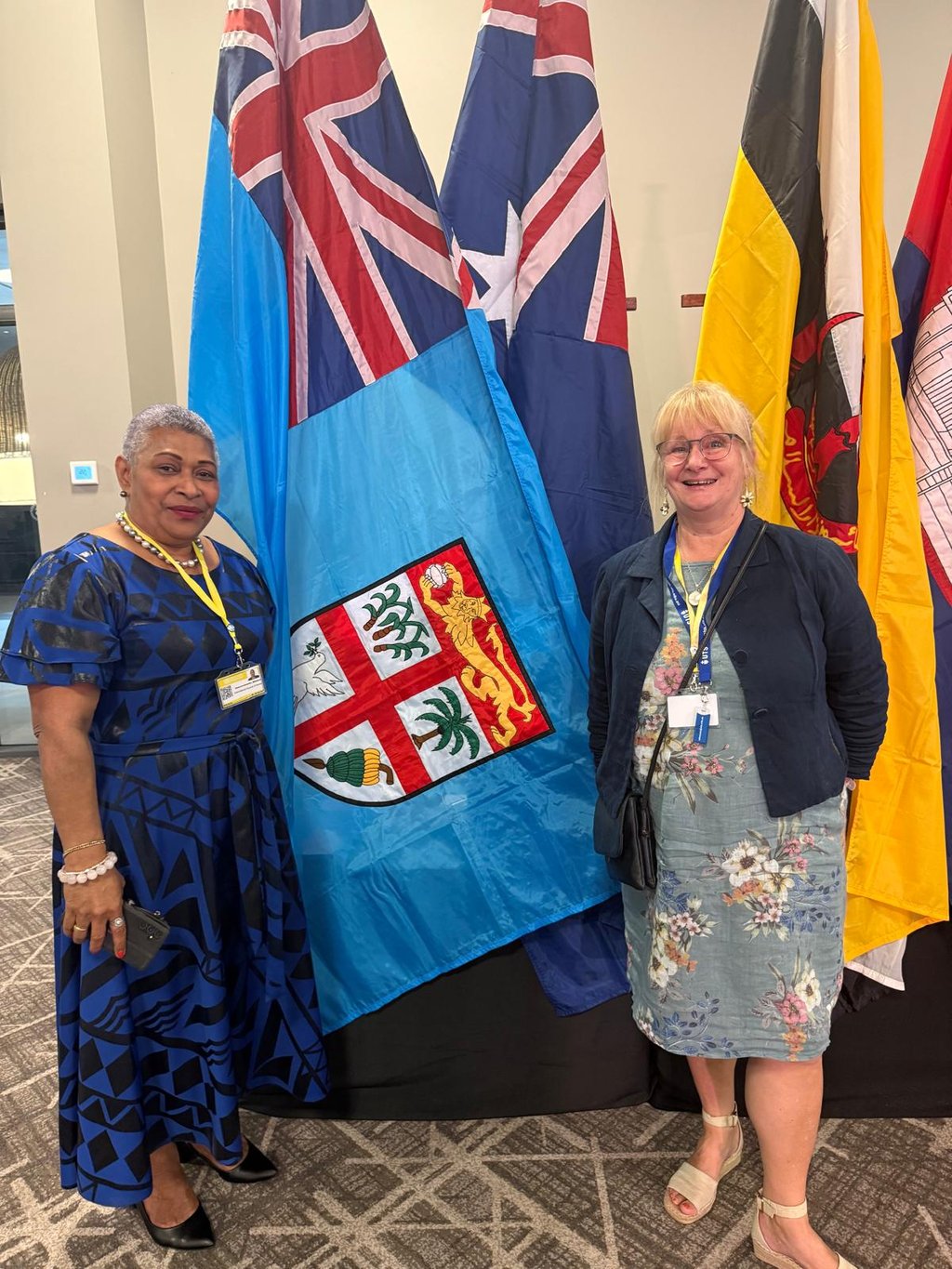
During this session, Fiji Nursing Association President Miliakere Nasorovakawalu gave a powerful address representing the International Council of Nurses. She commended and endorsed the implementation plans, as a “coordinated, equity-driven, global health security framework”, while strongly calling for better integration of nursing workforce and leaders in preparation of global and regional resources, plans, and frameworks, "a future-ready health security system must place nurses at the decision-making table—not only on the front lines.”
Nurses make up 86% of the health workforce in the region and are at the heart of successful implementation of action plans for all the priority issues discussed at RCM76. President Miliakere also called for support in funding and safety for the nursing workforce; and investments to nursing education and retention in the region, for successful implementation of the plans.
As summarised by WHO Director General Dr. Tedros Adhanom Ghebreyesus in his opening address, “there are successes to celebrate and challenges to confront”, and the region is stronger together. This 76th Regional Committee Meeting has given us much to be proud of as a region, while providing an opportunity to address gaps and under-prioritized challenges in the region’s journey towards achieving health for all.

News
Historical First-Ever Global Forum for WHO Collaborating Centres in Lyon
More than 800 WHO CCs across 80 countries attended, with 85 participants representing the Western Pacific Region’s Centres. WHO CCNMH Director, Professor...
News
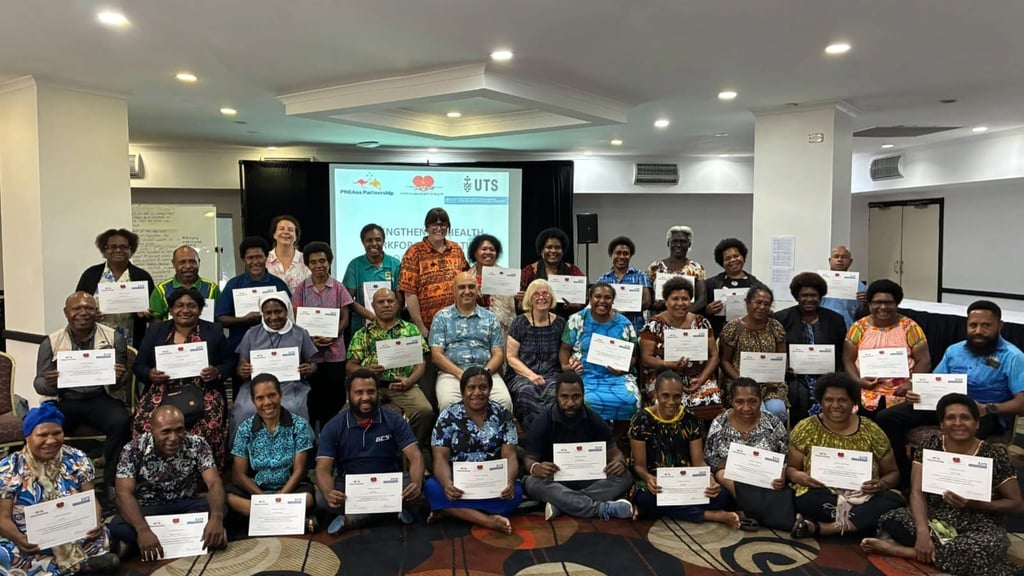
Strengthening Health Workforce Education at the University of Papua New Guinea
From 3–7 November 2025, the WHO Collaborating Centre for Nursing, Midwifery & Health Development (WHO CCNMH UTS) delivered an intensive Continuing Professional...
News
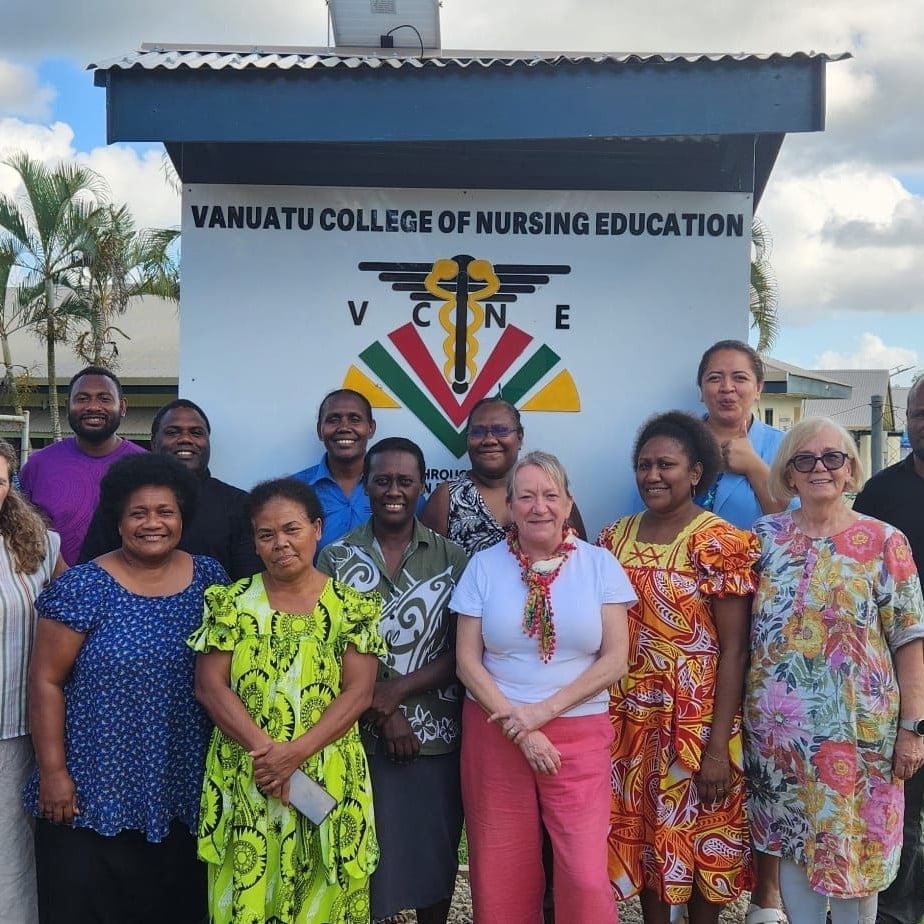
Vanuatu College of Nursing Education and UTS continue to support nurses through quality education
The Vanuatu College of Nursing Education (VCNE), under the Vanuatu Ministry of Health, has been continuously working towards strengthening nursing education...
News
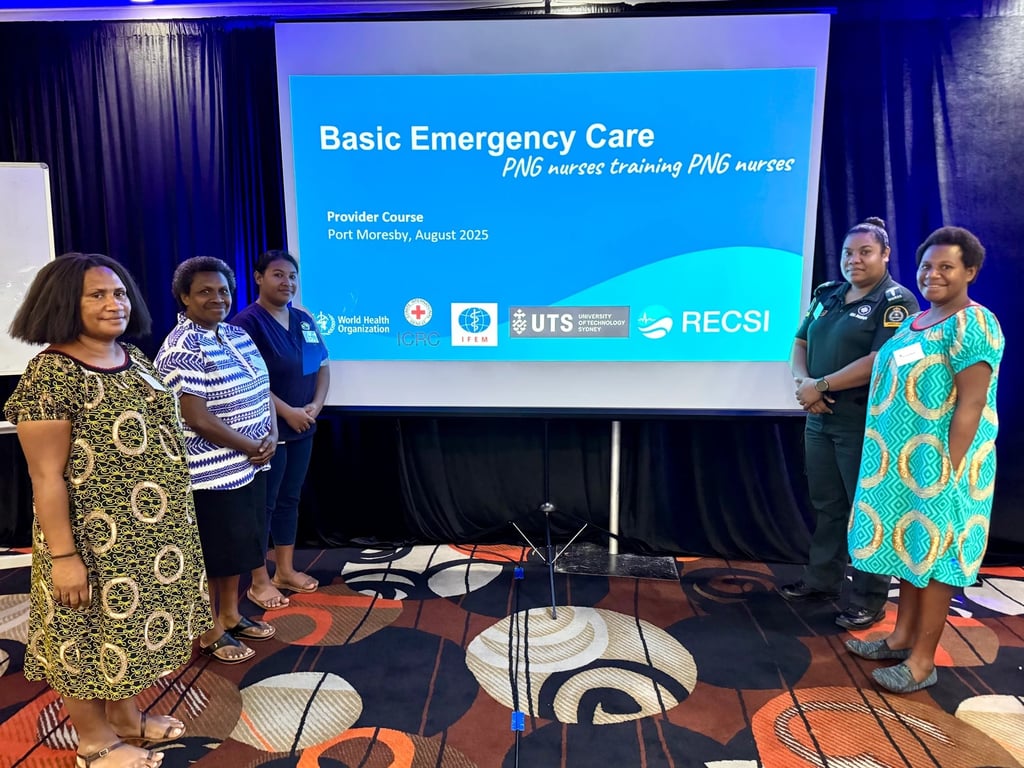
PNG Delivers Historic Emergency Care Training By Nurses, For Nurses
Held between August 18-22, 2025, the week-long course was a testament to local ownership of knowledge and practice, delivered by nurses, for nurses, with 18...
News
Historical First-Ever Global Forum for WHO Collaborating Centres in Lyon
More than 800 WHO CCs across 80 countries attended, with 85 participants representing the Western Pacific Region’s Centres. WHO CCNMH Director, Professor...
News
Strengthening Health Workforce Education at the University of Papua New Guinea
From 3–7 November 2025, the WHO Collaborating Centre for Nursing, Midwifery & Health Development (WHO CCNMH UTS) delivered an intensive Continuing Professional...
News
Vanuatu College of Nursing Education and UTS continue to support nurses through quality education
The Vanuatu College of Nursing Education (VCNE), under the Vanuatu Ministry of Health, has been continuously working towards strengthening nursing education...
News
PNG Delivers Historic Emergency Care Training By Nurses, For Nurses
Held between August 18-22, 2025, the week-long course was a testament to local ownership of knowledge and practice, delivered by nurses, for nurses, with 18...