


- Posted on 24 Apr 2026
- 3-minute read
A new conservation initiative is bringing together art and science in a bold effort to protect the weedy seadragon, one of Australia’s most extraordinary yet threatened marine species.
Seadragon Conservation is dedicated to the preservation of the weedy seadragon — a delicate, otherworldly creature found only in Australian waters, recently reclassified from Least Concern to Vulnerable on the IUCN Red List.
It is an inter-disciplinary project combining research, outreach, film and art, in a collaboration between the UTS Fish Ecology Lab, marine ecologists Professor David Booth and Giglia Beretta, designer Jordan Askill and SEALIFE Sydney
Seadragon Conservation aims to drive awareness and action to prevent weedy seadragons from becoming endangered by establishing comprehensive research datasets, breeding insurance populations and incorporating field observations.
“Weedy seadragons are a flagship species for Australia’s marine ecosystems,” says Professor David Booth from the UTS Faculty of Science.
"However this iconic species has seen recent population declines linked to South Australia’s toxic algae bloom and NSW’s climate-related storms."
“By better understanding and protecting them, we'll also be safeguarding the broader health of their habitat in the Great Southern Reef.”
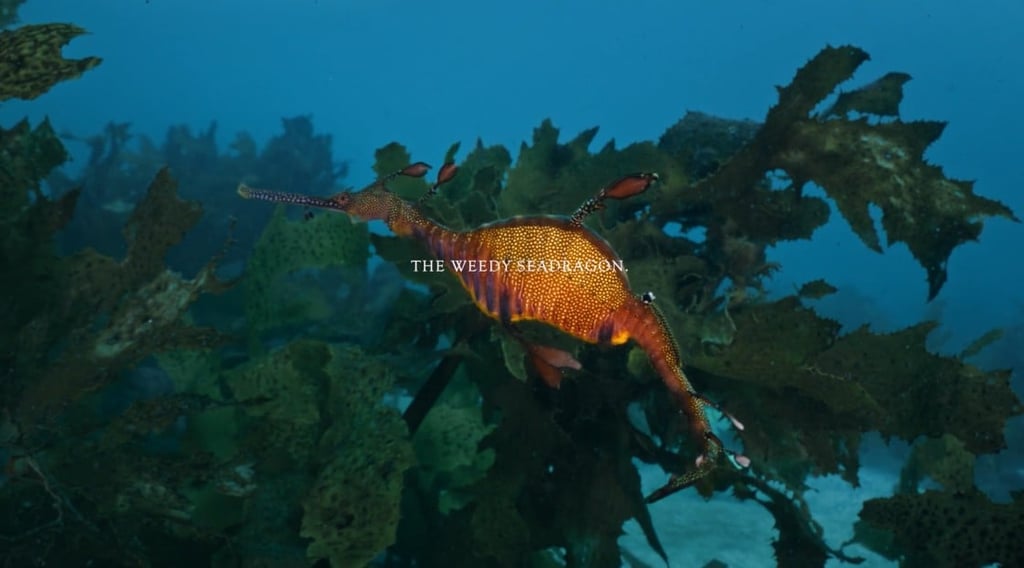
The project celebrates the power of interdisciplinary collaboration, using creativity and data to make marine science more accessible and emotionally resonant.
“This collaboration unites the power of research and the emotional impact of art,” says Jordan Askill, whose work often explores themes of nature and vulnerable species.
“We want to make these creatures visible in new ways and inspire action through beauty, education and storytelling.”
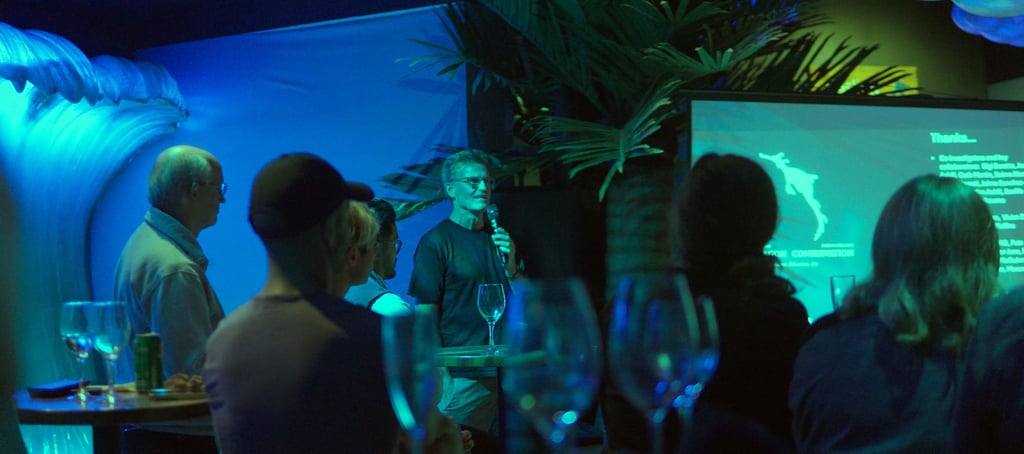
Seadragon Conservation was launched at an event at the SEALIFE Sydney Aquarium and has already received philanthropic support.
A grant from the James Kirby Foundation will support field research and data, while the initiative has raised $150,000 from a Sapphire Project annual gala dinner.
News
Australia leads the world in stuttering research, now digital innovation is reshaping stuttering care
The Australian Stuttering Research Centre at UTS marks 30 years of world-leading research.



News
AI gives rural doctors tools to tackle antibiotic resistance
Evaluation shows new decision support tool helps rural and remote doctors make better antibiotic prescribing decisions.
News
Australia leads the world in stuttering research, now digital innovation is reshaping stuttering care
The Australian Stuttering Research Centre at UTS marks 30 years of world-leading research.
News
AI gives rural doctors tools to tackle antibiotic resistance
Evaluation shows new decision support tool helps rural and remote doctors make better antibiotic prescribing decisions.