


- Posted on 28 Aug 2025
- 4 mins read
What the ABC once called a social media policy is now a public comment policy, though the new policy remains vague on what staff can and can’t say publicly.
There are a few changes though: the former policy didn’t include private conversations between ABC staff and others on messaging apps like Whatsapp and it didn’t include comments made by staff in public fora, like literary festivals. The latter does. Nor did the former policy detail levels of risk attaching to different positions. The new policy says workers at the “highest risk of undermining the independence and integrity of ABC content” include journalists, producers, news editors and senior leadership. And it makes clear that in the event of an alleged breach, HR should be on the end of the phone line, rather than senior management or members of the ABC board, presumably in a nod to the mess the ABC found itself in when Antoinette Lattouf was unceremoniously removed by her line managers from her short-term presenting stint over a social media post on Gaza.
The overhaul had been coming for a long time, according to Managing Director Hugh Marks. But it’s hard to imagine that the recent Federal Court judgment in the Lattouf case didn’t give the work some urgency. Judge Rangiah found that an Instagram post by Lattouf of a Human Rights Watch claim about Israel’s conduct of the war, might have been “ill-advised and inconsiderate of her employer”, even risking damaging the ABC’s reputation for impartiality. But the ABC, in a state of panic over a campaign by the pro-Israel lobby dismissed Lattouf in contravention of the protections she had under the Fair Work Act to express her political opinion. The ABC didn’t argue that it too had protections under the act. In any event, the judgment could have paved the way for staff wanting to test how far they could go in exercising their freedom to publicly express their political opinions before the ABC could stop them.
Now, there’s some detail around how that might happen and in what circumstances. Staff must be mindful that if they say something that on social media, at public events or in any context where comments may “reasonably” be expected to reach a public audience, including on private messaging apps like Whatsapp, that undermines the ABC’s independence or editorial integrity, their job could be on the line – though that decision is one which now lies firmly distanced from the ABC board. Public comments that don’t meet the standards set out in the guidelines will be managed in consultation with People & Culture and judged against Editorial Policies and staff might end up being found to be in breach of the ABC’s Code of Conduct. In other words, a line manager concerned about what a staff member has said publicly might refer them to People and Culture for a possible breach of the ABC’s Code of Conduct, but staff can’t be summarily dismissed, as Lattouf was by a line manager acting alone. In a sense, it’s what always has been the process, but it’s now in writing for the those who might have missed their induction to the ABC.
The new policy doesn’t offer much more detail on what might be considered to be in breach of the Code of Conduct. It simply says that employees “will not make any public comment that undermines your perceived or actual ability to perform your role; undermines the independence or integrity of the ABC or any ABC editorial content; implies ABC endorsement of your personal views; is on behalf of the ABC, or in a way that could be seen as representing the ABC, without prior authorisation”.
But that’s vague and possibly troublesome for the ABC as it continues to face criticism, largely from activists, over its coverage of Israel’s war against Gaza. The guideline doesn’t get to the nub of whether – as the activists say – some observable events can rub up against how impartiality is commonly practised and when that happens, journalists have a moral duty to reject the impartiality embedded in the ABC’s Editorial Policies and importantly in its charter. Under the new public comment guidelines, doing that might get a staff member into a spot of bother, which might be why the Media, Entertainment and Arts Alliance says the new policy is punitive towards those with expertise or lived experience who speak out against the way the national broadcaster covers some issues.
In the end, the new policy – much like the Rangiah judgment – does little to breach the gap between the broadcasters’ statutory obligations to be impartial and the happily growing diversity of ABC staff.
Author
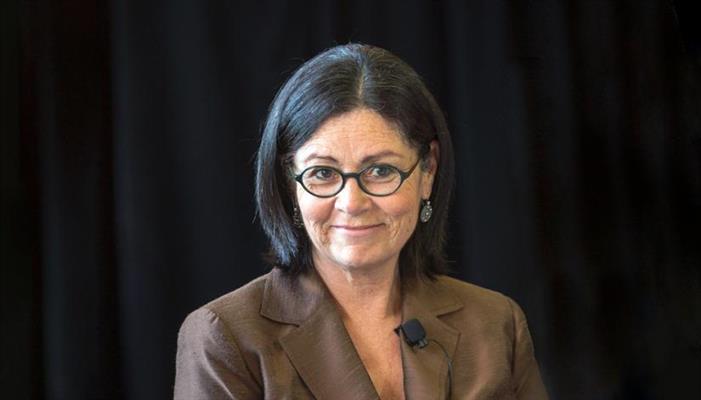
Co-Director, Centre For Media Transition, Faculty of Design and Society
Explore

News
Is AI really the problem?
Susanne Lloyd-Jones looks at the AI breaches of Australian Federal government sites and questions whether agentic AI working independently of human...

News
Maintaining trust in an era of AI Slop
Chris Hall takes a deep dive into the increasing amount of AI use on YouTube and he looks at how serious youtubers are being challenged by the increased...

News
Jason Arday and the media
This DoubleTake episode of the podcast features journalist and University of Melbourne lecturer Sami Shah talking with Monica about the media treatment of the...
News
Is AI really the problem?
Susanne Lloyd-Jones looks at the AI breaches of Australian Federal government sites and questions whether agentic AI working independently of human...
News
Maintaining trust in an era of AI Slop
Chris Hall takes a deep dive into the increasing amount of AI use on YouTube and he looks at how serious youtubers are being challenged by the increased...
News
Jason Arday and the media
This DoubleTake episode of the podcast features journalist and University of Melbourne lecturer Sami Shah talking with Monica about the media treatment of the...