


- Posted on 26 Aug 2025
- 3-minute read
New research highlights three Australian companies as standout examples of corporate climate leadership, setting a higher benchmark for business decarbonisation.
Despite net zero pledges covering 93% of global GDP, global emissions from fossil fuels rose by 0.8% in 2024. A new report from the UTS Institute for Sustainable Futures (ISF), highlights three Australian companies demonstrating positive practice in climate transition plans in an otherwise lagging global effort.
Commissioned by Climate Integrity, the ISF report assesses the net zero pledges of Fortescue, Lendlease and IKEA against the UN High Level Expert Group’s (HLEG) high integrity benchmark for climate transition plans and for alignment of their targets with scientific pathways. Net zero pledges were assessed using public disclosures, while interviews were also undertaken with company representatives to delve deeper into drivers and challenges of their decarbonisation journeys.
“Our assessment shows that while no company is yet fully aligned with the UN HLEG benchmark, it is possible for businesses to commit to high-integrity, science-based decarbonisation strategies,” said Alison Atherton, ISF’s Business, Economy and Governance Program Lead and report co-author.
Our assessment shows that while no company is yet fully aligned with the UN HLEG benchmark, it is possible for businesses to commit to high-integrity, science-based decarbonisation strategies.
The assessment builds on a 2024 ISF report that found widespread shortcomings in Australian companies’ climate transition plans. While most companies had public net zero targets, few aligned completely with the UN HLEG standards for climate transition plans, and none had committed to phasing out fossil fuels.
In contrast, the three companies in the latest report showed relatively high alignment with the UN HLEG benchmark. While operating in diverse sectors – mining, construction, and retail – Fortescue, Lendlease and IKEA have ambitious targets, which in some cases exceed science-aligned pathways. The report identifies four key areas of leadership:
- commitment to phase out fossil fuels for significant parts of the business
- commitment to achieve decarbonisation without reliance on offsets
- efforts to collaborate and support sectoral reform through leadership and information sharing, involving advocacy for real zero (not net zero), Scope 3 emissions protocol
- strong internal leadership and commitment to real decarbonisation outcomes, fostering a culture of commitment to targets as a core part of the companies’ culture.
The report aims to showcase what credible, high-integrity climate leadership can look like. “The ambition displayed by Fortescue, IKEA and Lendlease is redefining what corporate climate leadership could and should look like both in Australia and around the world,” said Climate Integrity Director, Claire Snyder.
Research outputs
download Real Zero Leadership: Positive Practice in the Net Zero Pledges of Australian Companies (2025) (Report)
News
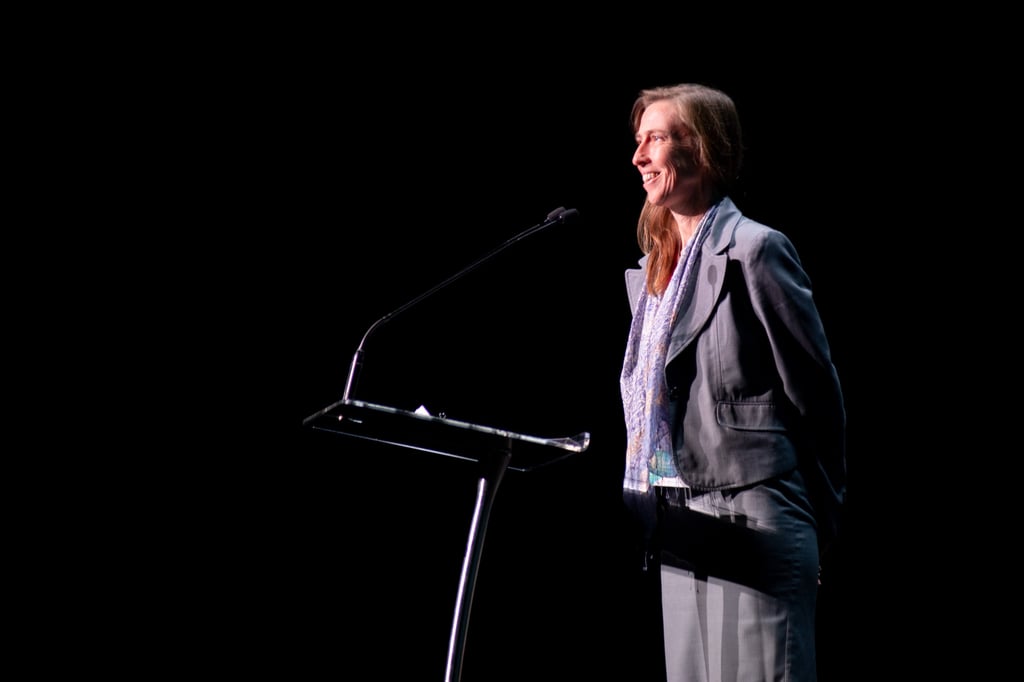
Professor Juliet Willetts appointed UN Special Rapporteur on human rights to water and sanitation
Professor Juliet Willetts will bring more than two decades of water and sanitation research and practice to her new role as a United Nations Special Rapporteur.
News
Liquid gold: could we turn our pee into fertiliser?
For thousands of years, human urine has had real value.
News
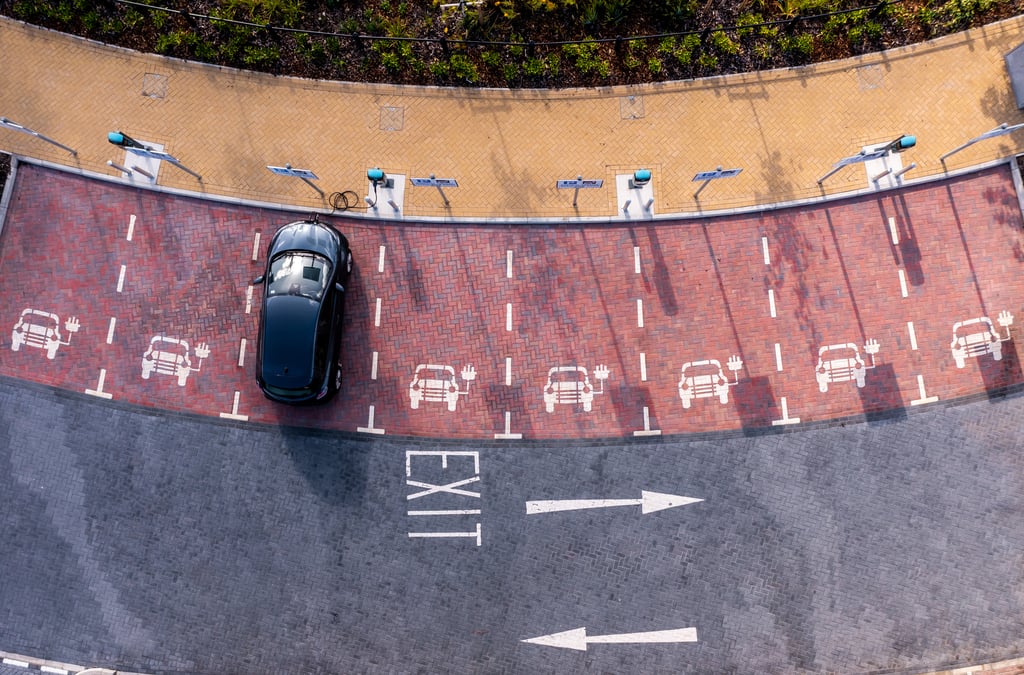
Australia’s EV sales are skyrocketing. Our charging infrastructure may soon struggle to keep up
Tighter regulation and careful planning will ensure our public chargers actually work.
News
Australia's first roadmap helps investors tackle the hidden carbon in buildings and infrastructure
For years, investors have focused on the emissions generated when buildings are operating.
News
Professor Juliet Willetts appointed UN Special Rapporteur on human rights to water and sanitation
Professor Juliet Willetts will bring more than two decades of water and sanitation research and practice to her new role as a United Nations Special Rapporteur.
News
Liquid gold: could we turn our pee into fertiliser?
For thousands of years, human urine has had real value.
News
Australia’s EV sales are skyrocketing. Our charging infrastructure may soon struggle to keep up
Tighter regulation and careful planning will ensure our public chargers actually work.
News
Australia's first roadmap helps investors tackle the hidden carbon in buildings and infrastructure
For years, investors have focused on the emissions generated when buildings are operating.