


- Posted on 12 Aug 2025
- 5 minutes read
An international team of scientists have made groundbreaking findings that describe five new-to-science species and rewrite the family tree of one of the world’s most iconic coral groups.
The research has reshaped the understanding of one of the reef’s most ecologically significant corals and raised questions for conservation.
What was once considered a single widespread coral species, Acropora hyacinthus, commonly known as a Table Coral, has now been revealed to be many.
Using advanced genomic techniques alongside traditional taxonomic methods, researchers have found that the lineage containing what was previously thought to be just three species of table coral is a complex group of at least 16 distinct species, five of which were previously unknown to science.
Some of these newly described species are only found on Australian reefs, including the Great Barrier Reef and as far south as Lord Howe Island in NSW.
Lead author Dr Sage Rassmussen from the University of Technology Sydney said the results were a surprise, showing there is much to learn about the reefs on our doorstep.
“Table corals are some of the most familiar and beautiful corals on the reef, so we assumed they were well understood,” Dr Rassmussen said.
“Our research reveals the opposite: what was once considered a single, widespread species is actually a whole group of species with much smaller geographical ranges."
This reshapes how we view the reef’s biodiversity. It’s like realising the ‘one’ tree you’ve always seen in the rainforest is a dozen distinct species hiding in plain sight.
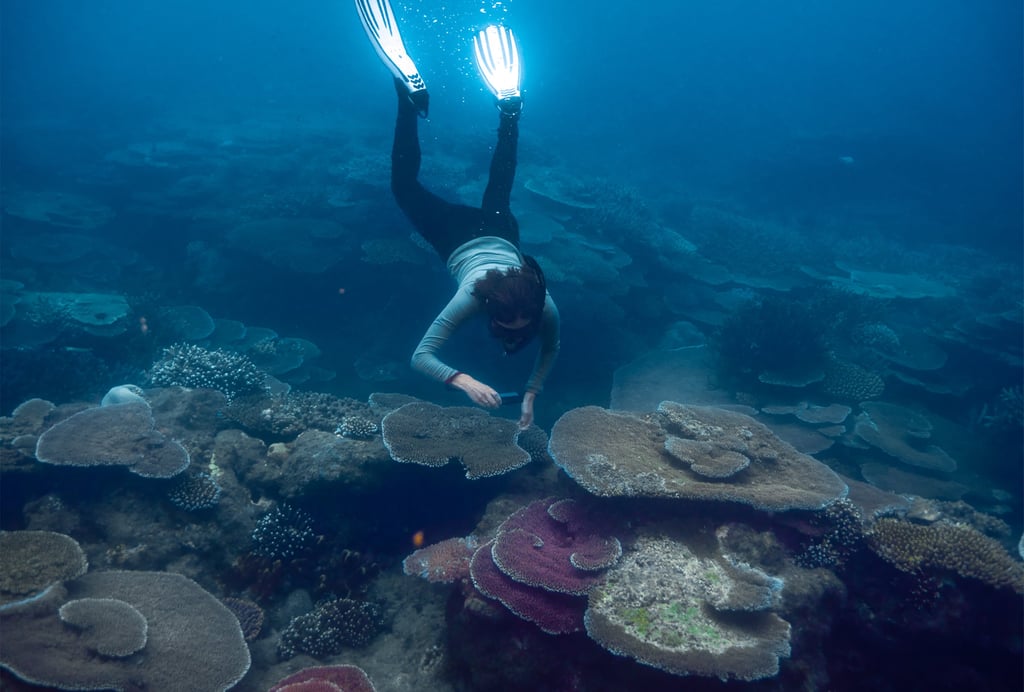
The findings, published in Invertebrate Systematics, are a wake-up call for reef management and restoration.
Species with small ranges are more vulnerable to extinction, especially as coral bleaching and climate effects intensify across the Indo-Pacific.
Among the five newly described species is Acropora harriottae sp. nov., named after the pioneering Australian Coral Reef Ecologist, Dr Vicki Harriott.
Another, Acropora nyinggulu sp. nov., is a common species on Western Australia’s Ningaloo Reef. Its name was chosen with the region’s Traditional Owners, the Baiyungu and Yinnigurrura people, as Nyinggulu is the traditional name for the area.
Queensland Museum Principal Scientist of Marine Biodiversity, Dr Peter Cowman, also an Associate Professor at James Cook University, said the study sets a new global benchmark for how scientists identify coral species.
“We combined the latest genome-scale DNA analysis and machine learning with a fresh look at century-old museum specimens to uncover evolutionary details we’ve never seen before,” Dr Cowman said.
“It’s like reading the coral’s genetic history book. This allows us to identify new species with much more confidence, and it reveals a hidden world of coral diversity that’s been right in front of us all along.”
This groundbreaking research was only possible by comparing the DNA of newly collected corals with historical specimens held in Queensland Museum’s State Collection and collections from museums across the world.
Dr Tom Bridge, Queensland Museum Senior Curator of Corals and Associate Professor at James Cook University, said data from more than 5,000 coral colonies collected and sequenced as part the project.
“Museum collections are like a library of biodiversity, holding specimens that are a snapshot in time. For this study, we were able to compare our new samples to the original ‘type’ specimens collected over 100 years ago,” Dr Bridge said.
Professor Andrew Baird from James Cook University said the study is a wake-up call for reef conservation and that these findings could change how we protect coral reefs.
“If ‘one species’ turns out to be ten different ones, each living in a smaller area with lower numbers, they could be at much greater risk of disappearing," he said.
“We need to urgently rethink how we assess and protect coral species - because you can’t save something if you don’t even know it’s there.”
Story
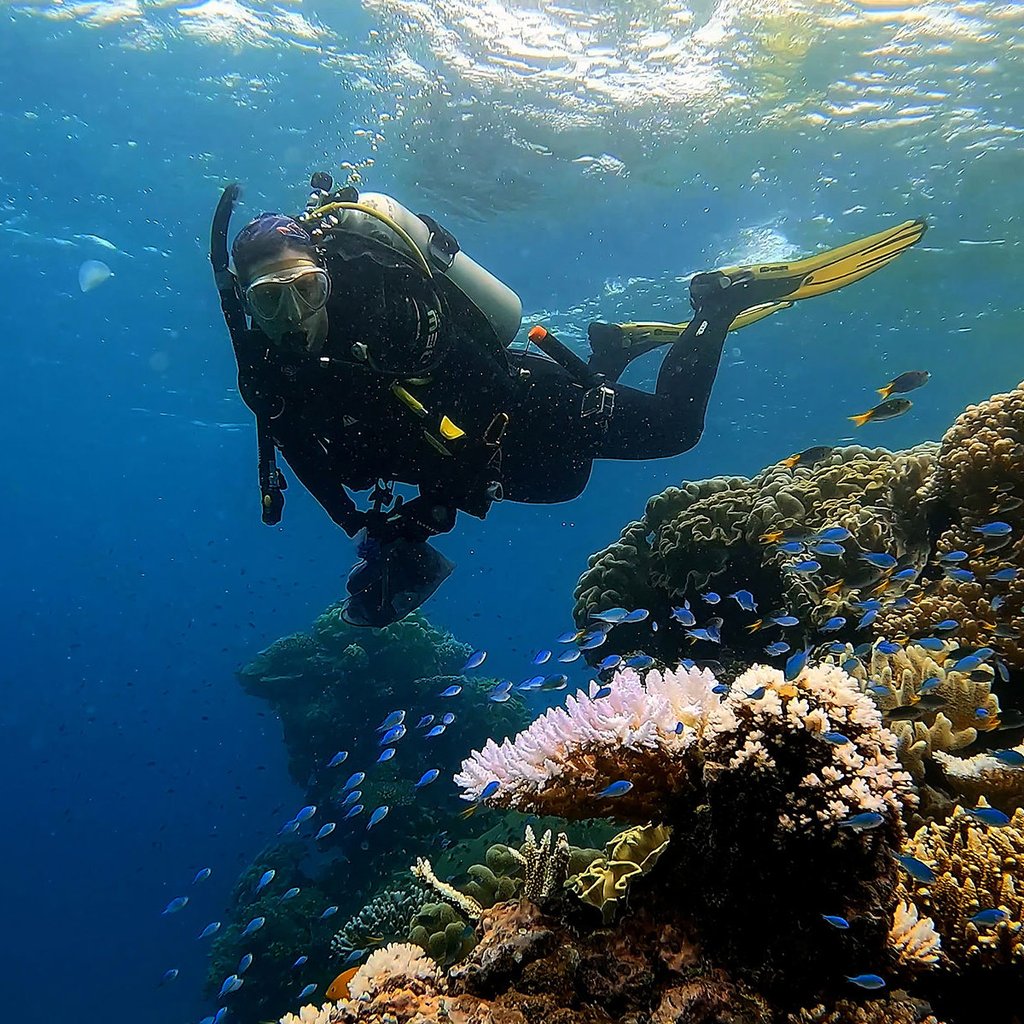
Fighting for the future of coral reefs
Why do some coral species thrive when others are degrading and dying? Groundbreaking research is revealing their secrets to survival and how these traits can...
News
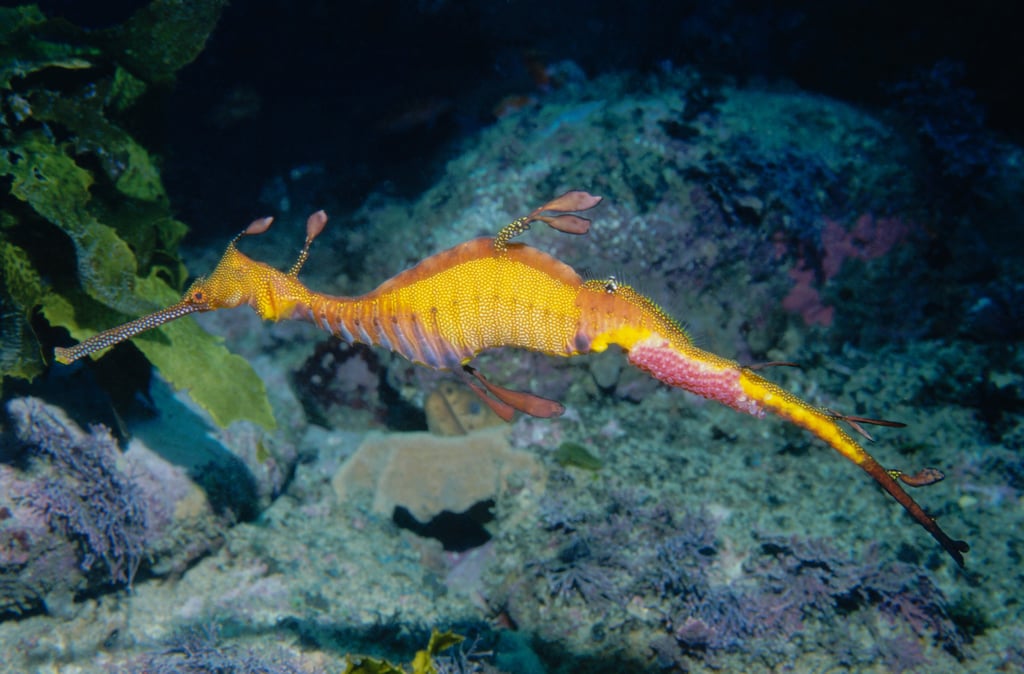
Wild weather linked to weedy seadragon deaths
Marine scientists are calling for beachgoers who find weedy seadragons washed up on the shore to photograph them and send details to researchers at UTS.
Webpage
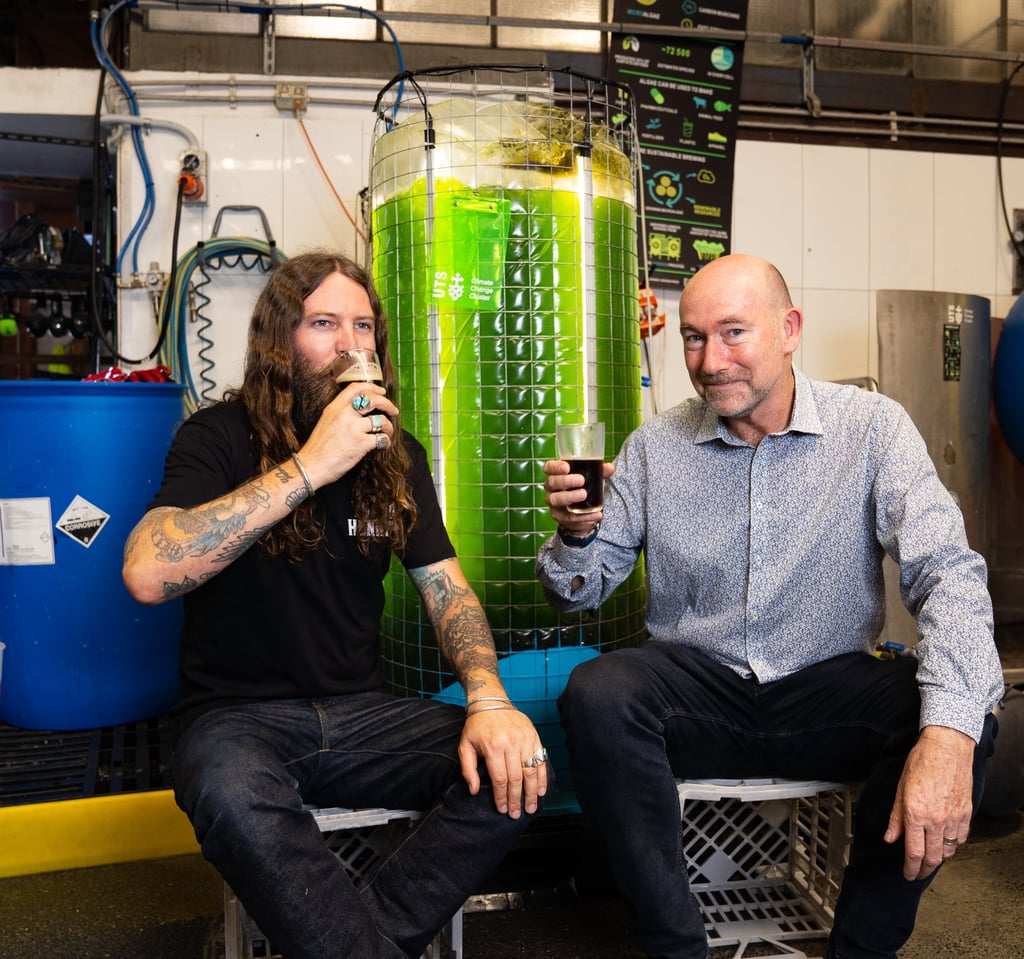
From pint to pasture: brewing climate-friendly beer
UTS and Australian craft brewery Young Henrys are turning waste from beer making into climate-friendly livestock feed.
News
Professor Juliet Willetts appointed UN Special Rapporteur on human rights to water and sanitation
Professor Juliet Willetts will bring more than two decades of water and sanitation research and practice to her new role as a United Nations Special Rapporteur.
Story
Fighting for the future of coral reefs
Why do some coral species thrive when others are degrading and dying? Groundbreaking research is revealing their secrets to survival and how these traits can...
News
Wild weather linked to weedy seadragon deaths
Marine scientists are calling for beachgoers who find weedy seadragons washed up on the shore to photograph them and send details to researchers at UTS.
Webpage
From pint to pasture: brewing climate-friendly beer
UTS and Australian craft brewery Young Henrys are turning waste from beer making into climate-friendly livestock feed.
News
Professor Juliet Willetts appointed UN Special Rapporteur on human rights to water and sanitation
Professor Juliet Willetts will bring more than two decades of water and sanitation research and practice to her new role as a United Nations Special Rapporteur.