


- Posted on 18 Mar 2025
Marine scientists are calling for beachgoers who find weedy seadragons washed up on the shore to photograph them and send details to researchers at UTS.
Dr David Booth, Professor of Marine Ecology at UTS, said increased reports of dead seadragons on Sydney’s beaches may be due to recent storms. Information from the public could help determine the scale of the problem and specific causes.
“Weedy seadragons are beautiful, otherworldly creatures that are closely related to seahorses. They are only found in southern Australian waters, and their survival is directly linked to marine ecosystem health,” said Professor Booth.
Professor Booth led research into the cause of seadragon deaths in April 2022, when more than 200 dead seadragons were found on beaches between the Central Coast and Wollongong.
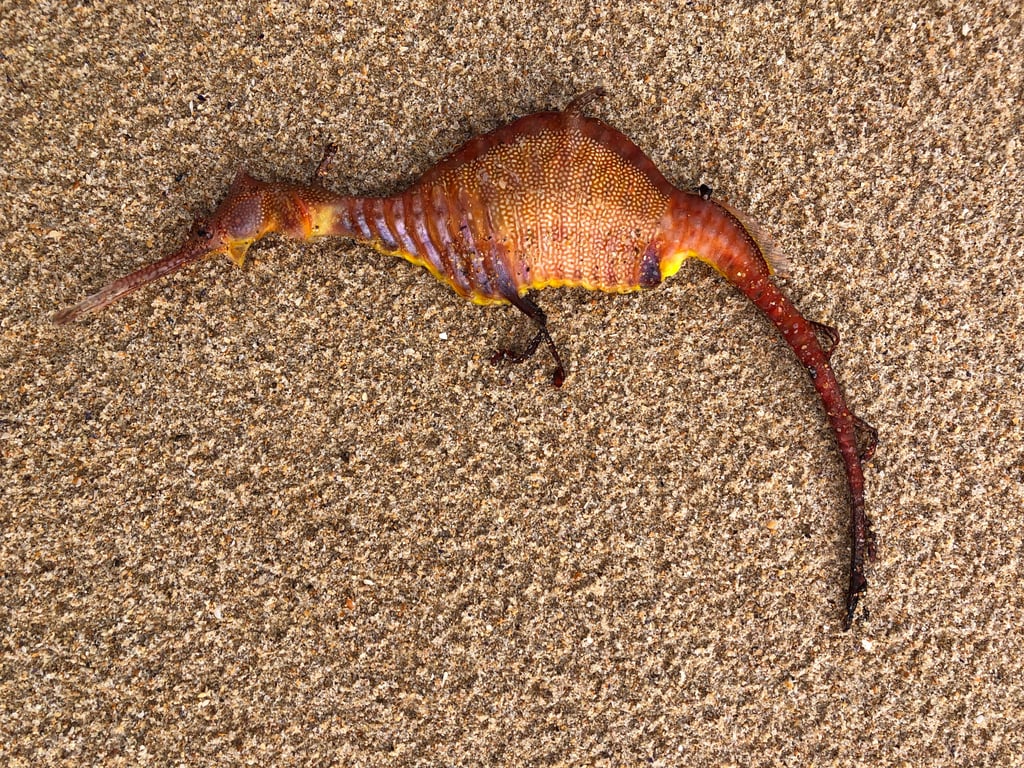
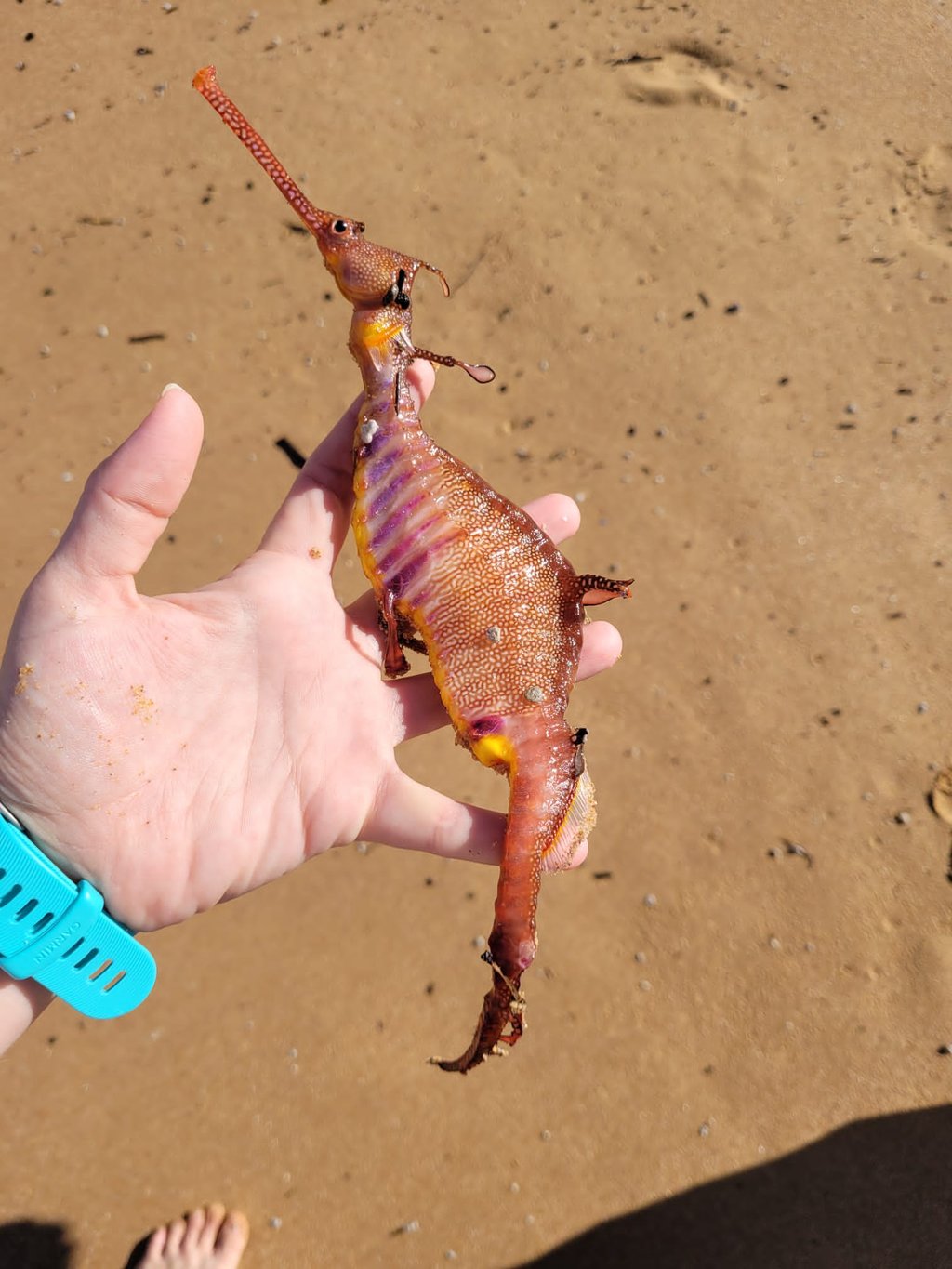
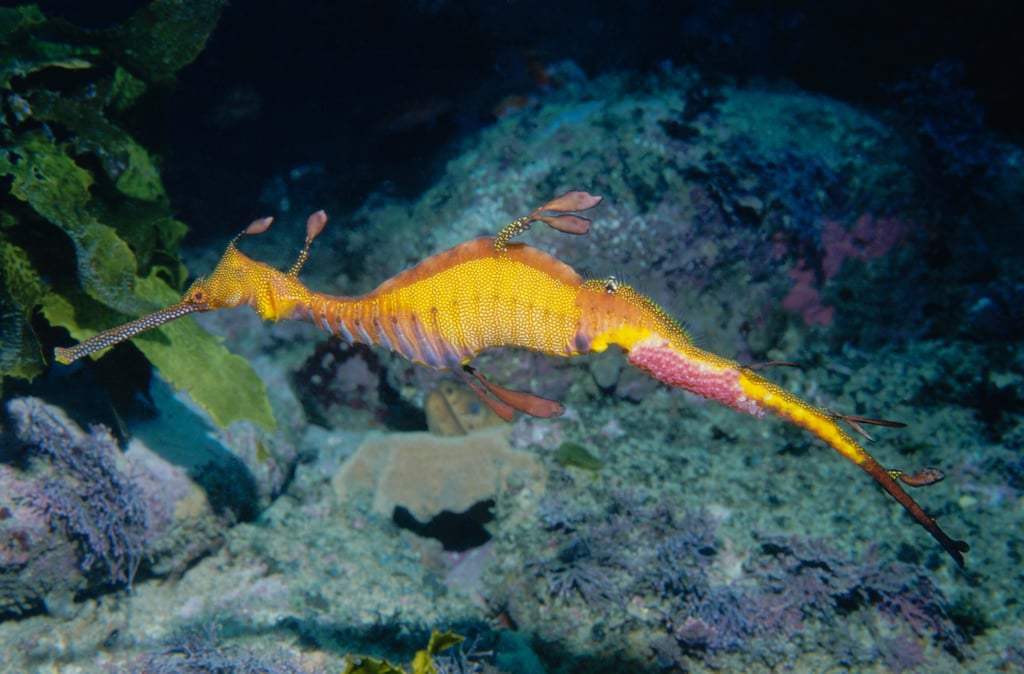
“Our investigation revealed the unprecedented deaths of seadragons were likely caused by a series of intense east coast low storms along with a marine heatwave. The extreme weather triggered record-breaking 14m high waves and eight times the normal rainfall.
“These storms caused significant ocean surges and underwater pressure changes, which seadragons struggle to handle. A significant portion of the local seadragon population was lost, and despite some recovery, populations around Sydney are still down.”
The study, Mass stranding of common (weedy) seadragons (Phyllopteryxtaeniolatus) in Sydney: impacts and implications was recently published in the Journal of Fish Biology.
There are three varieties of seadragon found in southern Australia – Weedy, Leafy and Ruby seadragons. They live in kelp forests or seagrass beds on or near shallow, rocky reefs, which also support many other marine species.
Small shrimp-like crustaceans called mysids are a major food source for seadragons. Mysids disappeared from Sydney coastal waters for many months in early 2022, and so a lack of food also likely contributed to seadragon deaths.
“As climate change drives more intense marine heatwaves and storms, along with stronger winds and heavier rainfall, this could pose a serious threat to the survival of seadragon populations,” said Professor Booth.
If someone finds a washed-up seadragon, UTS researcher and coauthor Giglia Beretta advises photographing the animal (including an item for scale in the image), recording where and when it was found, and emailing the details to assist with research.
Images can also be uploaded to iNaturalist Australasian Fishes. The collection of weedy seadragon carcasses is only allowed under strict permits – touching the protected species could result in a fine.
Dead animals can be collected with the permission of Professor Booth under his UTS Fish Ecology Lab DPI permit. The animals can provide important information for ongoing population studies.
Photo credit:
Professor Erik Schlogl