

- Posted on 14 Aug 2019
- 1-minute read
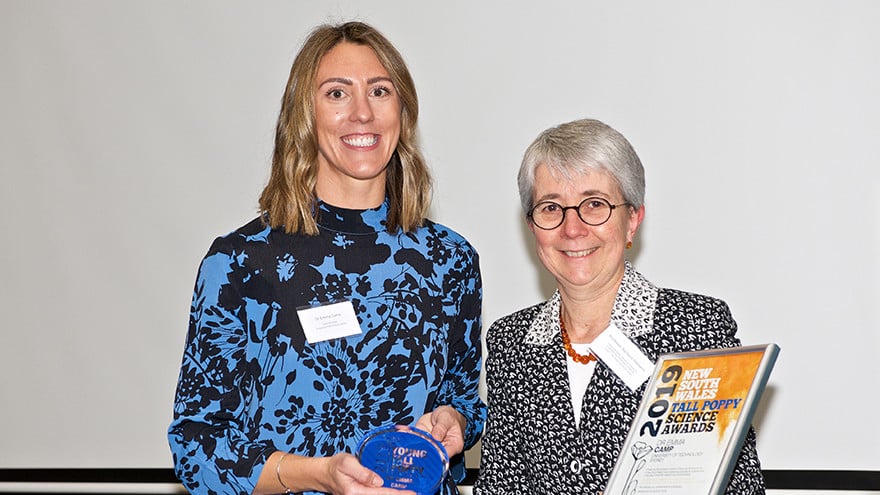
Dr Emma Camp is a marine geo-biochemist in the UTS Climate Change Cluster (C3) Future Reefs research program and Chancellors Postdoctoral Research Fellow.
Dr Camp’s focus on understanding how best to conserve coral reefs for future generations has taken her from iconic dive spots to the United Nations Assembly, giving her a platform to champion the protection of the world’s precious, yet threatened, coral reef ecosystems.
C3 Director, Professor Peter Ralph said that “Emma is a vibrant and prolific communicator” whose coral conservation messages have reached thousands of people including world leaders and policy makers.
“Her discovery of corals thriving in the extreme conditions of mangrove lagoons, ‘super corals’, is informing new adaptive management solutions on the Great Barrier Reef, and enhanced reef protection plans in New Caledonia, the Seychelles and the Cayman Islands,” he said.
“It’s an impressive record for an early career researcher, only five years from earning her doctorate. Emma is a real inspiration to young people who are thinking about studying science, showing them what careers in STEM can look like and how science literacy can help the broader community,” he said.
The annual Young Tall Poppy Science Awards, now in their 21st year, are administered by the Australian Institute of Public Affairs in Science (AIPS). Since 1998 more than 500 Young Tall Poppy Awards have been made around Australia, making a significant contribution to a more publicly engaged scientific leadership.
AIPS Chair Professor Maria Kavallaris OAM, who presented the awards on the night said:
“These Tall Poppies are already helping to promote a scientifically literate society where we can stimulate engaged discourse about the future of our communities and inspire a new generation of passionate researchers,”
“A more scientifically engaged society is something every scientist should aspire to and the reason that Tall Poppy winners are so important,” Professor Kavallaris said.
News
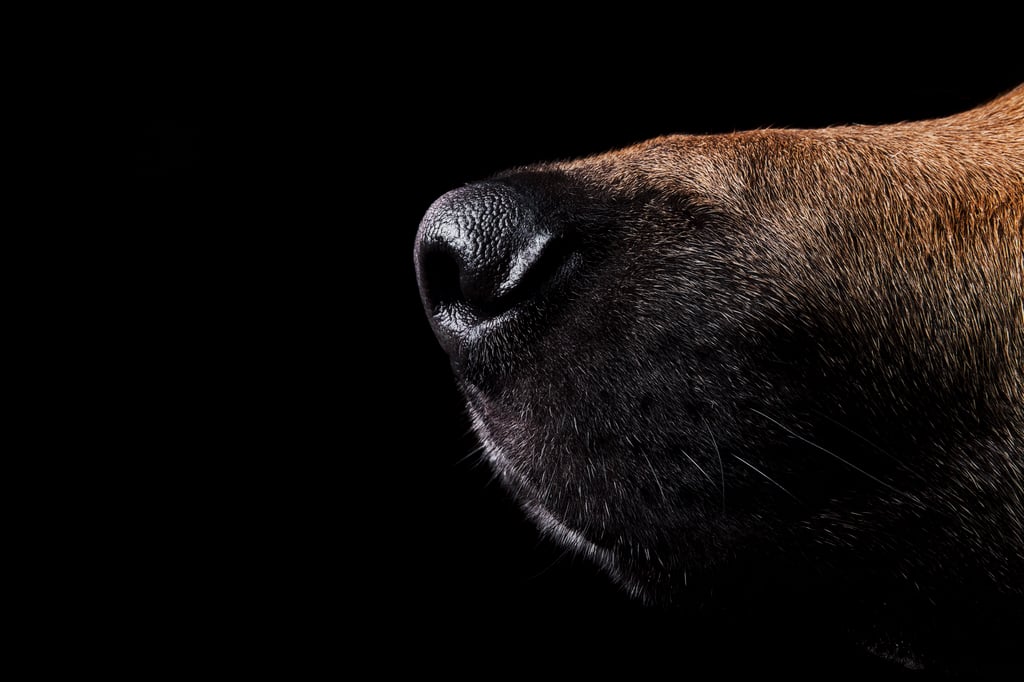
Electronic nose puts police detection dogs to the test
UTS researchers are using scent-sensing technology to help validate human-remains detection dog training.

News
Working from home for over-55s
The law provides a right to make a properly grounded request to work from home, a right to genuine consideration and, where necessary, access to an independent...

News
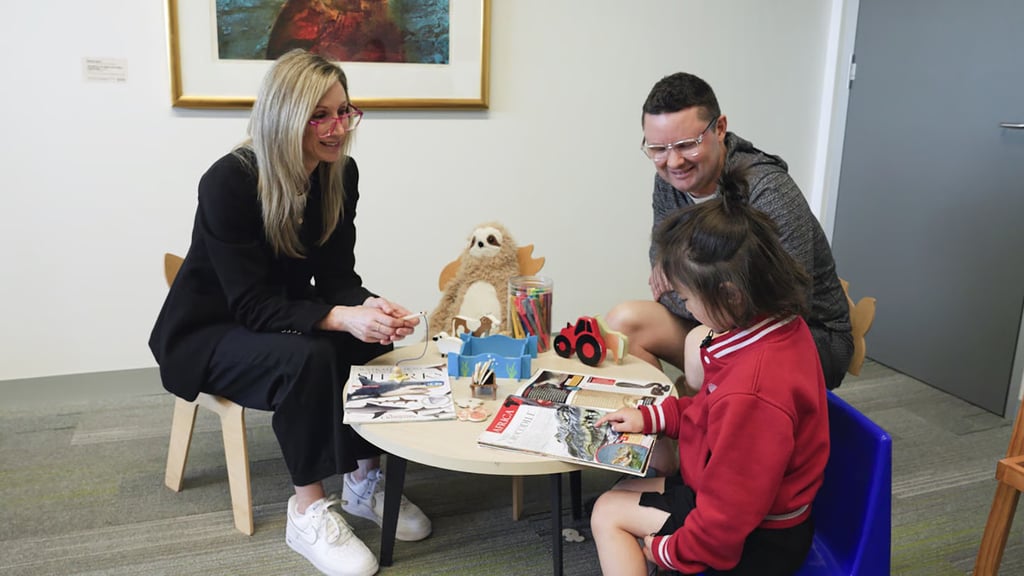
Australia leads the world in stuttering research, now digital innovation is reshaping stuttering care
The Australian Stuttering Research Centre at UTS marks 30 years of world-leading research.
News
Electronic nose puts police detection dogs to the test
UTS researchers are using scent-sensing technology to help validate human-remains detection dog training.
News
Working from home for over-55s
The law provides a right to make a properly grounded request to work from home, a right to genuine consideration and, where necessary, access to an independent...
News
Australia leads the world in stuttering research, now digital innovation is reshaping stuttering care
The Australian Stuttering Research Centre at UTS marks 30 years of world-leading research.