


Think you need to ‘push through’ or go it alone? You don't. If you’re neurodivergent, support is available to help make your uni experience feel more manageable.
New places. New people. New subjects. The beginning of session can be demanding, both socially and sensory-wise. And sometimes it’s the small things, like not knowing what to bring or whether you’ll be called on in class, that can lead to overwhelm.
But it doesn’t have to be that way. Hear from students who have been there before you and how you can get support.
“I wish I’d come earlier”
When pre-medicine student Natalia started uni, she knew to look for support right away. Having been diagnosed as neurodivergent late in high school, she researched different universities and was drawn to UTS specifically because of its ethos of inclusion and compassion.
After enrolling, her first step was reaching out to the Accessibility Service to find an Accessibility Consultant – someone who could help identify her strengths and limitations and guide her during her time at uni.
“From the first time I walked into my Accessibility Consultant's office, help was just a given and she was there as a sounding board and support,” Natalia says. “That was really wonderful and the experience was very validating.”
But not all students seek support right away. According to Liz Penny, who manages the Accessibility and Financial Assistance Service, they often see students hit crisis point before reaching out.
Some students aren’t aware of the service or that it supports students with non-visible disabilities, which can include autism, ADHD, Tourette syndrome and dyslexia. Many students don’t want to commit to support right away.
“It’s common for students to wait and ‘see if they can manage’. Later, they tell us they wish they’d registered sooner. It all comes down to personal choice,” Liz says.
But registering doesn’t mean you have to use the service right away. After meeting with an Accessibility Consultant to discuss available options, it’s over to you to decide if, and when, you want to use any adjustments.
For business student Freddy, one of the greatest benefits of registering early was simply having someone to talk to who knows you and your struggles.
“You don’t need to know what help you need before you go,” she says. “The Accessibility Consultants are really good at outlining what your options are. You might get adjustments and never use them, but it’s so great having them there as a security blanket.”

“I don’t always use the accommodations, but just knowing they’re there is really reassuring. Accessibility can take care of communication with teaching staff when I’m not confident to do it myself, and that support has been amazing.”
Ellen
Bachelor of Communication
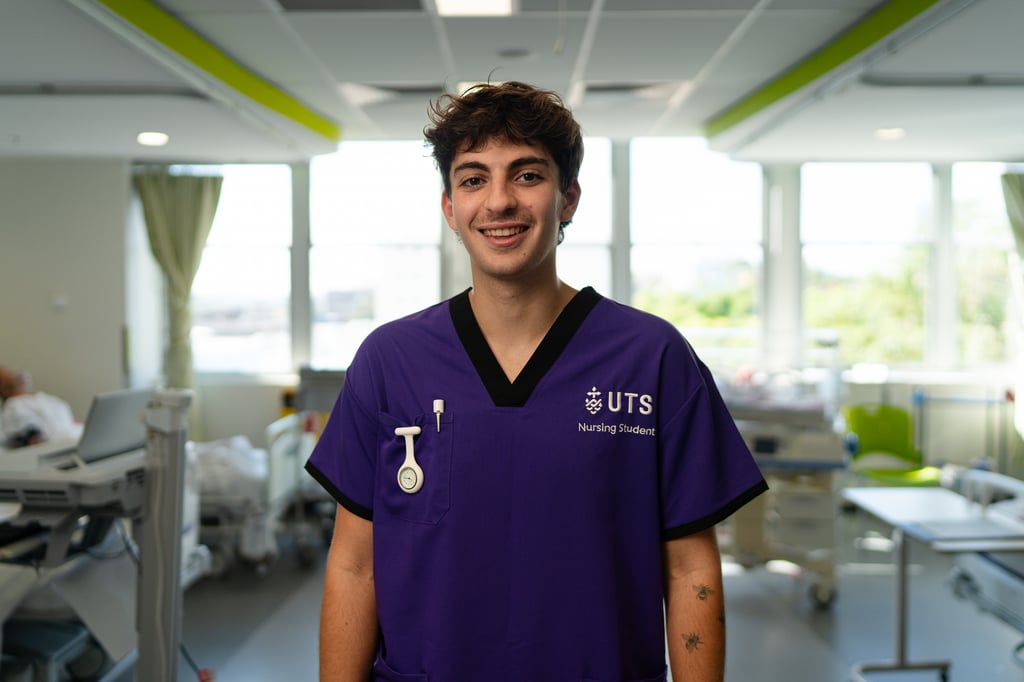
“I've had the most fantastic accessibility officer. She set me up so well and advocated for me and the staff have been so accepting of accommodating to my needs.”
Nathan
Bachelor of Nursing
What support can look like
Support looks different for everyone.
For Natalia, being in the classroom used to mean being unable to focus, worried she’d be called on to respond without warning.
“Instead of thinking about the work, I’m just thinking, ‘Okay, we’re talking about this. What question could they ask?’, and then I come up with that response,” she says. “I keep doing that because I don’t want to be caught off guard, and it gets to a point where I find it challenging just to listen and be present in the classroom.”
Teaching staff are now aware of an inclusive practice that means Natalia isn’t asked questions on the spot. As her feeling of safety in the classroom has grown, she’s increasingly volunteered to put her hand up and speak.
What accommodations can look like
- Not being cold‑called in class
- Clearer, more structured instructions for group work (not “figure it out yourselves”)
- Being able to use noise‑cancelling headphones or take short breaks without people assuming you’re disengaged
- Contributing in writing instead of speaking in front of the whole class
- Extra time or rest breaks in exams
- Having a tutor know in advance what might help you participate
When you’re in a safe learning environment, all those daily anxieties fade away or dim, and you’re able to focus on what’s more important to you.
Some adjustments are practical and technology‑based. For nursing student Nathan, accommodations have included receiving learning materials electronically so he can put them through a voice-to-text speaker or being given content an hour or two in advance.
Outside of class, adjustments can also help students manage their environment. For Freddy, learning she could access a more private study space on campus made a noticeable difference.
“I was starting to get frustrated trying to study in spaces that were meant to be quiet but weren’t,” she says. “Once my Accessibility Consultant told me about a private, quieter, darker room with private desks it allowed me to come to uni, feel involved and have a safe space to be at.”
“I had this sort of hesitation, almost a fear of guilt before getting adjustments, but that was completely wiped by accessibility officers and staff members. Everyone is so open and keen to help.”
Nathan
Bachelor of Nursing

“I've been able to take on things I never imagined I'd do, and the support I've had has made me feel capable of stepping into new spaces.”
Ellen
Bachelor of Communication
Thinking about reaching out? You’re not alone
There’s no single right time to reach out for support. But for some students, taking that step becomes a turning point not just in how they study but in how they see themselves and what they can accomplish at uni.
“Help doesn’t have to be loud or something that singles you out,” says Natalia. “It’s not something to be embarrassed about. You just have different needs, strengths and challenges, and that’s okay.”
Now, she’s looking to give back through the Accessibility Service’s Peer Mentoring program.
“It's been wonderful giving someone that same experience that I've had coming into the uni,” she says. “Having that student to student relationship, there’s someone approachable they can talk to with the day-to-day and have someone that can just say, ‘Oh yes, I understand.’”
“Do I need a diagnosis?” and other questions, answered
Featured students
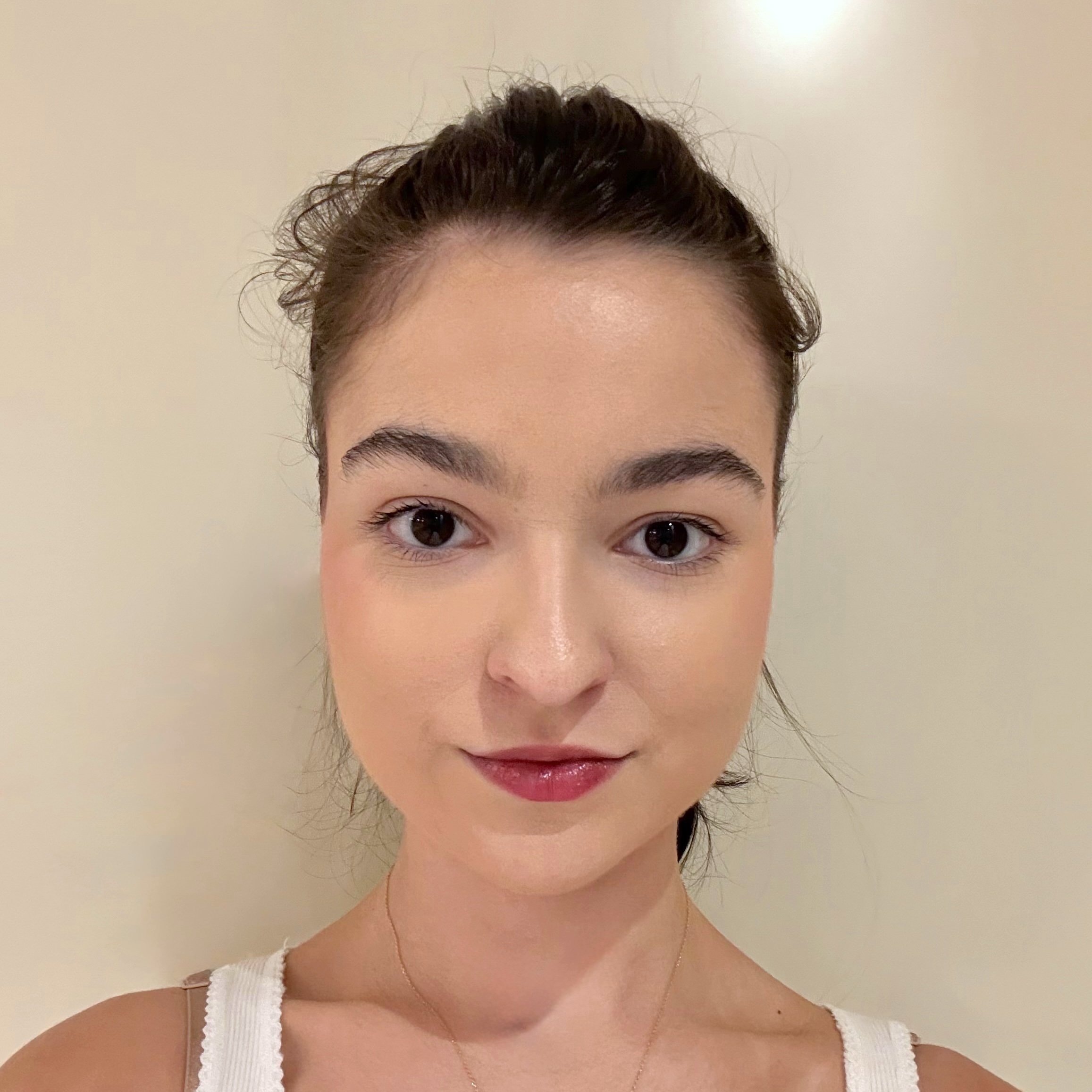
Natalia
Bachelor of Advanced Sciences (Pre‑Medicine)

Freddy
Bachelor of Business

Ellen
Bachelor of Communication

Nathan
Bachelor of Nursing

What's your study style?
Find out how to get the most out of your study sessions with these tips from UTS students.
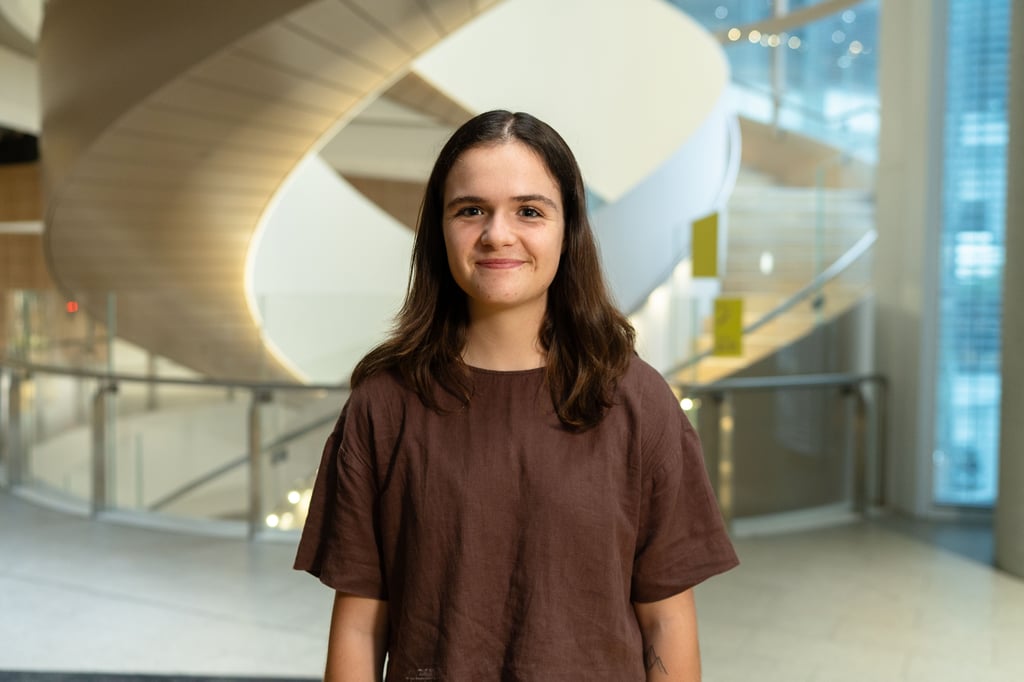
Finding a path through storytelling and advocacy
Real-world projects, supportive tutors and opportunities for personal growth are helping communications student Ellen Armfield shape a study and career path...
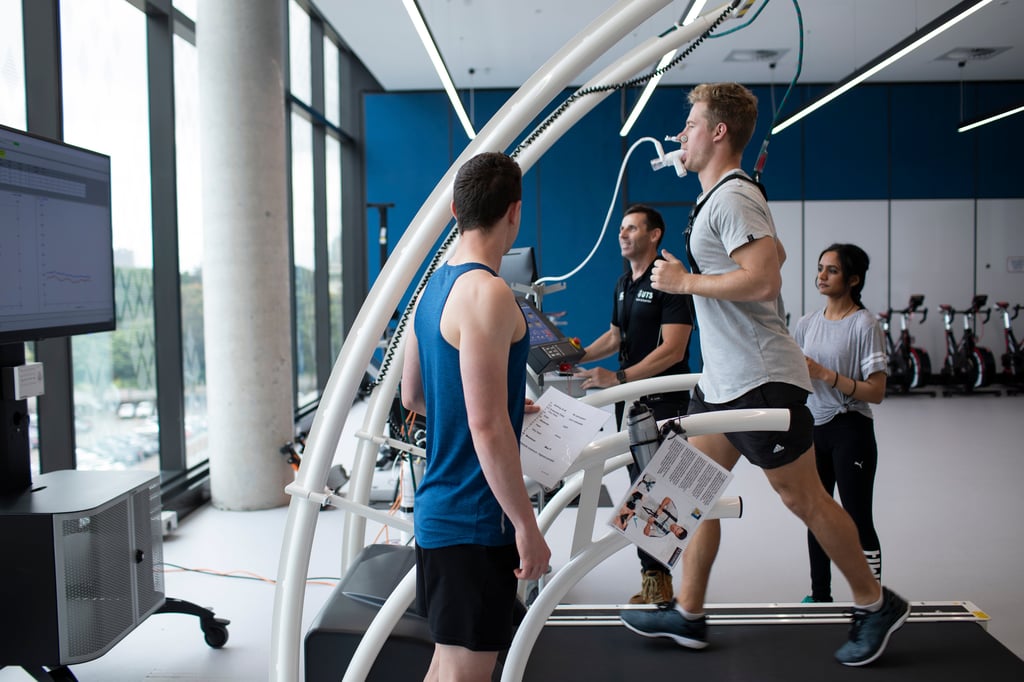
What it’s really like to be a sports scientist
Associate Professor Blake McLean shares what sports scientists do, where they work and the skills it takes to help athletes perform at their best.

How to study like an elite athlete
Associate Professor Blake McLean, sports scientist and Director of the High Performance Sport program at UTS, shares five lessons students can learn from elite...
What's your study style?
Find out how to get the most out of your study sessions with these tips from UTS students.
Finding a path through storytelling and advocacy
Real-world projects, supportive tutors and opportunities for personal growth are helping communications student Ellen Armfield shape a study and career path...
What it’s really like to be a sports scientist
Associate Professor Blake McLean shares what sports scientists do, where they work and the skills it takes to help athletes perform at their best.
How to study like an elite athlete
Associate Professor Blake McLean, sports scientist and Director of the High Performance Sport program at UTS, shares five lessons students can learn from elite...