

Creating a campus where everyone feels understood, supported and included.
The Hidden Disabilities Sunflower is a globally recognised symbol for non-visible disability. At UTS, the initiative helps build awareness, understanding and confidence so students, staff and visitors can access support without needing to explain their disability.
The Sunflower is a discreet way for people with hidden disabilities to indicate they may need:
- Extra time
- Understanding
- More detail or clarification
- Support or assistance
Hidden disabilities are more common than many people realise. Many members of our community live with conditions that may not be immediately apparent and may experience additional barriers, fatigue, anxiety, communication challenges or accessibility requirements that others cannot see.
What is a hidden disability?
Hidden disabilities are not immediately visible but can significantly impact a person’s daily life.
These may include:
- Autism, ADHD, or learning differences
- Mental health conditions such as anxiety or PTSD
- Chronic illnesses like diabetes, epilepsy, myalgic encephalitis (ME) or chronic pain conditions
- Sensory processing or neurological conditions
Learn more with Sunflower’s guide to over 960 hidden disabilities.
By participating in the Hidden Disabilities Sunflower program, UTS is helping create a community where people feel safe, supported and understood.
The initiative supports our commitment to accessibility and inclusion by:
- Recognising the diversity of disability experiences;
- Promoting awareness and understanding across our community;
- Empowering individuals to receive assistance without needing to explain or justify;
- Building our collective confidence and capability to support people with disabilities.
How to get involved
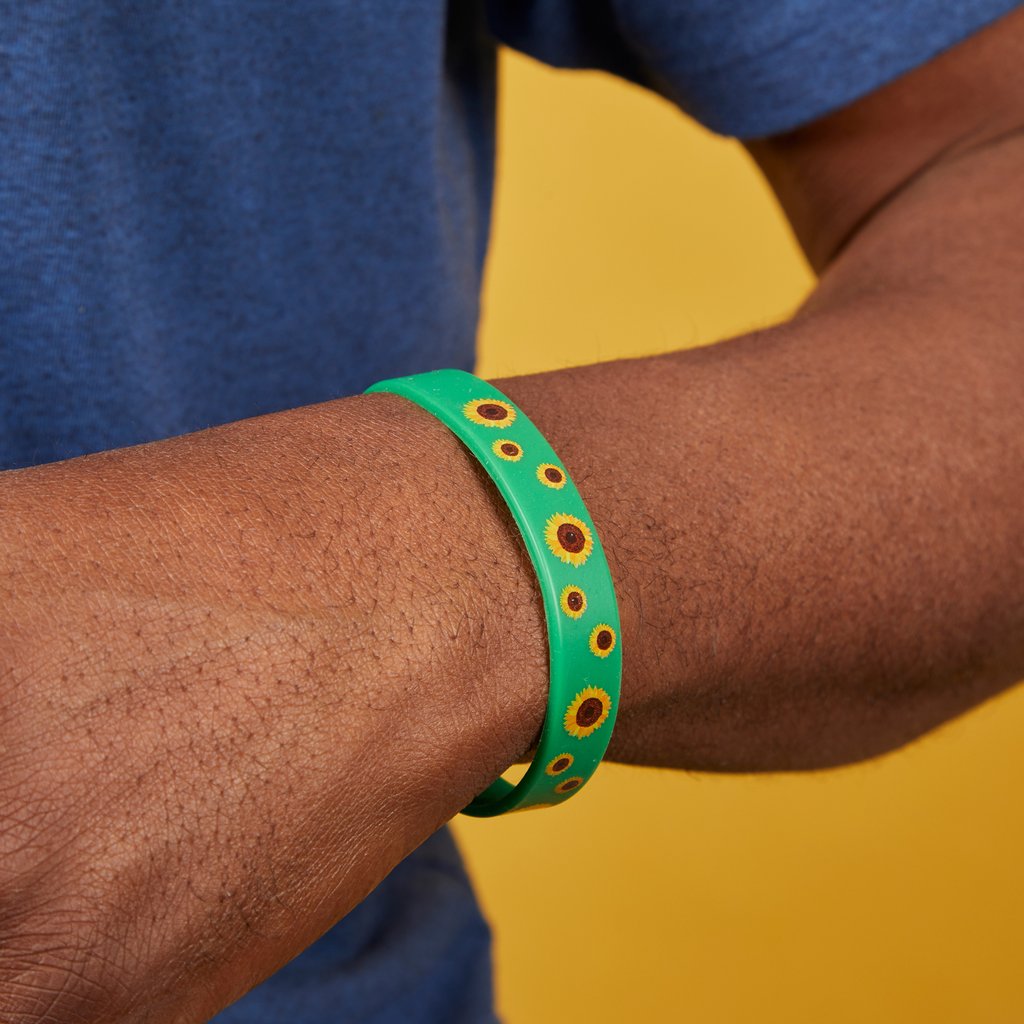
Wear the sunflower
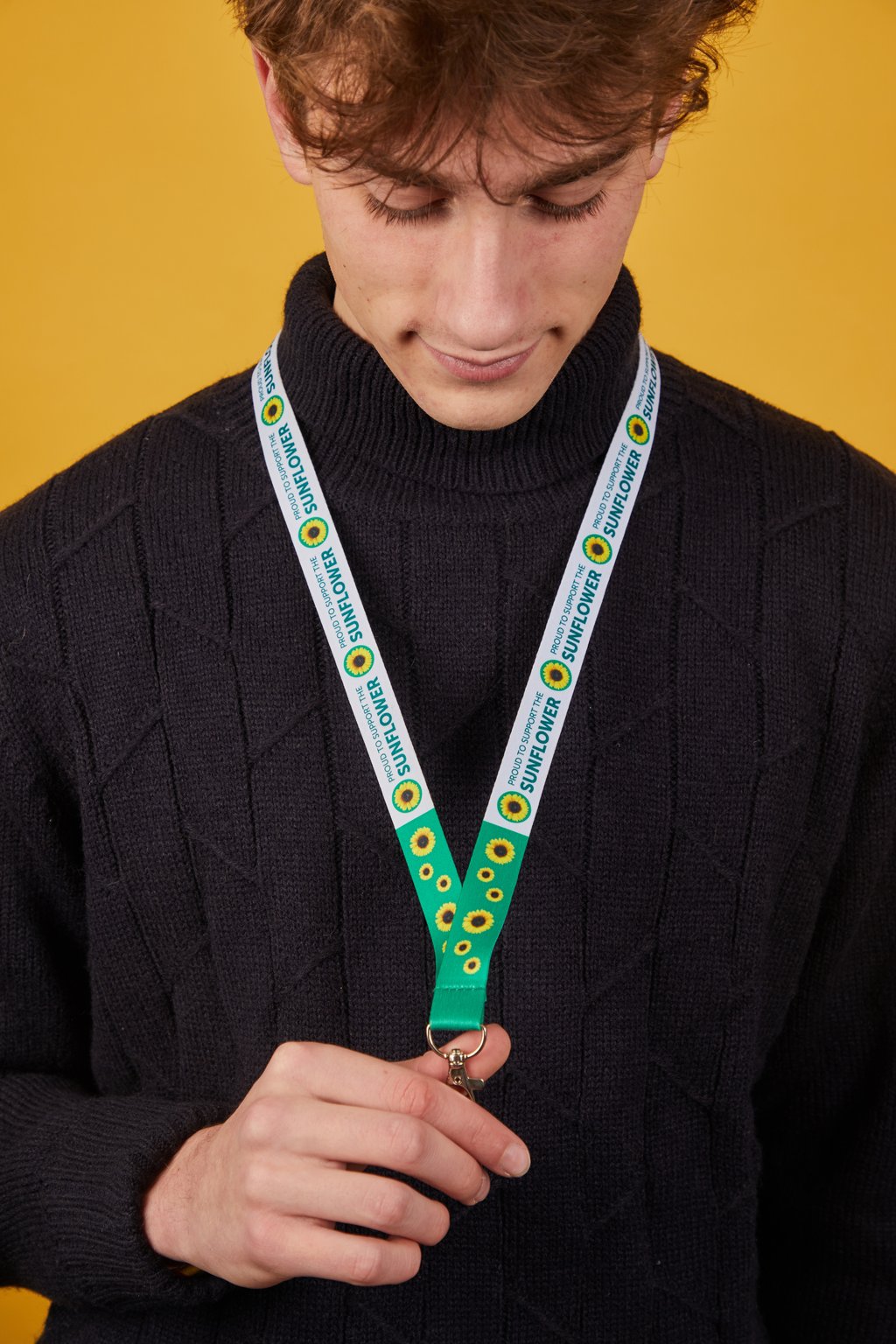
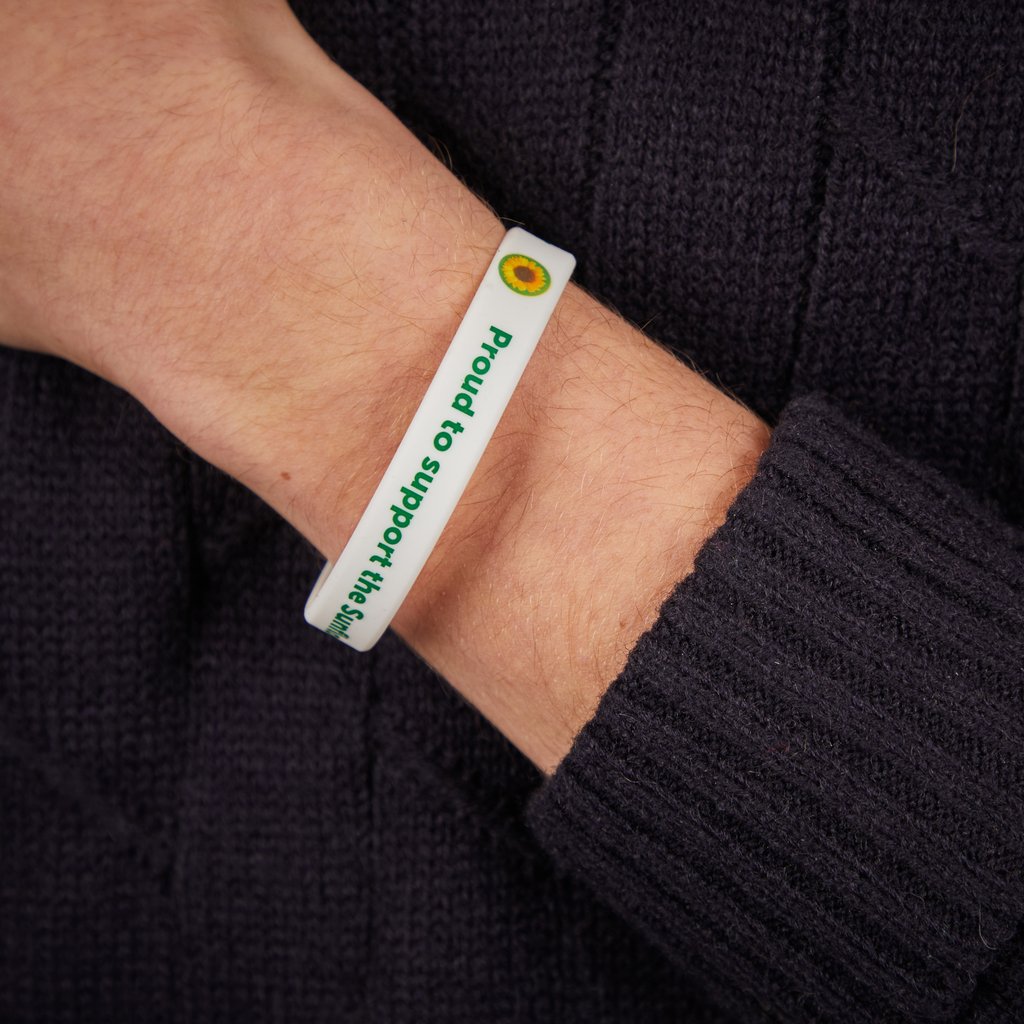
If you have a hidden disability, health condition or accessibility need, you may choose to wear a green sunflower lanyard, badge or wristband. Participation is completely voluntary and does not require you to disclose any personal or medical information. If you’d like to wear a green sunflower lanyard while on campus, you can pick one up free of charge from our Sunflower Champions.
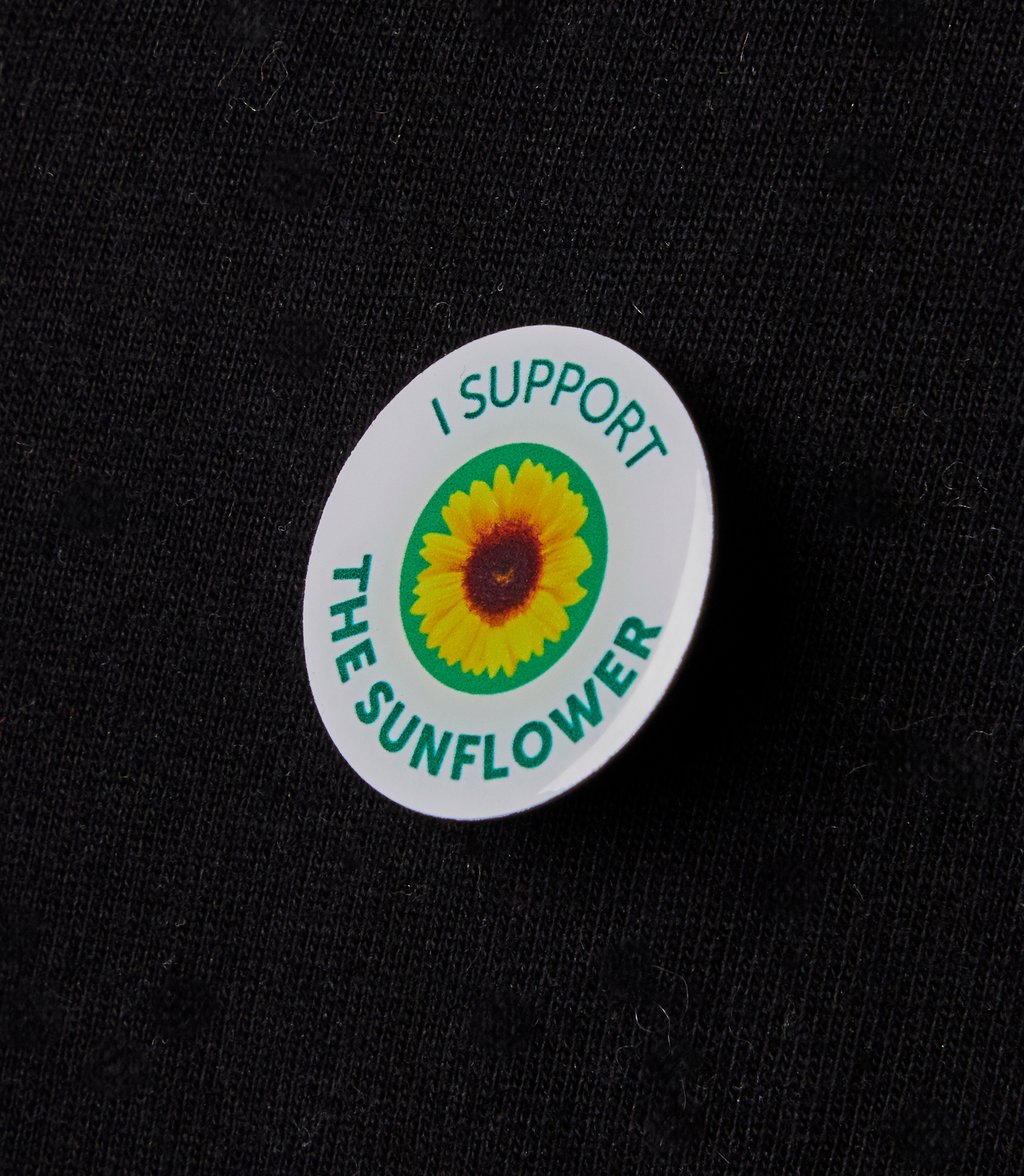
Become a Sunflower supporter
Learn to recognise the sunflower symbol, what it means and how to respond with empathy, patience and understanding. Once trained, Sunflower supporters can be recognised by wearing their supporter lanyard or badge.
Our Sunflower training has been updated for 2027. Complete the updated training to learn how to recognise the Sunflower symbol and respond with empathy, patience and understanding.
Important browser information.
- Windows users: Use Firefox only. The system does not record completion in Microsoft Edge, Safari or Google Chrome.
- Mac users: Use Firefox only. The system does not record completion in Microsoft Edge, Safari or Google Chrome.
Join the Sunflower Champions Network
Become part of a growing community of staff advocates and allys helping raise awareness, share best practice and embed inclusion across UTS.
By joining the network, you’ll have access to additional resources, additional training opportunities and stay up to date with the latest Accessibility news, events and collaboration opportunities across UTS.
Once you have completed your training, you’ll be invited to join our network. If your team or department does not currently have a active Sunflower Champion, you can nominate yourself.
What is a Sunflower Champion?
Sunflower Champions are trained staff members who act as local advocates for hidden disability awareness and inclusion, helping foster more accessible and supportive environments within their teams and work areas.
Champions help:
- Promote the Sunflower training
- Stock and distribute Sunflower lanyards
- Build awareness and understanding of the Sunflower Program
- Share resources
Start conversations
One of the most powerful ways to support inclusion is simply helping others understand that not all disabilities are visible.
Start conversations with your colleagues, classmates and teams about hidden disability, accessibility and inclusion. Share what you've learned through the Sunflower Program, challenge common assumptions and encourage others to think about how their actions can help create a more inclusive environment.
What does supporting someone look like?
Small actions make a big impact, we don’t expect you to have all the answers. Here are 4 simple way you can support someone wearing a Hidden Disability Sunflower.
1. Recognise
A person wearing the Sunflower may need extra support, understanding or consideration.
When interacting with someone wearing the Sunflower:
- Be patient and give people the time they need.
- Remain open-minded and avoid assumptions.
- Recognise that every person's experience and support needs will be different.
Lead with empathy, not assumptions.
2. Connect
Support often starts with respectful communication and active listening.
When speaking with someone wearing the Sunflower:
- Be kind and approachable.
- Listen carefully to what the person is telling you.
- Use clear and specific language.
- Ask questions respectfully if clarification is needed.
Support starts with a respectful conversation.
3. Respect
The most effective support comes from working together.
Remember to:
- Offer choices where possible.
- Respect privacy and confidentiality.
- Ask how you can help rather than assuming what support is needed.
Support people in ways that work for them.
4. Adapt
There is no single approach that works for everyone.
Be prepared to:
- Be flexible in your approach.
- Adapt to individual circumstances and needs.
- Follow the person's lead whenever possible.
Adapt to the person. One size never fits all.
Remember
Not every disability, condition or accessibility need is visible. A person may appear confident, capable or independent while still experiencing barriers that others cannot see. Small actions, respectful communication and a willingness to listen can make a meaningful difference to someone's experience at UTS.
Guide for supporting the Hidden Disabilities Sunflower Initiative at UTS
The Hidden Disabilities Sunflower is a globally recognised symbol that someone may need extra time, support, or understanding due to a non-visible disability. At UTS, we’re committed to creating a campus where everyone feels seen, supported, and respected.
All staff are encouraged to complete the short online training and wear the supporter sunflower products (lanyard, pin, display sunflower in email signature) to show their support and understanding of disability.
Explore how each role can contribute to this initiative and help build a safe and inclusive study and work environment.
Digital signatures
Add the Hidden Disabilities Sunflower logo to your email signature.

Download the image (PNG, 16KB)

Where can you get a Sunflower lanyard?
You can collect a lanyard or badge from:
Or you can request one by emailing student.services@uts.edu.au.