


What being a UTS Wellbeing Rep taught Nenyasha about connection.
As a Wellbeing Rep and international student, Nenyasha has seen first-hand what helps students navigate stress, loneliness and the pressures of university life. Here's what she's learned about staying connected, seeking support and getting the most out of university.
I became a Wellbeing Rep because I genuinely enjoy talking to people and wanted to meet new people and make friends at UTS. Starting university in a new environment can be exciting, but it can also be lonely. I wanted to help create a space where students could feel comfortable talking and connecting.
Along the way, I've learned a few important lessons about wellbeing, connection and asking for support. I hope some of them help make navigating university feel a little easier for you, too.
Find ways to connect, especially if you're an international student
I wish someone had told me that loneliness can still be real even when you have made new friends. You can have a great day at university, talk to people and make connections, but then go back to your room and suddenly feel very alone.
Being away from home makes this especially noticeable. I think it's important to acknowledge that feeling instead of thinking you shouldn't be lonely just because you have friends.
Finding ways to stay connected, getting involved and giving yourself time to adjust can really help. Whether that's joining a club or society, spending time in the Wellbeing Lounge or volunteering as a Wellbeing Rep or Peer Networker, taking that first step can make university feel a lot less overwhelming and a lot more connected.
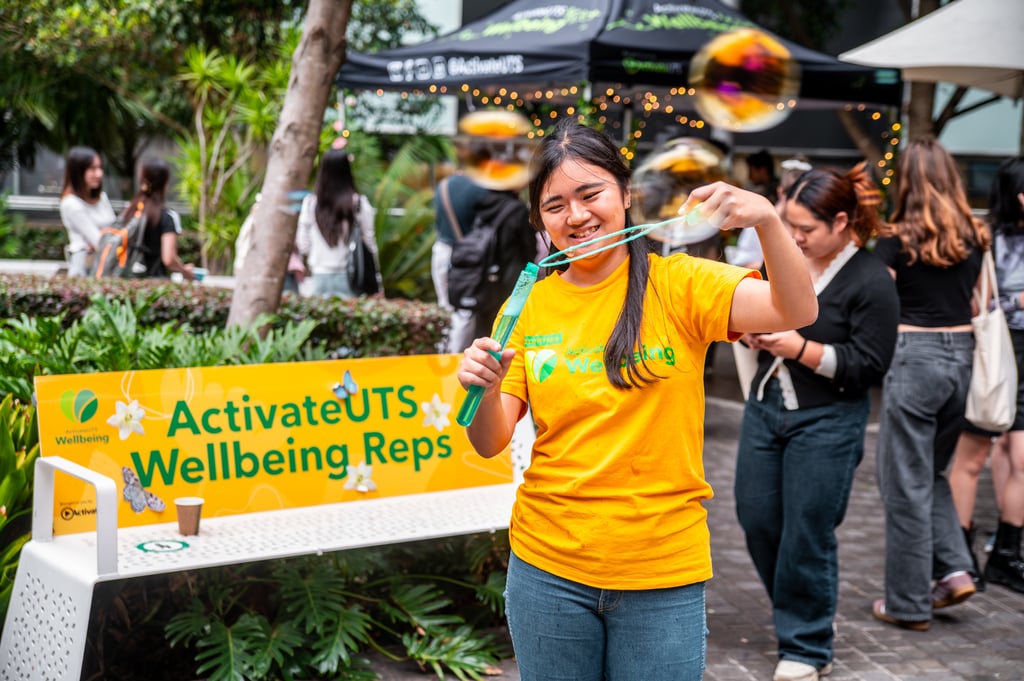
Take a break and unwind in the Wellbeing Lounge
Every student is dealing with different things, whether it's university, finding a job, finances or adjusting to living in Sydney, which can be very expensive. The free, drop-in activities in the Wellbeing Lounge (Building 2, Level 4) give students an opportunity to take a break and unwind from everything going on.
People come to the lounge just to hang out with their friends, talk and relax. It almost feels like its own little world away from the pressure of university. Seeing students use the space to connect and take a break has shown me how valuable it is to have somewhere to simply relax and be yourself.



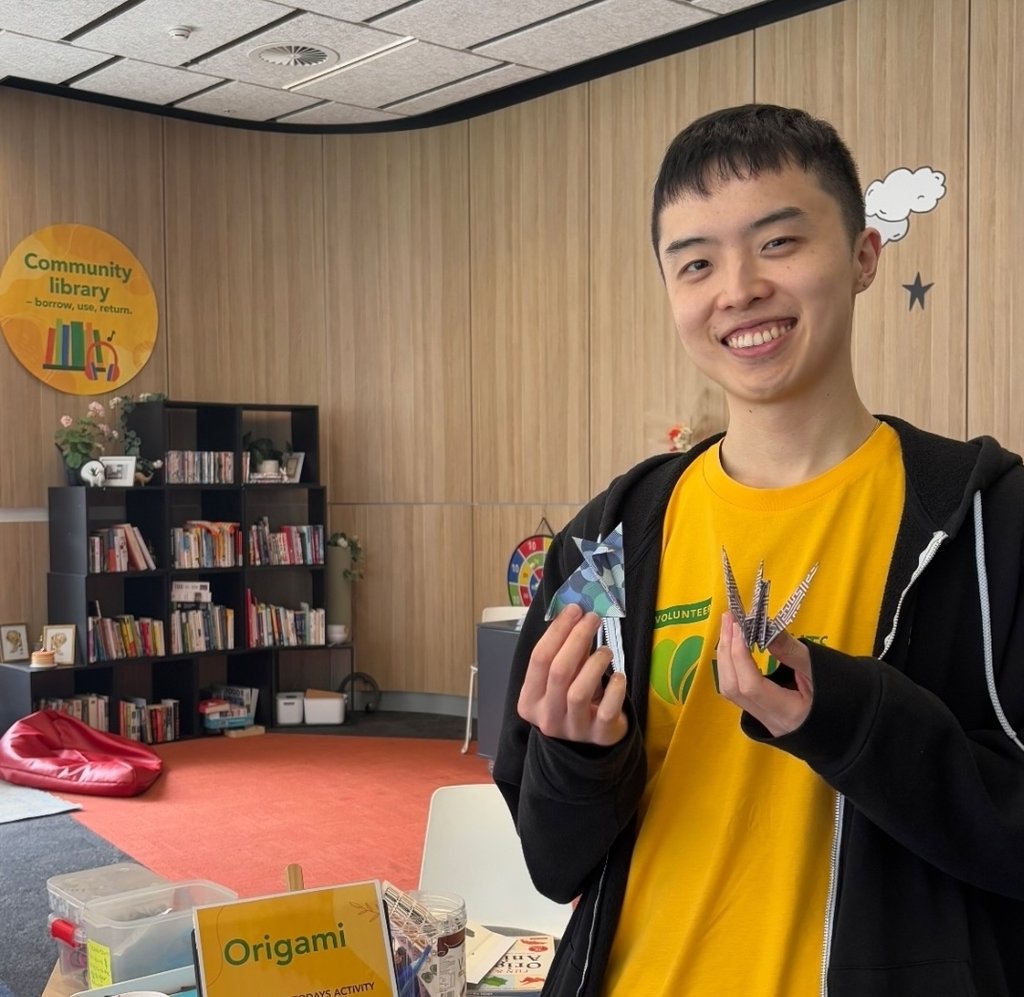
“I think the Wellbeing Lounge is such a cool space. I love how it’s a dedicated space on campus that's decidedly non-academic. Seeing fellow students relax, make friends and let their creativity flow is immensely rewarding.”
Martin
Juris Doctor and Master of Intellectual Property student and Wellbeing Rep
Give your mental wellbeing as much attention as your studies
Students often underestimate how much they are carrying. University can become overwhelming very quickly when assignments, quizzes, deadlines, work and other responsibilities all pile up. On top of that, many students are also trying to manage finances and jobs.
Coming from a place where mental health isn't always openly discussed, I learned that people don't always recognise when they need support.
Sometimes you don't think of your wellbeing as something important until you personally experience how overwhelming things can become. It's important to recognise that your mental wellbeing deserves attention just as much as your academic responsibilities do.
You don’t have to go it alone
You don't have to deal with everything by yourself. It can be easy to convince yourself that everyone else is managing better than you, but you never really know what someone else is going through.
Take things one step at a time and don't be afraid to talk to someone. Even if you don't have a solution to your problem yet, having someone listen can make things feel a little lighter. Whether it's talking to a friend, connecting with other students or accessing support services, reaching out can make a big difference.
If you need extra support, UTS offers free and confidential counselling, as well as a range of wellbeing programs and resources to help you navigate the challenges of university life.
Give yourself permission to take a break and remember that you're not expected to navigate university on your own.

How to study like an elite athlete
Associate Professor Blake McLean, sports scientist and Director of the High Performance Sport program at UTS, shares five lessons students can learn from elite...
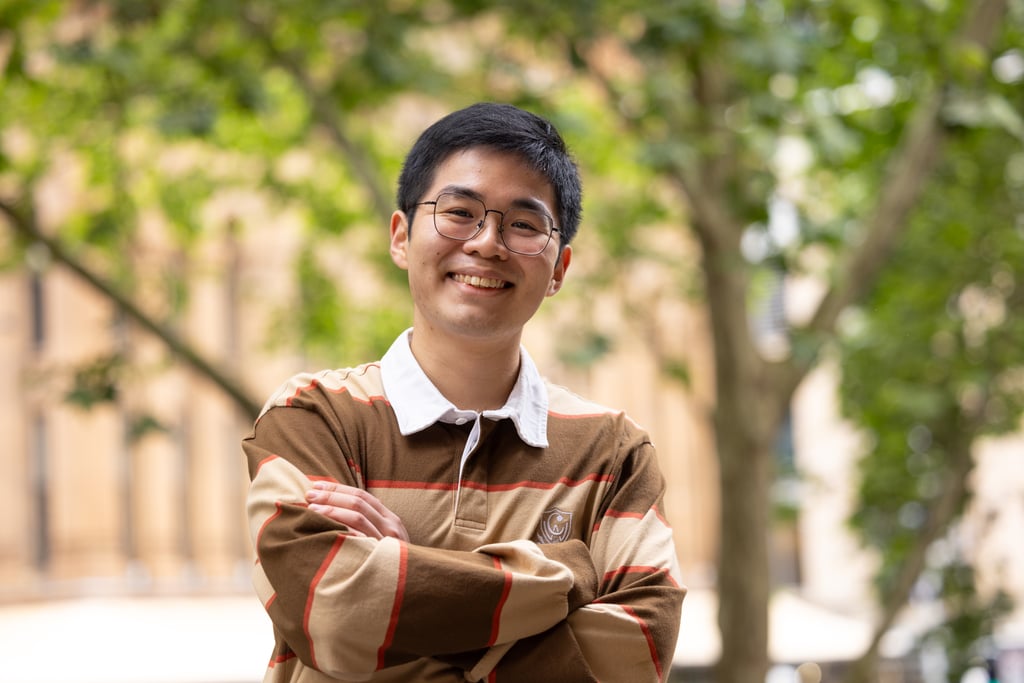
Making the most of university... one yes at a time
When Leon arrived at UTS, he didn't have a detailed career plan. What he did have was curiosity, an open mind and a willingness to say yes to opportunities.

From a UTS degree to a global career
With the New Colombo Plan Scholarship Program, UTS students can explore the hidden opportunities of living and learning in Asia.

Ancient Country, new horizons
Kayla Baker-Peris (2026 First Nations fellow) is spending a year in Gifu, Japan as part of the New Colombo Plan Scholarship Program.
How to study like an elite athlete
Associate Professor Blake McLean, sports scientist and Director of the High Performance Sport program at UTS, shares five lessons students can learn from elite...
Making the most of university... one yes at a time
When Leon arrived at UTS, he didn't have a detailed career plan. What he did have was curiosity, an open mind and a willingness to say yes to opportunities.
From a UTS degree to a global career
With the New Colombo Plan Scholarship Program, UTS students can explore the hidden opportunities of living and learning in Asia.
Ancient Country, new horizons
Kayla Baker-Peris (2026 First Nations fellow) is spending a year in Gifu, Japan as part of the New Colombo Plan Scholarship Program.