


Nicholas Assef is both a builder of companies and a lifelong learner. An investment banker and the founder of numerous startups, he’s also living proof that law degrees offer value in the world beyond the legal sector.
Nicholas is a graduate of the Master of Intellectual Property at the University of Technology Sydney. This 12-month, fully online program equips students with specialist legal and commercial expertise in intellectual property law and practice.
Having been admitted as a solicitor in the mid 1990s and practised at what was then Allen Allen & Hemsley, Nicholas was well acquainted with the legal sector by the time he enrolled in the UTS degree.
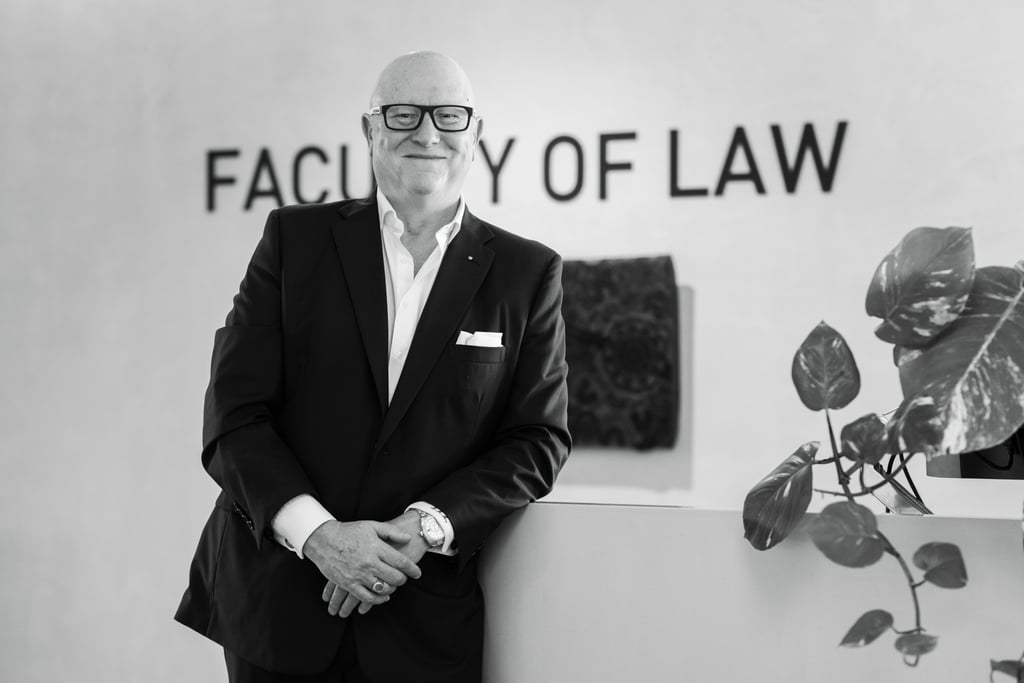
The decision to return to postgraduate study was driven by meeting the increasingly complex challenges of both leveraging and protecting the IP generated by his businesses, including LCC Asia Pacific and his private investment vehicle Adrenalin Equity and by the domestic and multi-national clients he advises.
“I believe commercially leveraging IP is the most complicated issue organisations are facing in both growing their business operations and driving shareholder value,” Nicholas says.
“Despite my now decades of experience, I had a desire to revisit current best practices to create and protect traditional IP classes, as well as to access the latest thinking on commercialisation strategies.”
Learning from leading professionals
The UTS Master of Intellectual Property was the first-ever accredited postgraduate IP qualification in Australia and New Zealand. Taught by leading professionals, it remains one of the most highly sought-after degrees of its kind.
“The quality of the UTS degree was exceptional,” says Nicholas, who holds academic degrees and professional certifications from some of world’s top institutions, including the University of Rochester, Harvard Business School and the Massachusetts Institute of Technology.
Comprised of eight subjects, the Master of Intellectual Property can be tailored to suit students’ interests and professional aspirations. All learners complete a core subject called Preparing for Intellectual Property Practice; from there, they can pursue subjects in their chosen areas of IP, patent, trade marks, copyright, and designs law and practice.
For Nicholas, the trade marks, copyright and intellectual property commercialisation content stood out, as did the degree’s emphasis on the role of AI in shaping the future of IP. Its online and highly flexible design gave students the opportunity to engage with both self-paced and live learning.
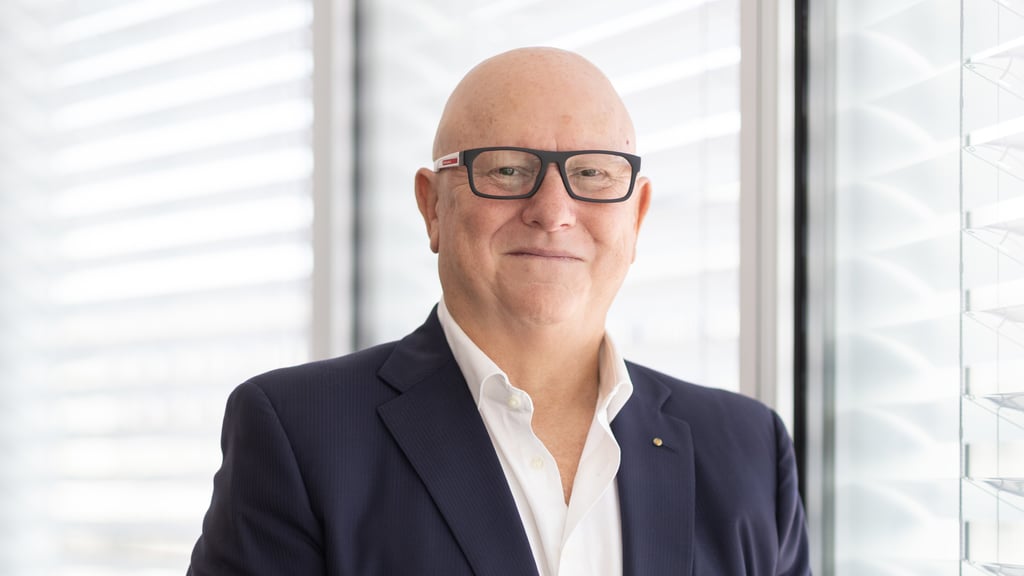
“The courses were structured and detailed, digging into many of the commercial and legal frameworks that practitioners and entrepreneurs operate in. Many lecturers discussed at length the commercial implications of the subject matter using numerous case study examples that reinforced strategies for both IP development and protection,” he says.
“It was a very good experience; very structured. The UTS education technology platform and the quality of the online content that was delivered in combination was a better experience than some face-to-face qualifications I’ve completed.
“In today’s rapidly shifting, AI-driven environment, I don’t see these degrees as being legal qualifications only. I believe this particular master’s degree is directly relevant to CEOs, scientists, researchers, development engineers, software engineers—anyone whose career circles intellectual property and intellectual capital.”

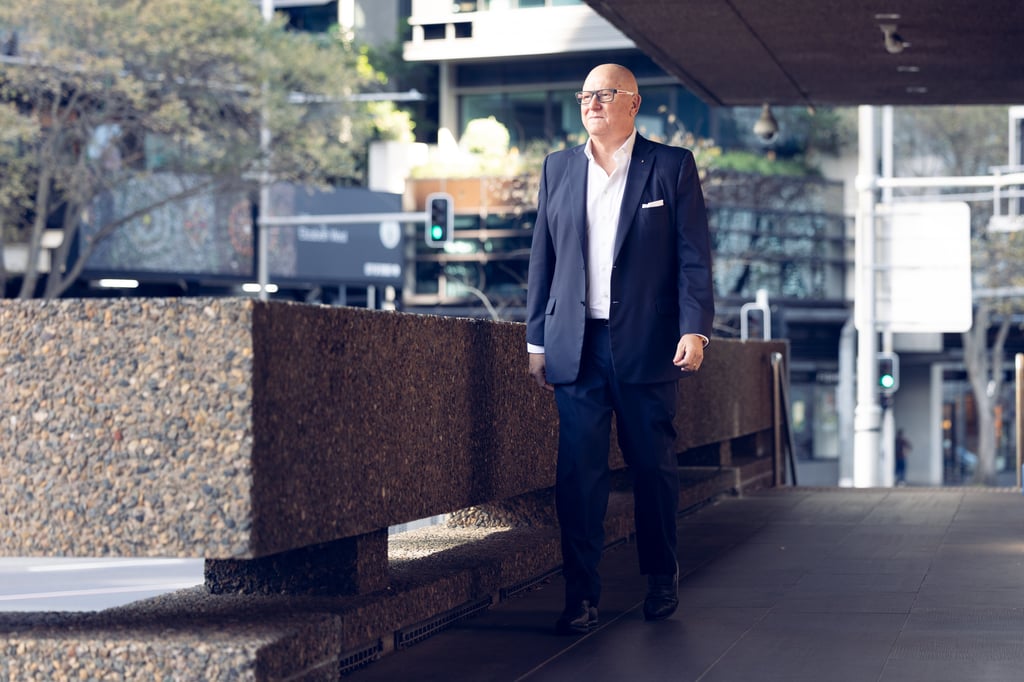

Optimising commercial opportunities
True to his entrepreneurial nature and following registration as a trade marks attorney, Nicholas launched Axis IP, a sister company to LCC Asia Pacific that provides intellectual property, trademark registration, IP valuation and commercialisation support for domestic and international clients.
“Many professionals are so busy running their businesses that they just take for granted a lot of the IP that sits around them. If you don’t really have a command of IP beyond just a patent or a trade mark, I think you’re going to be leaving, from a shareholder perspective, significant value on the table,” he says.
I believe the future is about the economic impact of IP, the commercial opportunities that can be leveraged from it, and having the confidence and skill to deal with this rapidly changing AI-driven landscape.
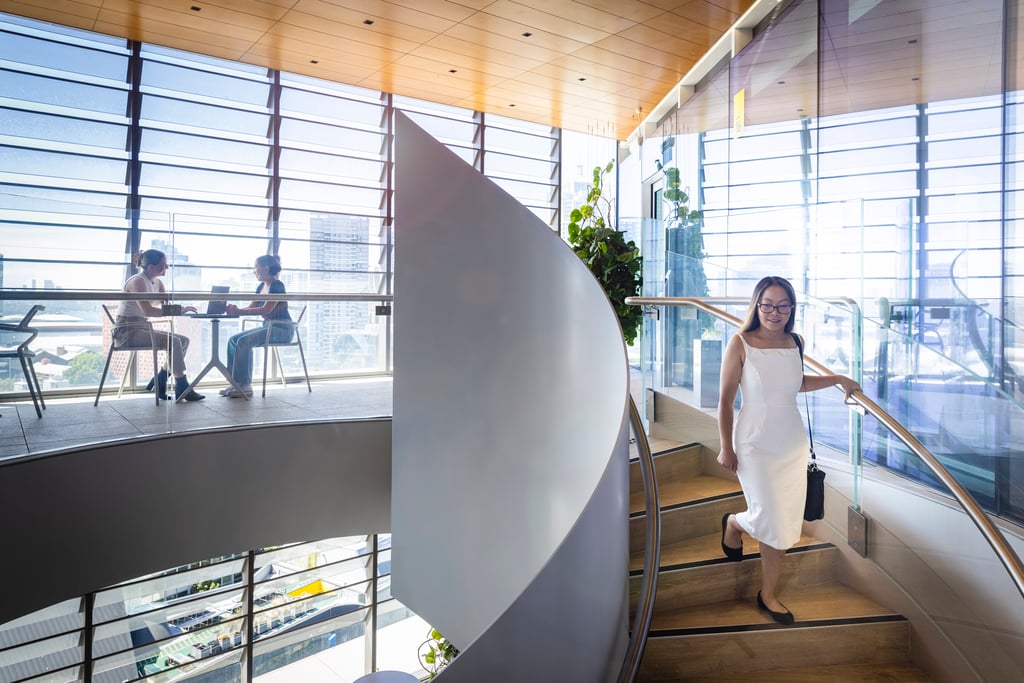

What would housing as a human right mean for students?
Professor Jessie Hohmann, a human rights lawyer at UTS, explains the right to housing and what recognising it in Australian law could mean for students’ study,...
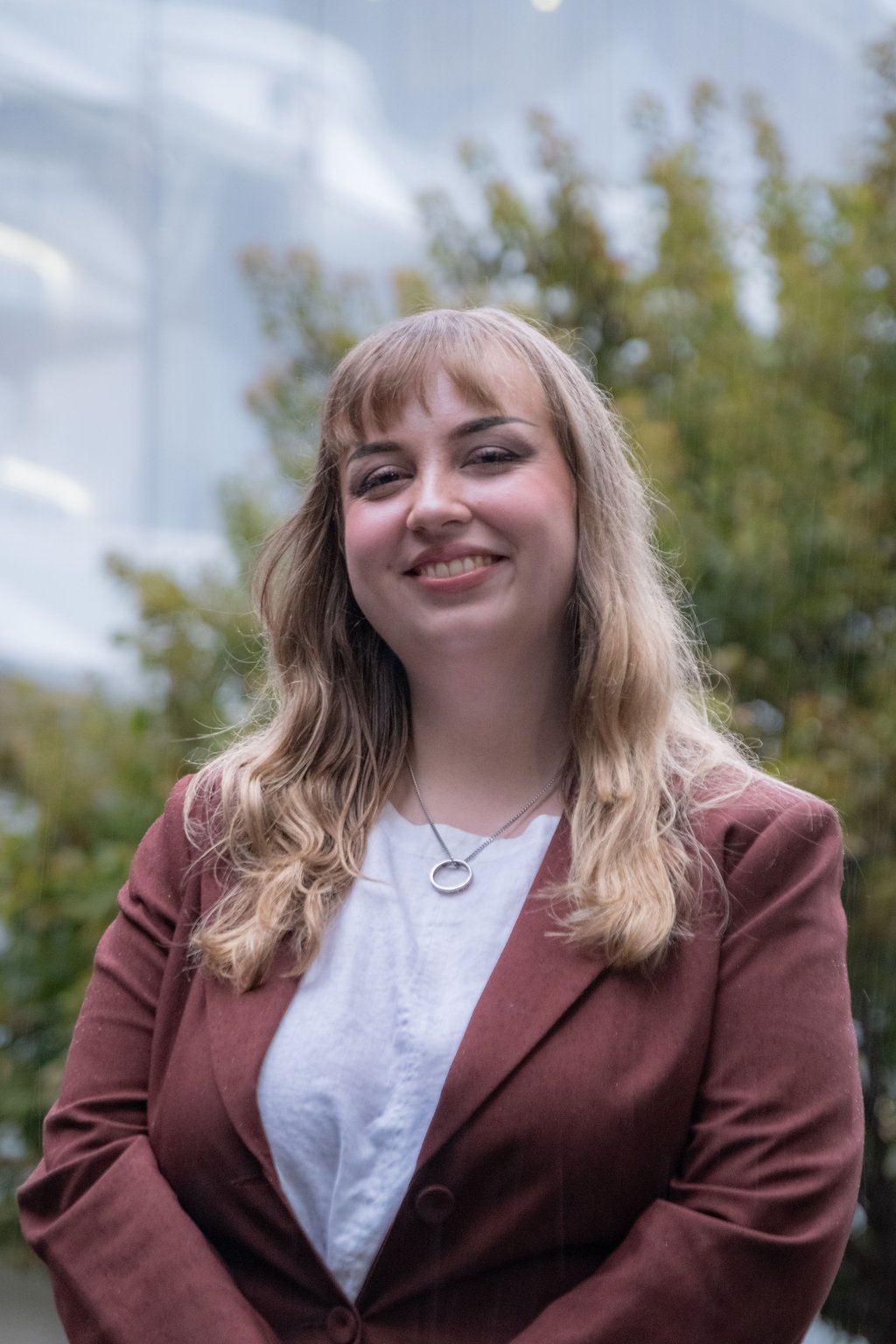
How Freddy found her voice and helped create a more inclusive uni
Frederikke Thorup spent years wondering why she didn’t fit in. As a student disability advocate at UTS, she’s finally found her place.
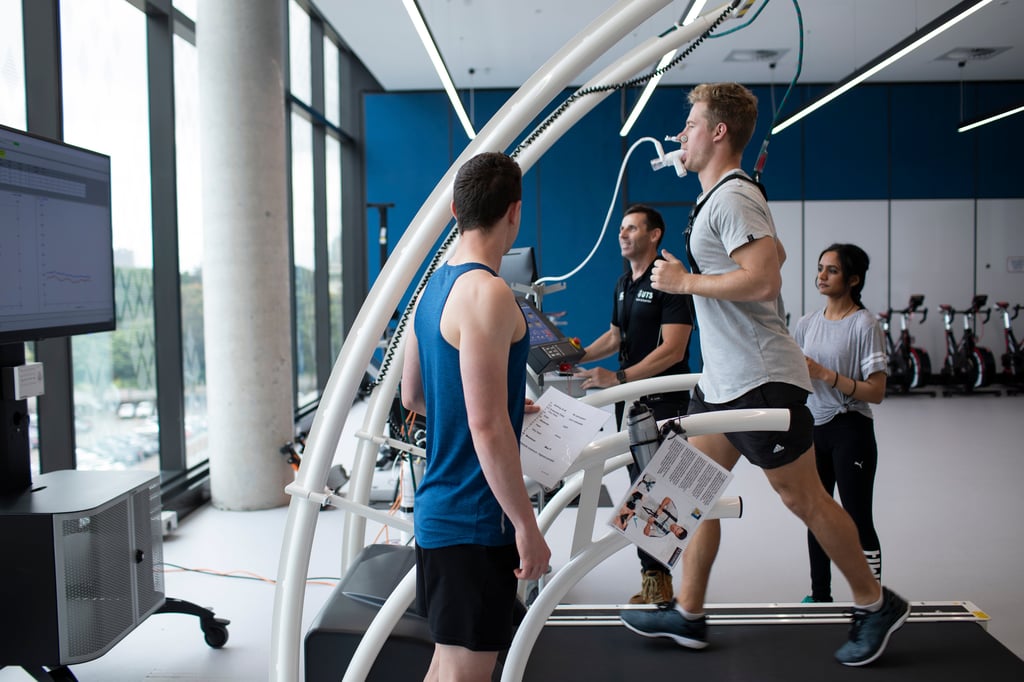
What it’s really like to be a sports scientist
Associate Professor Blake McLean shares what sports scientists do, where they work and the skills it takes to help athletes perform at their best.
What would housing as a human right mean for students?
Professor Jessie Hohmann, a human rights lawyer at UTS, explains the right to housing and what recognising it in Australian law could mean for students’ study,...
How Freddy found her voice and helped create a more inclusive uni
Frederikke Thorup spent years wondering why she didn’t fit in. As a student disability advocate at UTS, she’s finally found her place.
What it’s really like to be a sports scientist
Associate Professor Blake McLean shares what sports scientists do, where they work and the skills it takes to help athletes perform at their best.