


When you imagine working in fashion, what do you see?
Are you in a creative studio sketching ideas, experimenting with textiles and bringing a collection to life? Or are you behind the scenes, developing campaigns, building brands, managing teams and shaping the future of the fashion industry?
If you’re interested in fashion but aren’t sure whether to study design or business, you’re not alone. The Bachelor of Fashion Business and Bachelor of Design in Fashion and Textiles at UTS can both lead to careers in the fashion industry, but they take very different approaches.
Put simply, Design in Fashion and Textiles focuses on designing and making fashion products, while Fashion Business focuses on the business, strategy and systems behind the industry.
To help you understand the difference, we compare the two degrees and hear from UTS student, creative director and youth advocate Vishisht (Vishi) Kalra, who transferred from the Bachelor of Design in Fashion and Textiles to the Bachelor of Fashion Business.
Fashion Business vs. Fashion Textiles & Design
Bachelor of Fashion Business
Delivered jointly by the UTS School of Design (part of the Faculty of Design and Society) and the UTS Business School, this future-focused, 3-year interdisciplinary degree treats fashion as a commercial enterprise, a social phenomenon, and a complex global supply network.
Rather than drafting patterns or sewing, you gain foundational business acumen tailored specifically to the fashion landscape. The course offers you a unique learning experience that integrates core business disciplines such as economics, finance, accounting, marketing, and management underpinned by a deep understanding of fashion as a cultural and social phenomenon.
For Vishi, the decision to move into the Bachelor of Fashion Business came from recognising that design is one part of a much larger industry.
"Knowing that fashion design is an important skill but only part of a much larger fashion system, I was interested in business and leadership to broadly impact the industry.”
Vishi says the degree’s structure also appealed to them because of its potential to support a range of roles.
“The structure of the degree is far more applicable to administrative and strategic roles. I felt it would equip me with the understanding to thrive in these contexts, whether I chose to start my own business or strategically contribute to other businesses and organisations. "
Whether you’re interested in building your own fashion business, developing brands, working in marketing or exploring the future of the industry, Fashion Business takes a broader look at how fashion operates and where it could go next.
Bachelor of Design in Fashion and Textiles
Offered by the School of Design, the Bachelor of Design in Fashion and Textiles is a practical, studio-based degree focused on developing your creative practice and technical skills across fashion and textiles.
For Vishi, the degree offered valuable opportunities to develop their creative and curatorial skills.
“The course included insightful subjects on engaging with fashion and developing curatorial skills”
The degree can suit students who want to develop a career in fashion design, textiles, fashion production, print design, pattern cutting, styling or other design-focused roles.
|
Bachelor of Fashion Business |
Bachelor of Design in Fashion and Textiles |
|
|---|---|---|
| Main Focus | Understanding and shaping the business, systems and future of the fashion industry | Designing and creating fashion, textiles and physical products |
| What you’ll learn | Economics, accounting, finance, marketing, management, entrepreneurship, business models and fashion industry strategy | Fashion design, textile design, patternmaking, garment construction, draping, illustration, textile construction and digital/screen printing |
| Fashion industry knowledge | Explore fashion as a cultural, social and economic system, including industry futures, regulation and business models | Explore fashion cultures, design histories, fashion intersections, design research and development, and professional practice |
| Sustainability | Business ethics, sustainability, systems thinking and responsible fashion business | Sustainability, social justice, material innovation and responsible design practice |
| Technology | Explore technologies shaping fashion businesses, including generative AI, blockchain and machine learning | Develop skills in digital fashion design, advanced fashion technologies, textile technologies and digital fabrication |
| Practical experience |
Complete a fashion industry internship and a capstone project with an industry partner | Work through studio-based projects, professional practice and industry-connected projects |
| Learning style | Interdisciplinary, combining fashion studies with business disciplines | Practical, creative and studio-based, with hands-on design and making |
| Industry connections | Opportunities to engage with fashion businesses, industry partners and live business contexts | Opportunities to work on real-world projects with industry partners including Liberty London, Australian Wool Education Trust and Calcoup Knitwear |
| Potential careers |
Business strategist, brand manager, fashion buyer, sustainability manager, business manager, retail manager, supply chain manager | Fashion designer, textile designer, fashion producer, creative director, print designer, pattern cutter, fashion stylist, fashion forecaster |
| Best suited to you if… |
You’re interested in the strategy, business, marketing, management and future of fashion | You want to develop your creative practice and design, make and experiment with fashion and textiles |
Can you change from Fashion and Textiles to Fashion Business?
Vishi's experience shows that your first choice doesn't necessarily have to define your entire career.
After beginning the Bachelor of Design in Fashion and Textiles, Vishi transferred to Fashion Business after realising they were more interested in the broader systems, leadership and business side of fashion.
“What stands out about the Fashion Business course is its ability to immerse you into the industry. With a much broader scope for learning, I feel confident in my observation of events and connection with leaders in the Australian and global fashion markets.”
“I believe knowing how to analyse and interact with the fashion industry is important for work beyond that context.”
Their experience highlights an important point: there isn't one way to build a career in fashion.
Some people will want to spend their careers developing garments and textiles. Others will be interested in the brands, businesses, marketing, strategy and systems behind them. And some will move between these areas throughout their careers.
The question is: which part of fashion do you want to shape?
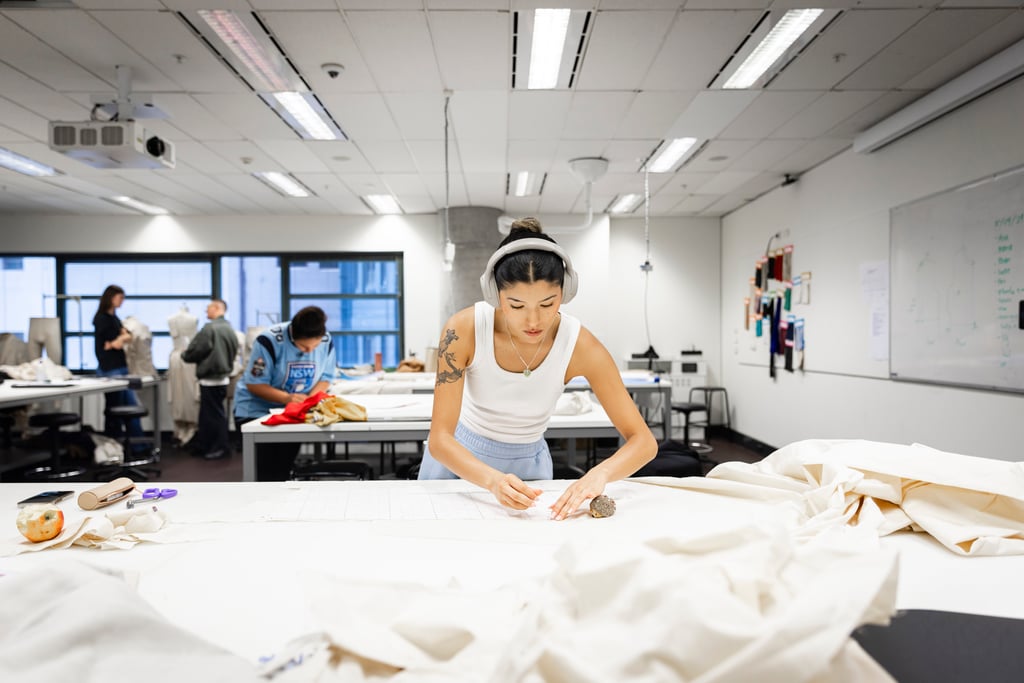
Must-See Sessions to Add to Your Open Day Design Agenda
Dream of creating scroll-stopping visuals or starting a brand? Explore 5 must-see sessions, demos & hubs on your UTS Design Open Day schedule!
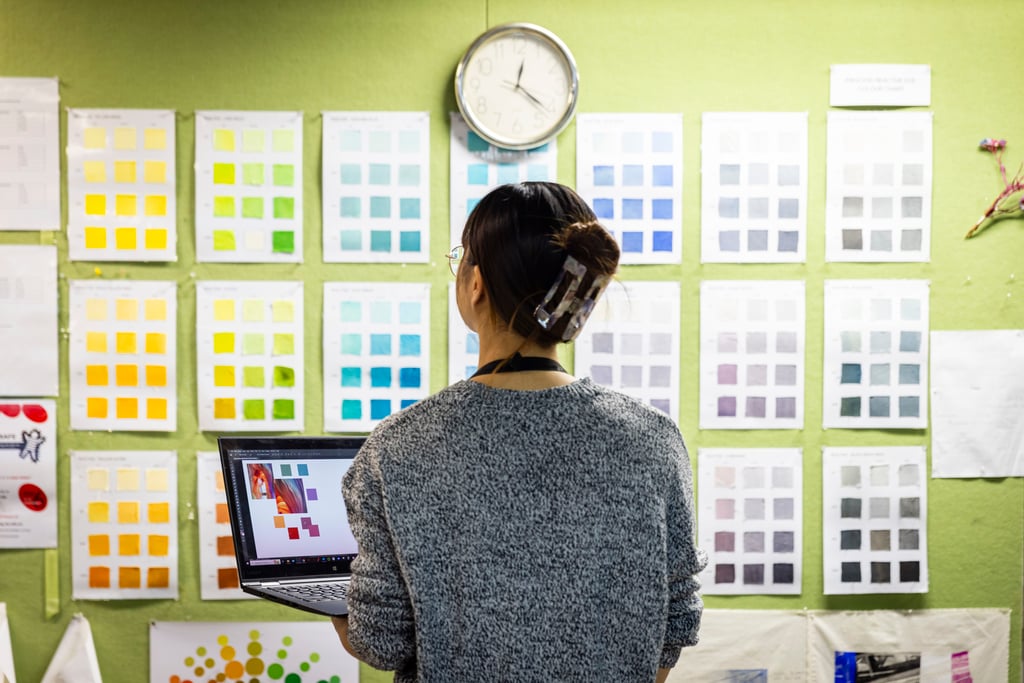
Six careers in fashion business you should consider
If you’ve always dreamt of a career in fashion, here’s some good news: the global fashion sector employs more than 400 million people, which means there are...
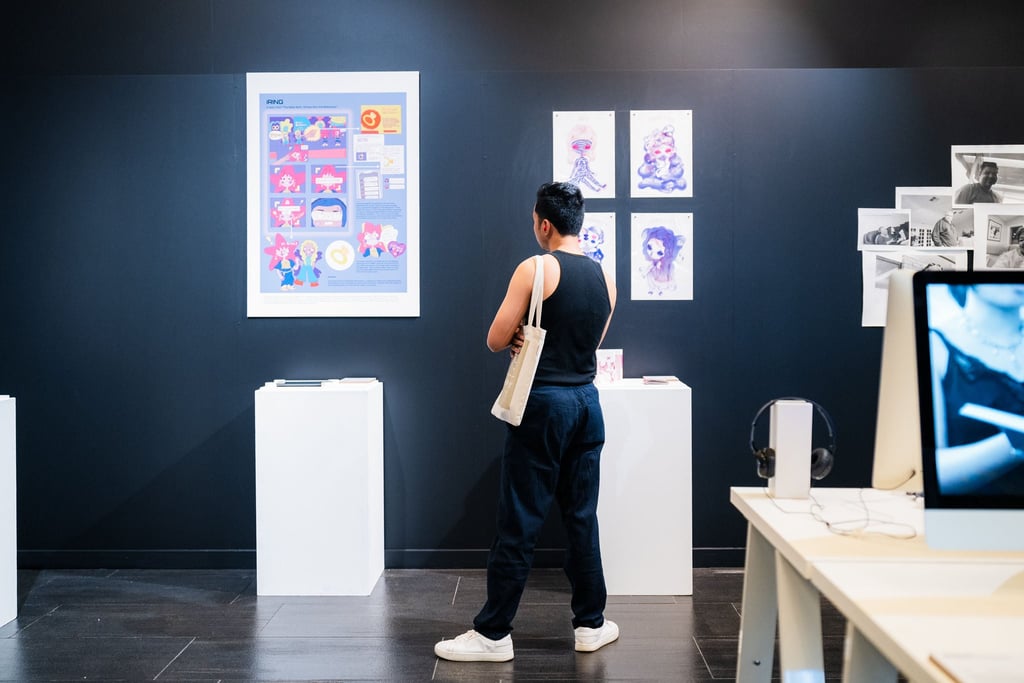
Visual communication careers: here’s what you need to know
Storytelling – about brands, data, people, experiences, opportunities – is important to every industry and field of knowledge. Visual communication is a key to...
Luisa Skyring: designing for inclusion
The product design graduate is advocating for First Nations inclusion through design.
Must-See Sessions to Add to Your Open Day Design Agenda
Dream of creating scroll-stopping visuals or starting a brand? Explore 5 must-see sessions, demos & hubs on your UTS Design Open Day schedule!
Six careers in fashion business you should consider
If you’ve always dreamt of a career in fashion, here’s some good news: the global fashion sector employs more than 400 million people, which means there are...
Visual communication careers: here’s what you need to know
Storytelling – about brands, data, people, experiences, opportunities – is important to every industry and field of knowledge. Visual communication is a key to...
Luisa Skyring: designing for inclusion
The product design graduate is advocating for First Nations inclusion through design.