


If you use social media every day, it’s easy to think you already understand it.
You know how to post, scroll, share, comment; maybe you’ve even grown a following or helped a club or business run an account.
So, when people talk about studying social media at university, the question makes sense: why would you need a degree for something you already use?
The short answer? Because social media isn’t just about content; it’s about culture, power, strategy and impact. And those are things you don’t usually learn from a tutorial or trend cycle.
Here are five reasons studying social media at University of Technology Sydney gives you a serious edge now, and long after the platforms change.
1. You learn why social media works, not just how to use it
Anyone can learn how to post. What’s harder and far more valuable is understanding why certain content spreads, why platforms reward some behaviours over others, and how digital culture shapes what we see online.
At UTS, social media is treated as more than a tool. You study:
- how algorithms influence visibility and attention
- how online communities form, grow and fracture
- how platforms shape politics, identity and public debate
This kind of thinking helps you move beyond trends and start making smart, strategic decisions; the kind employers actually rely on.

2. A degree still matters, especially in competitive industries
Social media roles are popular. That means competition is real.
While anyone can claim they “get social media”, a UTS degree signals something different: that you can think critically, communicate clearly and work at a professional standard.
Studying social media at uni shows employers that you:
- understand strategy, research and analysis
- can work with deadlines, briefs and feedback
- know how to explain and justify your decisions
It’s not about having a piece of paper. It’s about proving you can operate at a level beyond instinct and guesswork.
3. You build skills that transfer far beyond social media
One of the biggest advantages of studying social media formally is that the skills don’t lock you into one job or platform.
You develop capabilities that apply across communication, media and creative industries, including:
- writing for different audiences and contexts
- analysing data and turning insights into action
- planning campaigns and managing projects
- understanding ethics, reputation and public trust
That means graduates don’t just work in social media. They move into strategic communication, content, public relations, digital strategy, research and more.
When platforms change (and they always do) your skills still hold.
4. You learn how social media shapes society — and how to use it responsibly
Social media isn’t neutral. It influences elections, social movements, mental health, climate conversations and who gets heard in public life.
Studying it at UTS means you don’t ignore those impacts — you engage with them.
You’ll explore:
- misinformation and online harm
- activism and digital communities
- ethical storytelling and representation
- how communication can drive social change
For students who care about the world they’re stepping into, this matters. A lot.
5. You graduate with direction, not just experience
Learning social media online often focuses on short-term wins: views, likes, followers. University study helps you think longer-term.
You graduate with:
- a clear understanding of where social media fits within communication careers
- a portfolio shaped by feedback and strategy
- confidence to step into roles that involve planning, leadership and influence
Instead of chasing trends, you’re equipped to help shape what comes next.
So, is studying social media at uni worth it?
If you want more than just knowing how to post, if you want a career that can adapt, grow and make impact then yes.
A degree helps you turn everyday digital experience into professional expertise. It gives you skills that last longer than any platform, and options that go far beyond one job title.
Explore Digital and Social Media at UTS and see how you can turn creativity, strategy and cultural insight into a future-ready career.

Webpage
Han’s vision: turning passion into a career at 10 News First
Han Nguyen's path from UTS to 10 News First is a testament to embracing opportunities.

Webpage
7 journalism careers beyond the newsroom
UTS Journalism graduates can pursue careers in media, communications, content, and research. Explore seven career paths you might not expect with a journalism...

Webpage
7 industries that need music and sound design skills
Discover seven industries where music and sound design skills are in demand, from video games and film to advertising, live events, and emerging technologies.
Webpage
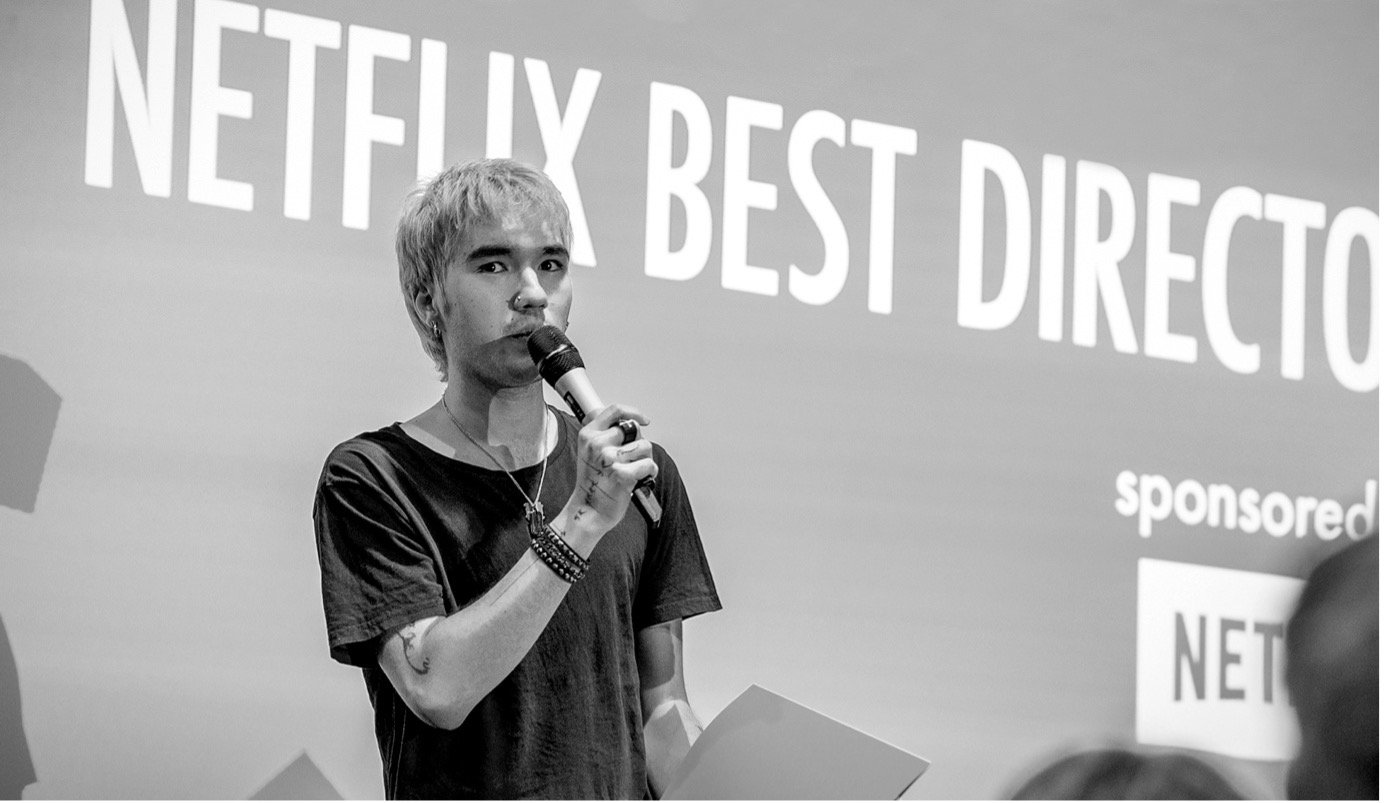
Media Arts and Production graduate Oliver Whitehouse wins UTS Netflix Best Director Prize
Oliver Whitehouse has been awarded the inaugural University of Technology Sydney (UTS) Netflix Best Director prize for his short film ANATOMIES.COM, recognised...
Webpage
Han’s vision: turning passion into a career at 10 News First
Han Nguyen's path from UTS to 10 News First is a testament to embracing opportunities.
Webpage
7 journalism careers beyond the newsroom
UTS Journalism graduates can pursue careers in media, communications, content, and research. Explore seven career paths you might not expect with a journalism...
Webpage
7 industries that need music and sound design skills
Discover seven industries where music and sound design skills are in demand, from video games and film to advertising, live events, and emerging technologies.
Webpage
Media Arts and Production graduate Oliver Whitehouse wins UTS Netflix Best Director Prize
Oliver Whitehouse has been awarded the inaugural University of Technology Sydney (UTS) Netflix Best Director prize for his short film ANATOMIES.COM, recognised...