


If you have a degree in screen media or experience working in the screen industry, you might wonder what another qualification could add to your career.
Further study isn't about starting from scratch. For some, it can be a way to specialise in an area of screen production. For others, it's an opportunity to develop a portfolio, explore new forms of storytelling, or build the skills needed for their next career move.
Screen production is also changing. Film and television remain important, but screen content now spans streaming platforms, digital media, immersive experiences and emerging technologies. Developing a broader and more adaptable skill set can help you respond to these changes while continuing to build on the experience you already have.
Here are some of the reasons postgraduate screen production study could be worth considering.
1. Specialise in an area of screen production
A screen media degree can give you a broad foundation, but you may later discover that you want to focus on a particular area of screen production.
Postgraduate study can provide the opportunity to develop more specialised skills and explore the type of work you want to pursue. You might be interested in documentary storytelling, scripted drama, screen experiences, or another area of contemporary screen practice.
For example, UTS offers Graduate Certificates in Screen Arts and Production with specialist pathways in Documentary and Drama. The Documentary pathway focuses on documentary storytelling, while the Drama pathway develops skills in scripted production.
Specialisation can be particularly useful if you already have a broad creative background and want to develop a clearer area of expertise.
2. Build on what you already know
Further study doesn't have to mean abandoning the skills you've developed through your undergraduate degree, previous projects, or professional experience.
Instead, it can give you the opportunity to apply those skills in new ways.
You might already have experience with editing, producing, writing, cinematography, or directing. Or perhaps you've worked in one part of the screen industry and want to expand into another. Further study offers you the chance to develop new ideas, enhance your understanding of creativity and aesthetics, whilst building your industry knowledge.
3. Develop a professional portfolio
A postgraduate screen production course can provide structured time to develop original work, experiment with different approaches, and build a portfolio that reflects your creative voice, skills and interests.
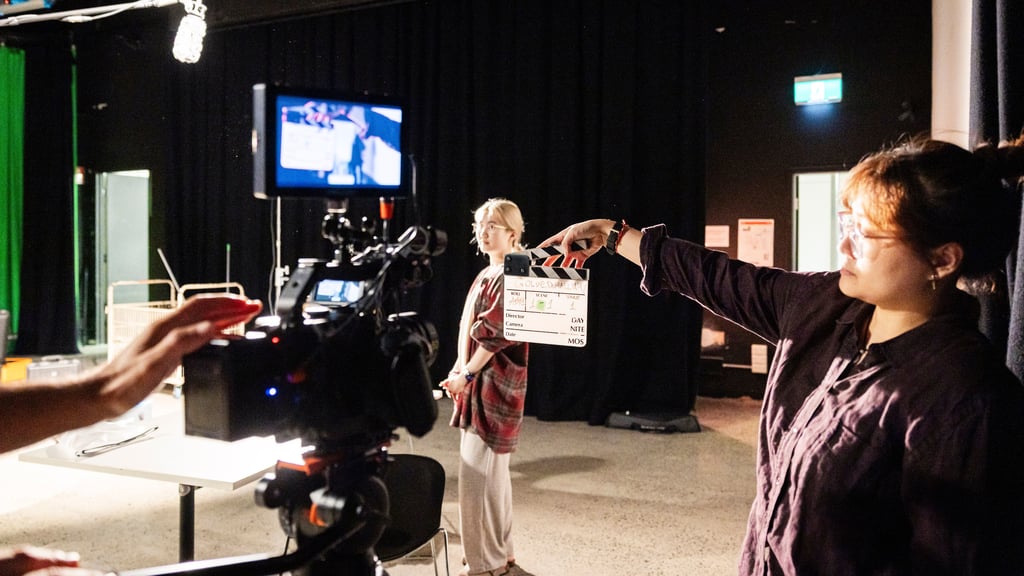
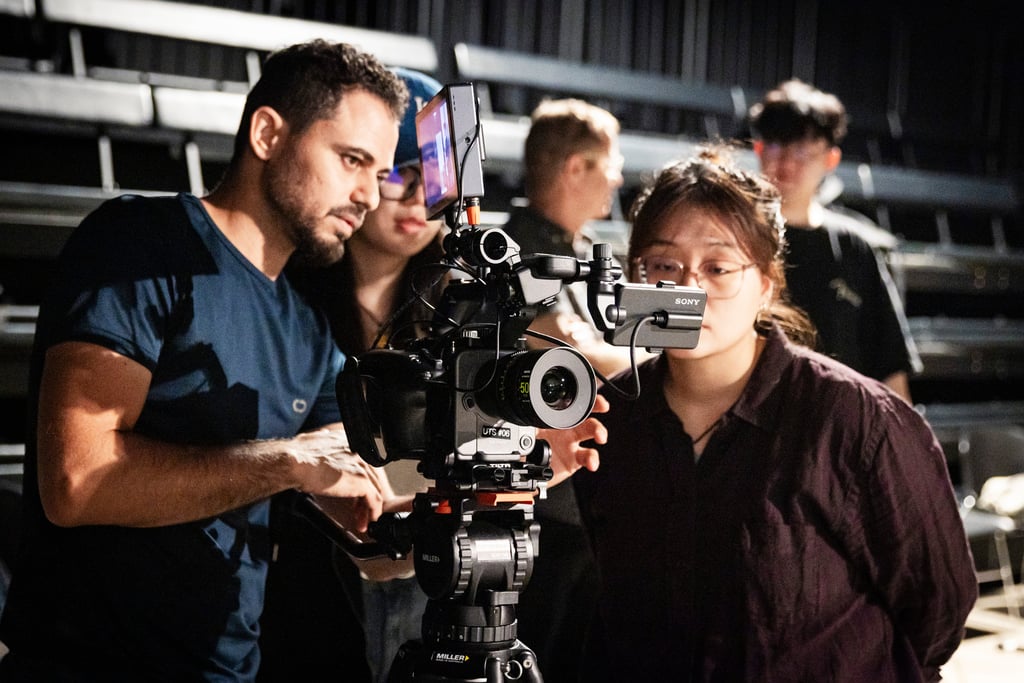
At UTS, practical studio-based learning is a key part of the Screen Arts and Production offering. Students work with industry-grade equipment and technologies while developing original screen projects.
This can be valuable whether you're moving into postgraduate study straight from a screen media degree or returning to study after working in the industry. You can use the opportunity to create work that demonstrates the skills you want to take into your next role.
4. Expand your technical and creative skills
Screen production combines creative decision-making with technical knowledge. As technology and production methods develop, there are always new tools, techniques, and formats to explore.
Further study can give you the chance to work with industry-standard technologies and develop skills beyond your existing experience.
UTS Screen Arts and Production students have access to cutting-edge media facilities and industry-standard technologies for production and post-production. The discipline is also part of the ARRI Certified Film School Program, providing access to internationally recognised industry training.
The benefit isn't simply learning how to use new equipment. It's developing the technical understanding to make more informed creative decisions and adapt your practice as the industry changes.
5. Prepare for your next career move
You don't necessarily need to change careers to benefit from further study.
You might be looking to move from one role into another, take on greater creative responsibility, or develop the skills required for a particular type of production.
For someone with a creative media degree, postgraduate study can provide a more focused pathway into screen production. For an experienced practitioner, it can be an opportunity to formalise existing skills while developing new ones.
UTS Screen Arts and Production is designed with this flexibility in mind. Students can select from choice blocks to shape their studies around their interests and next career move, while developing versatility and sustainable professional practices.
6. Connect with other screen practitioners
Screen productions bring together directors, producers, writers, cinematographers, editors, designers, performers, technicians, and many other creative professionals.
Returning to study can give you the opportunity to work alongside people with different skills, experiences, and creative interests.
This can be particularly useful if you're coming from a different creative discipline or have been working in a specific area of the industry. Collaborative projects can expose you to new approaches to production while helping you build relationships with other emerging and established practitioners.
Screen content now spans streaming platforms, digital media, immersive experiences and emerging technologies.
When is postgraduate screen production study worth considering?
There isn't one point in a career when further study becomes necessary. It depends on what you want to do next, on what your goals are.
Postgraduate study could be worth considering if you:
- want to specialise in documentary, drama, or another area of screen production
- have a screen media degree and want to further develop your screen production skills
- have industry experience but want to broaden your creative or technical practice
- want to develop a professional portfolio of original work
are moving into a new screen production role or area - want structured opportunities to collaborate with other creative practitioners
- are interested in new screen, digital, or emerging media formats.
The right course should support where you want to go, rather than simply repeating what you've already learned.
Study screen production while continuing your career
Returning to study doesn't necessarily mean putting your career on hold.
UTS Screen Arts and Production courses are designed to provide flexibility for people balancing study with work and other commitments.
The range of postgraduate options also means you can choose a level and focus that matches your experience and goals, from targeted Graduate Certificates through to Master's study.
Where could postgraduate screen production study take you?
A creative media degree or industry experience can provide a strong foundation, but your next step may require something different.
Further study can give you space to specialise, experiment, collaborate, and develop work that reflects where you want your career to go. It can also help you build skills across production and post-production.
At UTS, Screen Arts and Production brings together practical creative practice, industry-standard technologies, and contemporary approaches to screen, digital, and emerging media.
Whether you're a creative media graduate looking to specialise or an experienced practitioner ready to expand your practice, postgraduate screen production study can be a way to build on what you already know while preparing for what comes next.
Your future in screen arts and production: Career guide
Explore career pathways in film, television and digital production, and discover the creative and technical skills shaping the future of screen industries.

Han’s vision: turning passion into a career at 10 News First
Han Nguyen's path from UTS to 10 News First is a testament to embracing opportunities.

What can you do with a media arts degree? 7 careers in film, television and screen production
Wondering what you can do with a media arts degree? Explore seven careers across film, television, digital content and screen production, from directing to...

What can you do with an animation degree?
Wondering what you can do with an animation degree? Explore six animation careers, from character designer and storyboard artist to animation producer.

Must-see Communication and Social Sciences sessions at UTS Open Day
Explore the top Communication and Social Sciences sessions at UTS Open Day. Discover journalism, creative production, sustainability, AI and more.
Han’s vision: turning passion into a career at 10 News First
Han Nguyen's path from UTS to 10 News First is a testament to embracing opportunities.
What can you do with a media arts degree? 7 careers in film, television and screen production
Wondering what you can do with a media arts degree? Explore seven careers across film, television, digital content and screen production, from directing to...
What can you do with an animation degree?
Wondering what you can do with an animation degree? Explore six animation careers, from character designer and storyboard artist to animation producer.
Must-see Communication and Social Sciences sessions at UTS Open Day
Explore the top Communication and Social Sciences sessions at UTS Open Day. Discover journalism, creative production, sustainability, AI and more.