


If you enjoy storytelling, drawing, design, creative digital technology, worldbuilding, performance, and bringing imaginative ideas to life, an animation degree can open up more career options than you might expect.
Animation skills are used across film and television, advertising, digital media, VFX, augmented and virtual reality, immersive media, architectural projection for festivals and events and other creative industries.
You could develop animated films and series, characters, environments, storyboards, 2D and 3D character performances, create moving graphics or help bring an entire production together.
At the University of Technology Sydney (UTS), Animation students learn through a project-based, studio-led approach, developing their creative, conceptual, technical and professional skills while working collaboratively. The course covers 2D, 3D CGI, and hybrid animation, character development, production design, narrative and performance, professional practice, as well as the skills needed to develop, pitch and defend original ideas.
So, what can you do with an animation degree? Here are six careers to consider.
1. Animation director
An Animation Director is a creative leader who shapes the vision of an animated production. Working across 2D animation, 3D animation, stop motion, hybrid animation and emerging forms of digital storytelling, animation directors guide a project from concept and story development through design, production, animation, sound and final delivery.
They combine strong skills in visual storytelling, filmmaking, animation, character performance and creative direction with the ability to communicate ideas and collaborate with creative and technical teams.
An Animation Director leads creative teams on feature films, television and streaming series, advertising, games, visual effects, immersive experiences and other forms of screen and interactive media. They also work as independent filmmakers, artists and creative entrepreneurs, developing and directing their own original stories and creating original intellectual property (IP) for animated projects.
2. Animator
Animators combine performance, storytelling and technical skills to communicate emotion and story, and are key to creating engaging characters for animated films, television, games, advertising, motion graphics, immersive media and interactive experiences.
An animator brings characters, objects and environments to life through their understanding of people, performance, timing and visual storytelling. Animators work collaboratively with animation directors, designers, storyboard artists, character designers, environment artists, motion designers, modellers, riggers, VFX artists, and other creative and technical specialists.
Depending on the project, they may work within a large animation or VFX studio, a design or advertising agency, a games studio, an independent production company, or as freelance artists developing work for a diverse range of clients and audiences.
3. Character designer
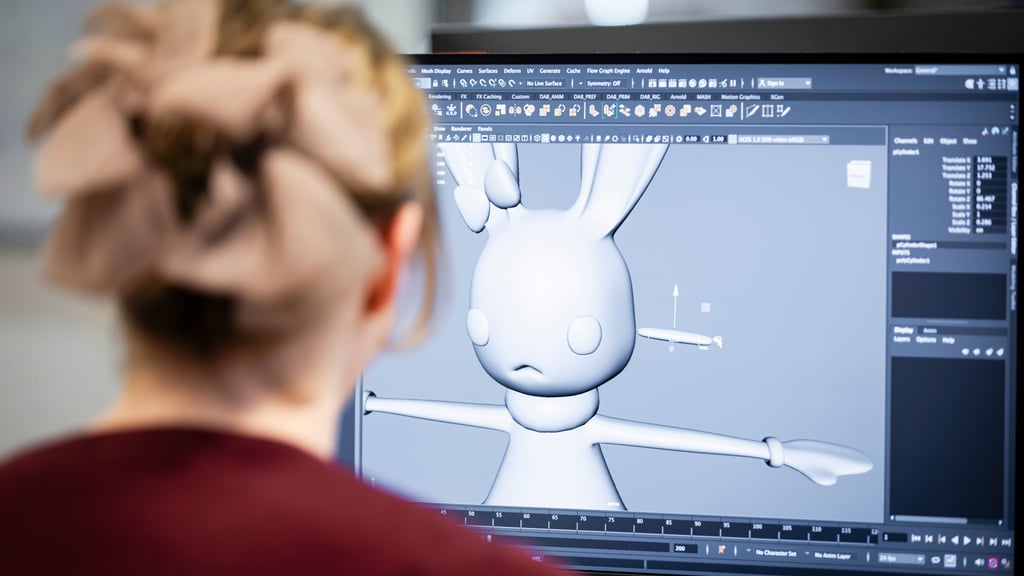
Characters are often at the heart of an animated story, and character designers help determine how they look, move and communicate who they are.
The role combines drawing with storytelling. A character's appearance needs to reflect their personality, the world they inhabit and their role within a story. Character designers may create initial sketches, explore different visual directions and refine designs before they move into production.
At UTS, you'll learn to observe the world around you and draw from life, using what you see as inspiration for characters and stories. You'll also develop ideas through different stages of production, with a focus on character development, narrative and performance. This makes character design a potential pathway for students who enjoy drawing and developing ideas, but want their work to contribute to a larger creative project.
4. Storyboard artist
Before an animated scene reaches the screen, someone needs to work out what it will look like. Storyboard artists translate scripts and ideas into a sequence of images, helping a production team understand how a story will unfold. They consider elements such as composition, movement, timing and character performance to map out individual scenes.
It's a role that sits at the intersection of drawing and filmmaking. You need to understand not just how to create an appealing image, but how a series of images can communicate a story.
At UTS, Animation students develop their understanding of narrative and performance alongside their drawing and animation skills. You'll also have opportunities to develop, pitch and defend your own ideas, building your ability to communicate a creative concept to others.
An animation degree can be a starting point for a career across a broad range of creative industries.
5. Visual development artist
Visual development artists help establish the look and feel of a creative project before production begins. They might explore characters, environments, colour, composition and different visual styles, creating artwork that helps a production team decide how a story should look on screen.
It's a career that suits people who enjoy experimenting with visual ideas and aren't afraid to go back to the drawing board. A single concept may develop through many different versions before a final direction is chosen.
This process reflects the way Animation is taught at UTS. Students learn how to think creatively and develop ideas through multiple stages, while building skills in character development, narrative and performance.
6. Animation producer
Not every career in animation involves creating the artwork yourself. Producers play an important role in bringing creative projects from an initial idea through to production.
Animation producers may coordinate people, schedules and resources, while working closely with creative and production teams. They need to understand the creative process, communicate clearly and keep a project moving from one stage to the next.
The collaborative nature of animation study can help develop some of these skills. At UTS, students work in a project-based studio environment, learning how to work with their peers in a professional and collaborative atmosphere. They also develop, pitch and defend their own ideas. For students who enjoy animation but are equally interested in the organisation and development of creative projects, production could be an avenue to explore.
Get industry experience while you study
Studying animation is about more than learning how to use animation software. It is also about developing your creative practice, world building, storytelling, collaboration and so much more. The work undertaken in the degree enables you to build a strong portfolio and gain experience working on creative projects, often with external industry partners. This can also help you understand how the industry operates.
At UTS, Animation is led by a faculty of experienced industry professionals, with students working in studio environments and on project-based work. The course has strong connections with organisations and studios including VIVID, ABC Podcasts, Flying Bark Productions, Mighty Nice, Cheeky Little Media, Animal Logic Academy and Netflix Animation Studios. As part of their degree, students work on real world projects with industry partners and have taken part in international collaborations, including through the Annecy MIFA campus.
UTS is ranked #18 internationally for Animation and is one of the top 10 Animation schools in Australia and New Zealand, according to the Animation Career Review 2025 International Animation School Rankings.
Where could an animation degree take you?
An animation degree can be a starting point for a career across a broad range of creative industries. You could focus on characters, illustration and visual development, work with moving graphics, contribute to the storytelling process or help manage a production. The right path will depend on the creative skills you want to develop and the type of work you enjoy.
At UTS, you'll have the opportunity to build those skills through hands-on, studio-led learning, while developing original work and collaborating with other creatives.

Han’s vision: turning passion into a career at 10 News First
Han Nguyen's path from UTS to 10 News First is a testament to embracing opportunities.

What can you do with a media arts degree? 7 careers in film, television and screen production
Wondering what you can do with a media arts degree? Explore seven careers across film, television, digital content and screen production, from directing to...
Why study screen production at a postgraduate level?
Already have a screen media degree or industry experience? Discover how postgraduate screen production study at UTS can help you specialise, build your...

Must-see Communication and Social Sciences sessions at UTS Open Day
Explore the top Communication and Social Sciences sessions at UTS Open Day. Discover journalism, creative production, sustainability, AI and more.
Han’s vision: turning passion into a career at 10 News First
Han Nguyen's path from UTS to 10 News First is a testament to embracing opportunities.
What can you do with a media arts degree? 7 careers in film, television and screen production
Wondering what you can do with a media arts degree? Explore seven careers across film, television, digital content and screen production, from directing to...
Why study screen production at a postgraduate level?
Already have a screen media degree or industry experience? Discover how postgraduate screen production study at UTS can help you specialise, build your...
Must-see Communication and Social Sciences sessions at UTS Open Day
Explore the top Communication and Social Sciences sessions at UTS Open Day. Discover journalism, creative production, sustainability, AI and more.