


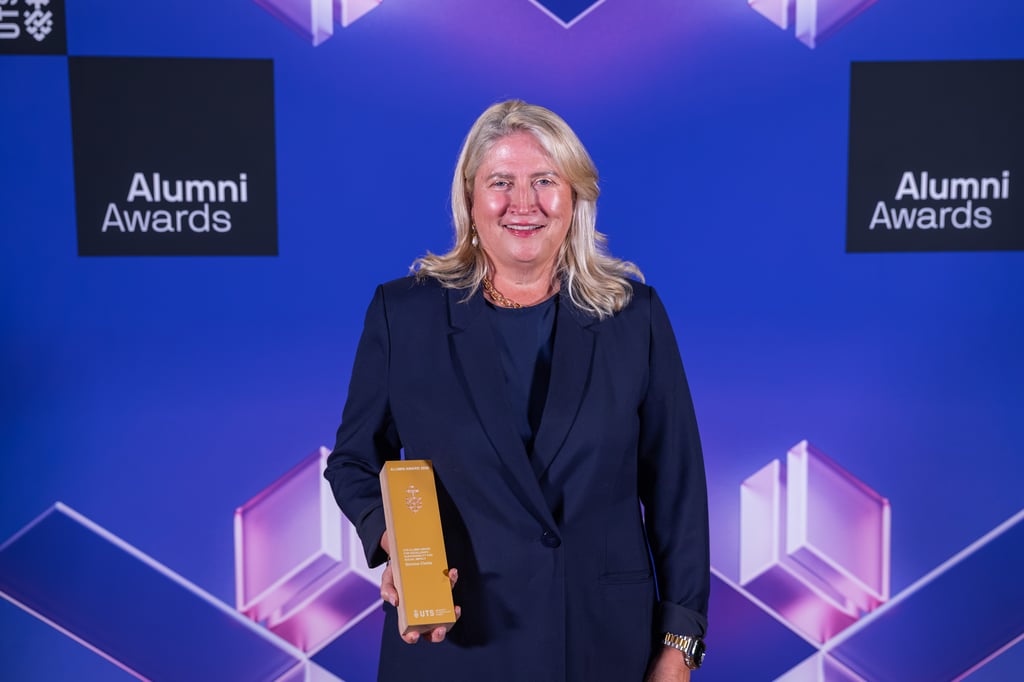
2026 UTS Alumni Award - Sustainability and Social Impact: Simone Clarke
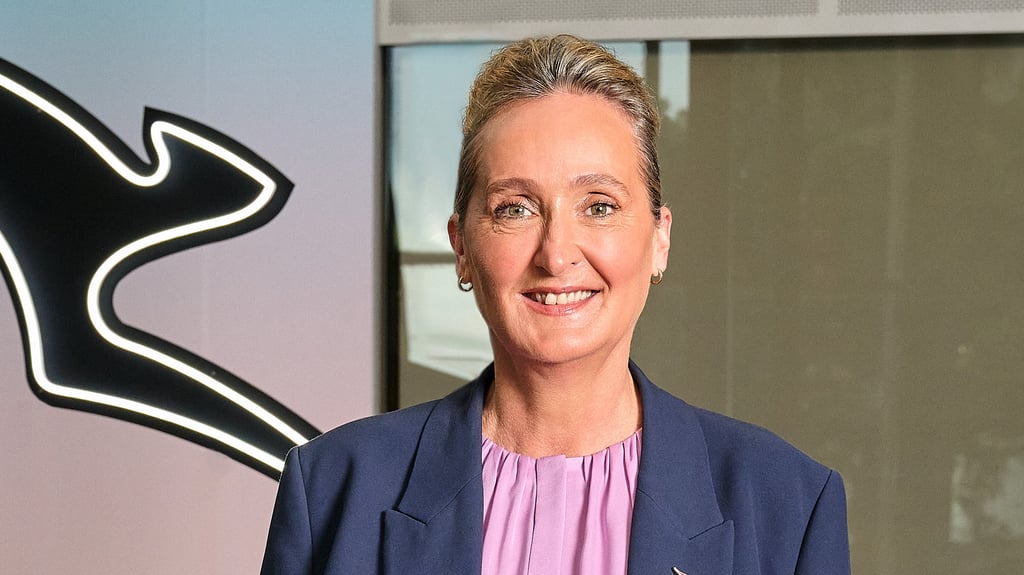
Simone Clarke believes that uplifting women and girls is the first step to building a fairer world.
Depending on who you ask, the world is somewhere between 100 and 300 years away from achieving gender equality. For University of Technology Sydney (UTS) graduate and CEO of UN Women Australia Simone Clarke, the figure is unacceptable no matter the size.
“I’m not a very patient person,” she says frankly.
“I get frustrated with the progress. I get particularly frustrated when we see human rights being pushed back in a number of different areas, particularly women’s rights.
“Currently, if you look at the geopolitical landscape, it’s not a very compelling proposition for women.”
As CEO of UN Women Australia, Simone mobilises funding, public engagement and institutional commitment for the protection of women in the Pacific and around the world. The organisation is focused on bringing issues of gender equality, economic inclusion, and justice for women and girls into the national and global consciousness.
Its work is largely guided by the United Nations Sustainable Development Goal (SDG) 5, which is dedicated to achieving gender equality and empowering all women and girls. It’s a problem that urgently needs solutions as the SDGs’ 2030 deadline draws near.
“We know if we can track gender equality, all of the other Sustainable Development Goals are achievable. If we don’t, none of them are,” says Simone, who received the Sustainability and Social Impact Award at the 2026 UTS Alumni Awards.
“So when people try to dismiss diversity and inclusion as something nice to have, that really infuriates me.”
Put simply, gender equality offers better outcomes for everyone. Simone’s mission, then, is building a fairer, kinder and more equitable world for all.
One red pen, a lasting mark
Just how does someone move the needle on an issue that still struggles to attract sustained public commitment? Under Simone’s leadership, UN Women Australia’s many achievements include raising $260,000 for the UN Trust to End Violence Against Women, championing global gender equality campaigns, and strengthening collaboration with stakeholders including the Department of Foreign Affairs and Trade.
These outcomes are the result of Simone’s ability to bring people together by championing collective action that leads to tangible change. It’s a skillset she credits in part to the strategic communication skills she developed at UTS.
As a Bachelor of Arts (Communications) student in the mid-1980s, she learnt how to make a compelling argument, to influence others and to think about her audience. One memorable journalism lecturer who was overly enthusiastic with her red marking pen still looms large in Simone’s mind.
“She was quite ferocious. I would get back literally every piece of work that I submitted with swathes of corrections,” she says.
The experience turned out to be invaluable, teaching Simone how to be both self-critical and analytical.
It also taught me that even if you think you have the best ideas in the world, the toughest part of it is communicating them,” she says.
Telling impactful stories
The learning curve might have been steep, but it has propelled Simone through an almost-40-year trajectory that spans everything from international development to professional sports, telecommunications, consulting and back again.
“UTS really prepared me for what has been a long and interesting career,” she says.
Among others, she is a former Emergency Fundraising Director for Save the Children; a former General Manager, Corporate Affairs, Communications and Strategy for the AFL; and a former General Manager, Sustainability for Telstra.
But while the work context keeps changing, the path to impact remains the same.
“The skills I’ve learnt so fundamentally through studying communication is really about reaching audiences and telling impactful stories, no matter the context that you’re in,” she says.
In pursuit of authentic leadership
Simone’s expansive CV and remarkable professional achievements mean she’s recognised as much for her leadership skills as she is for standing up for women’s rights.
For some, operating in the upper echelons of Australia’s business world might mean building an exclusive professional network. But for Simone, true leadership, just like issues of gender equality, is all about inclusion.
She works alongside people at all ages, career stages and life paths, and she prides herself on learning as much from those around her as she teaches in return.
I think leadership is about creating pathways for others.
Simone also thinks deeply about her role in relation to her team, the audiences who come to hear her speak and the stakeholders who have a vested interest both in her and the work of UN Women Australia.
She’ll be the first to admit that leaders are made, not born. It’s a process of continuous improvement that requires her to frequently reflect on who she is as a leader, where she’s falling short and how she can continue growing in service of women as a whole.
Moving communities, moving nations
Despite her frustrations with the state of global gender equality, Simone is nothing if not an optimist. Like many people, she has to believe that things are on the right track because the alternative is too hard to contemplate.
But she’s also bolstered by the tiny seeds of hope that continue to grow in unexpected places. In Afghanistan, for example, a country consistently ranked among the most gender inequitable, women-led organisations are fighting back against education restrictions imposed on girls.
For Simone, and for women around the world, even such incremental progress matters. That women haven’t given up, that a handful of countries are edging closer to gender equality, that people are still putting their heads together to try and solve what so often feels like an intractable problem is proof that the fight’s not over yet.
“It’s about moving communities; it’s about moving nations,” Simone says.
“I think communication is core to that.”
2026 Alumni Award recipients
Webpage
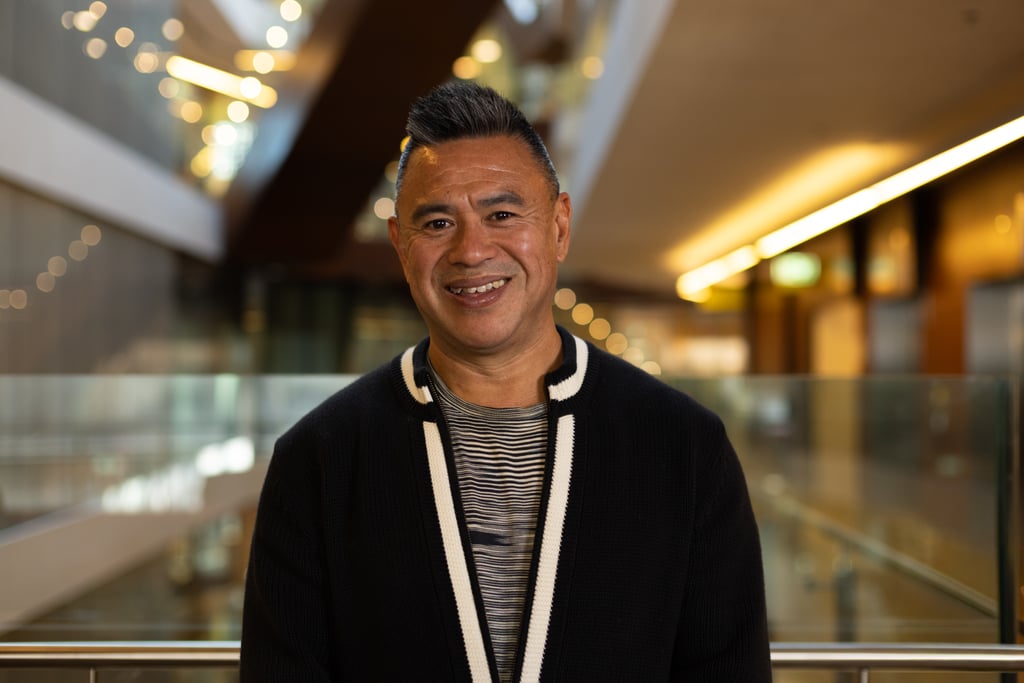
Storytelling that inspires
Film producer Troy Lum believes that all great films have one thing in common: they capture the universal human experience.
Webpage
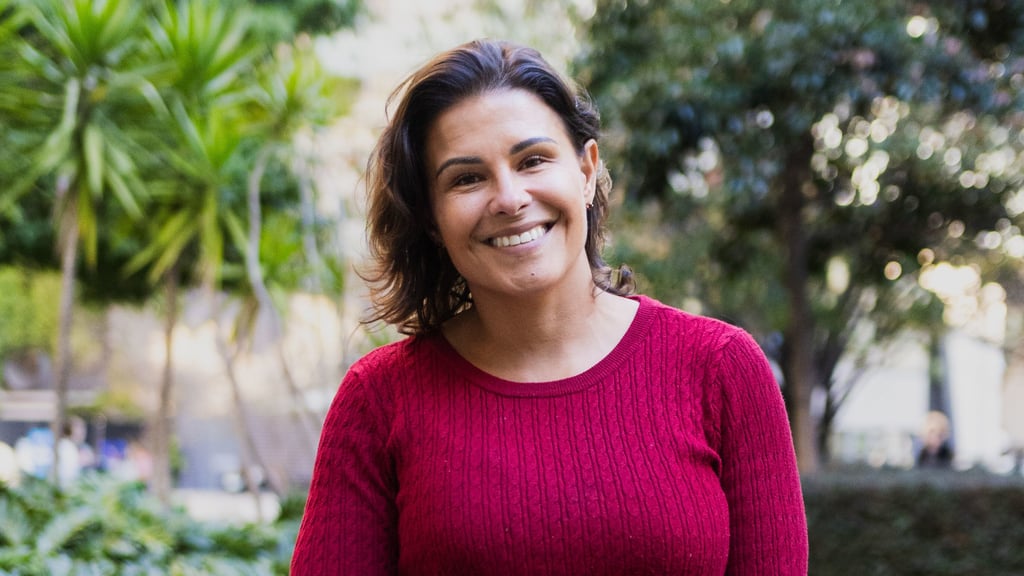
Blazing a trail, closing the gap
For UTS graduate Kristal Kinsela, business is about more than creating economic value. It’s also about harnessing potential, breaking cycles and empowering...
Webpage
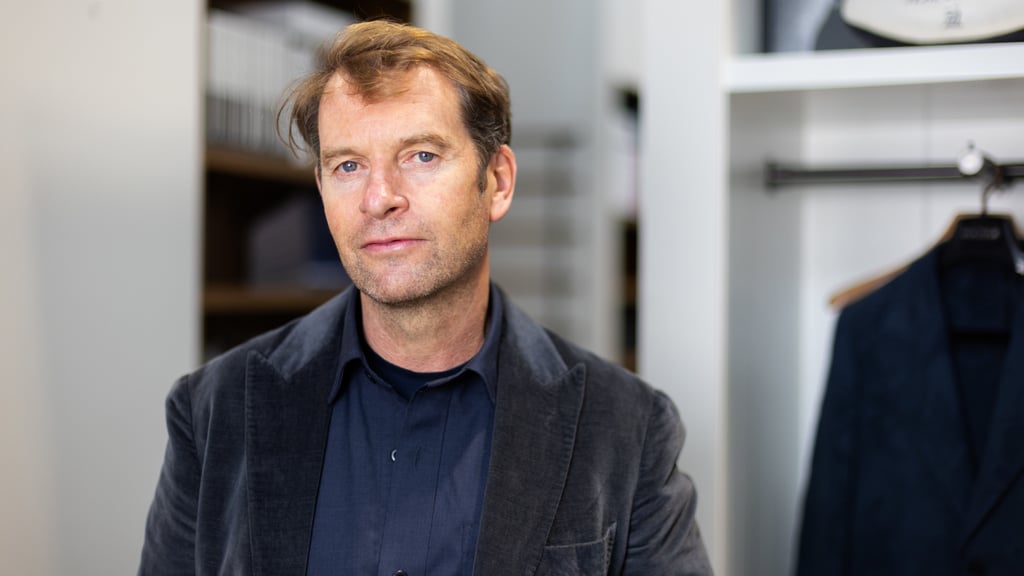
Fashioned from the land
For M.J. Bale founder Matt Jensen, building a successful slow fashion company means embracing a truly sustainable approach to business.
Webpage
When opportunity knocks
UTS graduate and Qantas Group CEO Vanessa Hudson has built a career on saying yes: to opportunity, to uncertainty and to life both in and beyond the workplace.
Webpage
Storytelling that inspires
Film producer Troy Lum believes that all great films have one thing in common: they capture the universal human experience.
Webpage
Blazing a trail, closing the gap
For UTS graduate Kristal Kinsela, business is about more than creating economic value. It’s also about harnessing potential, breaking cycles and empowering...
Webpage
Fashioned from the land
For M.J. Bale founder Matt Jensen, building a successful slow fashion company means embracing a truly sustainable approach to business.
Webpage
When opportunity knocks
UTS graduate and Qantas Group CEO Vanessa Hudson has built a career on saying yes: to opportunity, to uncertainty and to life both in and beyond the workplace.