


Project details
Partners
-
University of Melbourne
-
RMIT University
Years
-
2026-2027
Sustainable Development Goals
-
9. Industry, Innovation and Infrastructure
-
11. Sustainable Cities and Communities
- Posted on 18 Nov 2026
Helping close policy gaps and accelerate Australia’s transition to a circular, sustainable clothing system.
Australians are among the world’s highest consumers of clothing, generating large volumes of clothing waste each year.
While Australia is making progress towards a circular economy for clothing, much of the current policy focus is on what happens at the end of a product’s life, including collection, sorting and recycling. Yet many of the factors that determine whether clothing can be reused, repaired or recycled are established much earlier, through decisions about how products are designed, manufactured and brought to market.
This creates a particular challenge for Australia, where much of the clothing we consume is manufactured overseas. Building a more circular clothing system therefore requires considering not only what happens to clothing within Australia, but also the policy levers Australia can use to influence the environmental and circularity performance of products entering the Australian market.
In this project, the UTS Institute for Sustainable Futures (ISF) will investigate how Australian policy can address these upstream drivers of clothing waste. A key focus will be the potential role of product and international standards, minimum performance and design requirements, information and traceability requirements, chemicals restrictions, and other measures that could establish clearer expectations for clothing sold in Australia.
The research will consider how Australia can draw on, align with or help shape emerging international frameworks, while identifying approaches that are appropriate within Australia’s regulatory and trade context.
The long-term opportunity is to create a market where the clothing sold in Australia is safer, more durable and more sustainable by design.
The research will examine existing Australian policy alongside relevant international measures and standards to identify policy gaps and emerging opportunities.
It will also draw on the practical experience of stakeholders across government, industry, product stewardship, design, reuse and recycling, and civil society. This engagement will help test which approaches are likely to be both effective and feasible in the Australian context.
Rather than focusing on a single policy instrument, the project will explore how a complementary suite of measures could work together to influence products entering the market, encourage better design and material choices, extend product life, enable reuse and repair, reduce hazardous chemicals and improve recyclability.
ISF Research Principal Dr Rachael Wakefield-Rann said, "the long-term opportunity is to create a market where the clothing sold in Australia is safer, more durable and more sustainable by design."
"Better policy settings can help shift responsibility upstream and create stronger incentives for products that last longer and generate less waste.”
Ultimately, the research aims to provide practical recommendations for Australian policymakers on how policy can tackle clothing waste further upstream and support the transition towards a safer, more circular clothing economy.
2026 APPI Policy Challenge Grant
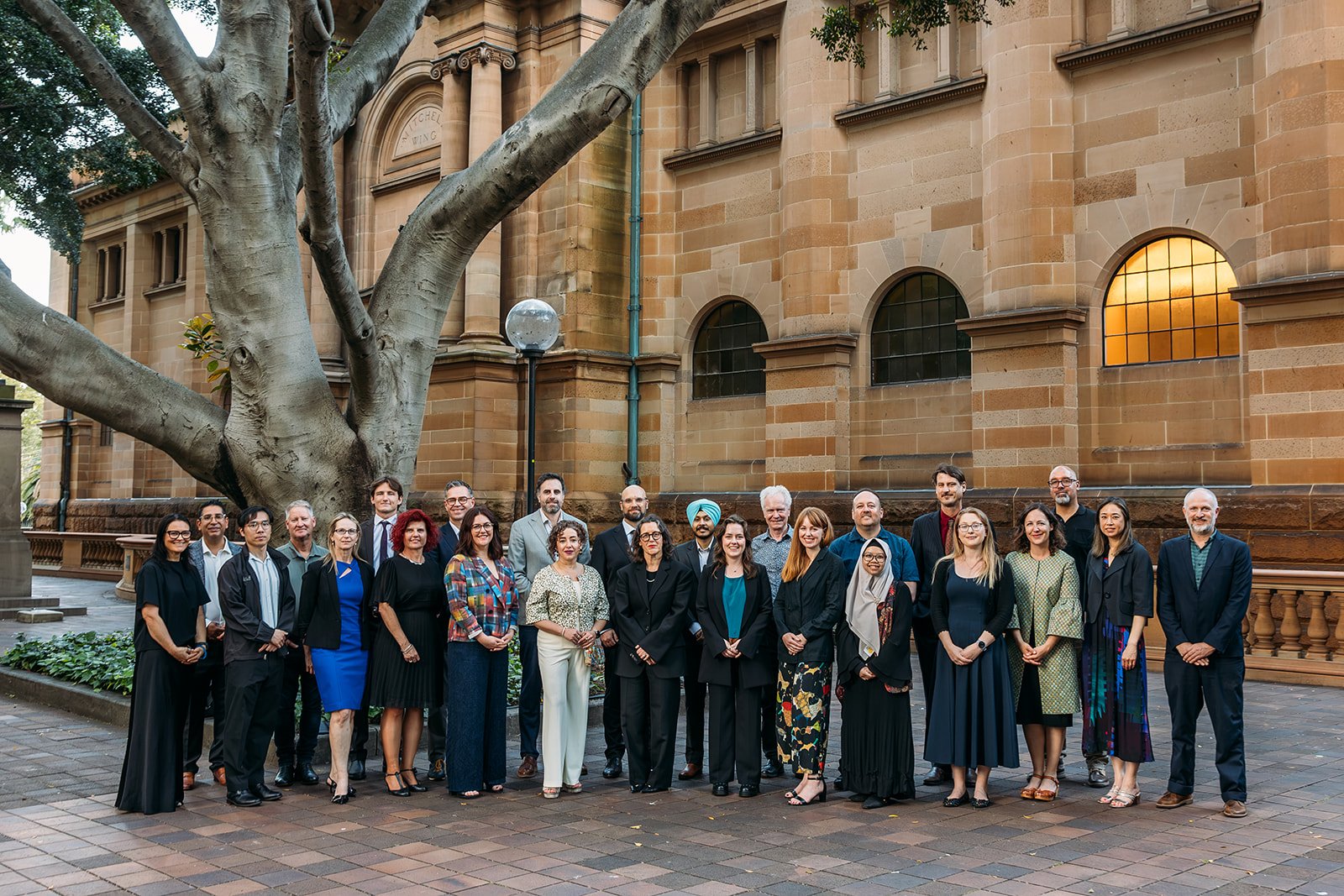
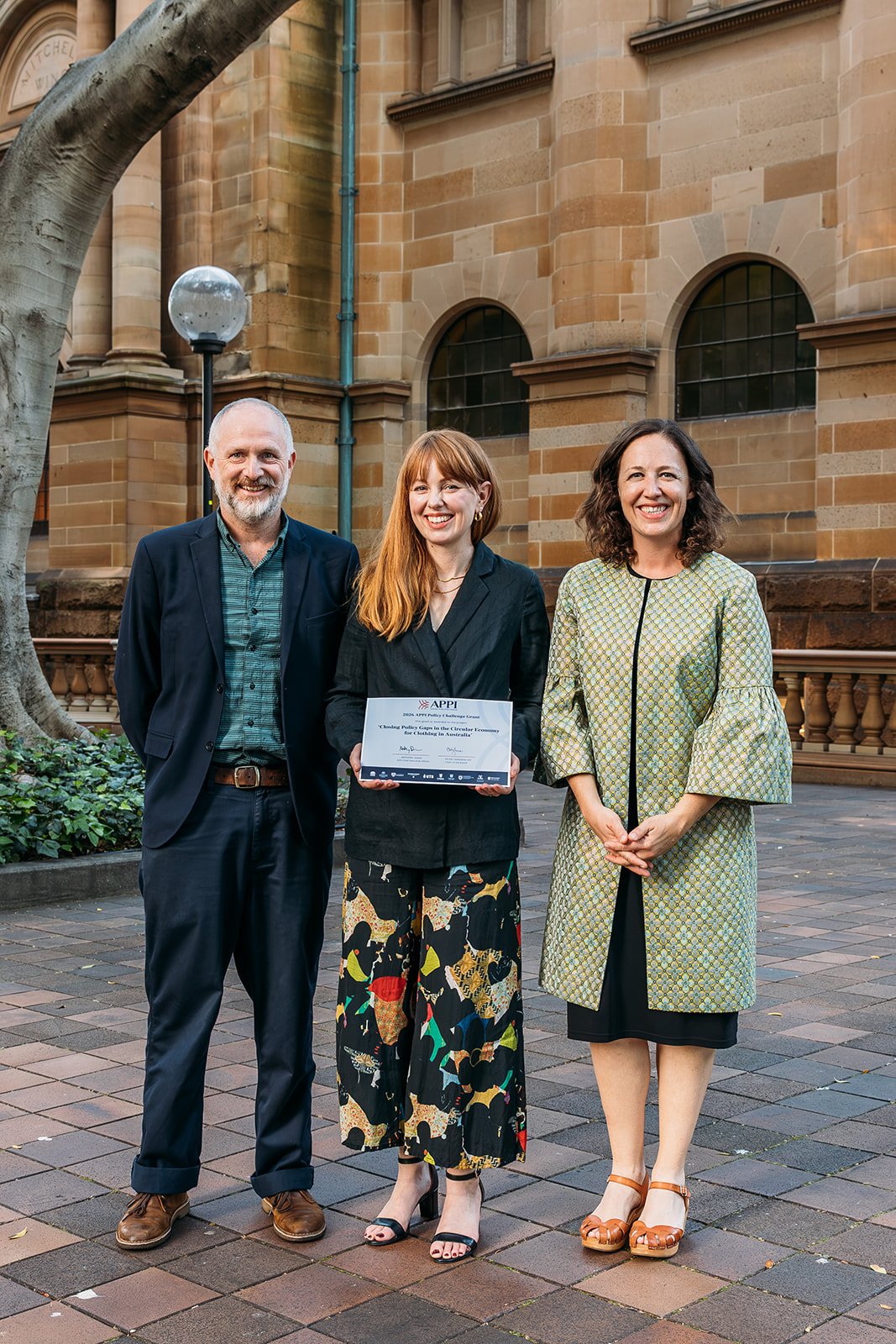
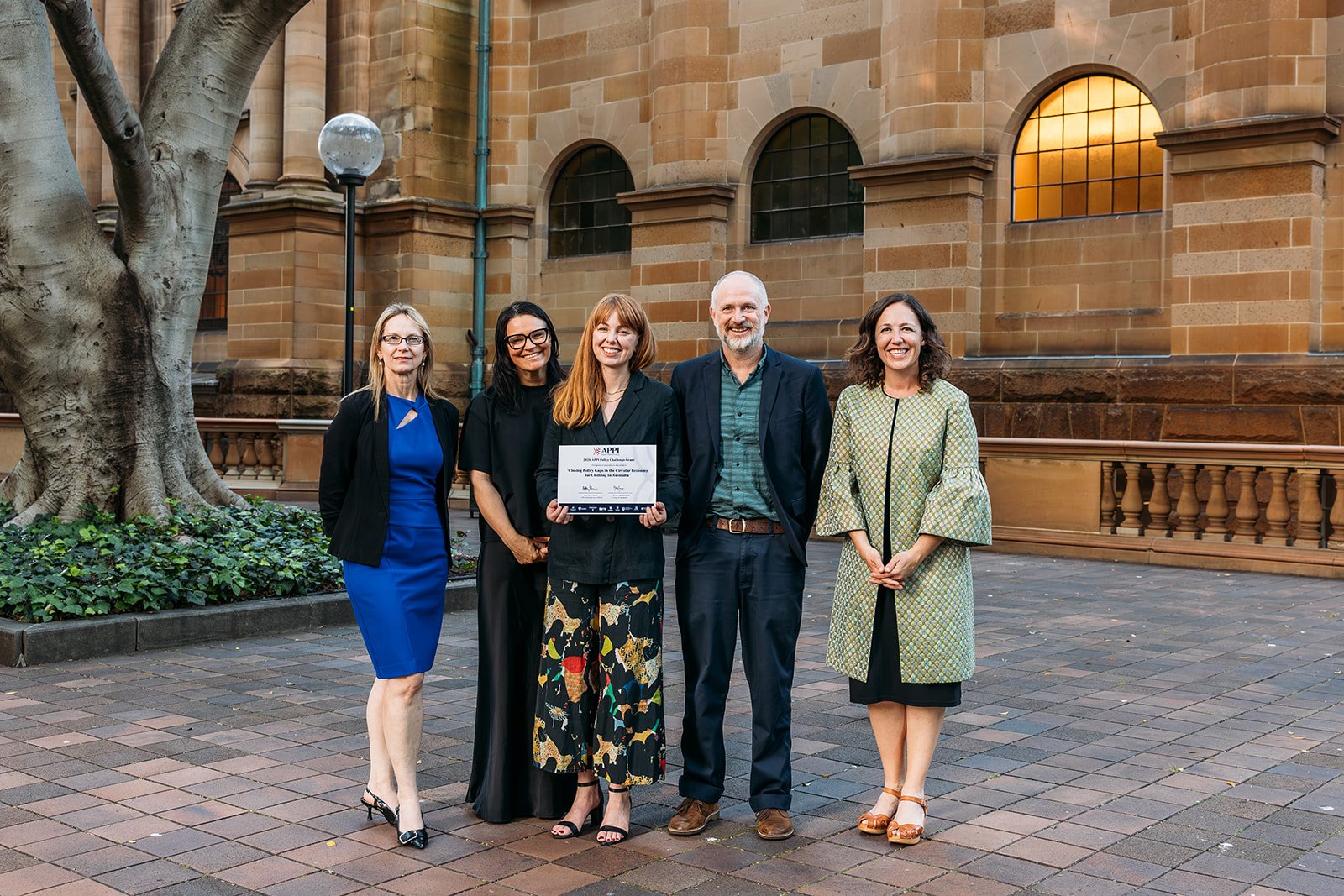
This project was also one of nine winners from the 2026 Australian Public Policy Institute Policy Challenge Grants. These grants support impactful projects that will inform practical solutions for critical and emerging public policy challenges. This ISF project focused on APPI's theme of strengthening policy responses to the triple planetary crisis. See photos from the award night below.
Researchers

Research Principal, DVC (Research)

Research Director, DVC (Research)

Adjunct Professor, DVC (Research)

Adjunct Fellow, DVC (Research)

Bringing their own power? Options for data centres and renewable energy
Australia is experiencing a wave of investment in data centres. The emergence of data centres arrives at a pivotal moment in Australia’s energy transition. The...
Primary Exploration, Mining and Metal Supply Scenario (PEMMSS)
The energy transition is driving demand for many mineral commodities, but where will this mineral supply come from?

Salmon farming disclosures
We examined climate-related disclosures for Tassal, Huon and Petuna and identified four key gaps between disclosures and existing climate science and other...

MekongELEVATE Research Partnership
MekongElevate is a four-year, multi-country initiative under the Mekong–Australia Partnership that seeks to strengthen the climate resilience of marginalised...
Bringing their own power? Options for data centres and renewable energy
Australia is experiencing a wave of investment in data centres. The emergence of data centres arrives at a pivotal moment in Australia’s energy transition. The...
Primary Exploration, Mining and Metal Supply Scenario (PEMMSS)
The energy transition is driving demand for many mineral commodities, but where will this mineral supply come from?
Salmon farming disclosures
We examined climate-related disclosures for Tassal, Huon and Petuna and identified four key gaps between disclosures and existing climate science and other...
MekongELEVATE Research Partnership
MekongElevate is a four-year, multi-country initiative under the Mekong–Australia Partnership that seeks to strengthen the climate resilience of marginalised...