


- Posted on 25 Aug 2025
- 3 minutes read
A UTS-led initiative in the Blue Mountains is challenging conventional design thinking by listening to country, community, and the quiet wisdom of swamps.
In the Upper Kedumba catchment of the Blue Mountains, a quiet revolution is taking place. It’s not loud or flashy. It doesn’t involve concrete or steel. Instead, it begins with listening – to water, to Country, and to the people who have cared for it across generations.
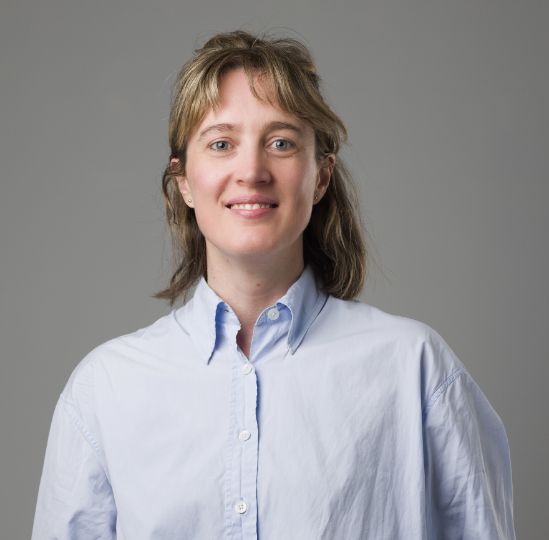
Swamp Studio is a landscape architecture initiative led by Louisa King from the University of Technology Sydney (UTS), in collaboration with Uncle David King, a Gundungurra Elder, and The Gully Traditional Owners Inc. Supported by a UTS Social Impact Grant, the project invites students to rethink their role as designers – not as problem-solvers, but as stewards, listeners, and collaborators.
'Rather than treating swamps as problems to be managed, we asked: what if swamps were our teachers?' says King.
Listening to Country
Swamp Studio was born from a need to address ecological and cultural tensions in swamp environments – especially those shaped by colonisation, water regulation, and dispossession. The studio focused on the Upper Kedumba catchment, a place rich in history and ecological complexity.
Students didn’t just study the landscape. They walked it. They sat with it. They learned from Uncle David King, who shared Gundungurra perspectives on water as kin and swamp as Country. Through fieldwork, yarning, drawing, and co-design, students developed proposals that were subtle, seasonal, and deeply responsive.
'Under Uncle David’s guidance, students began to see water not as a resource, but as a living system with memory and law,' King explains.
A different kind of design
More than 40 student projects emerged from the studio – ranging from ephemeral installations to stewardship plans and cultural infrastructure.
Some students chose not to design objects at all, instead proposing methods of listening or supporting existing ecological work.
This shift – from extraction to relation – was transformative. Students described the experience as a turning point in their education. Several have continued working with the community beyond the studio, volunteering or pursuing independent research.
'We moved at the pace of trust,' Uncle David King said. 'Every step was guided by invitation, not imposition.'
Impact beyond the studio
Swamp Studio’s influence is already rippling outward. The Blue Mountains City Council has drawn on student proposals to inform its water education and restoration strategies. The studio has reshaped the UTS landscape architecture curriculum and sparked interest in community-led, Country-informed teaching models.
Looking ahead
Swamp Studio is now being developed as a transferable model for other catchments. A toolkit for educators is in progress, and conversations are underway to build a cross-institutional network supporting relational, community-led design education.
A speculative masterplan is also being created – one that weaves together student work, community stories, and cultural frameworks to guide future water policy and design standards.
'Design less. Listen more,' King reflects. 'That’s the lesson we hope others will carry forward.'
The problem
Swamp environments in urban and peri-urban areas face ecological and cultural pressures, often treated as problems to be managed. Design education has lacked frameworks for engaging ethically with Indigenous communities and relational knowledge of place.
The response
Swamp Studio reimagined landscape architecture as a practice of listening and care. Led by UTS and Gundungurra Elder Uncle David King, the studio centred Indigenous perspectives and swamp ecologies through on-Country learning, co-design, and reciprocal relationships.
What helped accomplish this?
The studio adopted a 'move at the pace of trust' approach, guided by cultural protocols and community leadership. Students engaged through walking, yarning, drawing, and seasonal observation. Institutional constraints were reframed as opportunities for deeper relational thinking.
What has changed as a result?
Over 40 student projects were developed, many continuing beyond the studio. The Blue Mountains City Council has incorporated student ideas into policy. Trust was rebuilt with the Gully community, and the studio has influenced curriculum design and public awareness. Plans are underway to scale the model to other catchments and institutions.
Project lead
Lecturer, Faculty of Design and Society
This initiative was supported by a 2024 UTS Social Impact Grant.
Webpage
Amplifying queer perspectives on mass atrocity crimes
UTS researcher Dr Jess Gifkins is leading a body of work to recognise queer persecution in the face of mass atrocity crimes.
Webpage
Building a research legacy inside elite sport
Since 2017, the University of Technology Sydney (UTS) and the Oklahoma City Thunder, of the NBA, have worked together to better understand what drives...

Webpage
What is it like to be an industry partner in a BCII School?
The program coordinator from Heart on My Sleeve gives her perspective on what it's like to be an industry partner.
Webpage
Measuring human value in the workplace with Future Friendly
Products and services impact people's wellbeing, regardless if they’re designed to or not. Future Friendly tasked a small team of Bachelor of Creative...
Webpage
Amplifying queer perspectives on mass atrocity crimes
UTS researcher Dr Jess Gifkins is leading a body of work to recognise queer persecution in the face of mass atrocity crimes.
Webpage
Building a research legacy inside elite sport
Since 2017, the University of Technology Sydney (UTS) and the Oklahoma City Thunder, of the NBA, have worked together to better understand what drives...
Webpage
What is it like to be an industry partner in a BCII School?
The program coordinator from Heart on My Sleeve gives her perspective on what it's like to be an industry partner.
Webpage
Measuring human value in the workplace with Future Friendly
Products and services impact people's wellbeing, regardless if they’re designed to or not. Future Friendly tasked a small team of Bachelor of Creative...