


- Posted on 28 Aug 2026
Addressing water scarcity and navigating Water-Energy-Food-Ecosystem (WEFE) trade-offs in agriculture.
Agricultural water management sits at the centre of escalating pressures from water scarcity, climate variability, energy costs, food security demands, and ecosystem degradation, making it a priority domain for addressing trade-offs and identifying integrated solutions.
A WEFE nexus framing recognises these interdependencies and highlights the synergies and trade‑offs that exist between sectors and across scales, moving beyond fragmented and siloed approaches to resource management.
Agriculture provides a critical entry point for operationalising WEFE nexus approaches. In this context, Non-Conventional Water Resources (NCWR) and renewable energy in agriculture are increasingly recognised as important components to strengthen agricultural water management under growing water scarcity, climate variability and competing demands.
This project forms part of the United Nations Food and Agricultural Organization (FAO) Inter-Regional Technical Platform on Water Scarcity (iRTP-WS) work on Integrated Water Solutions: Navigating Climate Change and WEFE Nexus Dynamics.
Agriculture remains the largest user of freshwater globally (72%) placing it at the centre of water-energy-food-ecosystem trade‑offs and making it a priority domain for NCWR and renewable energy integration.
First developed was a regional working paper exploring the potential for integrating NCWR and renewable energy solutions into agricultural water management in the Asia-Pacific (RAP), using the WEFE nexus as a guiding framework.
Second, a global policy brief presenting insights from global experience with NCWR and renewable energy in agricultural water management was created, intended for senior policymakers and public authorities seeking concise guidance on strategic decision points.
The policy brief is supported by a longer technical synthesis document, which consolidates evidence from five FAO regional reviews completed in 2025 (Africa; Asia and the Pacific; Europe and Central Asia; Latin America and the Caribbean; Near East and North Africa).
While NCWR and renewable energy are often promoted as technical solutions, global experience shows that their effectiveness depends less on technology choice alone than on how they are embedded within governance, financing, institutional and social systems.
Research Output
Researchers

Research Director, DVC (Research)

Research Consultant, DVC (Research)

Research Assistant, DVC (Research)

International EV Policy Research
A synthesis of global EV policy lessons across six key domains to inform Australia’s next phase of electric vehicle market growth.

Victorian Energy Workforce Projections
The study includes projections for the electricity sector (generation and storage, transmission line construction), an estimate of the overall energy...
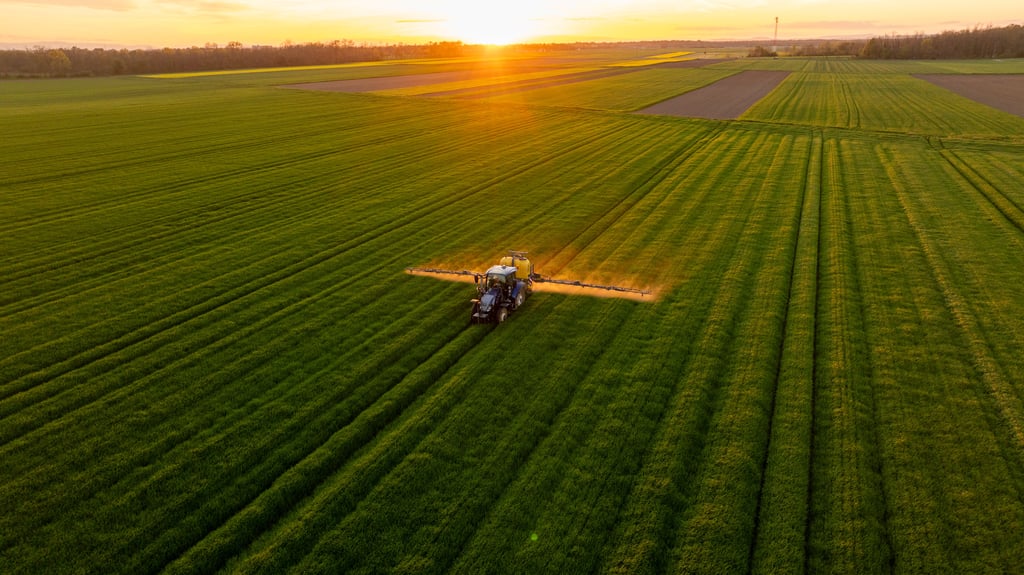
Optimising Organic Waste and Cultivating Circularity for Australian Agriculture
Circular economy for Australian agriculture, fisheries and forestry.
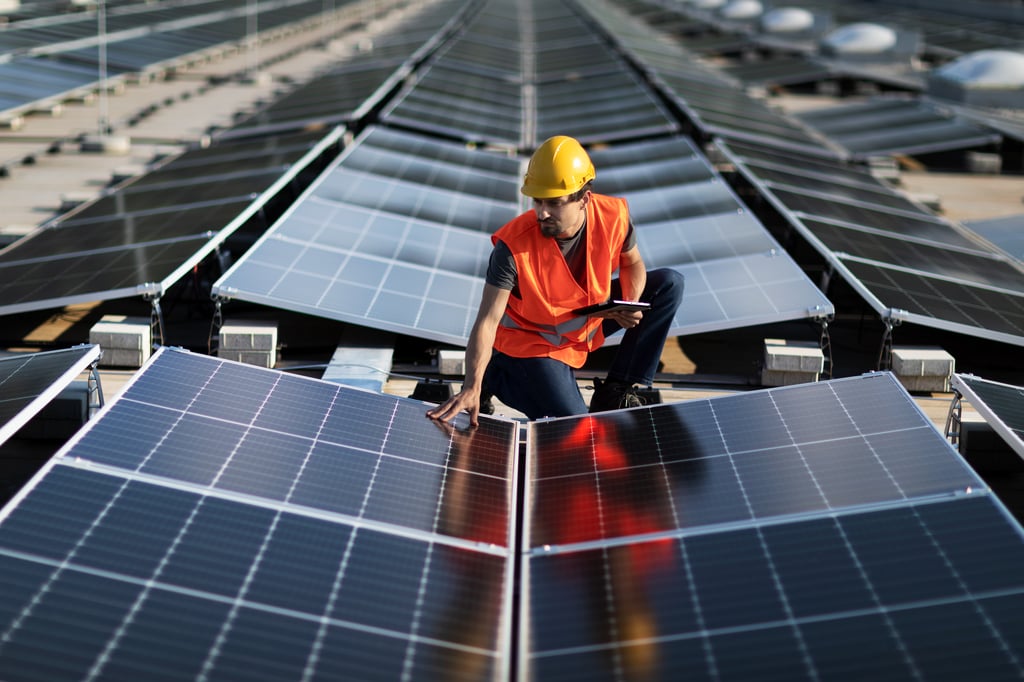
Advanced diagnostics for PV systems
Developing advanced diagnostics to improve fault detection and grid-event analysis in commercial and industrial solar PV systems.
International EV Policy Research
A synthesis of global EV policy lessons across six key domains to inform Australia’s next phase of electric vehicle market growth.
Victorian Energy Workforce Projections
The study includes projections for the electricity sector (generation and storage, transmission line construction), an estimate of the overall energy...
Optimising Organic Waste and Cultivating Circularity for Australian Agriculture
Circular economy for Australian agriculture, fisheries and forestry.
Advanced diagnostics for PV systems
Developing advanced diagnostics to improve fault detection and grid-event analysis in commercial and industrial solar PV systems.