


Project details
Client
-
RACE for 2030 CRC
Partner
-
Electric Vehicle Council
Sustainable Development Goals
-
7. Affordable and Clean Energy
-
9. Industry, Innovation and Infrastructure
-
11. Sustainable Cities and Communities
-
12. Responsible Consumption and Production
- Posted on 21 Jul 2026
A synthesis of global electric vehicle (EV) policy lessons across six key domains to inform Australia’s next phase of EV market growth.
Australia is at a pivotal moment in the transition to electric mobility. Transport is projected to become Australia’s largest source of greenhouse gas emissions by 2030, yet most new vehicle sales remain fossil fuelled.
Decisions made today on EV incentives, charging infrastructure, regulation, energy integration, and industry development will shape emissions, investment, and consumer outcomes for decades to come.
However, there is limited Australian evidence on which policy approaches are most effective and how they should evolve as the market matures.
The UTS Institute for Sustainable Futures (ISF) was commissioned by the RACE for 2030 CRC, with support from the Electric Vehicle Council, to address that gap by synthesising lessons from leading international jurisdictions to inform Australia’s next phase of EV market development.
The research examines policy experience across six interconnected areas:
- light vehicles
- heavy vehicles
- charging infrastructure
- energy integration
- enabling industries
- consumer adoption.
Through a comparative review of international policies, market outcomes, and implementation experiences, the project identifies the factors that contribute to successful EV transitions and highlights common challenges and trade-offs.
The resulting report provides an accessible, evidence-based reference for policymakers, industry stakeholders, and researchers. It identifies four cross-cutting themes that consistently emerge across international experience:
- the importance of policy sequencing and durability;
- coordinated national, state, and local approaches to charging infrastructure;
- embedding equity considerations into policy design;
- Australia’s engagement in international regulatory and standards-setting processes.
By translating global experience into an Australian context, the project can support these stakeholders as they navigate a period of significant policy change.
It contributes to a more informed and coherent policy discussion at a time when multiple EV-related decisions are converging and establishes a foundation for future research on the industrial policy and political economy dimensions of transport electrification.
Download the Report
Researchers
Research Director, DVC (Research)

Research Principal, DVC (Research)

Research Consultant, DVC (Research)

Webpage
MekongELEVATE Research Partnership
MekongElevate is a four-year, multi-country initiative under the Mekong–Australia Partnership that seeks to strengthen the climate resilience of marginalised...
Webpage
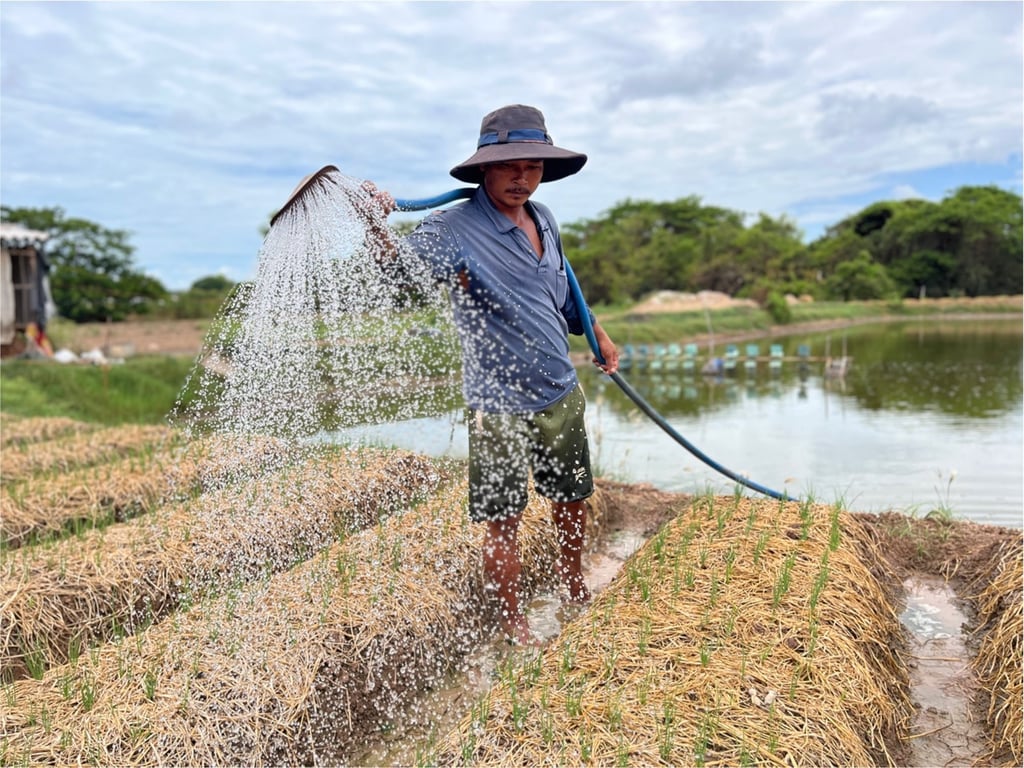
Operationalising the WEFE Nexus in Agricultural Water Systems
Addressing water scarcity and navigating Water-Energy-Food-Ecosystem (WEFE) trade-offs in agriculture.
Webpage
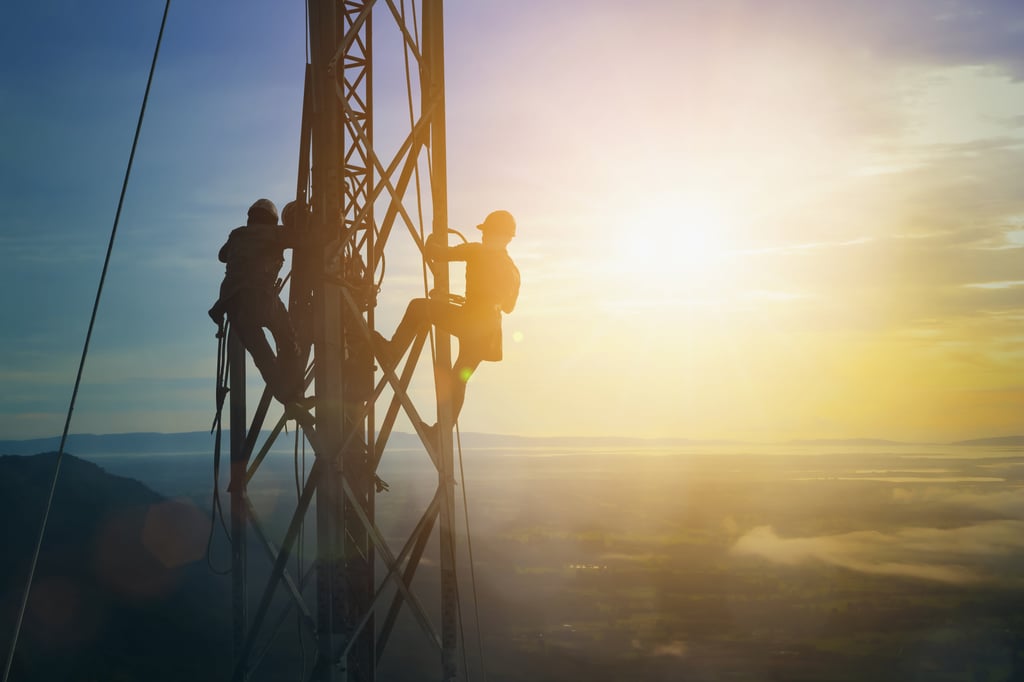
Victorian Energy Workforce Projections
The study includes projections for the electricity sector (generation and storage, transmission line construction), an estimate of the overall energy...
Webpage
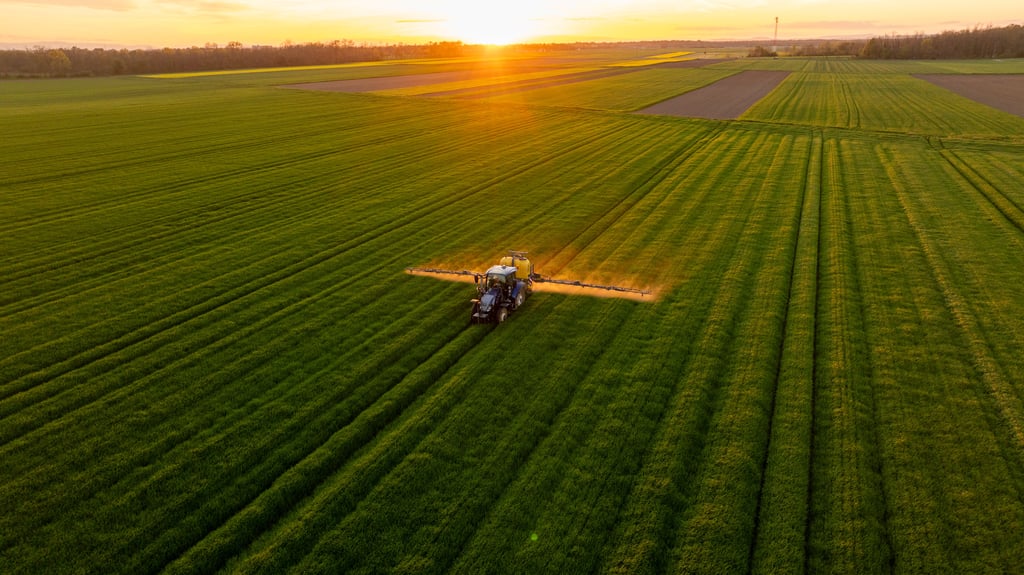
Optimising Organic Waste and Cultivating Circularity for Australian Agriculture
Circular economy for Australian agriculture, fisheries and forestry.
Webpage
MekongELEVATE Research Partnership
MekongElevate is a four-year, multi-country initiative under the Mekong–Australia Partnership that seeks to strengthen the climate resilience of marginalised...
Webpage
Operationalising the WEFE Nexus in Agricultural Water Systems
Addressing water scarcity and navigating Water-Energy-Food-Ecosystem (WEFE) trade-offs in agriculture.
Webpage
Victorian Energy Workforce Projections
The study includes projections for the electricity sector (generation and storage, transmission line construction), an estimate of the overall energy...
Webpage
Optimising Organic Waste and Cultivating Circularity for Australian Agriculture
Circular economy for Australian agriculture, fisheries and forestry.