


- Posted on 24 Oct 2025
- 3-minute read
Society’s inability to discuss and navigate complex and contested topics contributes to Australia’s underperformance on the nation’s biggest issues.
Together with Next25, this research partnership aims to explore, understand and support the conditions that foster ‘Constructive Discussion’ and builds on Next25's mission-to ensure Australia has what it takes to make the future its people want. Constructive discussion emphasises a need for diverse perspectives to be raised, exchanged, and collectively considered in a manner that enables reflection and supports practical, collaborative decision-making.
So, how can we assess Australia’s ability to respond to critical issues and work together to co-create, test, and implement interventions that strengthen capacity to create the future Australia wants?
Project overview
This research explores some of the nation’s biggest issues and aims to address their root causes, rather than just their symptoms, through fostering and elevating constructive discussion. In collaboration with Next25, who began by interviewing 50 business and community leaders, the research team identified key barriers and opportunities for national progress, emphasising the role that constructive discussion can have in navigating these challenges. From this foundation, the research focused on two areas:
- Understanding the conditions that enable constructive discussion
- Applying this approach to the Sydney housing crisis

If we want to make the future Australia truly wants, we must learn to talk across our differences—not to win arguments, but to build trust, share understanding, and co-create solutions that reflect the complexity of real life".
Our impact
The research has unearthed how rising polarisation and resistance to differing views are stalling progress on complex societal challenges, such as climate change, tax reform, immigration, inequality, indigenous disadvantage and housing affordability.
In response, the team created a holistic framework for understanding, identifying, and applying constructive discussion strategies. Looking at the big picture the framework acknowledges the various ways and scales at which the concept can be applied, aiming to help professionals avoid limiting their approaches by drawing attention to the multiple levels at which constructive discussion can take place, including:
- Personal – Reflecting on our own thinking and behaviours
- Conversational – Engaging in open, respectful dialogue
- Institutional – Embedding inclusive practices in organisations
- Cultural – Shifting norms to support long-term change

Using the framework, the team studied the Sydney housing ‘crisis’ as a powerful test case. This identified social interventions that build trust and shared understanding; democratic innovations, such as representative panels and co-designed pilot projects; and collaborative ideation that brings together diverse expertise and lived experience.
The research showed that a focus on constructive discussion can offer new insights, recommendations, and interventions for professionals and other influential stakeholders seeking to achieve transformative system change in urban areas. The ongoing integration of systems science, socio-cultural perspectives, and transformative agendas is expected to benefit these endeavours and ultimately impact society in a variety of positive ways.
The team continue to co-create and test new approaches to improve the Sydney housing ecosystem and address other complex issues.
Work with us
We deliver a wide range of research projects for public and private sector partners seeking research expertise and support in overcoming their complex challenges using our unique transdisciplinary (TD) methodology.
To get involved in this research project or to find out how TD Research can help you and your organisation, please email TDResearch@uts.edu.au.
Explore
Research project team
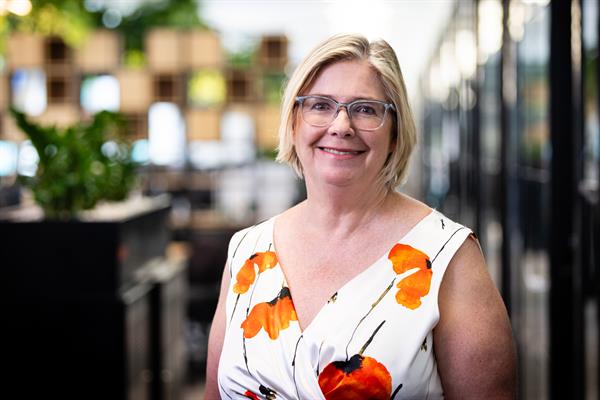
Lecturer, Faculty of Law
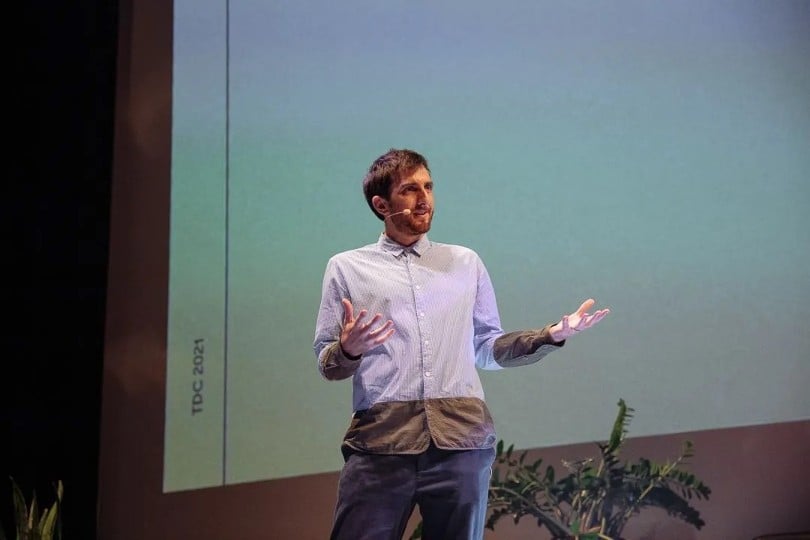
Lecturer, Faculty of Law

Director, Teaching And Learning, Faculty of Law

Lecturer, Faculty of Law

Director, Research, Faculty of Law
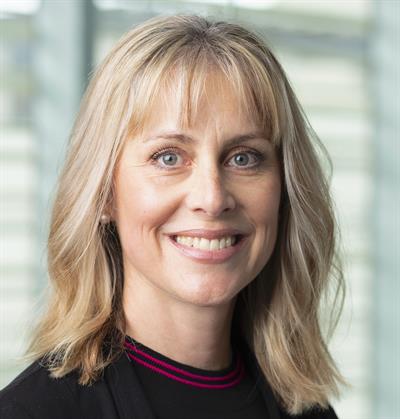
Senior Lecturer, Faculty of Law

Senior Lecturer, Faculty of Law
Other researchers working on this project are:
- Christopher Riedy, University of Technology, Institute for Sustainable Futures
- Chloë Spackman, Next25
- Laura McLauchlan, Next25
- Stephanie Mason
- Clare Reddan

Building a research legacy inside elite sport
Since 2017, the University of Technology Sydney (UTS) and the Oklahoma City Thunder have worked together to better understand what drives performance,...

MekongELEVATE Research Partnership
MekongElevate is a four-year, multi-country initiative under the Mekong–Australia Partnership that seeks to strengthen the climate resilience of marginalised...

Bioengineering Protein Nanocages into Multi-target Vaccines for Alzheimer’s Disease
Alzheimer's disease (AD) is characterised by the clumping of abnormal proteins in the brain, which increases over time and leads to worsening cognitive...
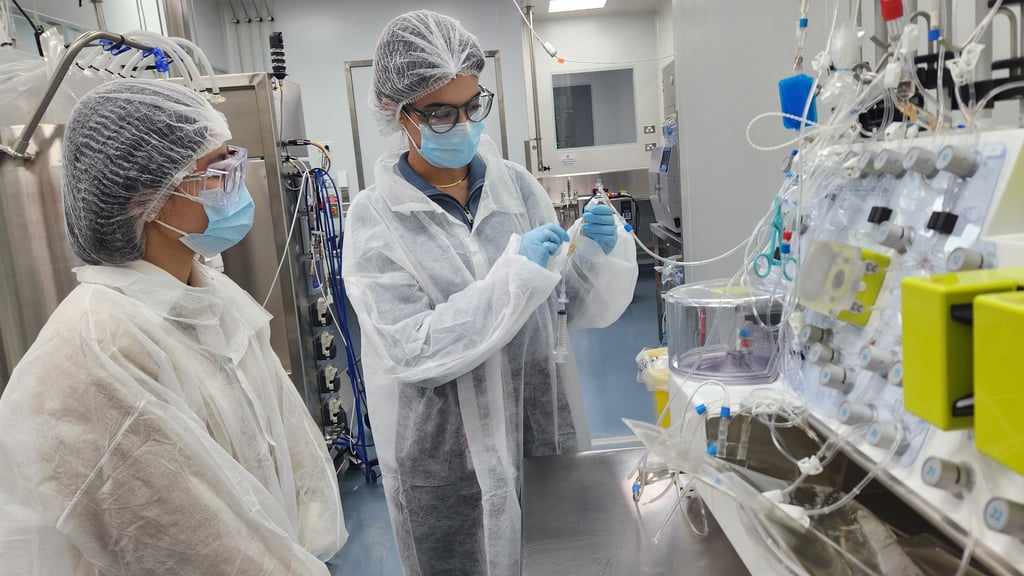
Biotech start-up takes leap to regenerate Alzheimer’s damage
Australian biotechnology start-up Skin2Neuron found the perfect scientific and manufacturing partner to help their breakthrough cell-based treatment take root.
Building a research legacy inside elite sport
Since 2017, the University of Technology Sydney (UTS) and the Oklahoma City Thunder have worked together to better understand what drives performance,...
MekongELEVATE Research Partnership
MekongElevate is a four-year, multi-country initiative under the Mekong–Australia Partnership that seeks to strengthen the climate resilience of marginalised...
Bioengineering Protein Nanocages into Multi-target Vaccines for Alzheimer’s Disease
Alzheimer's disease (AD) is characterised by the clumping of abnormal proteins in the brain, which increases over time and leads to worsening cognitive...
Biotech start-up takes leap to regenerate Alzheimer’s damage
Australian biotechnology start-up Skin2Neuron found the perfect scientific and manufacturing partner to help their breakthrough cell-based treatment take root.