


- Posted on 31 Jul 2025
- 4-minute read
In a modest room in Blacktown, a group of Dinka-speaking elders gathered to talk about something they rarely get asked about: their health.
For many, it was the first time they’d been invited to share their experiences navigating Australia’s healthcare system. And for Dr Abela Mahimbo, a researcher in the UTS School of Public Health, it was a moment of deep listening and deep learning.
"Some of us have stayed here for more than 20 years," said one participant. "The government should start considering us as its own people."
This project, supported by a UTS Social Impact Grant, set out to explore the health literacy needs of Dinka-speaking refugee communities in New South Wales. It aimed to understand how people access, understand, and act on health information – and what gets in the way.
A community-led approach
The research was grounded in participatory action principles. A respected Dinka community leader, Ms Susan Aduk Dau, served as co-researcher – sharing equal responsibility for study design, recruitment, data collection, and analysis.
"You are doing a great job," she said. "I must support it."
Together they conducted 2 focus groups with 19 participants, mostly older adults and healthcare consumers. The discussions, held in Dinka, revealed a complex web of barriers: limited literacy, language challenges, cultural differences, and experiences of racism and discrimination.
"If I was a white person, I would have opened a case," said one participant, describing mistreatment in hospital. "A patient carried by ambulance is someone very sick. They cannot be left to roam on their own."
Health literacy at the point of care
Participants described difficulty understanding prescriptions, booking appointments, navigating referrals, and managing chronic conditions. Many relied on family members for support, and trusted doctors as their main source of health information but felt unheard and disrespected during consultations.
"We need to be taught more English," said one elder. "Even if you are elderly, learning more English would help you when seeing a doctor."
The research also highlighted tensions between Western medicine and traditional healing practices, and the stigma surrounding mental health.
What change looks like
Participants proposed a range of strategies to improve health literacy and healthcare experiences:
- Culturally safe services that acknowledge and eliminate racism.
- Training for healthcare providers in cultural competence and humility.
- More interpreters and bilingual staff.
- Community-led health education sessions.
- Support for ethnic healthcare providers.
- Improved access to screening and chronic disease management
"Treating people equally promotes peace of mind," said one participant.
A model for empowerment
For Dr Mahimbo, the most powerful outcome was citizen empowerment. Participants – especially elders – felt heard, respected, and valued.
They expressed optimism that their voices could inform meaningful change. That’s the heart of social impact.
The project has already led to a submitted journal manuscript and plans for broader dissemination, including webinars and presentations to local health districts. The next phase will focus on co-designing culturally relevant interventions to improve health literacy and equity.
Summary
The problem
Dinka-speaking refugee communities in NSW face significant barriers to accessing and understanding health information. These include limited literacy, language challenges, cultural differences, and experiences of racism and discrimination. These factors contribute to poorer health outcomes and reduced trust in the healthcare system.
The response
Dr Abela Mahimbo co-led a participatory research project with community leader Ms Susan Aduk Dau to explore health literacy needs at the point of care. The project was built on previous research and long-standing relationships with the community.
What helped accomplish this?
An equal partnership with Ms Dau was critical, ensuring trust, cultural sensitivity, and meaningful engagement with the Dinka-speaking community. Conducting focus groups in Dinka allowed participants to share their experiences in a culturally safe environment.
What has changed as a result?
The project empowered participants to voice their needs and propose solutions. It highlighted the importance of culturally safe care and laid the groundwork for future interventions. Findings have been submitted for publication and will be shared with health services to inform policy and practice. The project also demonstrated a replicable model for community-led research with refugee communities.
Project lead/s
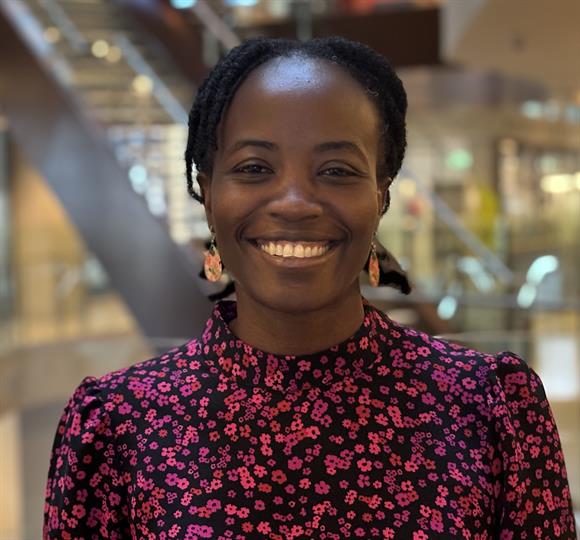
Adjunct Fellow, Faculty of Health
This project was supported by a 2024 UTS Social Impact Grant.

Webpage
Water efficiency program outlines for Melbourne water businesses
The implementation of a wide range of water efficiency programs can make a significant difference to water demand, not only in the residential sector, but also...
Webpage
Amplifying queer perspectives on mass atrocity crimes
UTS researcher Dr Jess Gifkins is leading a body of work to recognise queer persecution in the face of mass atrocity crimes.
Webpage
Building a research legacy inside elite sport
Since 2017, the University of Technology Sydney (UTS) and the Oklahoma City Thunder, of the NBA, have worked together to better understand what drives...

Webpage
What is it like to be an industry partner in a BCII School?
The program coordinator from Heart on My Sleeve gives her perspective on what it's like to be an industry partner.
Webpage
Water efficiency program outlines for Melbourne water businesses
The implementation of a wide range of water efficiency programs can make a significant difference to water demand, not only in the residential sector, but also...
Webpage
Amplifying queer perspectives on mass atrocity crimes
UTS researcher Dr Jess Gifkins is leading a body of work to recognise queer persecution in the face of mass atrocity crimes.
Webpage
Building a research legacy inside elite sport
Since 2017, the University of Technology Sydney (UTS) and the Oklahoma City Thunder, of the NBA, have worked together to better understand what drives...
Webpage
What is it like to be an industry partner in a BCII School?
The program coordinator from Heart on My Sleeve gives her perspective on what it's like to be an industry partner.