


- Posted on 19 Feb 2025
About SDG 6: Ensure access to water and sanitation for all
Billions of people worldwide do not have access to clean drinking water and well managed sanitation, with population pressures and climate change exacerbating the problem. Even in a wealthy nation like Australia management of rivers and access to water is one of the most politically fraught issues in the country.
UTS researchers are working on ways to improve wastewater management, water recycling technology, and water treatment and management for circular water and resource recovery.
Here are some examples of our work at UTS contributing towards SDG 6.
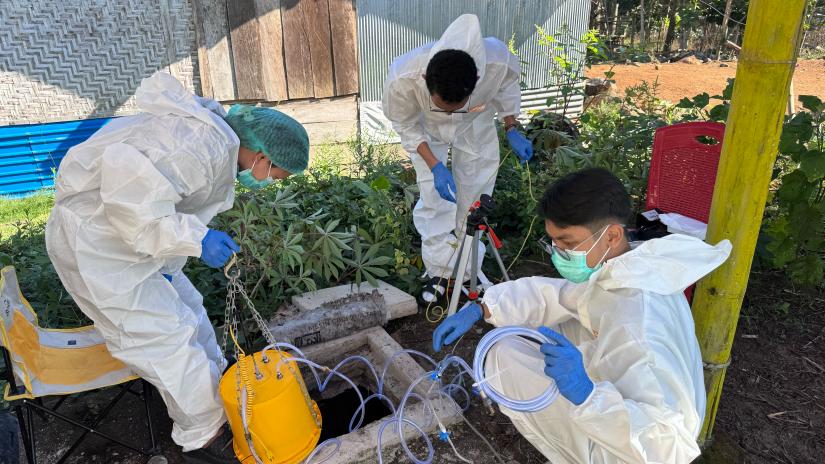
Emissions Measurement to Improve Sanitation in Indonesia
EMISI project in Indonesia, an initiative of Ministry of Public Works and Housing, supported through DFAT’s Indonesia Australia Partnership for Infrastructure.
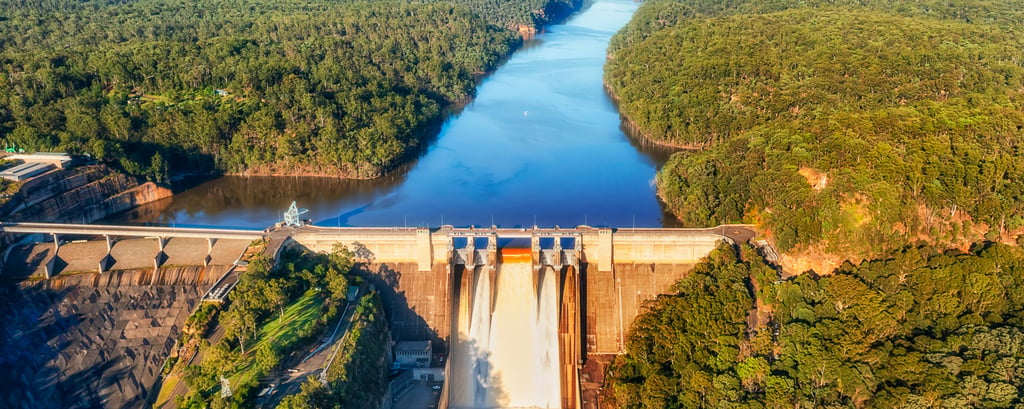
Future Scenarios for Greater Sydney’s Drinking Water Catchments
Exploring plausible alternate future states of Greater Sydney’s Drinking Water Catchment to understand the impacts of Megatrends and local drivers on water security in 2040 and 2060.
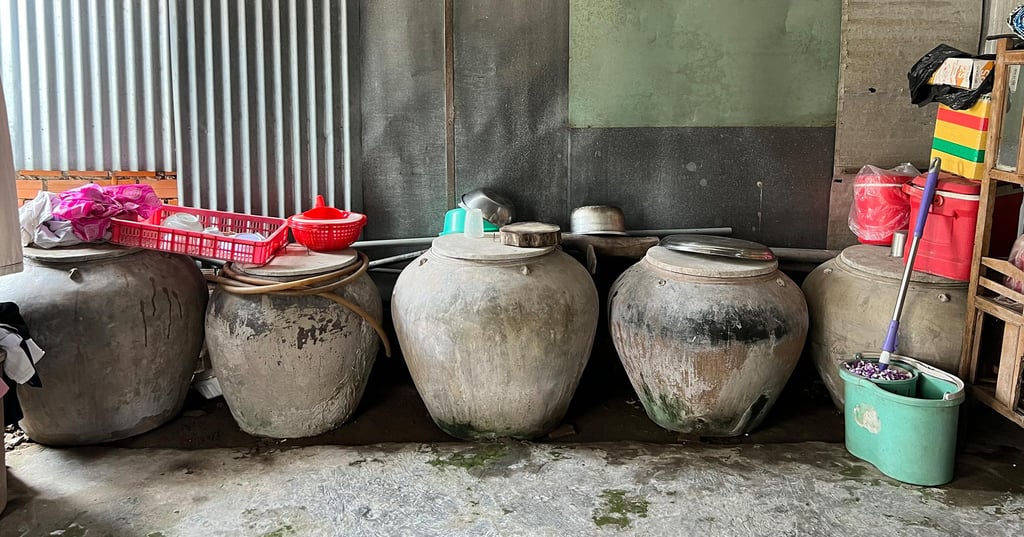
Resilience in a Changing Climate
Advancing Research on Groundwater for Equity in Asia and the Pacific
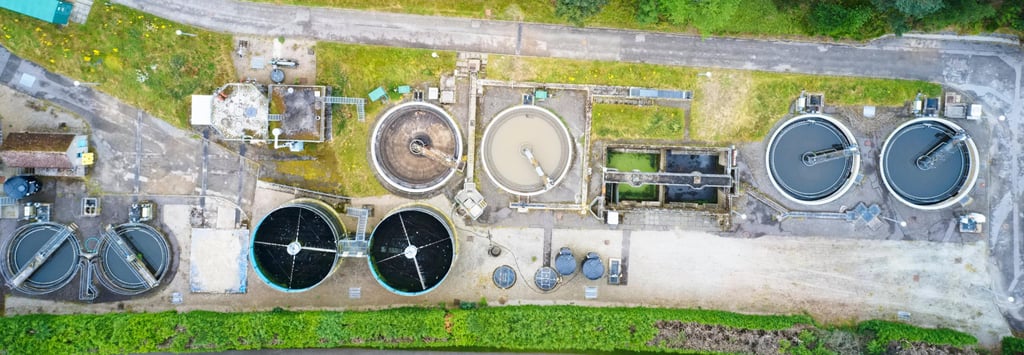
Greening sewerage treatment plants
Developing new technologies to transform sewerage treatment plants into green energy producers.
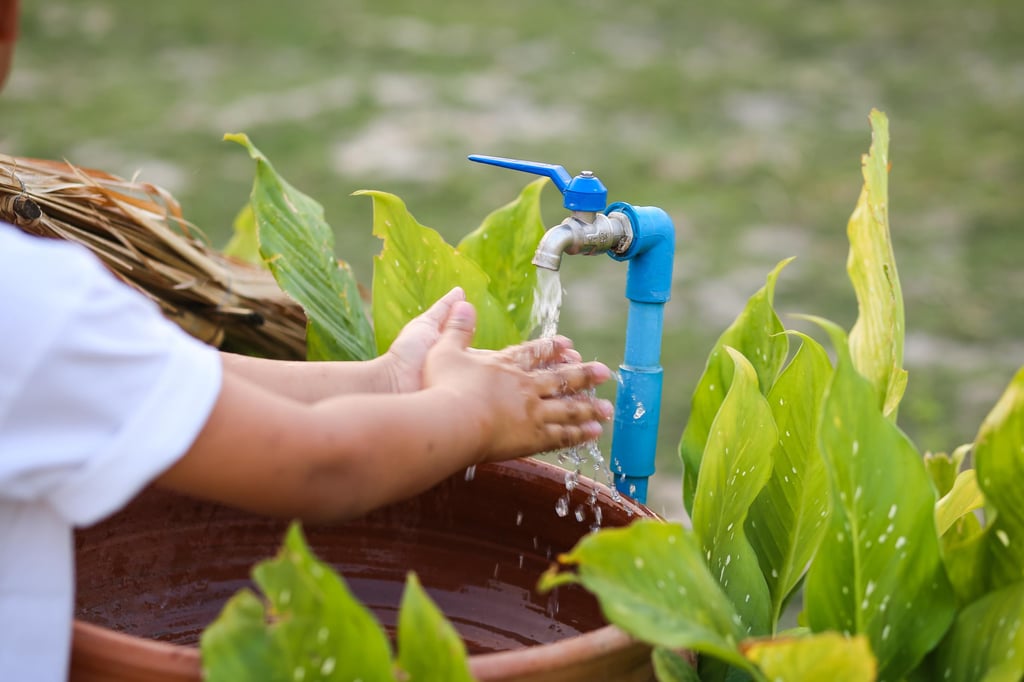
Gender equality and access to water and sanitation
How managers, policy makers and practitioners engage with issues of gender and social exclusion, determines fair and equitable access to water.
Our impact
Find out how UTS staff and students are contributing to the UN’s Sustainable Development Goals.
Trailblazers for the Goals
UTS has experts working towards the SDGs all over campus. The Trailblazers for the Goals are a campus-wide network of researchers and experts advancing the UN Sustainable Development Goals.
You can contact a trailblazer to discuss their work for the SDGs, or they can connect you with other experts in the space.
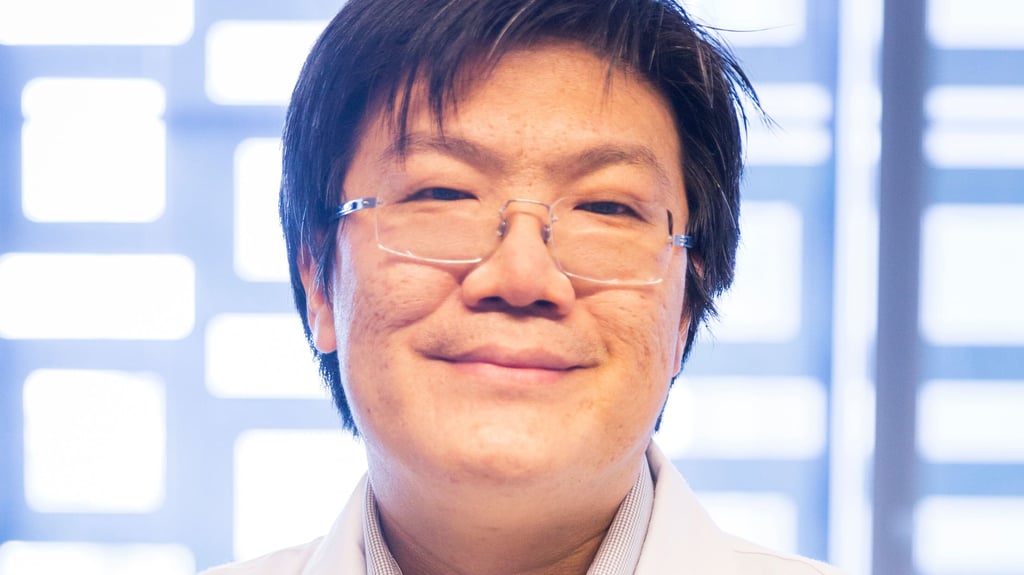
Prof. Ho Kyong Shon
School of Civil and Environmental Engineering
Professor Ho Kyong Shon is the Director at the Nutrients in a Circular Economy Research Hub (NiCE Hub), as well as the Head of Discipline for Environmental and Water Engineering at UTS. Shon’s work for SDG 6 ranges from the circular economy to wastewater treatment processes for water reuse and nutrient extraction.
Learn more
Nutrients in a Circular Economy Hub
A research hub where experts are working together to develop, test and upscale new technologies to achieve nutrient recovery from waste.
NiCE Loo feeds new growth in nutrient recycling
The problem of valuable nutrients being flushed away in sewage has long been recognised and now an Australian-developed solution has been unveiled.