


Deborah Ascher Barnstone
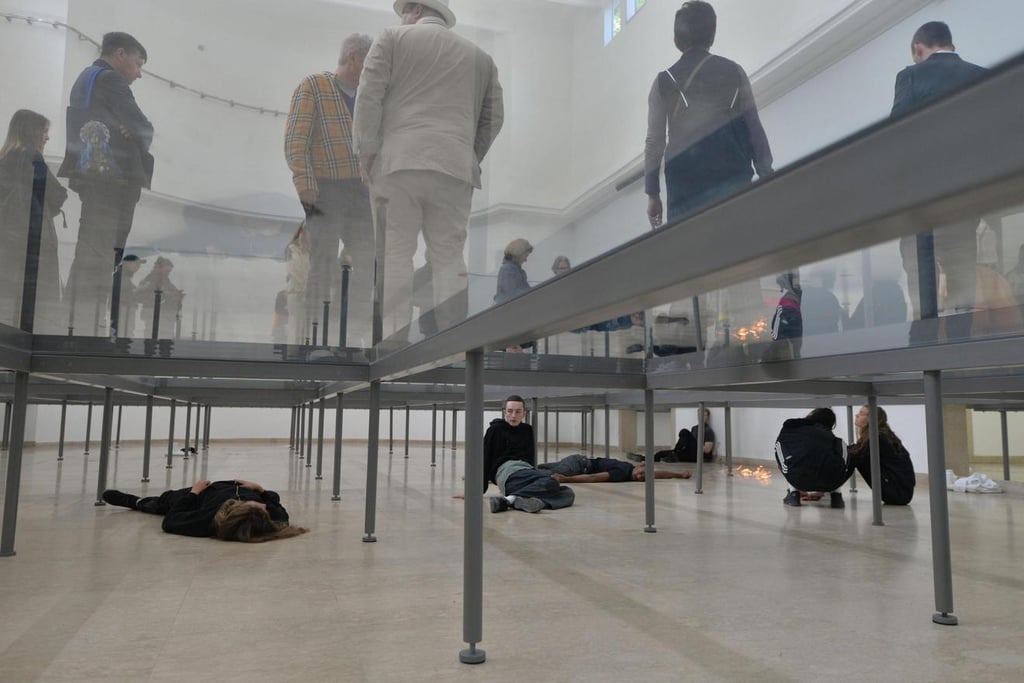
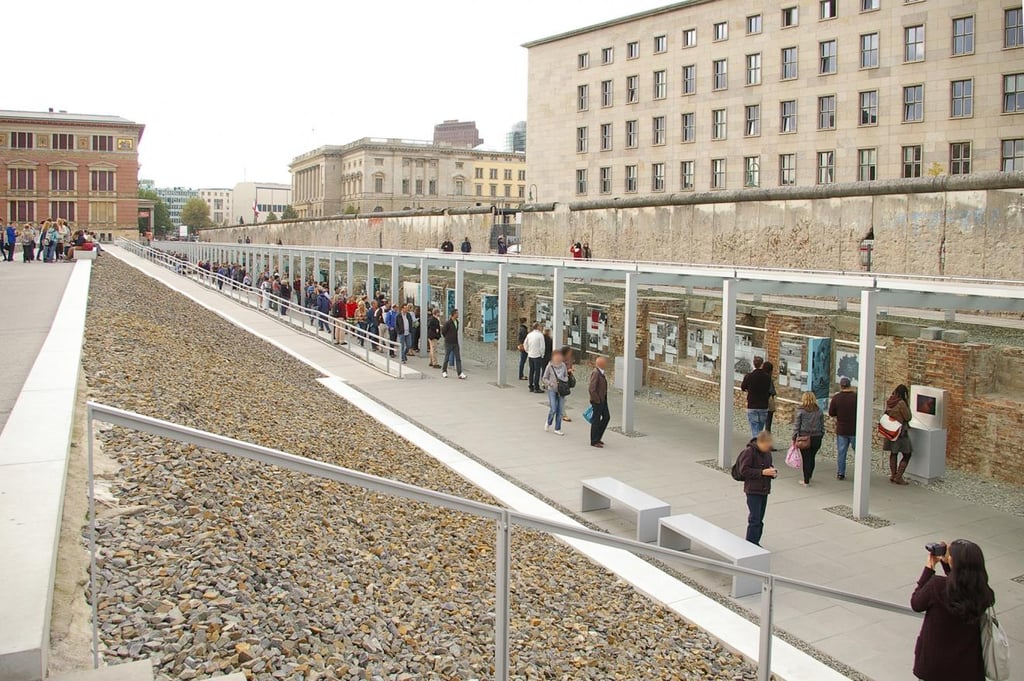
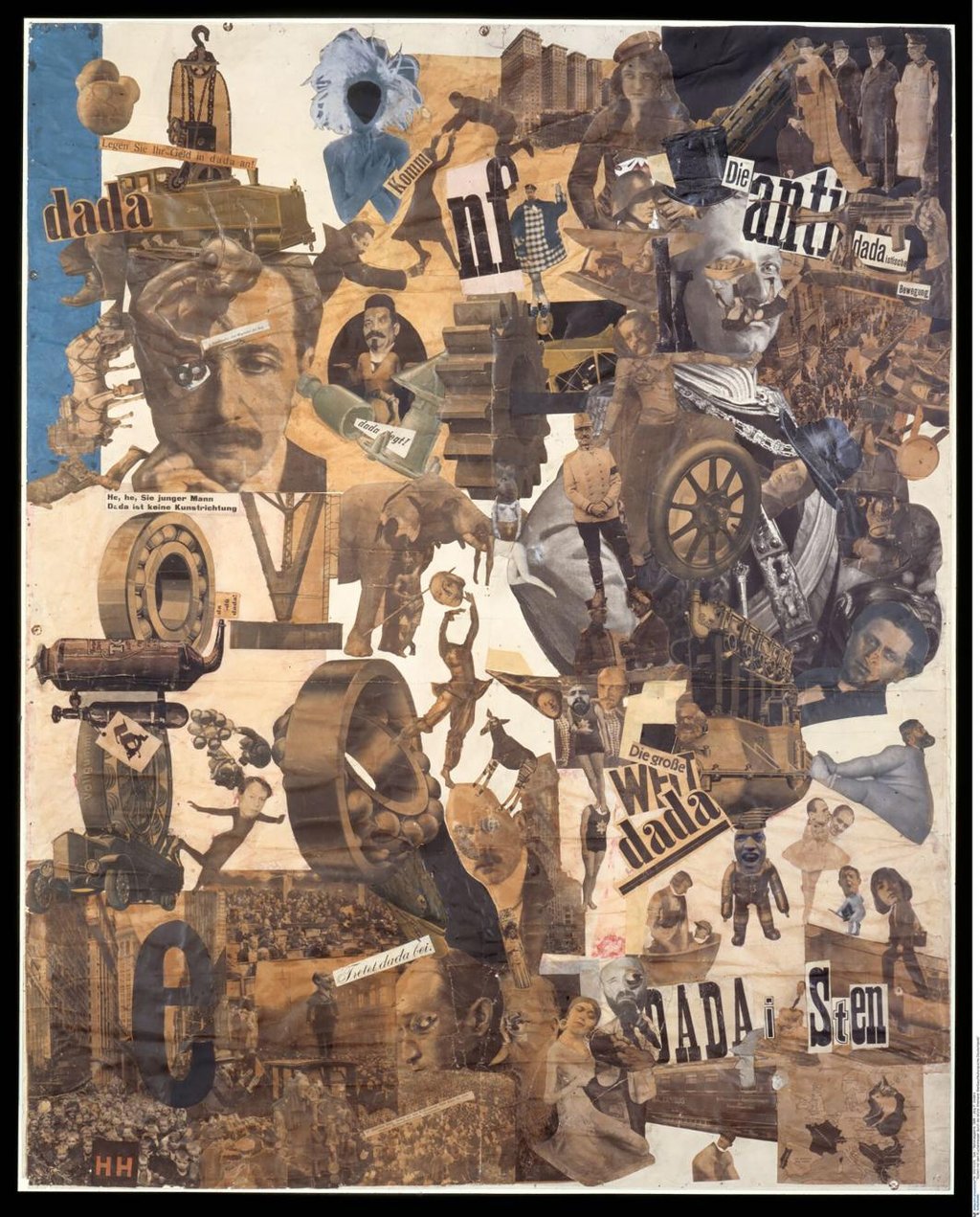
Art and Resistance in Germany investigates ways in which cultural producers across the twentieth century have sought to resist, confront, confound, mock, or call out situations of political oppression in Germany. It responds to the recent rise of right-wing populism in numerous political contexts and in the face of resurgent nationalism, racism, misogyny, homophobia, and demagoguery. Germany’s unique history makes it a particularly fruitful case to use: the changes in political system from new, revolutionary democracy founded on the heels of monarchy in 1918, to notorious dictatorship under Adolf Hitler in 1933, to divided nation between 1945 and 1989.
The book opens with an essay that theorises four ways that artistic production can be resistant: by altering perceptions of the world, inspiring political action, critiquing conventional cultural symbols, and performing resistance. Essays then examine work across a range of media from traditional ones like sculpture to new ones like film presenting a broad range of targets and strategies. Essays address the challenges of the Weimar period, injustices of the Nazi era and some of the issues facing Germany today.
Webpage
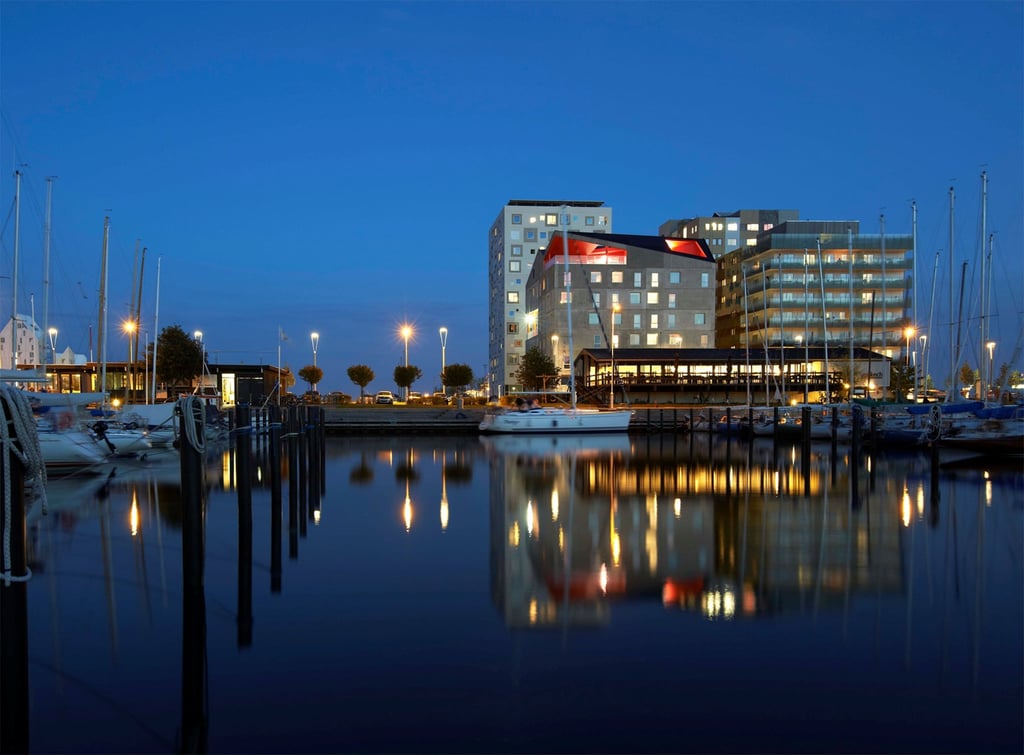
Aarhus Student Housing
Aarhus Student Housing is a collaborative project between TERROIR (led by UTS Practice Professor Gerard Reinmuth) and CUBO Arkitekter and was the result of a...
Webpage
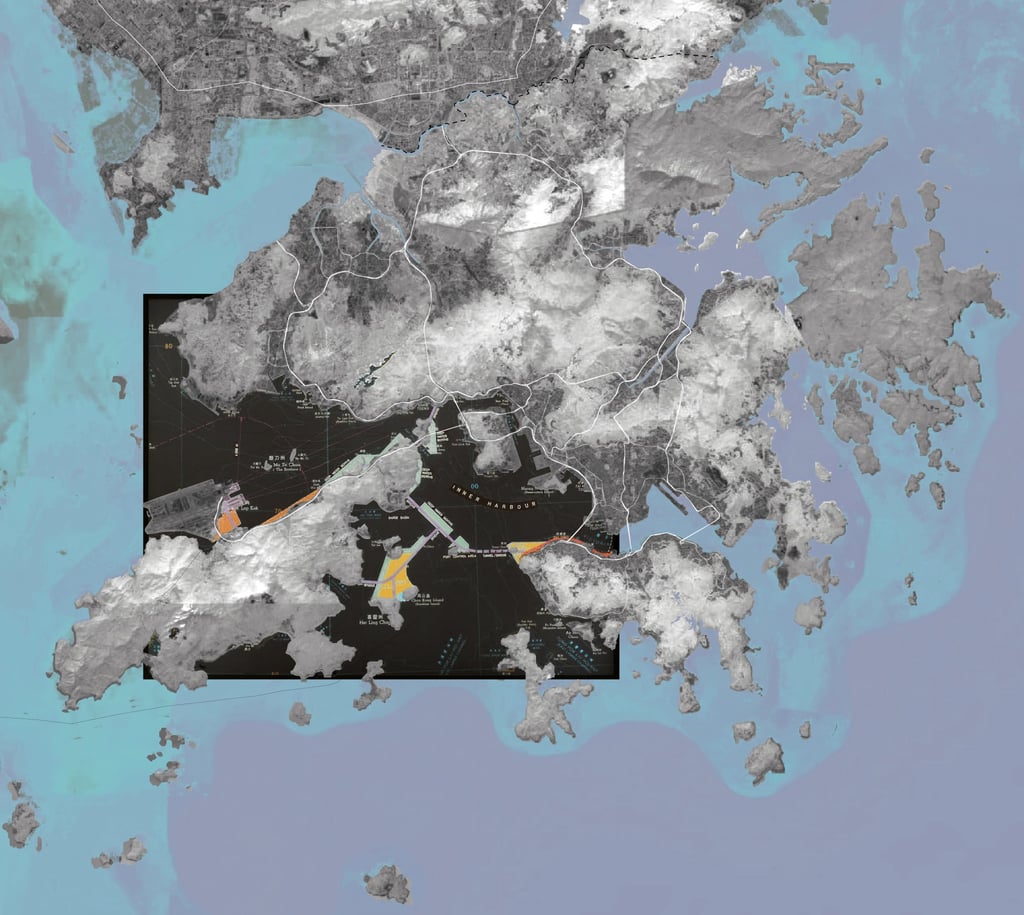
Hong Kong's Artificial Anti-Archipelago and the Unnaturing of the Natural
This book chapter examines a proposal made by Hong Kong tycoon Gordon Wu to construct an artificial island in Hong Kong’s territorial waters in the late 1980s.

Webpage
A National Green Network for Australia
This research project argues for the benefits of a designed ecological network—the National Green Network—promoted as counterpoint to the rapid and relatively...
Webpage
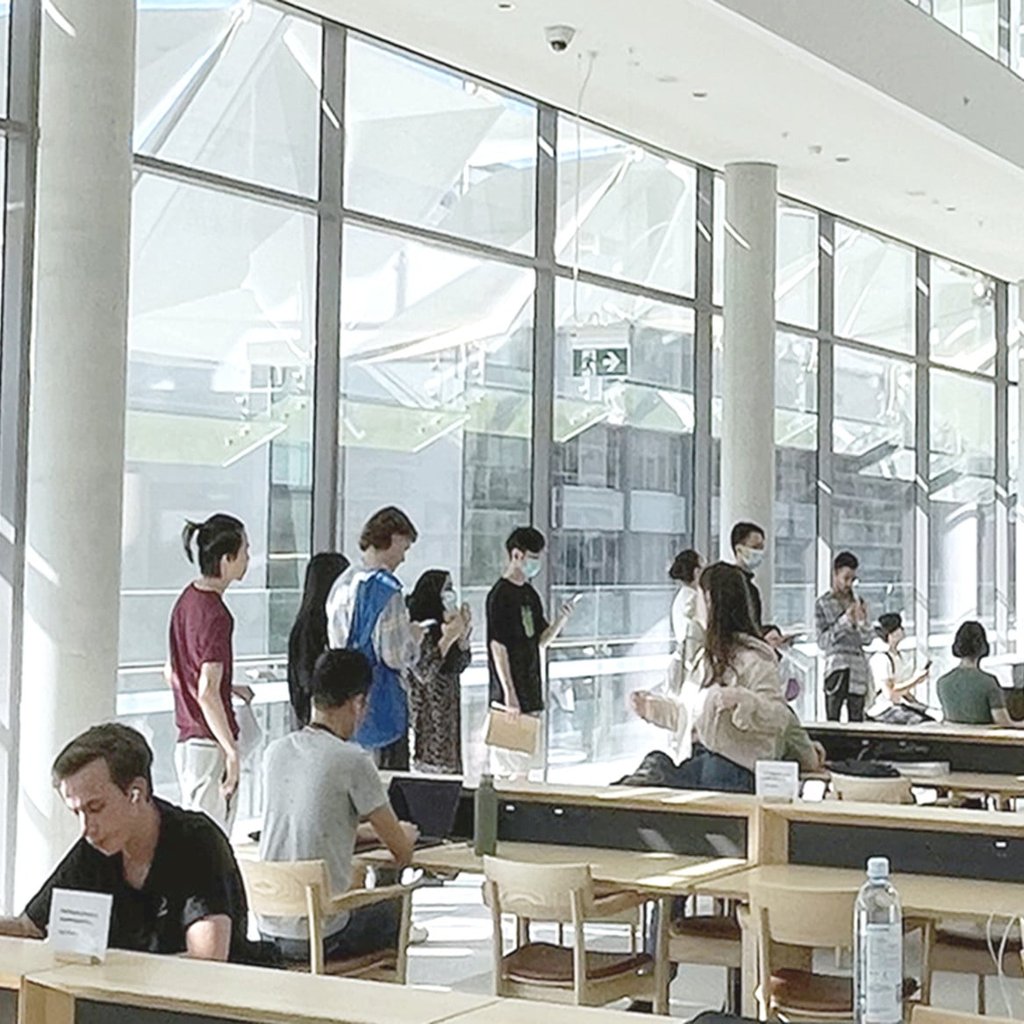
Post occupancy evaluation: En.Gauge – BOSSA
En.Gauge is an ongoing post occupancy evaluation and research program within UTS Faculty of Design and Society.
Webpage
Aarhus Student Housing
Aarhus Student Housing is a collaborative project between TERROIR (led by UTS Practice Professor Gerard Reinmuth) and CUBO Arkitekter and was the result of a...
Webpage
Hong Kong's Artificial Anti-Archipelago and the Unnaturing of the Natural
This book chapter examines a proposal made by Hong Kong tycoon Gordon Wu to construct an artificial island in Hong Kong’s territorial waters in the late 1980s.
Webpage
A National Green Network for Australia
This research project argues for the benefits of a designed ecological network—the National Green Network—promoted as counterpoint to the rapid and relatively...
Webpage
Post occupancy evaluation: En.Gauge – BOSSA
En.Gauge is an ongoing post occupancy evaluation and research program within UTS Faculty of Design and Society.