

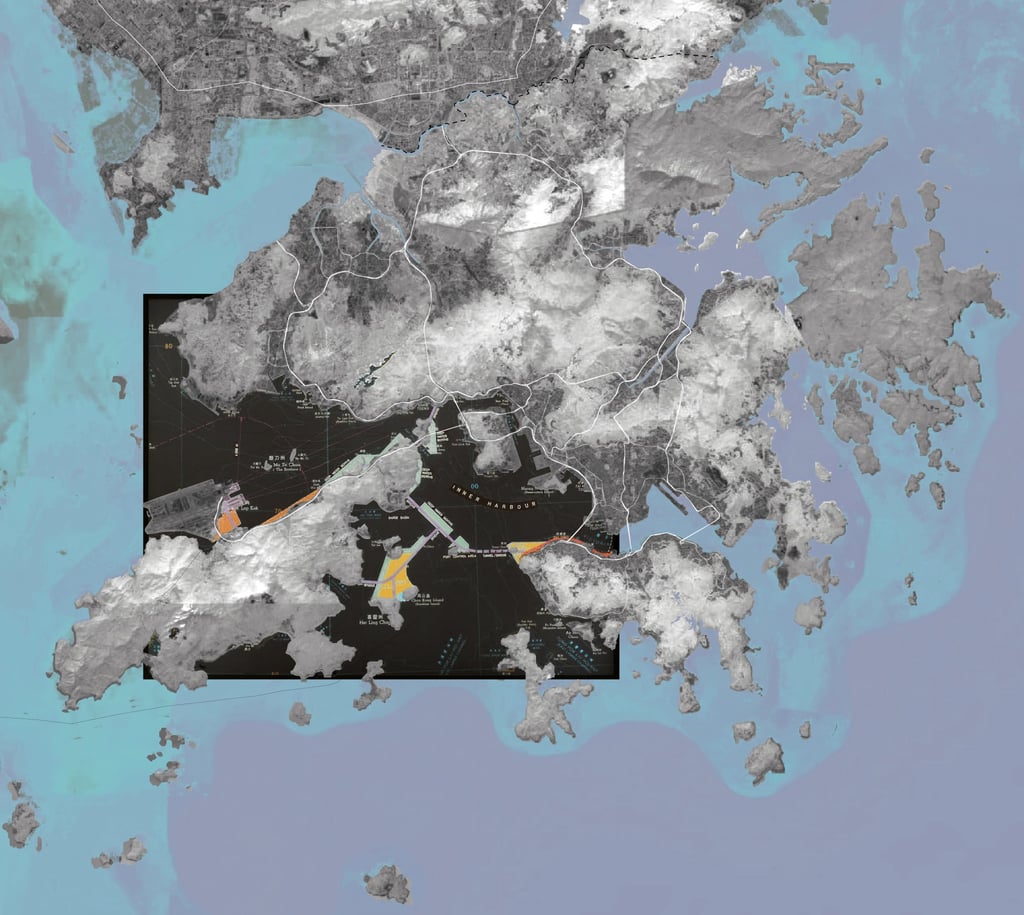
This book chapter examines a proposal made by Hong Kong tycoon Gordon Wu to construct an artificial island in Hong Kong’s territorial waters in the late 1980s. Wu’s scheme has echoes in the Hong Kong government’s current plan to construct an ‘East Lantau Metropolis’ on an artificial island in a similar same location. A close examination of Wu’s proposition reveals how it served not just commercial ambitions, but also expressed a more complex set of aims playing out through geopolitical intrigue and late-colonial domestic politics, as well as manoeuvrings for private dominance of urban and regional infrastructure. At an even more ulterior level, these activities additionally attempted an unconscious restructuring of the intercultural formations of nature(s) and landscape as they have emerged in Hong Kong.
The chapter was developed as part of an ongoing project on ecologies of urbanism, orchestrated by Professor K. Sivaramakrishnan in the Department of Anthropology at Yale University and Associate Professor Anne Rademacher in Anthropology and Environmental Studies at New York University. It brought together a diverse range of scholars across different disciplines focused urban and environmental transformations in Asia, with the support of the Hong Kong Institute for Humanities and Social Sciences and Yale University.
This chapter was published in the book, Places of Nature in Ecologies of Urbanism (ISBN 978-988-8930-60-1).
Acknowledgements
UTS Faculty of Design and Society, School of Architecture
Webpage
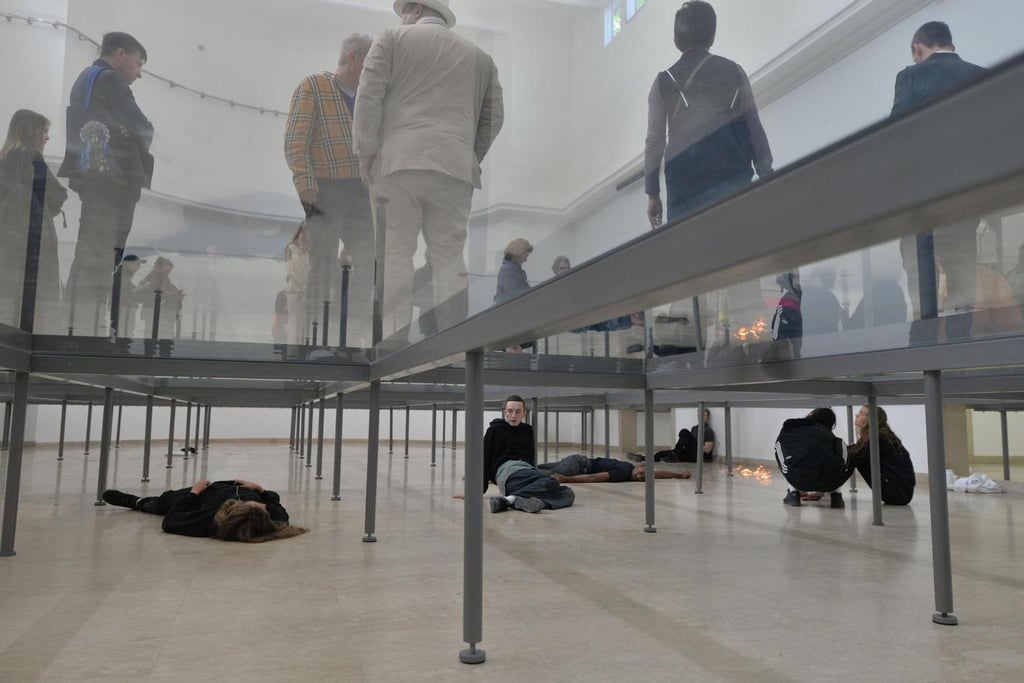
Art and Resistance in Germany
Art and Resistance in Germany investigates ways in which cultural producers across the twentieth century have sought to resist, confront, confound, mock, or...
Webpage
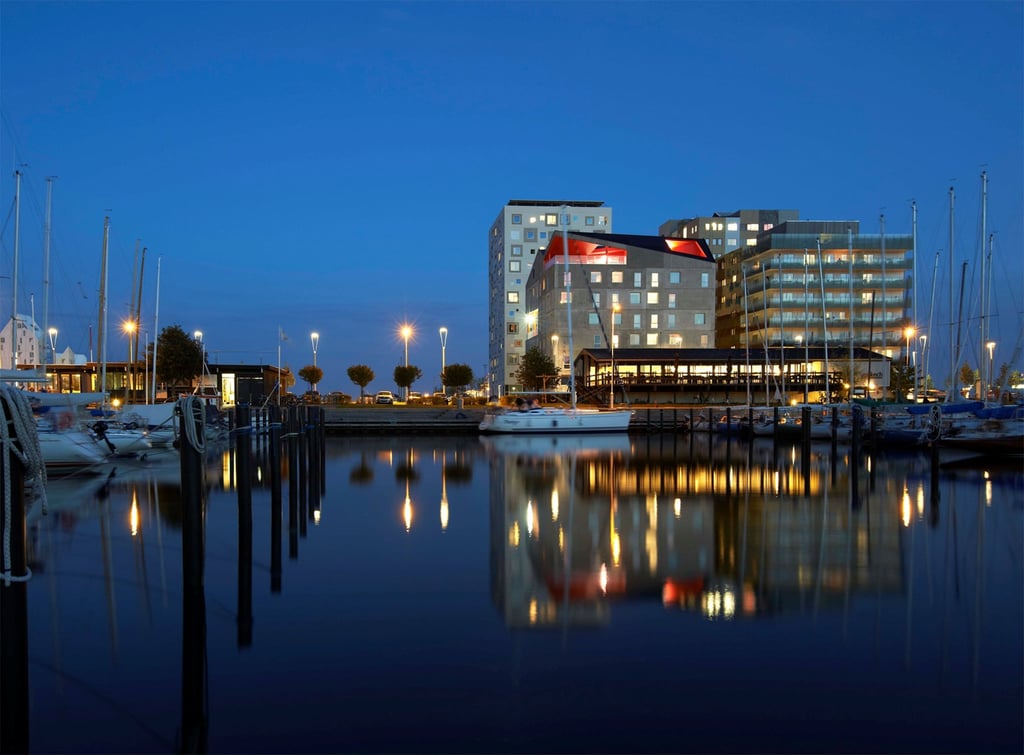
Aarhus Student Housing
Aarhus Student Housing is a collaborative project between TERROIR (led by UTS Practice Professor Gerard Reinmuth) and CUBO Arkitekter and was the result of a...
Webpage
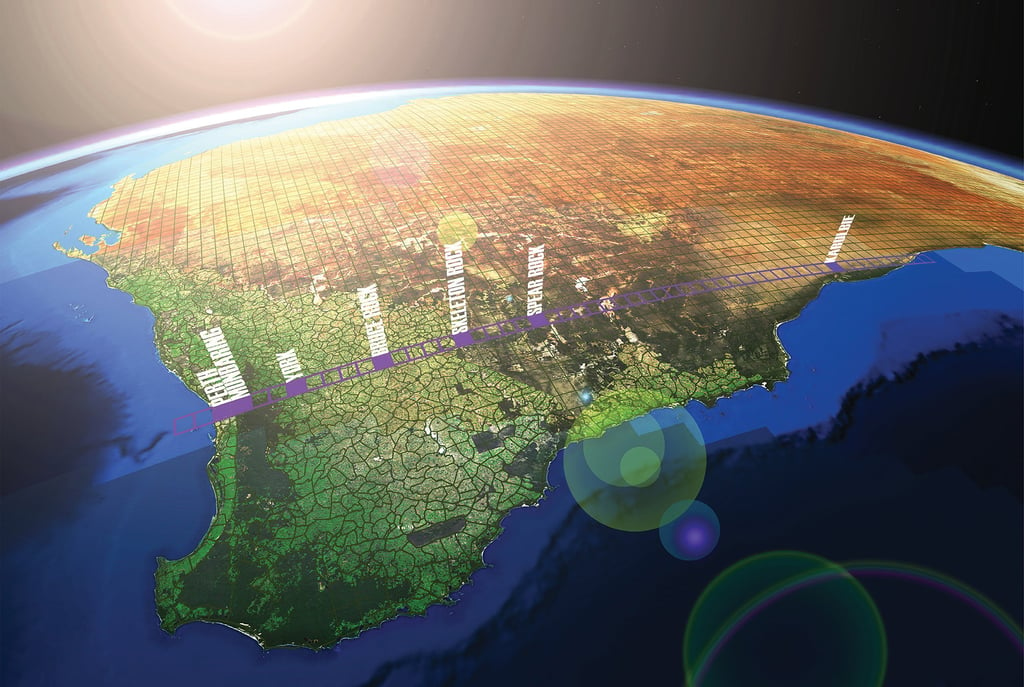
A National Green Network for Australia
This research project argues for the benefits of a designed ecological network—the National Green Network—promoted as counterpoint to the rapid and relatively...
Webpage
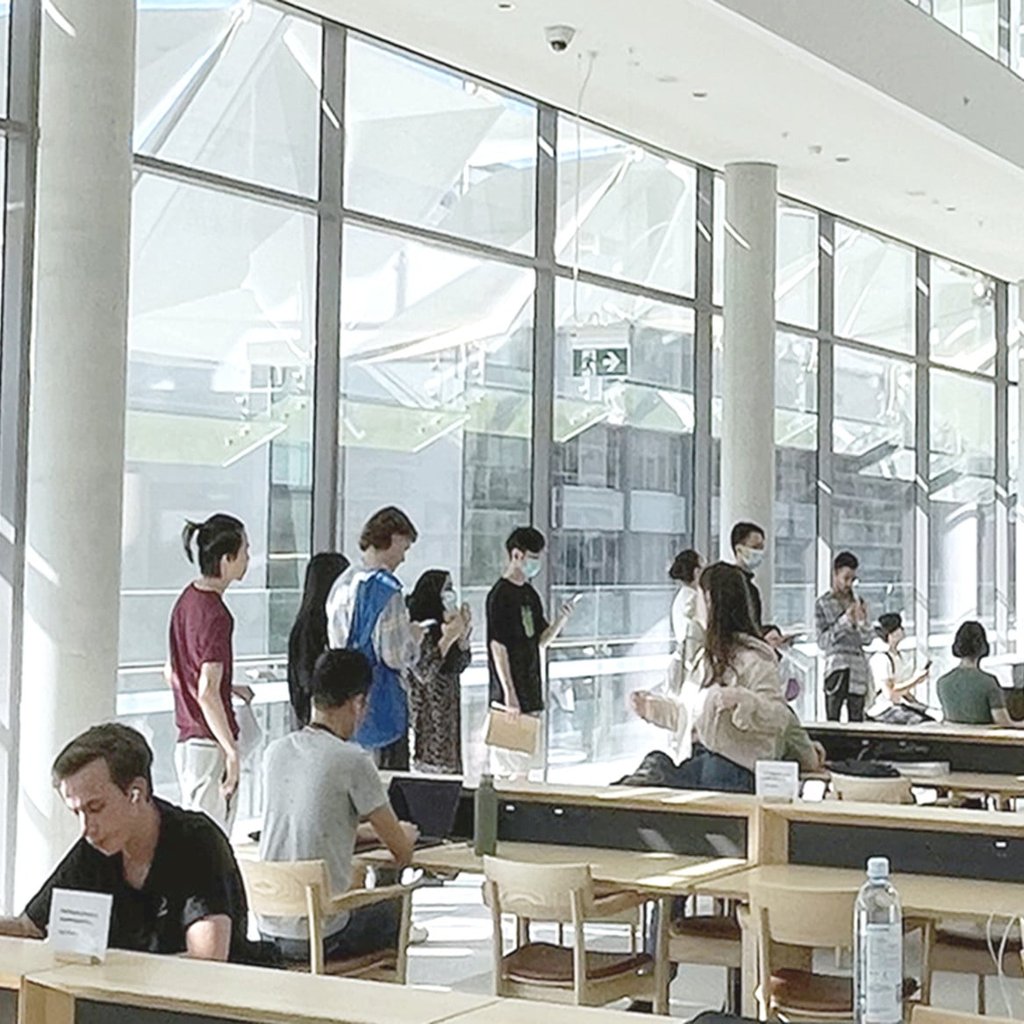
Post occupancy evaluation: En.Gauge – BOSSA
En.Gauge is an ongoing post occupancy evaluation and research program within UTS Faculty of Design and Society.
Webpage
Art and Resistance in Germany
Art and Resistance in Germany investigates ways in which cultural producers across the twentieth century have sought to resist, confront, confound, mock, or...
Webpage
Aarhus Student Housing
Aarhus Student Housing is a collaborative project between TERROIR (led by UTS Practice Professor Gerard Reinmuth) and CUBO Arkitekter and was the result of a...
Webpage
A National Green Network for Australia
This research project argues for the benefits of a designed ecological network—the National Green Network—promoted as counterpoint to the rapid and relatively...
Webpage
Post occupancy evaluation: En.Gauge – BOSSA
En.Gauge is an ongoing post occupancy evaluation and research program within UTS Faculty of Design and Society.