
High-impact health research and teaching

We offer Graduate Entry Masters programs in pharmacy, speech pathology, orthoptics, physiotherapy, genetic counselling, clinical psychology and good manufacturing practice.

Our professional partnerships, expert staff and world-class facilities are the foundational pillars which drive us to be innovators in the health profession.
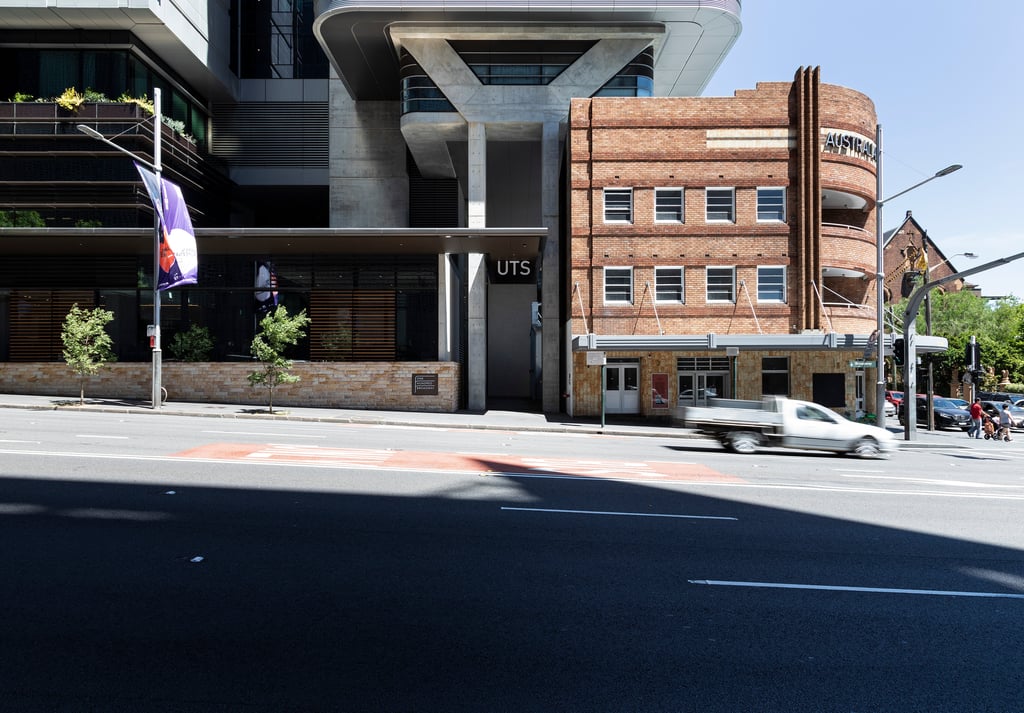
The Graduate School of Health (GSH) was established in 2011 to address emerging needs of health professions.
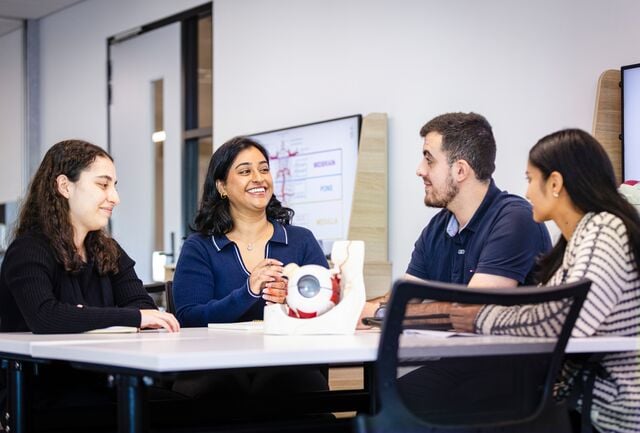
Our staff are practitioners and researchers actively shaping the healthcare sector.
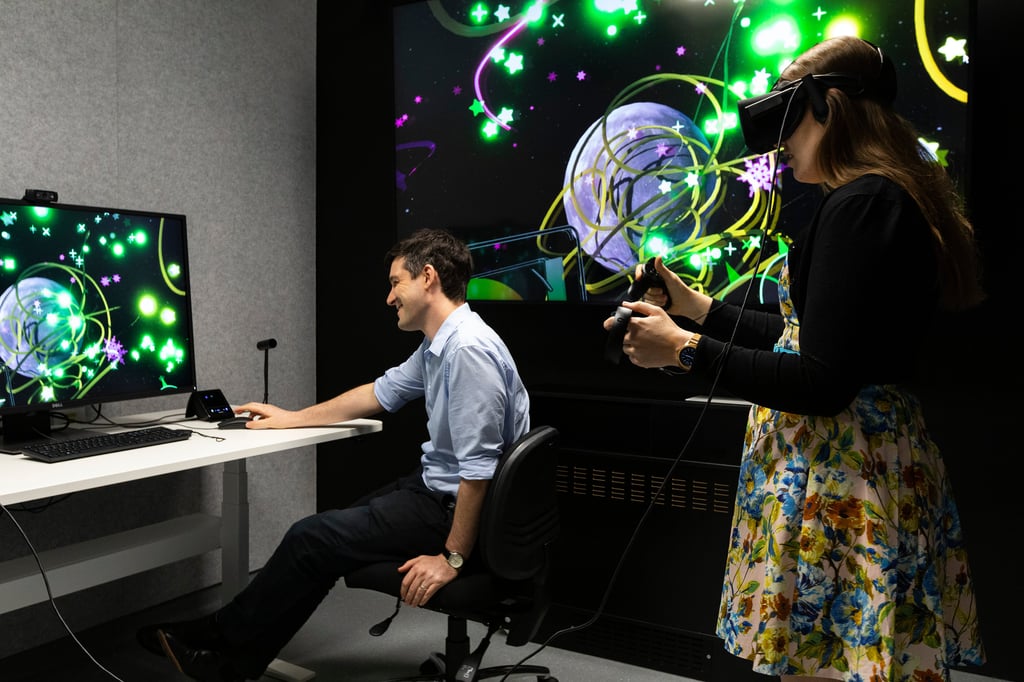
We conduct postgraduate research and studies in Physiotherapy, Orthoptics, Genetic Counselling, Pharmacy, Speech Pathology and Clinical Psychology.

"

Our facilities

One Hundred Broadway offers cutting-edge facilities tailored to the needs of our researchers and students.

Study with us

Undergraduate students at Moore Park

Allied health professionals play a critical role in our health system. These specialised clinicians help prevent, diagnose and treat conditions, to give their patients a better quality of life.

Demand for psychologists and other mental health professionals is high, and this is only expected to grow in the coming years. If you’re fascinated by the way our brains work, a career in Psychology could be the perfect fit for you.

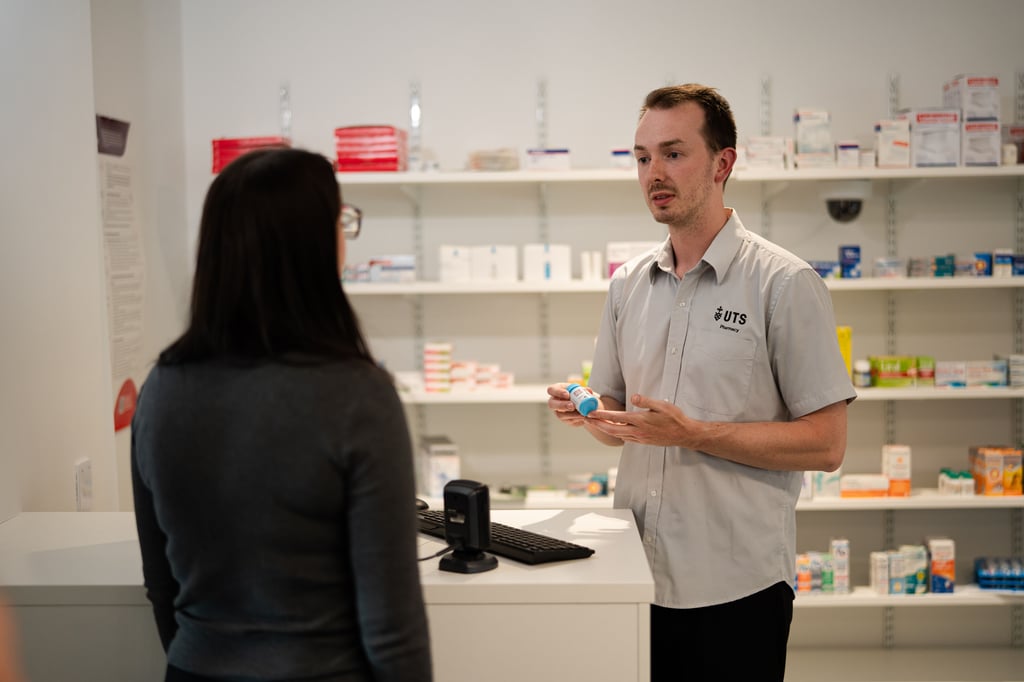
Got a mind for chemistry and an interest in health? Pharmacy might be for you. With a wealth of job opportunities, this sector offers you the chance to make a real difference in the lives of people across Australia and the world.
Curious about life working in Allied Health? 

Practicing clinicians discuss what a day in the workforce is really like. The panel includes a physiotherapist, speech pathologist, pharmacist, orthoptist, clinical psychologist and genetic counsellor.

Academics on stage

UTS Graduate School of Health - A day in the life of an Allied Health Professional

UTS Graduate School of Health - A day in the life of an Allied Health Professional transcript

[Music] hello everyone we'll get started everyone settled I firstly just like to ignore it meet on the land of the gadigal people of the eora nation tonight we acknowledge them as traditional custodians of knowledge for this place indigenous australians have been on this land as we know for around 60,000 years and in that time they've developed communities they've duel at languages a deep culture and a connection to country their work played loved and parented they built family and they nurtured this land and they remain deeply connected to country I acknowledge elders past present and those emerging in the future and also in the average from Transat Islander people who happen to be here with us tonight I welcome to you all it's wonderful to see so many enthusiastic faces here with us this evening you come from a broad background and I think for many of you you probably haven't decided which discipline you may eventually journey into with you're going to take that journey at all but tonight it's a wonderful opportunity to hear from clinicians as they talk about what they do every day in their work and it's quite unique I think to have this opportunity because sometimes you think you might know for example what a speech pathologist does I was certainly learned since I've been in the Graduate School of Health a lot more about these disciplines than I thought and having thought already knew a little bit anyhow I come from a background as a nurse and a midwife so I've worked in the hospital setting and I thought yeah I've got a pretty good idea but when they start talking about their deep understanding of their discipline and the passion they have I really learned a lot more and I'm sure that'll come out tonight as we listen to each of our clinicians who are here present so my name's Joanne gray I'm the head of the Graduate School of Health I've been in the school now for about nine months and as I said I come from a background of being a nurse and a midwife from the Faculty of Health so this has been a lovely change to work with a different range of disciplines which has been great as you know tonight's the event is being filmed and if later when you ask a question we will come to you with a microphone and ask please that you speak into the microphone the reason we're filming it is because there's many people who can't be here tonight and we know this is a unique opportunity we don't expect our clinicians to come back every week and be so generous in their time so we are wanting to film it and that these videos we put up on the website so that other people who are interested in the programs we offer here are able to go on and find those there's those films the other thing I'm going to do is ask you we're going to go deuce what's called slider you probably all know what it is but if we can just go to that slide and I will ask you to set this up on your phone now so this is where if you go into your web browser and type in if you wish to that web address and Kian hashtag UTS gsh what you can then do is you can pose questions and then you can vote those questions up so wonder if you might ask a particular question you think I've always wanted to know the answer but you didn't think of asking it you can then click on that and you can then decide that you think that's the best question out there and you can push that up to the top of the queue that's just another way of us sort of getting an idea of what it is you want to ask you people don't feel free to always ask the question themselves but there will be an opportunity just for the old fashioned put your hand up and you'd like to ask somebody a question so I will now go through and introduce our speakers and we're very fortunate that they're sitting in front of the banner that belongs to their name due to their profession and I promise you there are no tricks so you will hear from Mitch's and/or Thopter there so it's all going to work out like that but I thought I'd just let you know but they look very I think it's very attractive sort of look it we've got going here which is wonderful and again thank you so much to all of you for coming tonight so I'll start fairly first with Helen Benson Helen is an accredited pharmacist and a practitioner teacher at the UTS Graduate School of Health and Health destination pharmacy coach for the Pharmaceutical Society of Australia Helen has a special interest in the integration of pharmacist in GPS and the expanding role of pharmacist Adela's Strava innopolis I nearly got it right I think and L is a clinical psychologist and the UTS alumna a jealous experience in in the evidence-based assessment and treatment of a range of clinical presentations including mood disorders anxiety disorders trauma and stressor related disorders feeling and eating disorders grief and loss adjustment difficulties and personality disorders Adele also works with children in their families to overcome issues such as behavioral problems emotion dysregulation trauma and attachment concerns Adele works with adults as well as with children of all ages lessons and their families it's a huge scope of practice you can hear from the work that Adele does so Belinda Hill is a senior speech pathologist and clinical director Linda graduated from Sydney University in 1993 with a bacheior speech pathology and completed her master's have applied linguistics at McCray University in 1996 she's worked in private practice as a speech pathologist for the last 26 years in addition to a range of other contexts including TAFE and juvenile justice settings she currently owns and operates a multidisciplinary clinic in Western Sydney and she's far as president communications at speech pathology Australia my aunt's at Meijer or Mia me out yeah Amy who is an associate genetic counsellor with extensive health practitioner experience Mayer completed undergraduate studies in medical imaging diagnostic radiography and ultrasound before embarking on a career change through the study the master of genetic counseling at the University of Sydney since then mia has worked in a number of settings including cancer genetics in a public hospital oncology department and in the private sector and assisted reproductive technology in prenatal care Mayer currently works with specialist obstetric ultrasonic Tessa's providing preconception and prenatal genetic counseling about the chance of having a baby with a genetic syndrome or chromosomal abnormality Mitchell Berger and Optus who graduated in 2011 and has worked throughout Sydney were maintaining strong interest in iTunes orthotic therapy and laser eye surgery he has previously conducted and presented clinical research into surgical procedures and new diagnostic technology in 2014 which are volunteered at a hospital in Burma collaborating with an international team to treat severe and rare eye diseases more recently Mitchell has co-authored a children's book called amazing amber and her lazy laser eye that's a great title for books which promotes successful eye patching therapy currently Mitchell is the helicopters at Marsden eye specialists and in this Rob participates in international clinical trials and Georgia Fisher's here is our physiotherapist she's an accredited physiotherapist currently working in the southeastern Sydney Health District as a rehabilitation physiotherapist Georgia is also a PhD candidate at the Graduate School of Health with a research focus on physiotherapy neurology and allied health science and focus on unilateral neglect in stroke patients so it's amazing array of work that these clinicians doing just reading out all of those bits and pieces you can see that the work of an allied health professional just covers whole range of areas and certainly across the lifespan so there are a few questions that I've got that I'm going to put to the clinicians and just to a variety of them remembering of course if there's anything you want to particularly ask there will be the opportunities so I'm just going to start off and if you think of anything else you want to ask maybe jot it down or of course you can put it up on the slide oh so I'm probably going to just go fairly orderly to start with and we'll see how that works out for us so firstly Linda what does someone in your profession do and what are your main job tasks and where do you work okay so I can talk from my own clinical perspective and then I might just talk about broadly how the profession is situated so I work in private practice our private practice works with people across the lifespan so from young babies who might have difficulty feeding all the way through to someone in an aged care facility who may have some difficulties with communication or with some mealtime management so as a profession we work with people in all stages of their lives as I mentioned from babies right through to aged care and we often assume that we focus purely on speech or stuttering or voice but speech pathology actually covers communication which is reading writing speaking and listening from infants right through to aged so and those settings can vary from working in the clinic working in preschools in hospitals where the focus is more on rehabilitation so it might be working with someone who's rehabilitating from cancer treatment they might we might work with people who have had a laryngectomy or who have had some recovery from a traumatic brain injury so in terms of where you might be working it could have a medical focus educational focus if you're working in a school or working in private so there's opportunities to to kind of follow whichever pathways someone's preference a lot of choices yes thank you so much I put the same question to you this yeah yeah so I work at a private practice in Western Sydney and but I've kind of worked all over Sydney in different roles and really as a North Optus kind of part of our profession is very much in terms of diagnostics and opthalmic disease so we do lots of imaging using very niche pieces of equipment to look at different aspects of the eye vision and perception which is really interesting on it in itself and that kind of goes hand-in-hand with those patients who are pre and post operative eye surgery so we do a lot with assessing for people for laser eye surgery but then also we've got a strong therapy focus of course where we do a lot to do with people with eye turns whether they're born with those they develop from neurological disease processes or trauma and injury and we do a lot in terms of correcting double vision realigning people's eyes eye patching and that goes yeah right down from children to the elderly so it's really quite diverse interesting great thank you okay so genetic counselors we work alongside medical specialists so common settings for genetic counselors to work alongside oncologists cardiologists in my case obstetrician/gynecologist s-- geneticists and we work in a variety of settings so Pediatrics neurology I'm in Crean Adel at the moment assisted reproductive technology and what we really do is our goal is to translate the science which is often complex and ambiguous into language that our patients or clients can understand to make that knowledge and information accessible so that they can make values based decisions on information they understand so an example would be that in my current role I work in a private practice setting where we have patients who come in for scans during their pregnancy if we see an abnormality on that ultrasound I need to speak to that couple about that abnormality and what it's likely chromosomal or genetic basis is we then organize the relevant testing and depending on what the test reveals we support that couple through their decision process in terms of whether they want to continue that pregnancy so it's quite a journey then we walk alongside our patients in that journey and it's extremely rewarding to see people work through to reach a decision that works best for them I think everybody knows what pharmacists do but in my career I've probably worked in about ten different settings so I started off as a hospital intern pharmacist and then I worked as a military pharmacist for five years I then worked in the UK as a medication review pharmacist I came back to Australia and purchased a community pharmacy and worked as a community pharmacy owner and then I developed a specialty practice in medication review so going into little old ladies houses and helping them with their tablets and helping their doctors understand the best medications for them to be on and recently I've been working with pharmacists who are integrated in general practice so when you're going to see the GP there's not just a nurse or a physio there's also a pharmacist there so I think there are a few areas I haven't worked in so there's obviously Industrial pharmacy as well you could work for a pharmaceutical company a lot of our graduates do that but I'd say it's a it's a really good career I recommend it it's a clinical psychologist what we work with is the treatment of mental disorders so we work with clients and assess their concerns we might make a diagnosis if that's warranted we formulate their concerns so we find out what what are the factors that are maintaining their symptoms and then we provide psychological treatment and that can range in in lots of ways okay it's evidence-based treatment it can range from very short-term skills focused treatments like cognitive behavior therapy to longer-term treatment options that can last for over a year or so things like schema therapy and psychodynamic therapy and clinical psychologists work in a range of different areas it's very diverse so you can work in private practice community public health settings hospitals private and public hospitals not non-government organizations consultancy universities research there's lots of different possibilities so for me personally working in private practice I'm sort of seeing you know anyone really who comes in who wants to see a psychologist and we can work with people who across the lifespan who have you know clinical disorder like anxiety or depression or who are sort of on in the normal healthy range and just learning some emotional support with something or wanting to talk about anything so it's very diverse so most people when they think of physio you think of the classic sports physio but that's actually the one area that I've never worked in I've dabbled in every other area which I started out in acute care in the hospitals so people who are post-surgery we have a lot of work to do with people who are posted orthopedic or post cardiac surgery getting them back on their feet again I then moved to a rehabilitation clinic for people post big injuries or illnesses so people who've had a stroke or a car accident or perhaps of you know become really deconditioned and they need help getting home and then did some work in dementia care for a couple of months which was really interesting because a lot of those patients have a lot of fear around movement and they tend to decline in their mobility so our role in that space is to keep them active and it's actually one of the most rewarding areas to work in even though it's quite difficult and it's someplace that people usually think that physios would work in but we can have quite a big difference in that area I then went to acute neurosurgery so people who've had spinal surgeries and are requiring help to start moving after they've had their spine fused or cut up a little bit which was very interesting and then I currently work with the NDIS so I service the community for people who have a really wide range of intellectual and physical and neurological disabilities so I work with people who have things like Parkinson's and multiple sclerosis I also work with people who have autism and Asperger's who have movement difficulties or difficulties accessing exercise and other clients with other forms of intellectual disability with the aim of keeping them active and functional for as long as possible so I've made probably main message would be the sports physio is definitely an aspect of it but there's this whole other gamut of possibilities with the profession that's great thank you I'm gonna ask the panel another set of questions before I do is it has anybody got a burning question they just want to get out there now we're happy to keep listening okay great so Chris I'm gonna put you now is about when you think of how your everyday work what are two of the skills or abilities that you think it absolutely keys you being successful in your profession I think communication will always be number one for speech pathology but absolutely being an empathetic person being able to understand somebody's situation and being able to look at that objectively and to utilize all the clinical knowledge that you've learned and apply that and I think when you're dealing with complex families and people with complex histories and complex lives that's really important to be an empathetic person via Rachel I think just being really dynamic with eye and vision problems they very rarely come isolated and if someone is losing vision or is here'd they're not going to just have the eye disease that they've got they're going to have mobility issues lifestyle issues where you might also need to do low vision therapy with those people while they're also receiving treatment so that's really important and obviously you know we always work as part of a team so communications got to be up there as well yeah I second the empathetic nature not many people see a genetic counselor because they particularly want to it's generally because something pretty Awful's happened to make them sit in front of you for example a family member might have passed away and then the rest of the family wants to understand the implications of the risk to them and their children so empathetic empathy always and then the other aspect is with genetic counseling it's really cutting edge the science is out of date in six months at the moment so the science is moving so incredibly fast in genetics that to stay up to date means really being on top of things and not just going to work and leaving you need to read you need to understand and you need to ask questions so I think that genuine enthusiasm any interest in the science is really helpful so I've forgotten what the question was - the key skills and abilities I think make a good pharmacist so I think really people skills is the number one being able to understand the level of understanding somebody comes in with because when we're talking to people about their medications we can do it on a range of different levels and the main thing is making sure that your communication is heard and understood so that the person goes away after a conversation with you with more skills than they came to the conversation with and I think also being open to anything so on I still work in community pharmacy every second Sunday and sometimes I'll be removing ticks from people's backs sometimes I'll be giving them flu vaccinations and sometimes I'll be explaining to them how to take their blood pressure medication so I think it's it's just being open to whatever comes in the door is is always a good thing I would probably say the ability to be self-reflective and look inwards because as a clinical psychologist you're dealing with emotional topics and clients who have a variety of personalities and life experiences that might be very different to your own so that might trigger some things in yourself and you have to be able to be aware of that and how that's influencing your work and work through that and I'd also say just being approachable so you can have all the technical knowledge you know that's possible but you have to be able to make people feel open you know comfortable enough to share their vulnerabilities with you after not knowing you for very long so you're just being very warm and approachable and sort of non-judgmental and all of those type of qualities as well and I would second to Adele because as physios particularly in the hospital or the disability sector we're dealing with very vulnerable people who are quite slow to trust for very good reason and so you need to have excellent people skills to gain that therapeutic relationship because then you'll get the best outcome so it's the whole gamut of people skills that come along with that but I also think you need to be really flexible to be a good physio because you're dealing with a human being at the end of the day and you can have all the theory in the world and it just won't apply to that person so you need to be able to change it up and think on your feet so it would be my - great thank you I think probably all of your your things you've identified - probably shared across your each of it really yeah just that I'm not gonna ask a question this is my future focus so you often hear and I suppose you hear as well is that you know that the job we have today is going to look entirely different in five years time and I think that's one of the challenges that we're aware of here at the Graduate School of Health how do we prepare you not only for when you graduate and become a health professional but how do we also prepare you with the skills that you'll need in five or 10 years time when you're having to adapt to somewhere work is entirely different from the one we have now and I certainly again reflected on that one I think about when I first started nursing and I it was some time ago but when I think about that now and I actually did my nursing back at UM in a rural hospital what about hospital and I think about that possible laughter when I got home and I looked at and I remember my days there being a student nurse and I reflect now how different it is in hospital I go in a visa people and when I was practicing as a midwife things have changed so rapidly and how do the skill you have to have as a health professional and really that was identified by me as well he's about the reading and staying on top of it but there's more to it than that so I'm gonna ask each of you when you think about your profession now and in five maybe ten years time what do you think the key things are gonna happen whatever the big picture things that are going to happen within your area and I'll go the other way just to give you a bit of change around so Georgia so I'm biased to a neuro perspective and in terms of the treatment that we currently have for stroke which is my specialty it's just advancing at a really rapid rate so they've got this really cool tech at the moment where they can put a tiny wire into the brain grab the clot and take it out and the person is so much better on the end of it which means that we're dealing with a completely different patient when we go to rehabilitate them and we're having to expand our concept of rehabilitation so I think that's really exciting for the next five to ten years because the whole paradigm is going to change in how we think about stroke rehab but in terms of a more general sense the aging population in Australia is going to need to stay mobile for as long as possible and I think we're going to play a huge role in that and it like some people think our H Care that's boring but from personal experience is one of the most rewarding and fun jobs to have because the possibilities are endless and these people are just so grateful to have your help with doing things they want to keep doing so I think that's a big role that we're going to play in the next five to ten years as well I would say definitely in psychology because of a range of factors probably mostly technology is that we're moving to more of a stepped care model so clients with sort of more general concerns can be serviced through you know apps and online therapies and then the more complex presentations are coming to the clinicians so that's really exciting particularly for therapy because clinical psychologists would be the professionals who are seeing those are more of the complex and a presentation so we're getting to sort of use our skills you know the way that they were designed to rather than sort of just seeing more of the general kind of everyday presentations and I'd also say there's a lot of changes at the moment going on with the way Medicare is structured and and the training pathways for psychologists so there if anyone is interested in psychology there used to be sort of a ability to go through as a general psychologist and they're now removing that one of those the four plus two pathways so it's becoming and also with the changes to medicare rebates it's becoming increasingly important to have the clinical specialty so if you do have the opportunity to do that I think that would be very important for the future in this field so for pharmacy I think there's been a big increase in interesting quality use of medicines and reducing medication misadventure so pharmacists are being seen as key players in team-based care a lot more and I think having pharmacist says medication experts is really the way the profession is going in the future has anyone seen the movie Gattaca or am I too old for this audience yeah so I think we're kind of heading there but I want to take the negative away from that and say that we're hopefully heading into a more if you want to do genetic counseling watch Gattaca because it's almost compulsory but we're heading towards the preventative model where we're moving away from waiting until something devastating happens genetically and then assessing the family - hopefully identifying the incident advance to avoid the devastation that can surround that event so the good thing about genetics and the optimistic thing about genetics is if we know there's a risk we can sometimes mitigate the risk through management strategies for example the best example is in cancer where we if we identify a faulty cancer gene in a person we can improve improve the prognosis for their family because we know what risks need to be managed I've just gotten back actually from Taiwan where they're launching a trial into a new medication to prevent macular degeneration and those sort of clinical trials and developments in medical therapy are just always coming out I've got another staff member going to Chicago next week so it's just constantly moving forward I mean that's in terms of AMD which is a huge burden on the Australian society and aging population but you know if you were to go get laser eye surgery today we would recommend a different procedure that you would have gotten two years ago and the advances in cataract surgery and lenses and wear the great thing about being a North Optus is where the people that do all the diagnostics and all the imaging and all the assessment of these diseases and these processes so we're really in the thick of the progress that's happening in the industry so yeah I think that there'll be completely different treatments in a few years time there's probably a few drivers have changed so technology being one so things like using telehealth we're less focused on our own neighborhood and looking more at providing rural services global services using robotics for children with autism or augmented reality so some of that technology is driving areas of change with the changes to the NDIS which is funding a lot of how our services are provided we're moving more to functional type services where we're out in the community with clients less of that traditional sitting at the table with picture cards doing therapy so while we still do a lot of that early intervention work the the way we practice is changing and some of that that is driven by the funding bodies where we you know we're sourcing our funds from I guess the other there's are quite a few other areas that are emerging in practice so working speech pathologists working as intermediaries in the court system working in juvenile justice and adult justice settings because there's a huge proportion at least 50% who have a communication impairment so there are quite a number of areas that are emerging for practice and probably by that you know by the time you finish your master's degree if it's in speech pathology that haven't even been identified yet so I think some of the government changes are also leading to new opportunities for ways to work as a speech pathologist you know if you've got any questions you want to put to any of the clinicians you can put a general question or can choose your discipline of choice yes that's right this is a microphone for you sorry thank you hello so how does NDIS change the is it to change the field is it because there's more access well I think it's given access so looking at the the clients who were able to access those services so say for example adults with disabilities previously were funded by government services I guess there's a whole group of people who weren't really receiving lots of services we now have choice and control as to how their services are provided so those clients previously would have been serviced by a government organisation now they're coming into the private sector and they have direct control over to how their services are delivered and you know we're looking at more functional so you know going with clients into the community to provide their services rather than working in a purely clinical setting so you know looking at more functional therapy I would say physio echoes that sentiment that you know we've got this whole population of people that we really didn't have access to you because the government services were a little bit limited for us particularly when discharging from hospital and now they are in like exactly as he said in control of the services that they want and they know what their goals are and you can work in any context to help them achieve the goals so a client I had last week he really wanted to be able to use the gym and he was a bit scared about it because he has a mental illness and he was worried about the environment and we're just I basically go to the gym with him every Saturday and work on just you know becoming familiar with basic equipment and I would never have had that opportunity I think before the NDIS came into can I just add to that it's really revolutionized orthotics from a low vision perspective so one of the largest employers of the thoughtlessness Vision Australia and guide dogs as well and they go out into the community and provide that therapy and visual aids and visual assistance to patients in their homes and in their communities you know helping them to work out which bus they're trying to catch when they can't see and that's been a major injection for orthotics on that Street what's the difference between clinical psychology and other types of psychology yep so there so there are so psychology is very broad term so it's sort of looking at generally the scientific study of brain and behavior and clinical psychology is the specialty of that which looks at the treatment of mental disorders there's also a general psychologist who has done the undergrad degree and then done an internship and become just a general psychologist and so the difference between what they would do practically to a clinical psychologist is a clinical psychologist has is more specialized they've done an additional post-grad training in psychopathology and evidence-based treatment so it's just it's it's in practically it can it can sort of overlap a little bit but it's becoming more of a requirement in in most sort of fields to have the additional specialty now I've got a question for Mia you said that you followed the people that you see through their journey while you're helping them with their diagnosis I was wondering what point you traveled with them on that journey and if you pass over to a another type of psychologist or um I guess that's a cage of the role is knowing what your limitations are as a practitioner and knowing whether the person needs more support than you're able to provide so an example of a typical journey that a patient will take with me is that I'll see them at about ten weeks time to do a newly available DNA based test for chromosome abnormalities I'll deliver that result in about a week following that so I'll call them and let them know if there's an increased chance that their baby is affected with a chromosomal disorder I will then bring them in and have a lengthy chat with the couple about what that means for them and potentially the child I'll also do some risk sort of calculations in terms of what the predictive value of the test is and the likelihood that the baby just truly affected so there is kind of a scientific and mathematical component to all of that and then I will follow that patient up until about until they finish their testing until about 16 or 17 weeks down like pregnancy so it's sometimes about a month of ongoing checking in phone calls if I identify that that person has a history of mental illness or that I mean pregnancy can make everyone a bit on edge but if somebody hasn't identified our risk factor or I can see that they're not coping I will then refer on to a psychologist in that scenario otherwise if I feel that you know we have some question is that we can use to assess assess that but otherwise I will be in contact with them and often I'll be in contact with them potentially for many years to come as they come back with future pregnancies so they bring the child in and we so we have a really nice relationship at six and that's what makes the job extremely rewarding yes really when I talk about genetics counseling a lot of people don't know what there's no explain so how do you get referred by to like how do you get referred by patients you know so their referral pathway for me as a genetic counselor it's an emerging profession it's very new I didn't know what it was myself until I read a newspaper article about this fabulous new profession in The Sydney Morning Herald one Sunday and I read and I said that's exactly what I want to do with my lives so it's very new it's very exciting but explaining its people's a nightmare I spend half the time at social functions with my family explaining what I do and no one no one understands it still so what I do say is that we get referrals from GPS obstetricians and other health professionals because for them genetics is not a comfort for many of them they're not comfortable with it so we're very specialized in a very small area of medicine and health and we get referrals from other health practitioners to organize that facet of the patient journey and it's becoming genetic counseling is becoming very heavily embedded in medicine now so particularly in oncology in obstetrics of prenatal pediatrics we're kind of everywhere so we're sort of forcing our way in and people are starting to learn who we are so I explained it as the science meets the human side because you get to do for me it's just the dream job because it's the best of both worlds there's a question at the top of the list and because because mirrors I'll think about and because it's a vu video is that a week okay yeah I can go with that um okay again absolutely I work very yeah I work very closely with clinical geneticists um clinical geneticists are doctors who've gone and done a medical degree and have gone on and done a specialization as a geneticist so they will take you know the full extent of a medical degree and done it and then they've done a specialization in genetics and then they'll usually specialize in a field of genetics so I'll work alongside geneticists but in my current role I don't work on a daily basis with a geneticist I handle what I can handle as a genetic counselor and when it gets to something that's very requires a specialist in that particular area like maybe neurology or something like that then it will go we will refer on to a clinical geneticist and there was a question here's the job prospects I think that's a really good one in terms of you know what the future's looking like for you and you can hear from what the panel have already said about the range of opportunities there are within each of those professions but I'm going to put the question to each of them and just just a vacant you could tell us please what do you think the job prospects are for your career do you have a sense that there are jobs out there that it's changing that availability would be well I think with the NDIS there's been a huge kind of in flux in terms of speech pathologists looking for work and I'd say usually every day at least five new positions advertised online and I think that we've probably have a bit of a skills shortage so in depending on where you want to work there's probably more limited jobs in terms of working in the hospital settings so if you wanted to work in acute care with adults there probably are more limited roles but in terms of working in pediatrics or in the area of disability there's a huge range of choices and and probably if you're willing to look at rural positions then there's a lot more range of options in the rural setting well orthotics definitely has a skill shortage there's heaps of jobs really all over Australia those who want to get a job in Sydney usually have jobs lightened up before they even graduate but also Australia is a main orthotics teaching hub for the whole asia-pacific region so I've got a number of friends who are working in Malaysia Indonesia I've got one friend who went over to Sweden for a while so we definitely kind of export our orthotics skills if you're interested in doing some work overseas yeah you shouldn't have no problems getting a job in Australia the job prospects are excellent there's a shortage of genetic counselors I my last jobs in genetic counseling have not been advertised I've been approached there's there's jobs that are advertised that get no applicants at the moment so that's the level of the whoops the shortage that we're talking about it's an international issue so I've been approached for jobs in Singapore and various other countries because they are similarly short of genetic counselors so excellent okay Pharmacy I think it really depends where you want to work so if you want to work in industry or in hospital it's harder to get those jobs but our graduates have been really successful in getting those positions if you want to work in community pharmacy it's know that they're everywhere everyone I'm sure you know in most towns is two or three community pharmacies so I think there's 24,000 pharmacists working in community pharmacy across this Australia so if you want to work in I work on Sundays five minutes from my house and I do home medicines reviews for people who live in the same street as me it is definitely a job where if you want to work close to home you can and if you want to travel anywhere in the country you can get a job yes also very good for clinical psychology so yeah that there's you have the opportunity in there's a range of different like we've said you can work in a range of different roles and also I've got friends who have started to work for themselves only a few years after graduating from the program and start their own businesses so there's that option as well there's a lot of variety and flexibility to make your own hours and as there's more awareness about mental health and there's reduce stigma more people are open to seeing a clinical psychologist so the there are much more job prospects than previously I would say that physio mimics the speech side of things in that the hospital jobs are harder to come by but that being said we've moved to a merit-based system of new grad positions so if you do well enough in your university course and you interview well then you will get a new graduate position out of a major metro sydney hospital then once you've got the foot in the door in that manner it's been easier to climb the hospital that up but in every other aspect physio is expanding rapidly and particularly as we have already said with the NDIS and other funding opportunities and there's just such a broad range of areas in which you can work from working to someone from someone else to opening your own practice to working overseas so yeah I would say physio is also excellent for jobs and many opportunities to actually open your own practices you're just saying Georgia so I think each of you could do something where you could actually sort of run your own business in many ways yeah okay thank you any more questions from the floor before I've got one more question I think it'd be great I'd down the bad gifts thank you just microphone thank you hey um this is for Adelle so with with the Medicare like restructure and getting rid of the four plus two pathway is there anything that education providers will do to kind of compensate for that lack of training and specialized training what do you mean so by education providers like UTSA and master's programs so because if the if the if Medicare is gonna be restructured then general psychologists will be redundant in the future so I don't think they'll be redundant I think that they're just slowly changing the training pathways to encourage more people to do the the post-grad qualification so there are a lot more post-grad spots than there used to be and a lot more programs like UTS now offering clinical psychology and yeah so it's just becoming becoming more in line with what it is internationally that you need that postgraduate qualification thank you other questions one more just to finish up I think on a and a positive note even though it's a difficult question but you know obviously the work you do is with people and so part of that of course is managing as you say being empathetic communicating well but there are emotional impacts of the work you do so can you please tell us again we'll start without George Stanley into what's you know one way that you might do with some of the emotional impacts of the work that you want to take it was hard to learn because it was a big shock when I first started working it took me about six months to settle in but just having friends who are in the same field as you particularly if you are working in a hospital because the things that you see in a hospital of you know people that the worst end of sicknesses and someone who understands exactly what you've seen at work today is really helpful to have and being able to talk through that of an evening yeah I would really recommend you make sure you've got that structure around you if you're gonna go into that line of work I would say having very good support around you particularly a lot of the majority of our cohort went into private practice and that's notoriously not as good for support as some of the other sort of public settings so I got a peer supervision group with some of my colleagues set up and that's been invaluable being able to talk about cases and just vent and share your experiences and have that commonality you know that you're not alone because when you first graduate you doubt yourself so much and you think you know you think you're really incompetent and and everything's a challenge so it's really helpful to have a peer supervision group having really good boundaries as well and not working not taking on too much and having very good self-care and just knowing what the early warning signs are that you might be a little bit burnt out or you might have a bit of vicarious trauma and getting support for that yourself as well I think as a pharmacist you're very rarely working alone when I do medication review I I do go out to patients homes by myself but you're usually part of a team and I think that's definitely in community pharmacy we quite often have a chuckle after people leave but obviously not well anyone else is in the shop it is it's it is interesting to see what walks in the door sometimes and I think you do get really to see the full gamut of life and people's experiences and it is it's very it's very eye-opening when you're a junior pharmacist and you're you're getting but now I don't think there's too much that could faze me I think I've been held up at least four times I've been you know I've managed to perform CPR I've had someone have a heart attack in the pharmacy I've had amazing things happen so I think over 20 years you kind of get all these experiences and then there's not much that can faze me these days usually it's its water off a duck's back yes difficult at times to disengage but I'd second are what Adele said about self-care and talking with colleagues and we as genetic counselors have our supervision meetings with people so that we can discuss what's what's going on so you don't feel like you're alone and we reflect a lot on how we've done things and and not just to beat up on ourselves but just for for learning ah future our reference and to learn how to do things better yeah thank you yeah I think it is difficult and often often because we are very much involved in Diagnostics and very we very involved with children we do we are often the first people to pick some of the these stuff up and I think the best thing is just working as a team and having not working in isolation journeying with the patient as they go through the process and you present them with the news and following up on that patient and just making sure you've got a healthy work pace with good colleagues by your side and you know I think following the patient through also it makes a big difference and just journeying with them and seeing the progress we're very lucky in ophthalmology that the vast majority of our treatments are very effective I think it's okay to be emotionally invested in your clients because that's really what drives you to want better outcomes it's not you know there's not a lecturer there that's checking your academic performance but having you know when you're really emotionally invested in your clients you're driven to find out what the new research is look for better outcomes and it's okay to be human I think that's what makes you a good health professional that you relate to somebody and you can see them where they are at any given time when they come in we do spend a lot of time doing social stuff in our clinic as well as having clinical case conferencing sometimes we'll have social events where staff have a chance to talk to each other and support each other outside the clinical setting and I think it's okay to recognize that everybody deals with things in different ways so understanding your reflective style some people might need to talk about something straight away other people like to reflect on it for a little while and I recognize that sometimes when I carry everyone else's burden that I also need to look after myself so that you know I have a Venusian jizz and having supports at many different levels whether it's from academic input or having some professional emotional support I think that's really important great thank you key message isn't it it's about you know communication as a health professional but also ensuring that you can then communicate with others afterwards and to share your experiences and that's a great some great lessons there thank you so much Dracula's really appreciate you coming along this evening wet and cold and giving us your time it's been really interesting to hear about what each of you do and for you to share your personal experiences with us so thank you very much and thank you all for coming along tonight I really appreciate your attendance and best wishes [Music] you

Latest news and events

News

If your friend circle has shrunk, you’re not alone – and reaching out is easier than you think.

News

A new survey shows children’s chronic pain is often dismissed as anxiety or attention-seeking.

City campus Building 1 - The Tower 15 Broadway, Ultimo NSW, 2007

Free admission

Learn more
News

Traffic-related air pollution harms the liver and may raise the risk of metabolic-associated fatty liver disease, a new study in mice suggests.

Contact us