Helping reduce the harmful social and environmental impacts of plastics and packaging through better approaches to design, reuse and recycling.
Our research actively contributes to addressing the plastic pollution crisis by helping industry and government transition to more sustainable practices.
Our approach follows circular economy principles, whereby strategies to design unnecessary plastics out of everyday life are prioritised, followed by options for effective product repair, reuse and recycling.
We take a systemic, whole-of-supply-chain approach to addressing problems such as plastic packaging pollution, acknowledging that reform is often required in design, manufacturing, trade, transport and logistics, policy, cultural practices, and many other dimensions of the problem.
To do this, we employ our expertise in policy and regulatory analysis, product stewardship, stakeholder engagement, material flow analysis and social practices, in addition to technical knowledge related to end-of-life product management, chemistry and pollutant flows.

Examining sustainability claims of bioplastics
Bioplastics, including bio-based plastics (those made from plants) and biodegradable plastics (those designed to break down in nature) are becoming more widely...
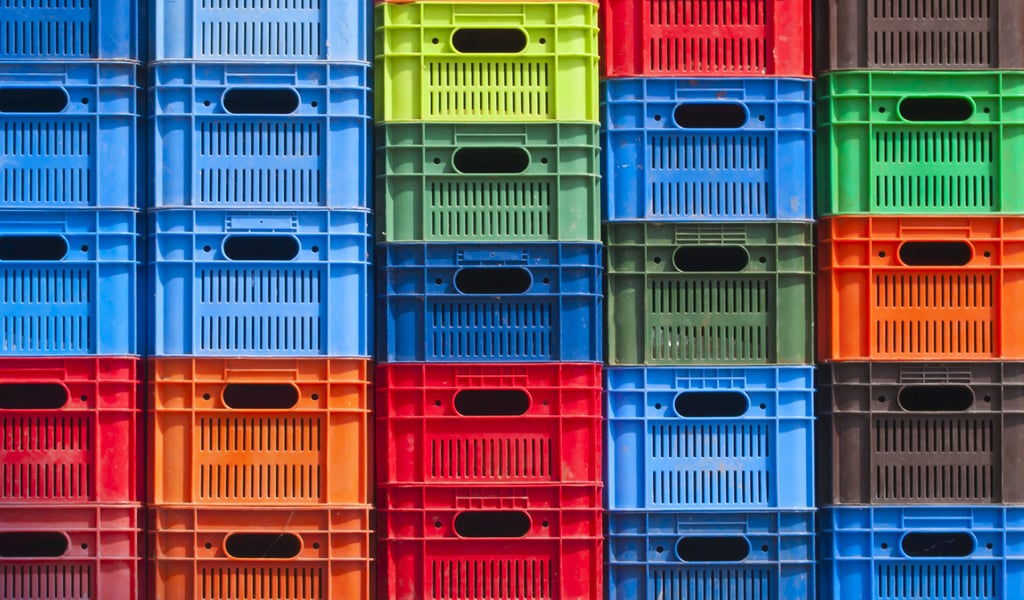
The true cost of cardboard cartons
ISF conducted a comparative study on behalf of CHEP, a global leader in sustainably moving goods, to quantify the true cost of single-use cardboard...
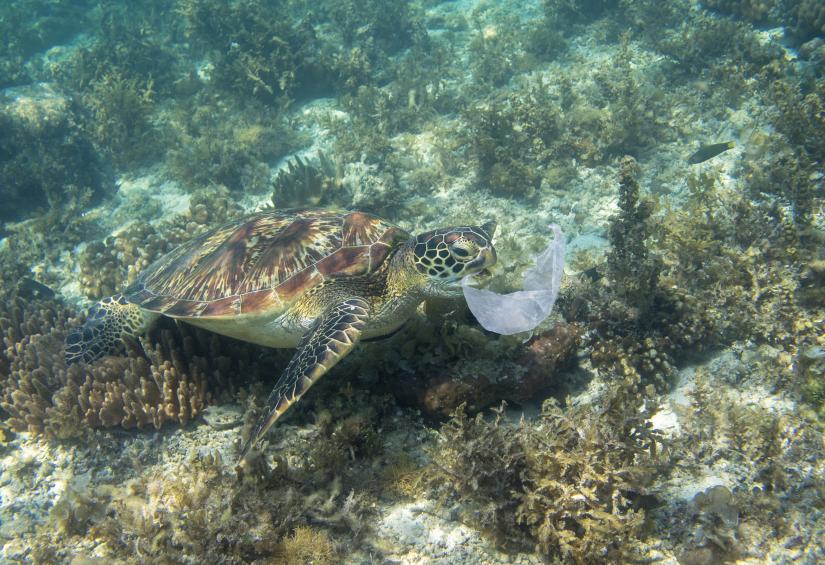
Environmentally responsible trade in waste plastics
It is estimated that around 4.8 to 12.7 mega tonnes of plastic leaks into the ocean each year. In 2020, ISF was commissioned by the Australian Government...
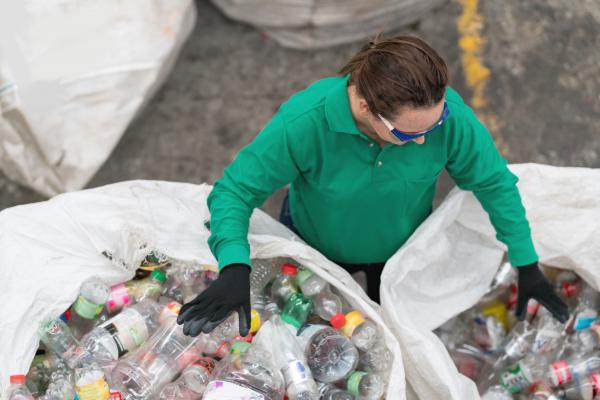
ISF research on packaging is something out of the box
In Australia, packaging waste is growing twice as fast as our population. The harmful effects of consumer packaging on our oceans, waterways and land are well...
View more projects
Recycling high-density polyethylene
PROJECT | 2021
For this Cooperative Research Centres Projects Recycling High-density Polyethylene project, ISF is collaborating with other universities to develop a process for supporting recycled plastics processing.
Researchers: Ben Madden, Melita Jazbec, Nick Florin, Damien Giurco
Research outputs
Pathways towards circularity in HDPE packaging: material flow analysis and best practice guidance (2021) (Fact sheet)
Pathways towards circularity in HDPE packaging (2021) (Report)
Addressing plastic pollution in India
PROJECT | 2018
Plastic pollution world-wide is growing and creating significant ecological, social and economic impacts.
Packaging material flows through the Australian waste and recycling system
PROJECT | 2018
ISF was commissioned by the Australian Packaging Covenant Organisation to undertake and update a material flow assessment of packaging waste flows through the Australian waste and recycling system. This analysis provided a baseline data-set, characterising packaging circularity and highlighting potential opportunities for future resource recovery.
Material flow assessment is a mathematical modelling approach that provides an analysis of material flows and stocks within a defined system. This work combined best available data from government, industry and academic sources, expert interviews and peer review with the application of a detailed mathematical model of the post-consumer packaging lifecycle. It also assessed the adequacy of existing resource recovery infrastructure in Australia. Significantly, it provided the starting point for further action towards the 2025 National Packaging Targets.
The project demonstrated the need to improve packaging recovery and recycling rates across all materials streams. It also highlighted key data and infrastructure gaps which need be addressed to drastically improve resource recovery.
Client: Australian Packaging Covenant Organisation (APCO)
Researchers: Nick Florin, Ben Madden
Identifying packaging leaders among emerging markets consumer companies
PROJECT | 2016-2017
This research project was commissioned by Stewart Investors to investigate and evaluate progress being made towards packaging sustainability in emerging market consumer companies. The focus was on actions being taken to address environmental issues such as materials efficiency, the source of raw materials, and reuse or recycling of packaging at end of life.
Client: Stewart Investors
Researchers: Scott Kelly, Joe Wyndham, Alison Atherton, Jenni Downes, Damien Giurco
Research outputs
Packaging sustainability: An assessment of global consumer goods companies (2016) (Report)
Reusable food containers
PROJECT | 2013
This research study investigated the feasibility of implementing a scheme for replacing disposable take away food containers with reusable containers within in Sydney's CBD. ISF researchers developed three scenarios for implementing a reusable container program: 1) a 'decentralised system' in which consumers return containers to the food court for washing and reuse; 2) a 'centralised system' in which a cleaning service provider collects used containers from collection bins around the CBD and takes them to a centralised cleaning facility; and 3) a 'KeepContainer' system in which consumers own and clean their containers (similar to the KeepCup coffee cup).
Each scenario was given a preliminary feasibility assessment that evaluated them against criteria such as operational cost, environmental performance, customer acceptance, food outlet acceptance, ease of implementation, and health and safety compliance. The study found that all three scenarios could provide better environmental performance for an equal or lower cost than the current system of businesses purchasing disposable containers.
Client: City of Sydney
Researchers: Rachael Wakefield-Rann, Nick Florin, Monique Retamal
NSW container deposit legislation a crushing story
IMPACT STORY
A major research report produced in 2000 by ISF’s Professor Stuart White played a major role in the NSW Government’s decision to finally introduce container deposit legislation in 2017, and helped to enshrine the concept of producer stewardship in state legislation.